The shortlisted works across all 13 categories of the British Fantasy Awards have been announced! Find out who’s in the mix over on our blog. Winners announced at Fantasycon in October.
For all things fantasy, horror, and speculative fiction
-
Announcement:
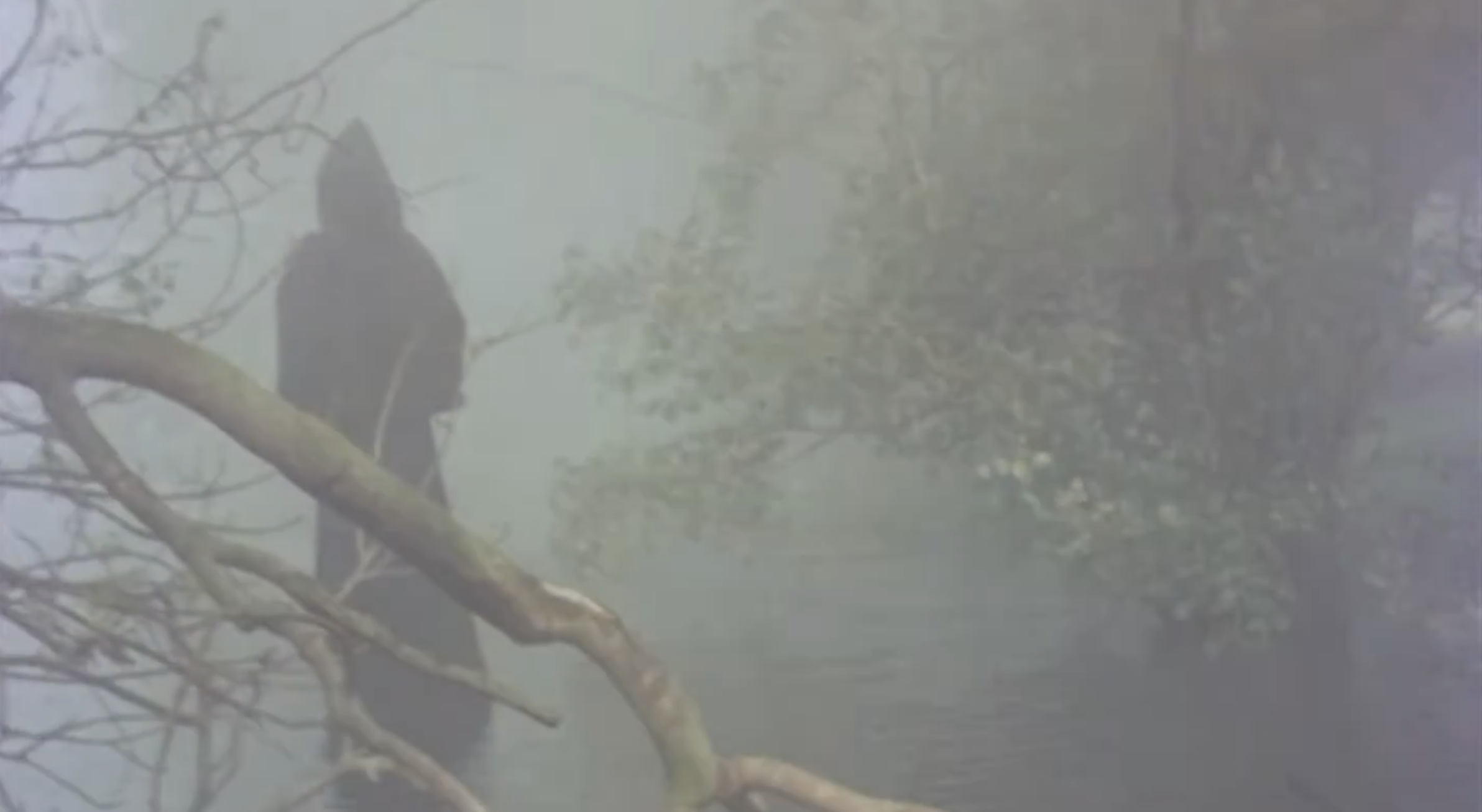
A Folk Horror Childhood
As part of her ongoing series examining the elements of folk horror, Stephanie Ellis goes back to her own roots and asks what a folk horror childhood might look like.
Generally, we talk about folk horror in the context of adult books, TV programmes and movies, but rarely do we hear about the folk horror of childhood. Is it a genre which only appears for—or even appeals to—adults, or are the seeds sown early and we are simply not aware of them? To answer this, I returned to my childhood, to that time when I became more aware of what I was watching and reading.
Without the distraction of internet, without computers, with only three (yes three!) TV channels to watch, those years were very much a time of using my considerable childish imagination. And the media I engaged with definitely had an impact. Today, I can remember a TV series, and a whole heap of odd ‘scenes’—whether on page or screen—which have stayed with me and these were, I realise, my first introduction to the world of folk horror.
A Bit of a Memoir
I was born in 1964 and the TV programming of the ’70s exerted a strong influence on the young me. And for some reason, that period, as I began to dust off my memories and supplement them with searches online, were awash with aspects which absolutely fall into the compass of folk horror. These ranged from TV series, to shows giving a nod to folk horror, to terrifying Public Service Announcements bizarrely meant for children.
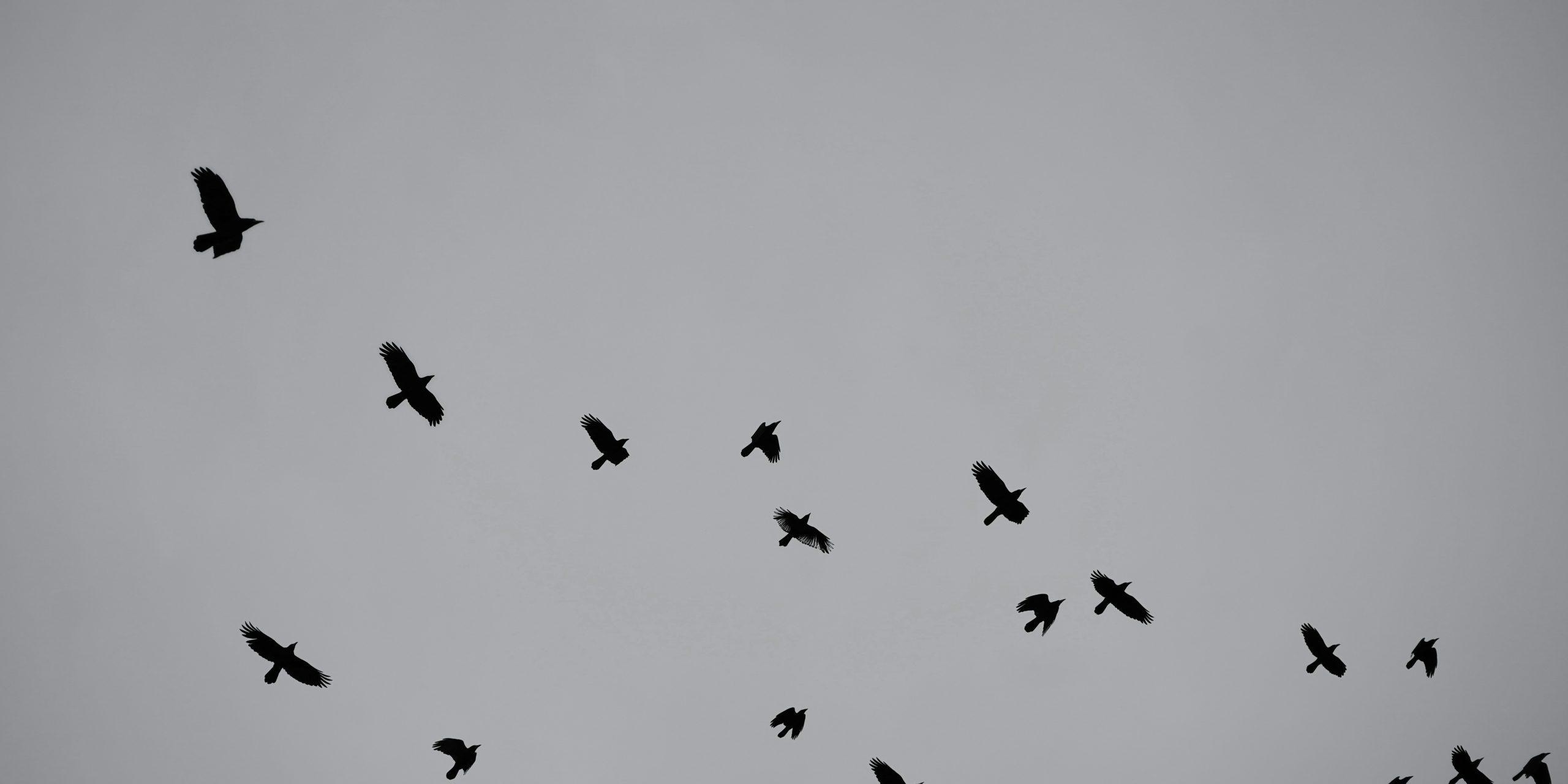
You could say this was a perfect introduction to the genre, and it resonated especially strongly with me because we had moved to a very rural pub in Shropshire. I now lived amongst the fields and woods and farms and machinery and scarecrows which existed in all this. The walks to catch a bus for school miles away introduced me to those liminal times of half-light as the year died. The crows cawing across ploughed fields, in a landscape which felt so empty after crops had been harvested, created a sense of unease, and the farmers who sang their songs in the bar beneath my bedroom made it clear this world was completely different to anything the town had to offer.
Children of the Stones
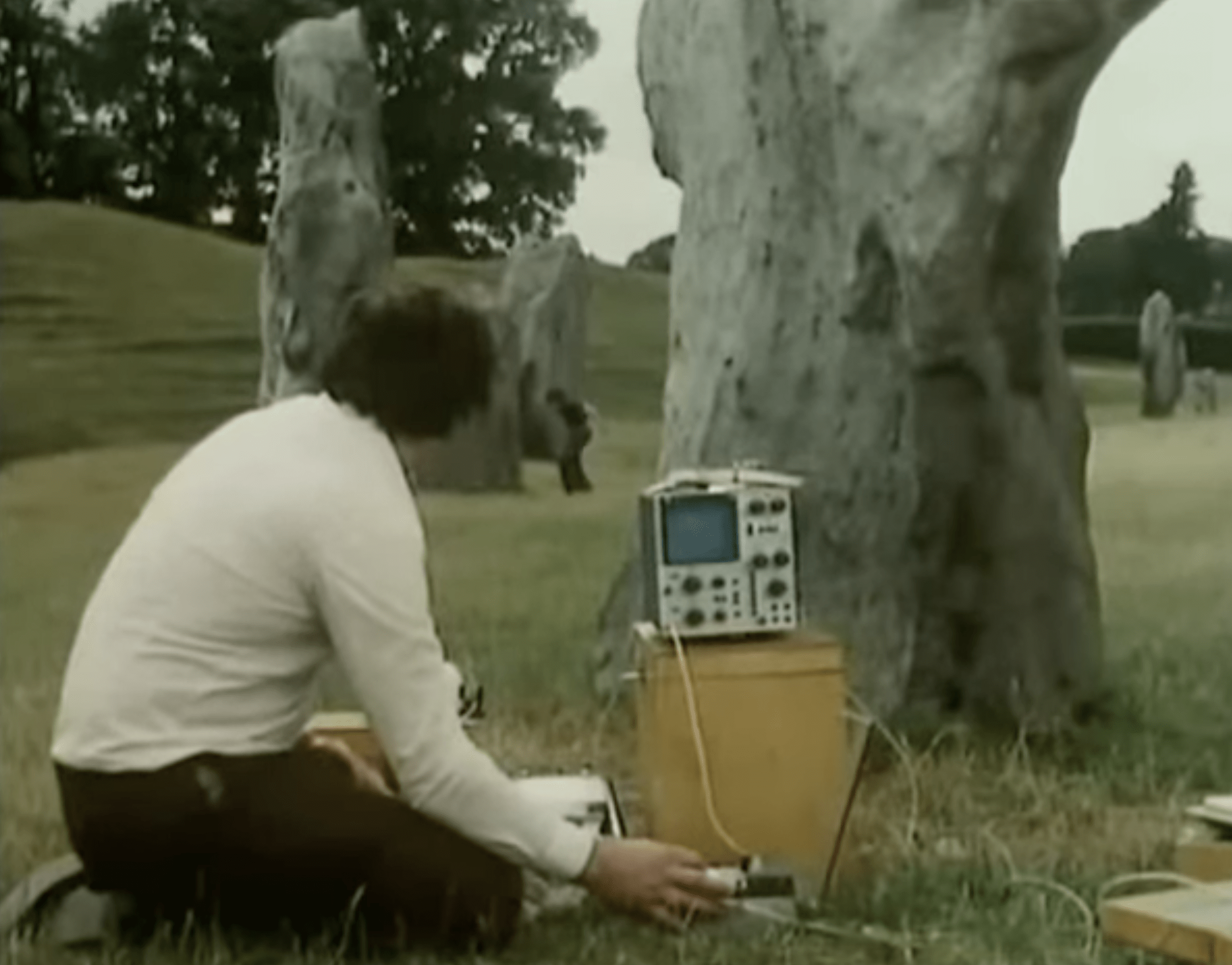
Earlier, I mentioned remembering a whole TV series, one that haunts me to this day. This was ITV’s Children of the Stones and which I watched religiously after school. Set in fictional Milbury, a village surrounded by a stone circle, it tells the story of newcomers astrophysicist Adam Brake and his son Matthew. The villagers are very odd with their repetition of ‘Happy Day’ and as the general weirdness unfolds it is up to Matthew to discover what is going on: why some of the village are the ‘Happy Ones’. To my delight, I found it on YouTube recently and was able to rewatch it, falling in love with it all over again, although I was surprised at how complex it is in terms of language and discussion. It is not the sort of thing I could see being made today, which is a shame.
Matthew’s father is there to measure magnetic fields around the stones as part of his research. As soon as that is discovered, it immediately upsets the locals, as does their reaction to a painting the Brakes have brought with them. This shows a beam of light piercing the middle of the stone circle from above. Around this light, people hold hands in some sort of ceremony. Here are the elements of folk horror: an uncanny landscape (this pocket of Wiltshire is a major source of prehistoric structures), an isolated village, skewed beliefs (as they emerge) and ceremony/ritual. It ticks all the boxes.
It says a lot about the skill of the programme makers that it influences me still, especially the creepy villagers, the village in the midst of a stone circle, and the eerie theme music which built to a howl. When I discovered Milbury was actually the very real Avebury, it built a longing to visit the location. And I have done, many times, and not once has it failed to deliver that sense of ‘otherness’.
Sky
After rewatching this, I did a quick search on folk horror for children online and one of the results it threw back at me was Sky. This is a series I remember only as a fragment, mainly the alien eyes of Sky himself. Whilst it mixes scifi with folk horror, take a look at the first episode of Sky on YouTube, note the camera work focussing on the trees, the isolation, the wind. It builds the creepiest of atmospheres before it goes into the survival story of how an alien boy lands on Earth and is rejected by Nature.

Alan Garner
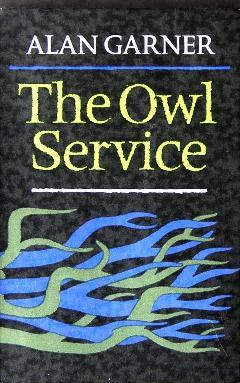
Then onto The Owl Service by Alan Garner. This appeared before my move to Shropshire and I only have the vaguest of memories of it as a TV series although watching it on YouTube brings things back, but the book was a different matter.
The Owl Service and The Weirdstone of Brisingamen, were two books I read quietly at home and at school. I can still recall sitting at my desk being so absorbed in The Weirdstone of Brisingamen, that it felt as if I was there, especially as the sky outside glowered, as in the book, and the landscape on the pages was a mirror of an area I knew.
I learned in those retold folk tales, so firmly set in landscape, that Garner is a master of atmosphere and I continue to read him to today. I would argue, by the way, that his Thursbitch (2003) could be considered folk horror.
Wurzel and the Crowman
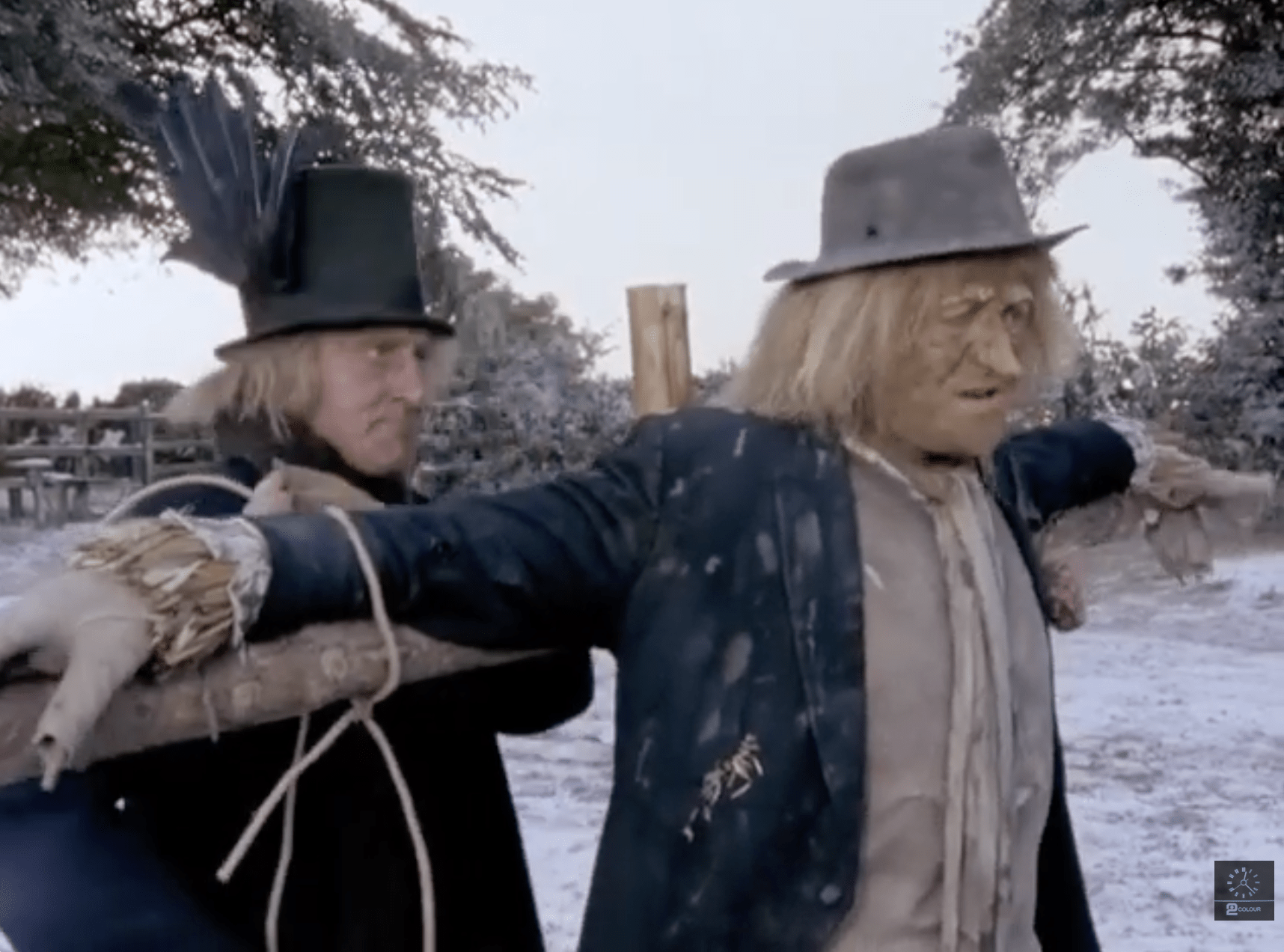
And oh,Wurzel Gummidge. I had to include this classic regardless of opinion because there is one particular aspect of the series which stayed with me: the Crowman. Wurzel Gummidge is a scarecrow (I grew up with the Jon Pertwee version) who comes to life and befriends two children who visit his farm.
Behind everything is the ‘Crowman’. It is he who gives life to the scarecrows and cares for them. In the programme, I remember him cycling around, dressed in black ragged clothes, wearing a black hat with a feather in it and carrying a strange authority. He had the folk horror ‘it’ factor. In a way, he became a bit of a template for some characters in my own writing. The Crowman was very much an ‘uncanny’ being.
Dark and Lonely Water
And as I wandered the lanes, on my own or with my sisters, there were the Public Service Announcements (PSAs) of the ’70s to remember. The Spirit of Dark and Lonely Water is a classic, warning of the dangers of playing near deep water, or others which had children tumbling from electricity pylons or falling beneath the wheels of a tractor. These were messages delivered with blunt force.
The ’70s might not have been an easy time in the UK with its power cuts and strikes and everything else, but I still had a childhood. One which respected imagination and built resilience. One which didn’t dumb down. One which fed my imagination with the atmosphere and liminality of the folk horror world. And one which seeded my love of folk horror and which still feeds it today.
Read the other blogs from Stephanie Ellis’s folk horror series:
Meet the guest poster