The shortlisted works across all 13 categories of the British Fantasy Awards have been announced! Find out who’s in the mix over on our blog. Winners announced at Fantasycon in October.
For all things fantasy, horror, and speculative fiction
-
Announcement:
Meet Nicolette M Ward
Every Friday, we meet a member of the BFS and peer deep into their soul (or, at least, a form they filled out). Want to be featured? Email us: online@britishfantasysociety.org
Name:
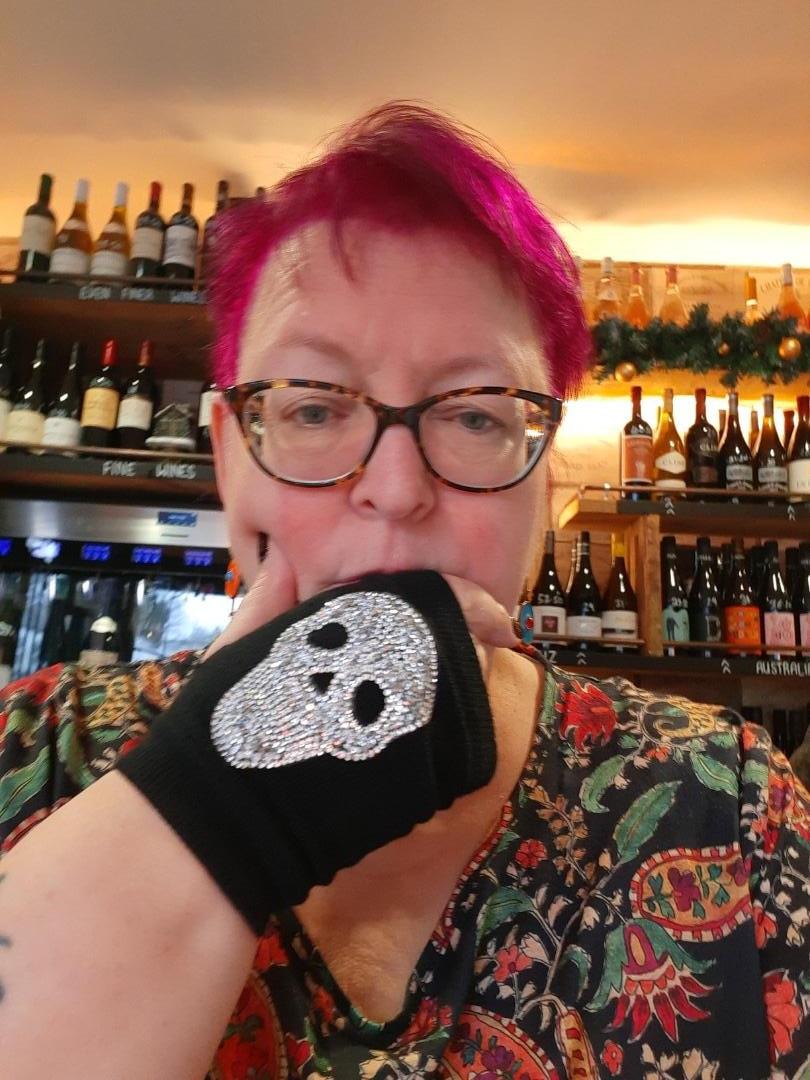
Nicolette M Ward
Which region are you based in?
Manchester
If you write, which genre:
Sci-fi, Fantasy, Horror (with a focus on urban fantasy, supernatural fiction, and darker, character-driven narratives across both original and fandom work).
Are you drawn to any specific SFFH sub-genres?
I’m particularly drawn to darker, character-driven stories that explore transformation, identity, and power. My work is primarily queer-focused, and I’m especially interested in morally complex relationships and crime-inflected settings. I also enjoy drawing on myth, folklore, and fairytale traditions, often through supernatural and shifter narratives.
Your influences
Tell us about the book/film/thing that got you into SFFH: What was it? How old were you? What impact did it have on you?
My earliest memory of fantasy is The Lion, the Witch and the Wardrobe by C.S. Lewis, which my mum would narrate to me on long car journeys when I was around eight or nine. Those stories stayed with me so vividly that I could probably still recount large parts of them now, decades later. I even still have her old, well-worn copy—the same one she’d coloured in as a child—which makes it feel like something passed down as much as read.
I think what captivated me most was the idea of the wardrobe itself—a doorway into another world. That sense that something extraordinary might be waiting just beyond the familiar has stayed with me ever since: what’s outside the window, what’s through the next door, what might happen if you take a different turning? I’ve always been drawn to those liminal, in-between spaces.
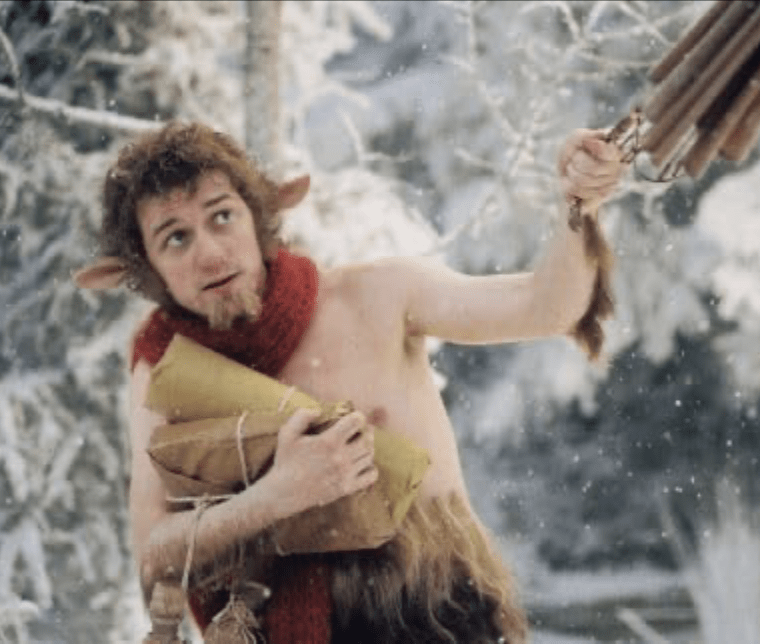
While I wasn’t especially attached to the Pevensie children, I was completely absorbed by the world itself, and I adored Mr Tumnus. That early fascination with the uncanny and the otherworldly has never really left me and continues to shape the way I write now.
(Photo: James McAvoy as Mr Tumnus in The Lion, the Witch and the Wardrobe)
How does that early influence show up for you (in life/writing/agenting/publishing/editing/reading) now?
That early fascination with thresholds and hidden worlds still shapes both how I write and how I see stories. I’m drawn to the idea that something strange and transformative might exist just beneath the surface of the ordinary, and much of my work explores that sense of crossing from one state into another—whether that’s physical, emotional, or something more supernatural.
It shows up in my interest in transformation, particularly through shifter narratives, and in the way I’m drawn to places and moments where the rules feel uncertain. I’m also interested in what those crossings cost and how they change people, particularly in relation to identity and queer experience, which often leads me towards darker, more morally complex stories.
In many ways, I think I’m still chasing that original feeling of stepping through the wardrobe: the moment where the familiar gives way to something uncanny, and nothing is quite the same again.
Where do you draw your creative inspiration from?
I draw inspiration from all sorts of places—architecture, unfamiliar corners of cities, overheard phrases, dreams, and watching people in everyday spaces. I’m particularly interested in the moments where something ordinary feels slightly off or where there’s a sense that there’s more happening beneath the surface than you can quite see.
For example, I was recently in a pub when an older gentleman came in, clearly known to the regulars, and sat down alone with two drinks. He stayed for a while, drinking one, then left the other untouched before quietly leaving. It immediately felt like a story. A friend and I ended up deciding it was a weekly ritual, and that the second drink was for a companion—not a memory, but something still there. A ghost.
I also like to draw on more collaborative or unexpected prompts. I’ll sometimes ask friends for a word, a phrase, or even a lyric and use that as a starting point. Recently, I’ve been writing a series of fandom horror short stories inspired by the titles of V. C. Andrews novels, which has been great fun.
That sense of the unseen existing alongside the everyday, and the way a single detail can open up an entire story, is something I return to again and again in my writing.
Who do you look to as a genre hero? Why?
I’m going to choose two, because I honestly can’t pick between them.
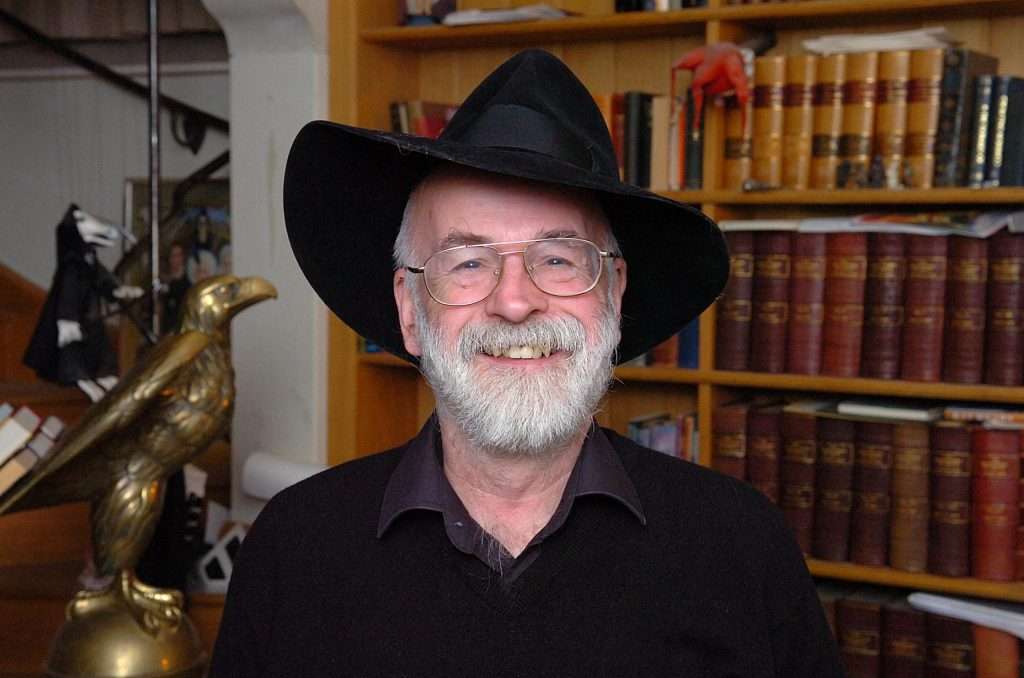
I grew up loving Terry Pratchett’s work; his ability to be sharply satirical and genuinely laugh-out-loud funny, whilst still creating deeply memorable characters is something I’ve always admired. Granny Weatherwax remains a particular favourite, as does Death. The first of his books I read was Mort, and it still makes me laugh to this day. I also really feel the absence of his work now—there’s something quite irreplaceable about not having a new Pratchett book to look forward to at Christmas.
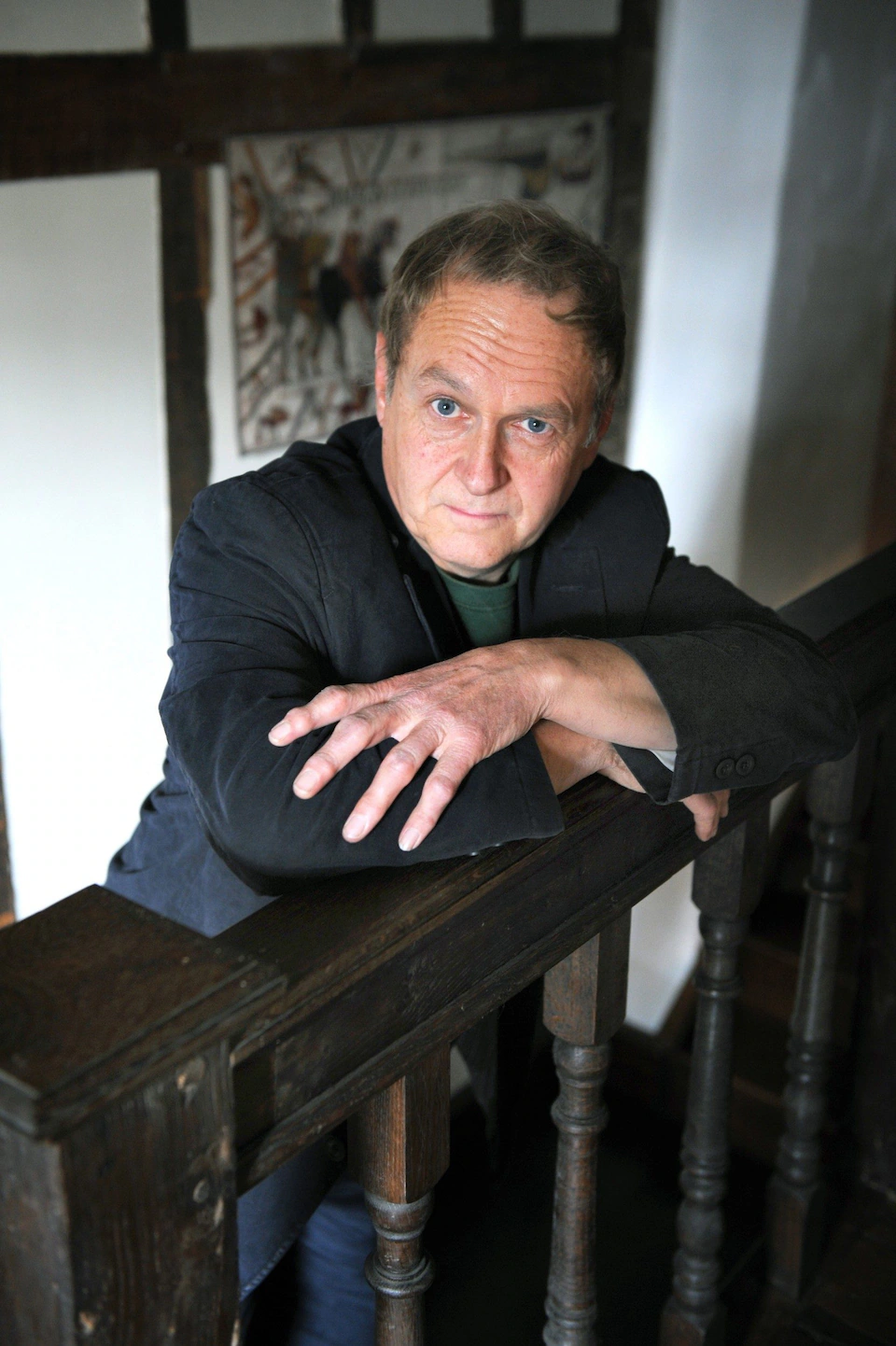
In contrast, Phil Rickman’s work speaks to my love of the darker and more unsettling side of the genre. His blending of horror, folklore, music, and crime—particularly in the Merrily Watkins series—creates a sense of quiet, lingering unease that I find incredibly compelling. His books genuinely creep me out; they’re not something I like to read when I’m alone in the house. The first of his I read was December, and I’ve gone through multiple copies over the years simply from re-reading it so often.
Between them, they reflect the balance I’m drawn to in my own writing: the interplay between the familiar and the uncanny, and the way humour and darkness can sit side by side.
Your Work
You’re stuck in an elevator for 60 seconds with that hero, and they want you to describe your work. Give us the pitch.
I write dark, character-driven fantasy and horror, usually with a queer focus, where the ordinary is never quite as safe as it looks. My stories explore transformation, identity, and power—often through shifters, folklore, and morally complicated relationships—and tend to ask what happens when you step through the wrong door and can’t quite find your way back.
What are you working on right now?
I’m currently working on The Rite of Tines, my first attempt at a fantasy novel, drawing on folklore, mythology, and immersive worldbuilding.
Alongside that, I’m developing an alternate universe novella about a serial killer in a world where soulmates and soul bonds exist, exploring the unsettling idea of being irrevocably tied to someone, regardless of who—or what—they are.
I’ve also recently completed a series of horror drabbles for a potential anthology, and I’m currently revising them and exploring how they might be shaped into thematic collections.
And, of course, several other projects that seem to multiply when I’m not looking and refuse to be finished because the characters will just not shut up! My WIP folder is a scary thing!
Thinking about all the stories/work you’ve done, what sticks out most in your mind? Why?
What stands out most to me is my consistent draw towards morally grey characters and stories that resist neat or comfortable resolutions. I’m far more interested in the questions a story leaves behind than in tying everything up cleanly, and I tend to favour endings that feel unresolved or that suggest something is still unfolding just beyond the final line.
I’m particularly drawn to moments where a character makes a choice that can’t be undone or where the line between right and wrong becomes blurred. Those are the stories that stay with me—both as a writer and a reader—and they’re the ones I find myself returning to again and again in my own work.
Where and when do you create/are you at your most creative?
I’m often at my most creative on long train journeys, or tucked away in a quiet corner of a bar, headphones in and a glass of wine to hand, where I won’t be disturbed. There’s something about being slightly in transit, or on the edge of things, that makes it easier to slip into a story.
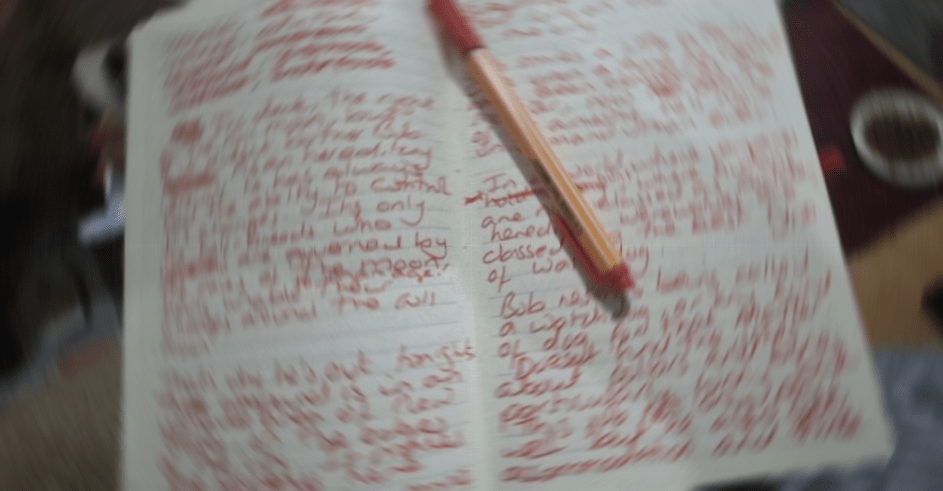
I tend to write quite old-school—in notebooks, with a pen, and always in red ink. By the end of a journey, there are hopefully pages filled with scrawled writing, ideas half-formed or fully realised, all captured before they have a chance to disappear.
What’s the best advice you’ve received about creativity?
The best advice I’ve received is to follow the idea that won’t leave you alone, even if you don’t fully understand it yet. You don’t need to have everything mapped out—sometimes the most interesting stories come from sitting with something strange and seeing where it leads.
In my early days, I tried to plan everything in detail, but it never really worked for me. It became more of a way to procrastinate than to actually write. Now, I tend to start with a strong idea or an ending in mind and let the story find its own way. I’ve also learned that I can’t make my characters do what I want; how they get from beginning to end is very much their business.
What’s your writing soundtrack?
It really depends on what I’m writing; my “soundtrack” tends to shift with the tone and character of the piece. I often build playlists around specific projects, and sometimes even around individual characters. For example, I created a full mix for the serial killer character in my AU soulmate novella, and listening to it immediately drops me back into his mindset.
I also tend to favour familiar background noise when I’m writing. I used to have a real fondness for Kerrang! TV, partly because I knew so much of what they played, so it became a kind of comfort soundtrack that didn’t pull me out of the story but instead helped me stay inside it.
The Quick-Fire Round
Sci-fi, fantasy or horror?
Fantasy
Quiet or loud?
Quiet
Dark or light?
Dark
Strict lines or genre blend?
Genre blend
Awards or bestseller?
Bestseller
Fiction or non-fiction?
Fiction
Poetry or prose?
Prose
Plotter or pantser?
Pantser
Reading or listening?
Listening
Notebook or computer?
Notebook
Favourite SFFH book of all time?
Lord of the Rings
Last book you read?
Heartsong by TJ Klune
Any SFFH author on auto-buy?
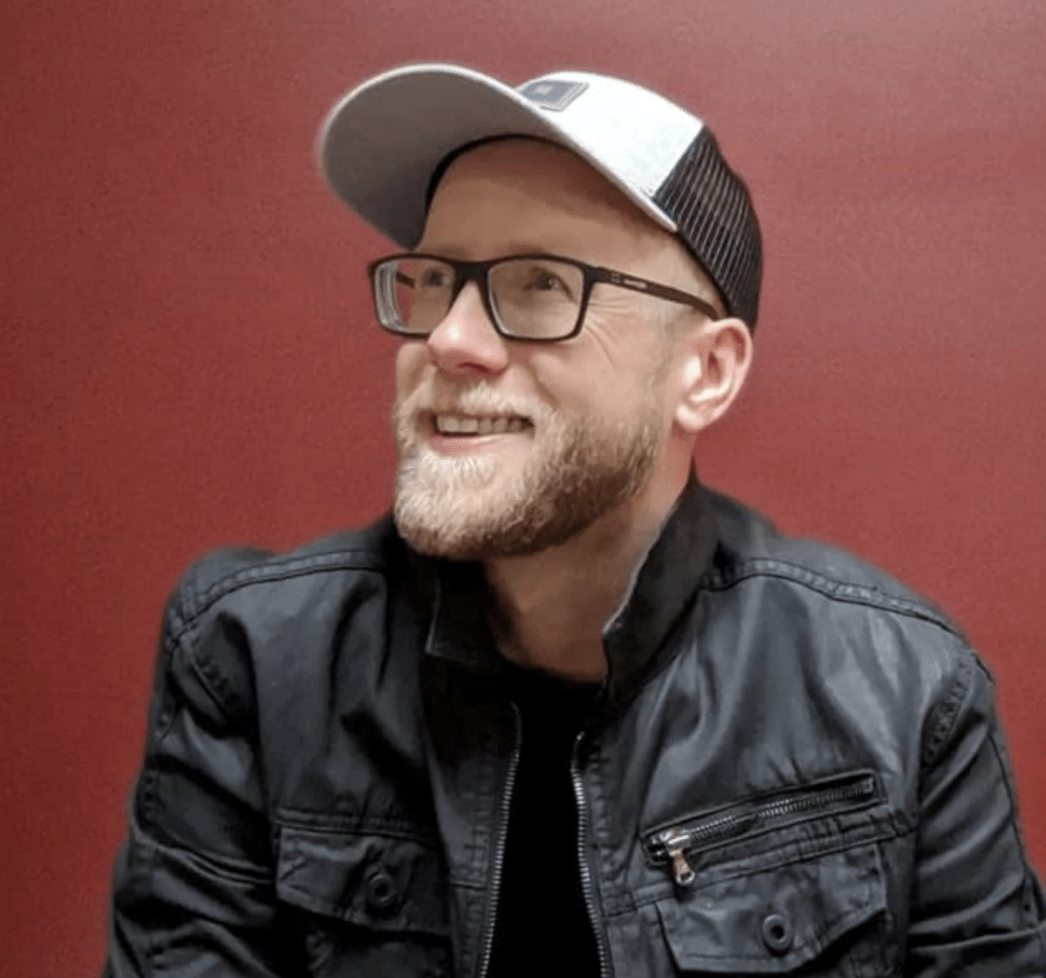
I don’t think I’ve quite found a true auto-buy author to replace Phil Rickman—his work set such a high bar for me, and I still find myself returning to it. That said, TJ Klune (pictured; source) is rapidly becoming an author I’ll pick up without hesitation. I’m drawn to the warmth and emotional depth in his writing, and the way he balances darkness with hope.
Favourite podcast?
After Dark: Myths, Misdeeds and the Paranormal
The Home Stretch
What’s the best thing about being part of the SFFH community?
The best thing about being part of the SFFH community is the shared sense of imagination and possibility. It’s a space where the strange, the dark, and the unconventional are not only welcomed but celebrated, and where you can find people who are just as excited by those ideas as you are.
It also makes writing feel less solitary. There’s something really valuable about being able to share ideas, inspirations, and enthusiasm with others who understand exactly what you’re trying to do.
Time to plug your stuff! Where can we find you and your work? What have you got coming up? Consider this your advertising space.
A long time ago, I wrote The Handy Little Book of First Lines, published through a specialist press—though I suspect most of the remaining copies now live somewhere in my bedroom.
More recently, I regularly submit drabbles to The Horror Tree’s Trembling With Fear, and I wrote a blog for the British Fantasy Society on the UK Ghost Festival in Derby. I’m currently working towards placing more short fiction this year, alongside developing longer projects, including The Rite of Tines—assuming I don’t get completely lost in the worldbuilding and forget to actually write the story.
I don’t currently have a website, but I can be found on Bluesky at @shadowsbetween.bsky.social where I occasionally talk about writing, ideas, and whatever strange thing has currently caught my attention—or occasionally photos of cocktails from writing weekends.