The shortlisted works across all 13 categories of the British Fantasy Awards have been announced! Find out who’s in the mix over on our blog. Winners announced at Fantasycon in October.
For all things fantasy, horror, and speculative fiction
-
Announcement:
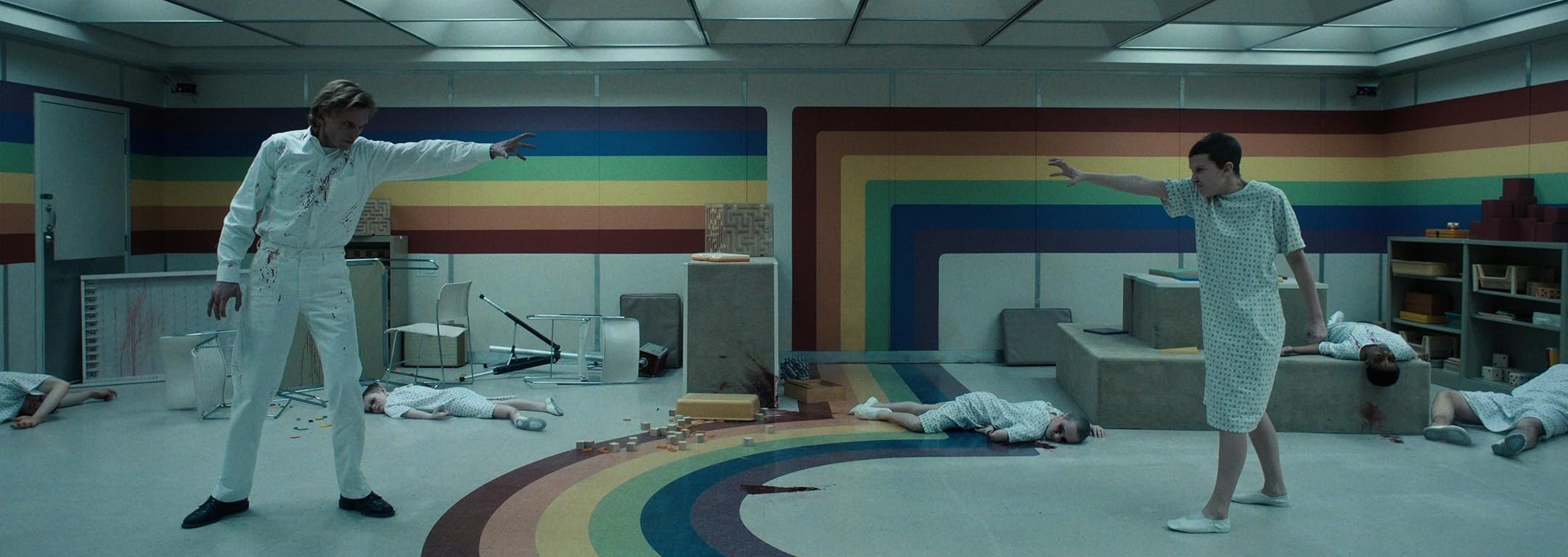
Turning Stranger Things Upside Down
Rick Danforth has re-watched all of Netflix’s supernatural flagship and now returns from the Upside Down to tell us about the good, the bad, and that ending…
(All images credit to imdb.com)
I love Stranger Things and have done since I first saw it in 2016. It was electric, terrifying and brought a cast you really rooted for. I did not love Stranger Things Season 5, despite looking forward to it for 3 years. Anyone who is on the Internet will be aware that this is a reasonably common opinion.
After my disappointment with Season 5, I realised it had been a decade since I had seen the early seasons, so sat down to rewatch the entire show to remember what had endeared it to me. Two things quickly became apparent:
- I honestly forgot just how outrageously good early Stranger Things is.
- Some of the parts I didn’t like in Season 5 were brewing for some time.
I tracked my thoughts on each season to see if I could pinpoint exactly where it went off the boil for me. I wonder if you spotted the same things
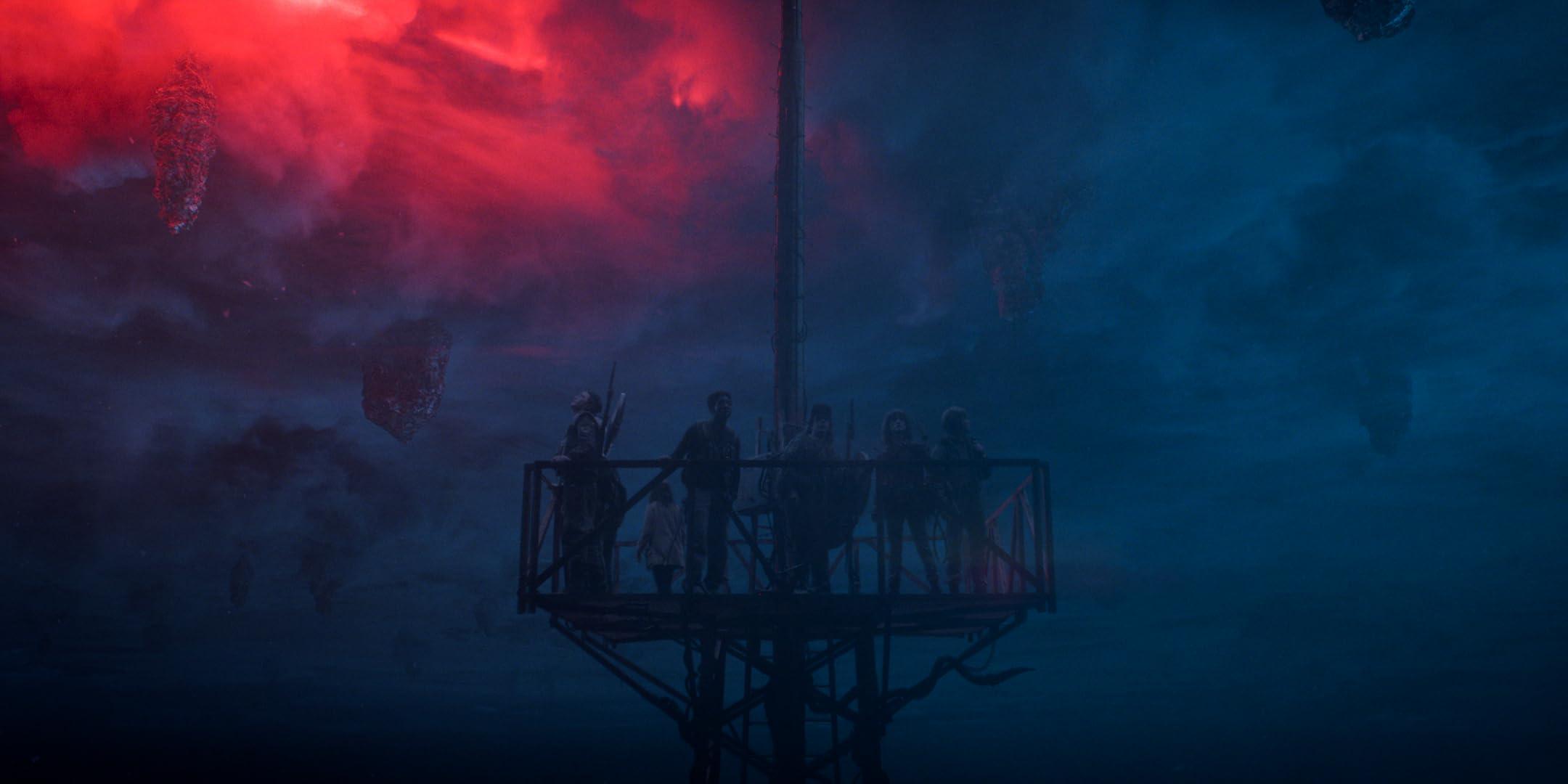
Season 1: Close to perfect
I was blown away when rewatching the first season. It’s as close to perfect as any season of television I’ve ever seen; no wonder the Duffers had a hard time living up to it.
Here’s why I think it works so well: It’s got a small cast (for an ensemble) with great chemistry and relationships, tight writing and a small town horror vibe. It hits the ground running straight away with a dangerous monster (the demogorgon) on the loose, an escapee from a government lab, and a missing child. It also comes with enough ‘80s references to make me nostalgic for a period I never lived through (Lauren, our editor today, assures me she had a blast). The casting is superb all around, but I will die on the hill that says Winona Ryder not getting an Emmy award nomination is the biggest snub in the history of the awards. She was perfect, and I don’t think anyone would swap her in that role. (Not to mention her presence was a lovely nod to that ‘80s teen nostalgia the creators were aiming for.)
The show pushes an electric pace that keeps the stakes small, adding to the small town horror element, and cementing the vibe. It’s small, local, but ever so dangerous. Spoilers: Barb dies early on, and Will is missing for most of it. It keeps you on the edge of your seat throughout.
Season 2: Better than you remember
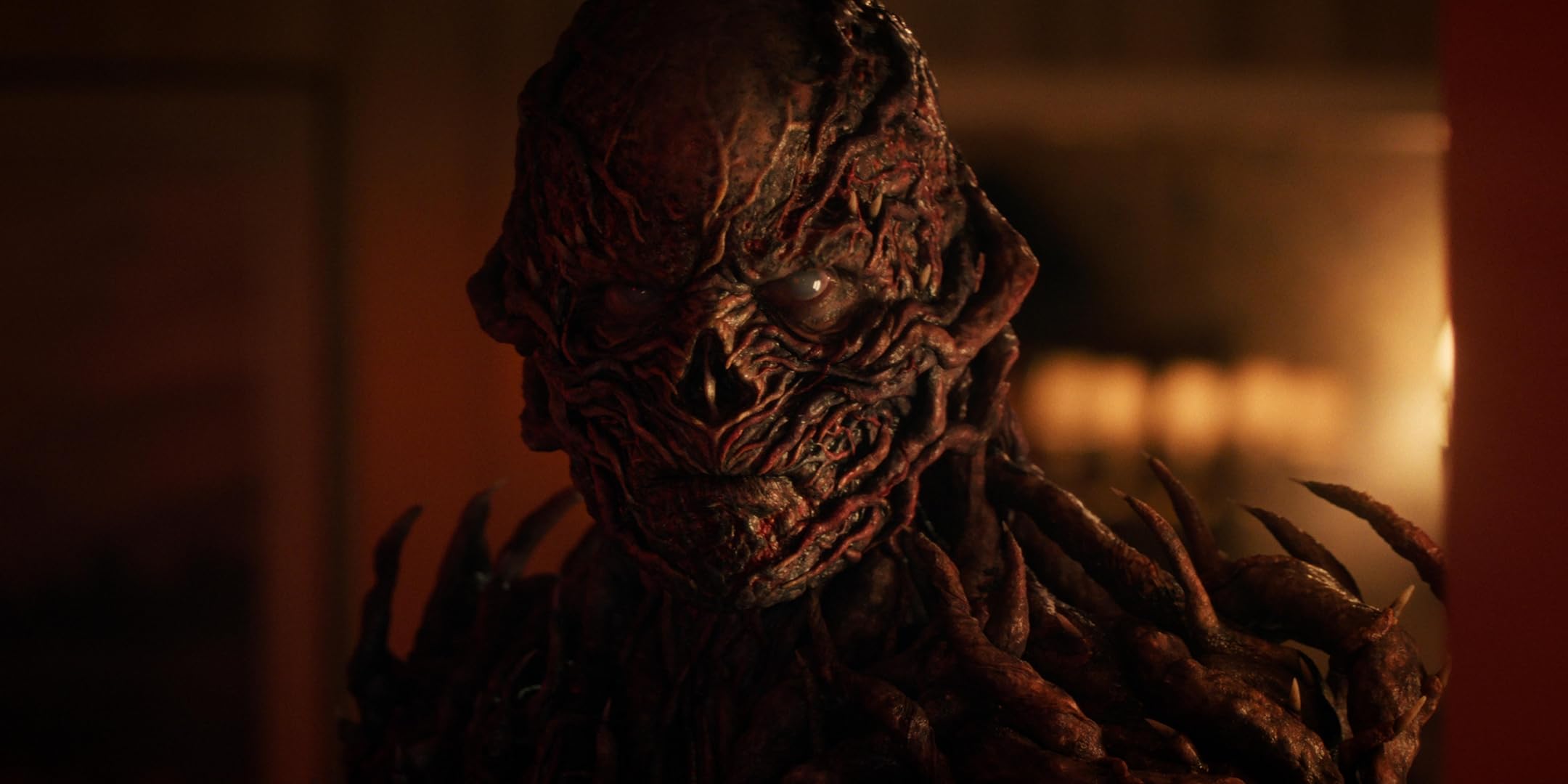
Less fondly remembered than season 1 by most (although Rotten Tomatoes now looks good for it) -it usually appears low on people’s season rankings – I actually found season 2 far better than I remembered.
However, I think the trouble stems from two issues: It had to follow a near-perfect season 1, which is always a problem for any series; and it altered the format. Whereas season 1 hit the floor running with roaming monsters and missing children, season 2 was a slow burn. We were re-introduced to Will and the crew at school, met a new core cast member in Max, saw the new normal. All this before we are suddenly hit with a captivating chaos of demodogs (a smaller, more canine version of season 1’s Big Bad), nightmares and underground tunnels.
It was very enjoyable, and it moderately upped the stakes. One new character, a love interest for Winona – Bob, with another nod to ‘80s nostalgia by casting Sean Astin – got brutally murdered by a demodog in an unforgettable scene. But we still went from the small stakes of one monster lurking in the woods to a pack of demodogs, a lot of creepy vines and a surprisingly large tunnel system underneath Hawkins. The cast expanded, the stakes were bigger – but ultimately we still had a great time.
Season 3: One giant homage to ‘80s SF film
It’s in this season where we really start to drift away from small-town folk horror toward more blockbuster SF. I still had a lot of fun with this season. It leans very heavily into some classic films: pod people, the mind flayer and Billy plotline, and into Red Dawn with the Russians. We get another cool quirky character in Robin – a new foil for Steve – we change the dynamics, and we have a lot of fun.
But I have two issues with the super sizing of the story here. The pod people are numerous, very numerous. It feels like the Mindflayer hive mind is taking over half the town, and that’s a far cry from a lone Demogorgon.
And the Russian base is just an insane size. Bigger is not always better.
I love the idea that the Russians have found out about the weird Hawkins magic going on and want to get involved – but you’d presume they would be small and discreet, surely? Instead, they have an entire underground city, one that is bafflingly hundreds of meters below the new shopping mall, which it turns out the Russians funded to hide what they were up to. (The funding bit is quite clever, but the size and scope of it is just far too unbelievable.)
And this, for me, is where the seeds are sewn for the downhill run to the finale. While season 3 still made for fantastic television, it takes us really quite far from the original concept of kids with monsters in the woods.
But then there’s that cliffhanger: is Chief Hopper really gone?!
Season 4: Nightmare in Hawkins
The main plot thrust of season 4 is wonderful: we have what feels like an homage to Freddie Kruger with Vecna attacking children in their sleep – creepy as hell and pursues a new thing to be scared of – and we also have the side story of Eleven getting her groove back by overcoming personal demons.
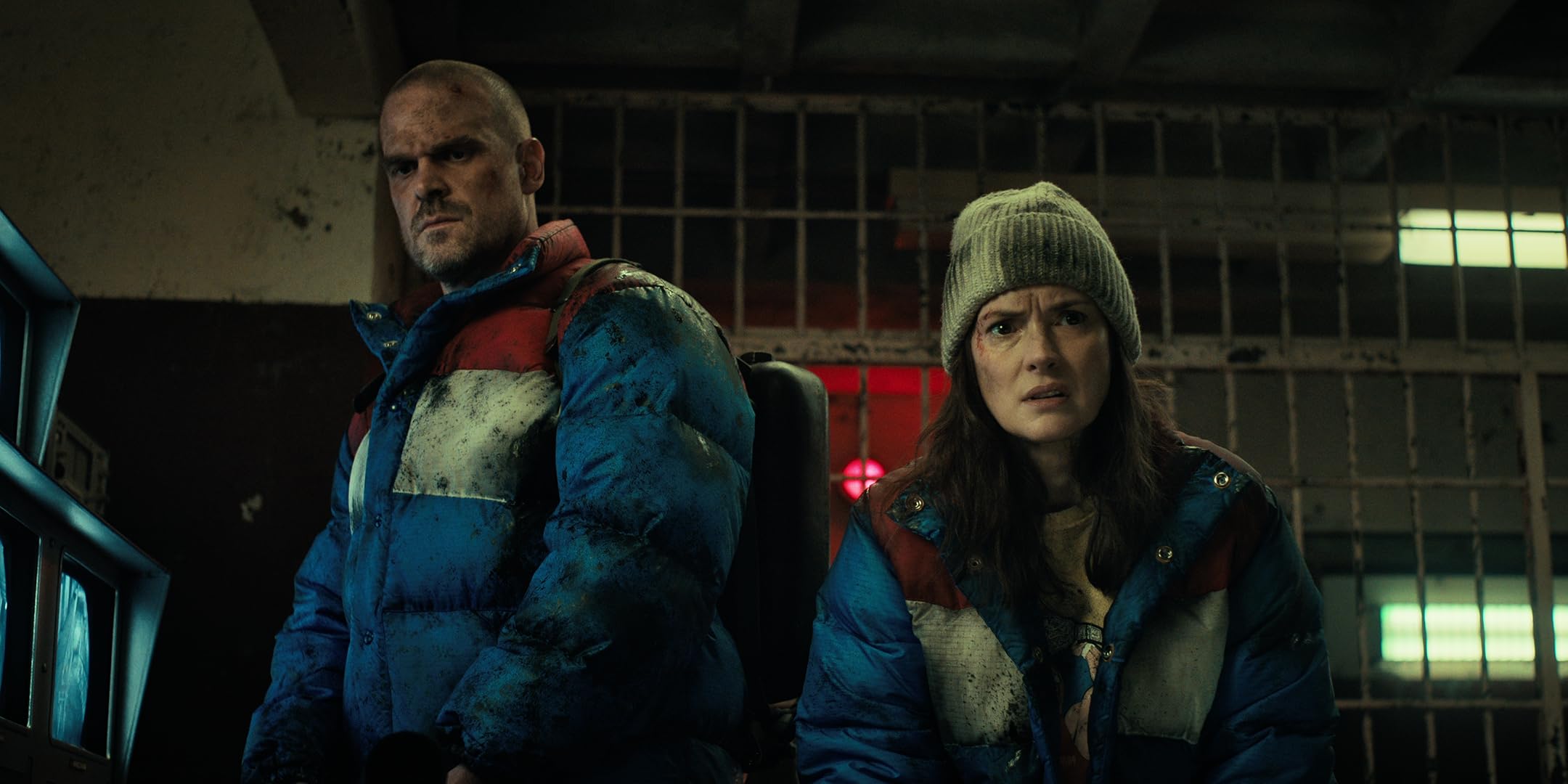
Yet we also have an entire secondary plot that has the adults go to Russia to free Hopper; that arc felt far more Hollywood action film than the traditional small-town dynamics set up in previous seasons. It also, quite frankly, wasn’t that great – and it devalued losing Hop at the end of Season 3. The fake-out means the main characters we’ve come to love start to feel a bit too safe at all times – the idea that anyone could die at any minute is lost. And the two major plot lines feel very disconnected, storytelling-wise.
The idea of El being bullied and powerless is fascinating. In season 1, we are shown very realistic bullying, including name-calling and a shoulder bump. Here, in season 4, though I found it over-elaborate. Thatmovie style bullying scene – an entire roller rink full of kids, and adults, join in to embarrass Eleven at her ultimate low moment – felt way too ‘educational movie’ for me
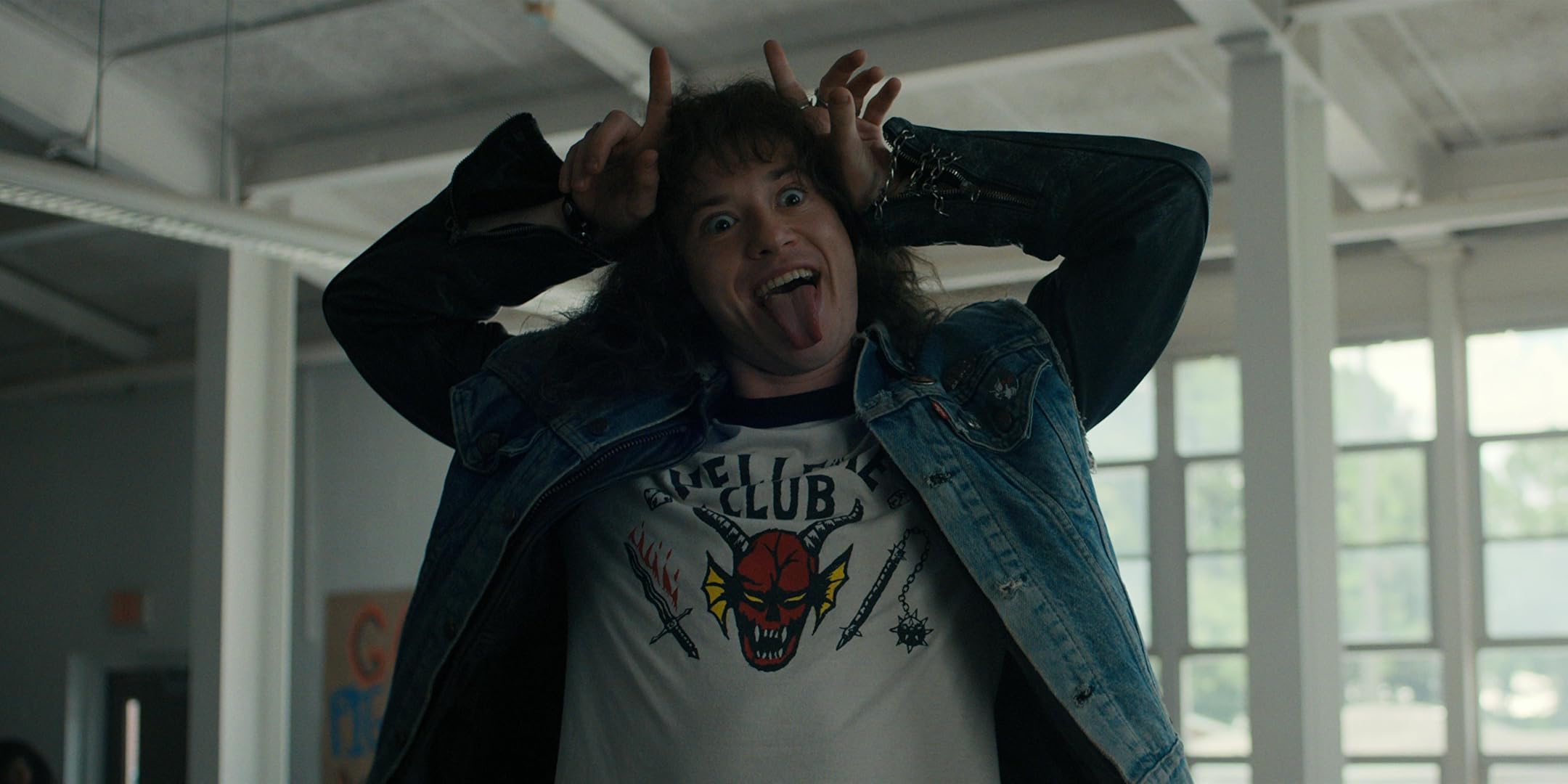
That said, we do have another great character introduced in Eddie Munson, a charismatic, nonconformist, and fiercely loyal outcast, and another horrible death. (Yes, RIP Eddie. You were a real one.)
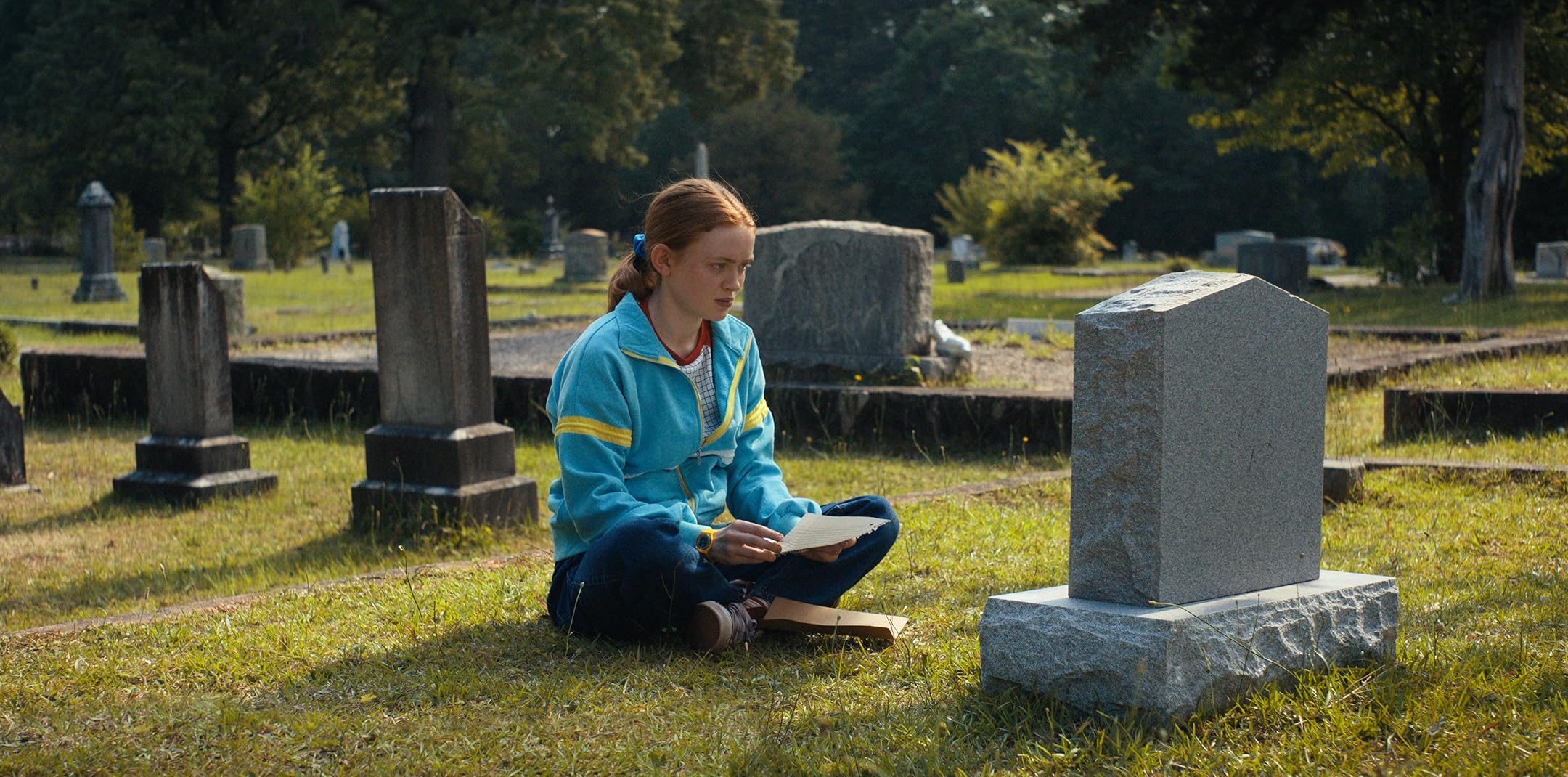
Season 5: As bad as the internet hate suggests?
With the final season, these issues came to new levels.
Look: I really enjoyed the actual ending of Season 5. I loved where the characters ended up. I cannot think of a single more iconic, beautiful ending than them putting all their DnD folders on the shelves and leaving the room one last time.
I just hated the journey of how we got to that moment.
Some of my major issues with Season 5 (the BFS does not have enough website for all of them.):
- They spent years bigging up the hive-mind aspect – only to have all of the smaller creatures mysteriously absent without a lick of explanation in the final battle.
- The final boss was the size of a skyscraper, and they attacked it with spears and small arms. I loved the crew coming together as one to defeat creatures in the previous seasons, but this one was just too much. They needed a tank to get through that.
- Every single character seemed to get a ten-minute monologue. This slowed down the pace dramatically in a show that felt like it was already taking its time.
- They never explained how they returned to normal life after Hop shot numerous military officials, then went back to work as a sheriff. Just two seconds to mention a deal and NDA would have been great.
- Nancy went from being a competent, strong character who was a good shot to basically being Rambo and going toe to toe against special forces.
- The cast was too big. They had numerous times with characters standing around without use as the cast had ballooned over the years, and they refused to trim anyone. It felt like a cliché: road workers with one person digging a hole and five watching them.
- In previous seasons, the parents were always a frame away and worried about their kids. The kids lied to them. In this season, it’s like they forgot some of the parents existed.
As a side effect, the cast always felt safe and not in danger in this season. Even with characters outside the core cast such as Mike’s parents, you never felt they were in danger. In prior seasons, we had Bob, Billy, Alexei and Eddie dying, which added so much to the fear level that characters could die. Here, there was nothing.
Did bigger and bolder kill Stranger Things?
It’s hard. There has to be a balance between what the viewer likes and something new. Alien to Aliens 2 is a prime example of where it worked: we went from suspense horror to an action film with horror elements, and they were incredible.
The transition didn’t work at all, though, when you look at 28 Days Later to 28 Weeks Later – and that killed the franchise for over a decade. In the first film, they purposefully avoid the zombie infection event; in the second, they go to great lengths to recreate it.
There is obviously a middle ground between these two franchise shifts in tone. In season 3, Stranger Things manages to bridge that without too much palaver, although some parts of it are weird and over the top. In season 4, there is an entire plotline which was incredibly unpopular.
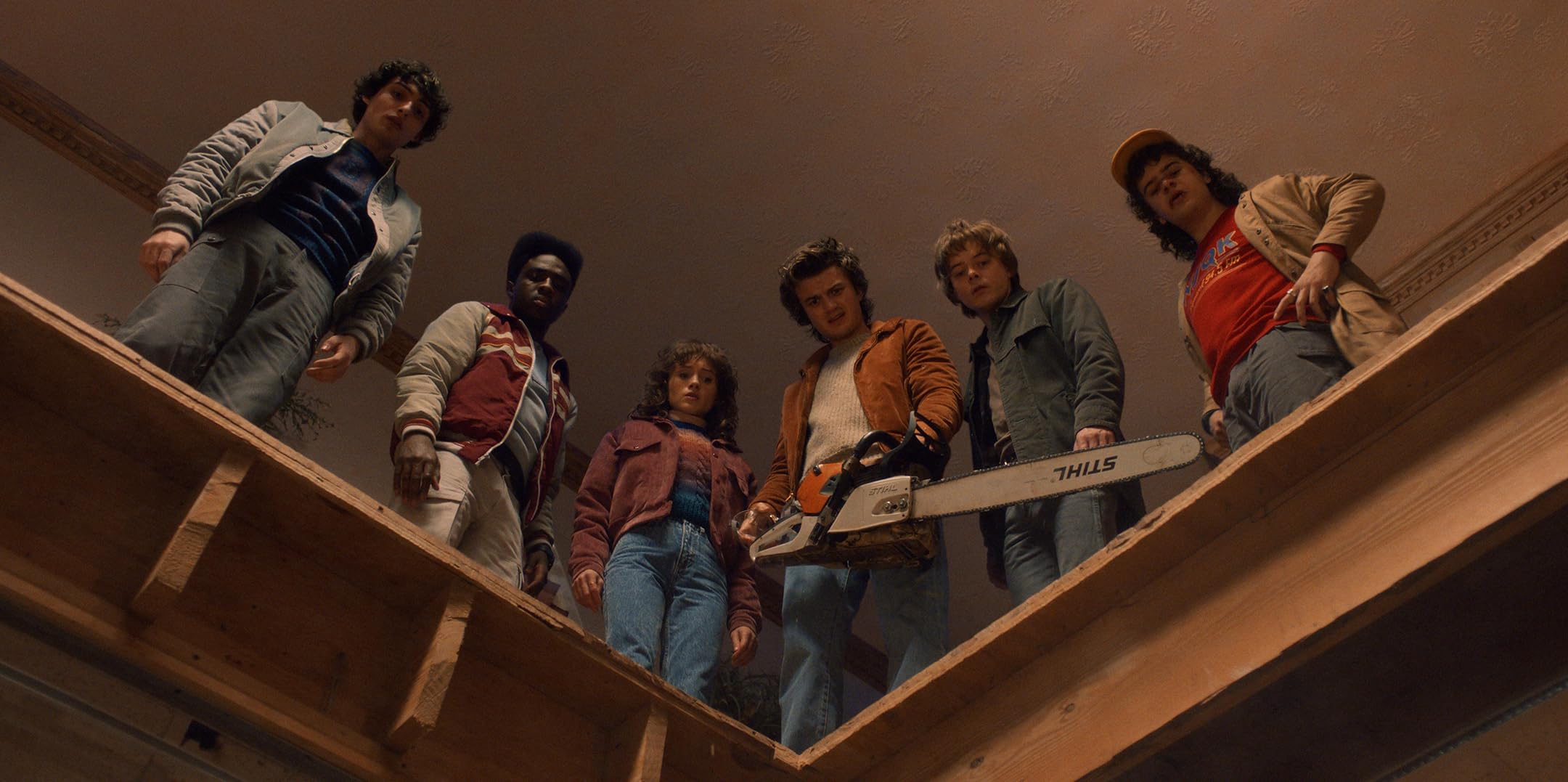
But then it just kept progressing. The need for bigger, badder, more explosions and more cast kept coming. Before you know it, the small town folk-horror show about a single monster in the woods has a ballooned cast, international side-quests, Godzilla-sized monsters, an entire town cut off from America and inter-dimensional trips.That makes it an entirely different genre. And it feels like it’s only because the Duffer brothers wanted to keep pushing it, expanding. Upping the stakes and making everything bigger.
In doing so, however, they just utterly shifted from their original premise. I genuinely thought most of the ideas they were using could have been done very well if they had tried to keep it smaller in scope, tighter and more personal. But obviously that is not what they did.
Instead, we had a mixed ending to a wonderful show. But at least most of it remains gold. (Do rewatch the earlier seasons, it is definitely worth it.)
On a personal note, I did take something away from this rewatch aside from some wonderful television:the sheer importance of fulfilling the promise to the reader / viewer. You can expand, subvert, do all sorts of tricks, but if you promise the viewer a curry and give them a roast dinner they will probably be disappointed. No matter how nice the roast is, they sat down to eat the curry.
Meet the guest poster