The winners of the British Fantasy Awards 2026 were announced at Fantasycon. Find out all the details on our blog.

For all things fantasy, horror, and speculative fiction
-
Announcement:
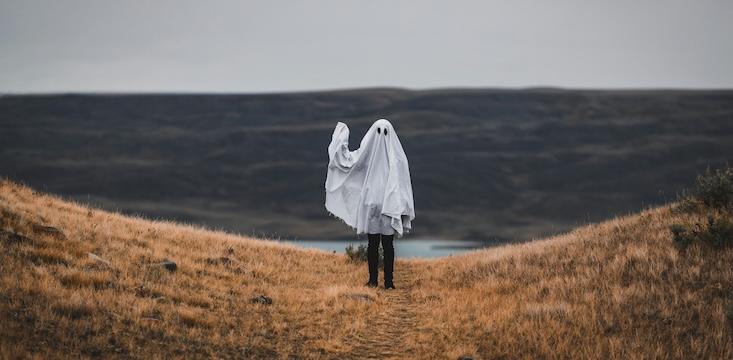
Classic Halloween Monsters: The Ghost
Halloween is here! For those still looking for a costume, we bring you the final of Corinne Pollard’s reviews of classic Halloween monsters to help you make your final call.
We’ve had vampires and werewolves, now I’m focusing on a creature that modern folklore doesn’t label as a monster. Yet we love to dress up as one, so it makes the list.
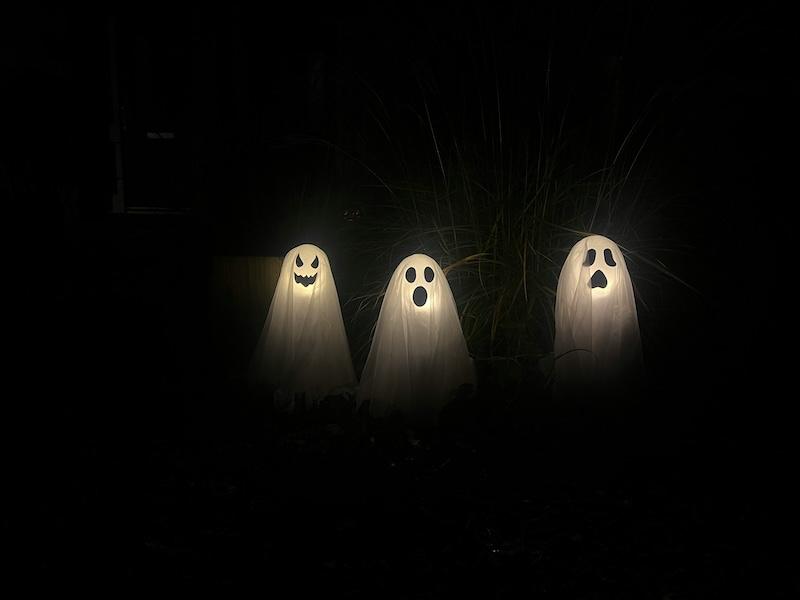
For the finale, here comes the creature that Halloween is truly about. Halloween’s origins come from the Celtic festival known as Samhain, a celebration of when the boundary between the living and the dead is thinnest and allows ghosts to roam the earth. It is a time to honour our deceased loved ones, to dine in silence, light bonfires, and to confuse any spirits with ill intentions by wearing disguises. It is the perfect time to focus on the ghost and discover its literary origins.
Monstrous literary origins
The earliest written record of ghosts comes nearly 5,000 years ago from Ancient Mesopotamia, which would be our modern region of Iraq and parts of Syria, Iran, and Turkey. There’s even ghost depictions on Ancient Babylonian tablets that have survived from 1500 BCE. All of which suggests that people believed ghosts and the Underworld depicted in their mythology to be a reality. They believed that ghosts would often return to the world of the living due to unfinished business like revenge, improper burial rites, loneliness, and even due to hunger and thirst if their family wouldn’t provide food and drink by regular ritual offerings.
The Ancient Greeks shared a similar mythology, but evolved the concept of the Underworld by making it a physical place that not only souls could access. The living—if they knew how, and though it was difficult—could access the Underworld. We see it in the story of Hercules who captured Cerberus, the guard dog of the Underworld’s gates, for his twelfth labor. Thus if the living can venture to the Underworld, then the dead can venture back. Another interesting development in Ancient Greek ghostlore was the ghost goddess known as Melinoë. She was a minor deity of the Underworld associated with ghosts, madness, nightmares, and appeasement offerings to the dead.
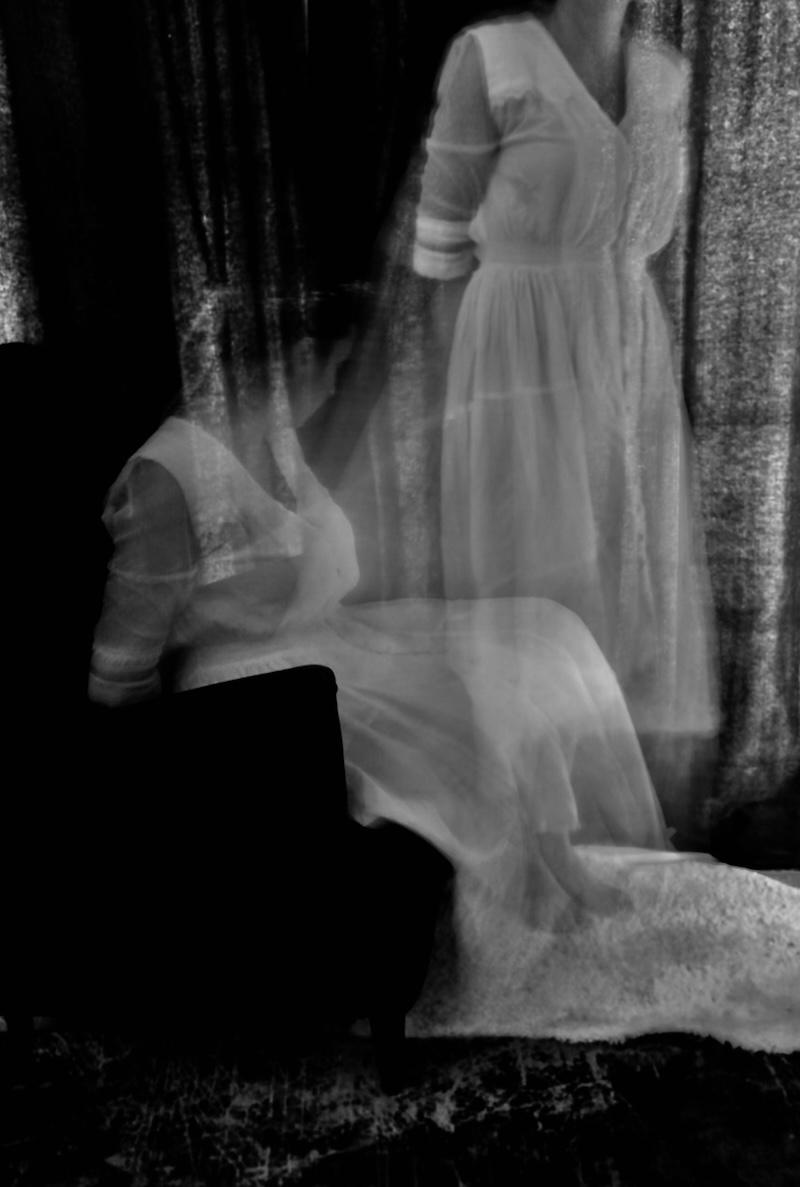
By the time of the Ancient Romans, these beliefs continued but also transformed. Pliny the Younger, a politician and writer, wrote the oldest surviving ghost story. In letters to senator Lucius Licinius Sura, Pliny writes three ghost stories in letter 27 of Book 7 in his Epistles, which he provides as examples to the debate on whether ghosts are real. The first is about a ghost who tells a prophesy involving the journey of a low-ranking official. The third story is a strange personal account from Pliny where two members of his household had their hair cut in the middle of the night by strangers. However, it is the second story that is most interesting: It is the earliest recorded occurrence of a haunted house, and has all of the (what we now know as the) genre’s tropes. A family moves in and is driven from the house by a ghost; the house is then abandoned for an unspecific length of time until a curious person moves in, discovers it’s haunted, and seeks to lay the ghost to rest.
(Photo by Photos_frompasttofuture on Unsplash)
From vengeful spirits to moral teachers
Fictional ghosts have grown in popularity, and one of the most iconic is from Shakespeare’s longest play, The Tragedy of Hamlet, Prince of Denmark (1599-1601). Hamlet is visited by his deceased father who reveals he was murdered by his brother, Claudius. The ghost drives the play’s entire plot, seeking revenge, and has become a figure of debate on what it actually represents. Before Shakespeare, ghosts were cheap horror tactics on stage. They’d wail, cause jump scares and desire blood, but Hamlet’s father was different; he speaks directly to the protagonist. While the ghost symbolises Hamlet’s need for revenge, it also symbolises a past that won’t stay buried, driving a psychological ambiguity. Shakespeare’s audience were mixed religiously; Catholics saw a ghost as souls from Purgatory, while Protestants viewed them as demons in disguise. Shakespeare plays on this anxiety and fear by never allowing the audience or Hamlet to know for certain whether the Ghost is his real father or a trickster damning his soul. It is no wonder that this play enters the realm of insanity while correcting a historical wrong.
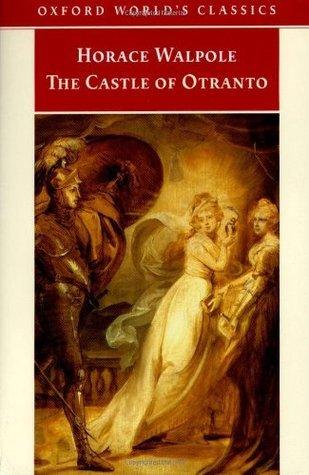
Restoring the rightful is also a theme in The Castle of Otranto by Horace Walpole (1764), regarded as the first Gothic novel. The popularity of Gothic novels have surged in modern times, but sometimes one of the key elements for this trope is overlooked: the supernatural. In The Castle of Otranto has multiple manifested spirits, like a walking portrait and a bleeding statue. These ghosts represent the reclaiming of rightful property and fulfilling an inheritance prophecy.
Another early pioneer writer of 18th century Gothic fiction chose a different approach to the supernatural element. Ann Radcliffe (1764-1823) published five novels while she was alive, with one more published after her death. She is most known for The Mysteries of Udolpho (1794), The Romance of the Forest (1791), and The Italian (1797).
Radcliffe’s approach to the supernatural was to present terrifying, subtle, and delicate ghosts at first; explaining what they truly were or what caused them by the end of the plot. Think Scooby Doo unmasking the villain. Ann Radcliffe brought the explainable ghost to the Gothic, saying in her 1826 essay On The Supernatural In Poetry, “terror and horror are so far opposite, that the first expands the soul, and awakens the faculties to a high degree of life; the other contracts, freezes, and nearly annihilates them.”
These early Gothic novels set the foundation, but in the Victorian era, the Gothic moved away from crumbling ruins and medieval castles. Instead it switched to the urban and domestic landscape and focused on mixing the Gothic elements with the rules of 19th century society, as seen in Jane Eyre by Charlotte Bronte (1847) and The Picture of Dorian Gray by Oscar Wilde (1890). Gothic literature became mainstream entertainment for the Victorians, and one popular Victorian author used it to his advantage—yet when you think of Charles Dickens, you certainly wouldn’t class him as a Gothic writer.
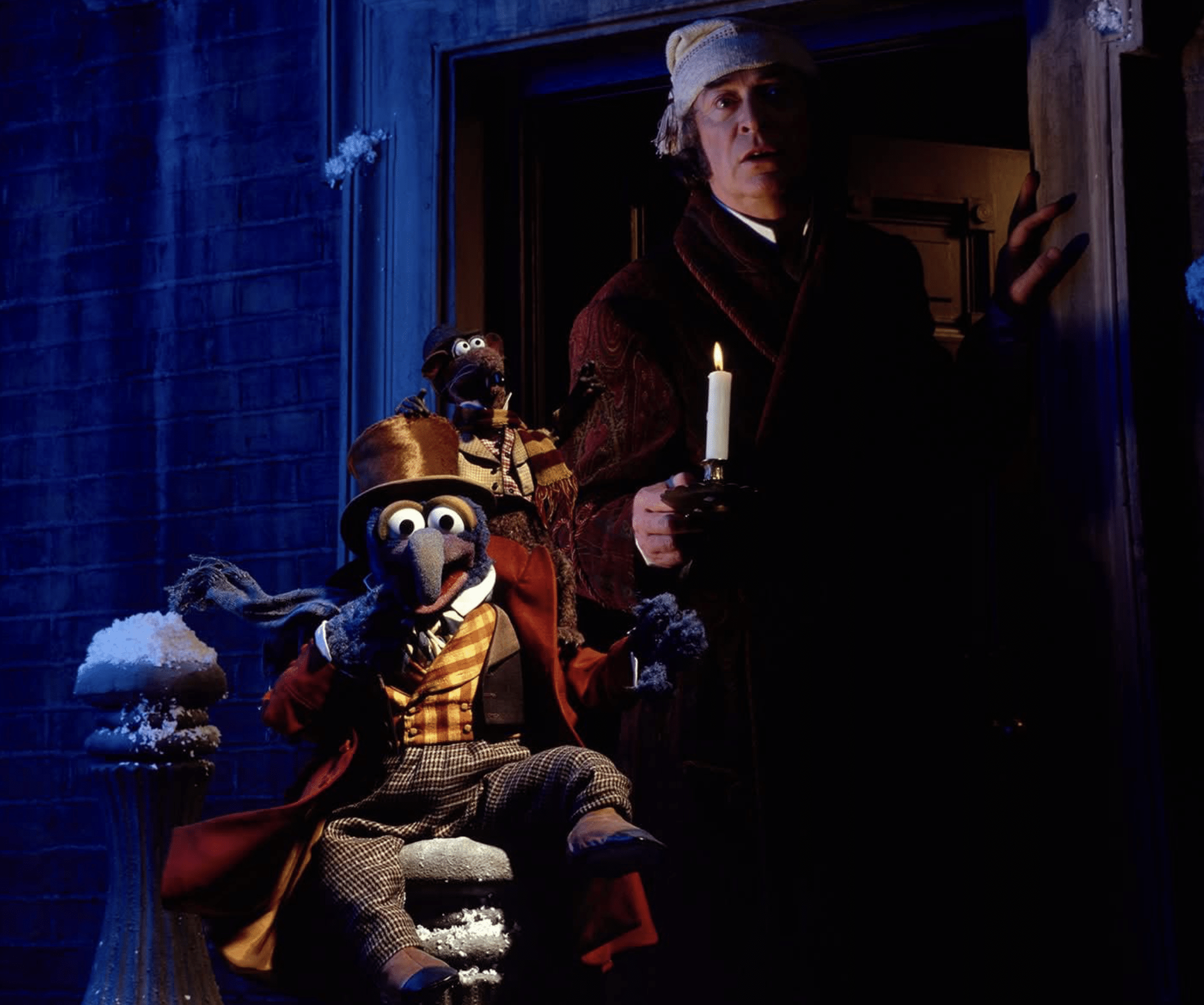
Dickens used Gothic conventions like the supernatural to bring attention to poverty, the Victorian workhouses, and child employment. One of the best examples is A Christmas Carol (1843), where the villain Scrooge is visited by three ghosts to change his immoral ways and be redeemed before it is too late. Telling ghost stories around a fire is a very old tradition and Dickens revived and boosted its popularity during the Victorian era.
(Image: Michael Caine and Gonzo in The Muppet Christmas Carol (1992))
Ghostly recommendations
Humanity will continue to question what happens to us after death and it will very likely remain unanswered, so we tell ghost stories to remind us of living well—and, of course, to frighten us with the unknown. I can’t wait to see how ghosts will be perceived in the future.
If you love the afterlife as much as I do, here are my cultural recommendations:
Music:
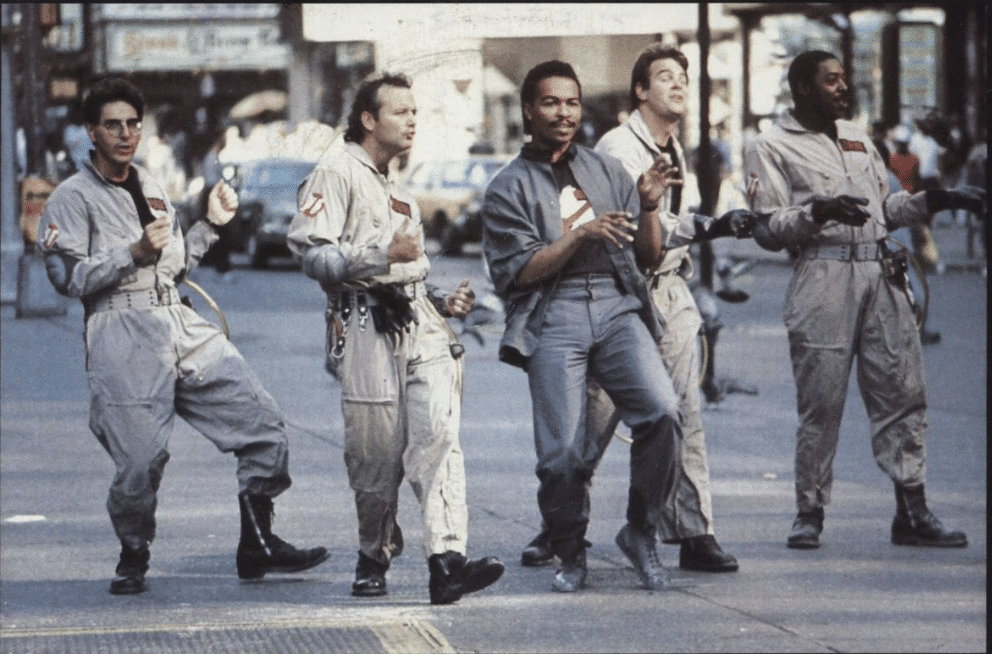
- Ghostbusters by Ray Parker Jr. (pictured)
- Don’t Fear The Reaper by Blue Oyster Cult
- The Ghost Of You by My Chemical Romance
- Somebody’s Watching Me by Rockwell
Books:
- The Woman In Black by Susan Hill
- Dark Matter by Michelle Paver
- The September House by Carissa Orlando
- A Christmas Carol by Charles Dickens
Films:
- The Shining (1980)
- The Others (2001)
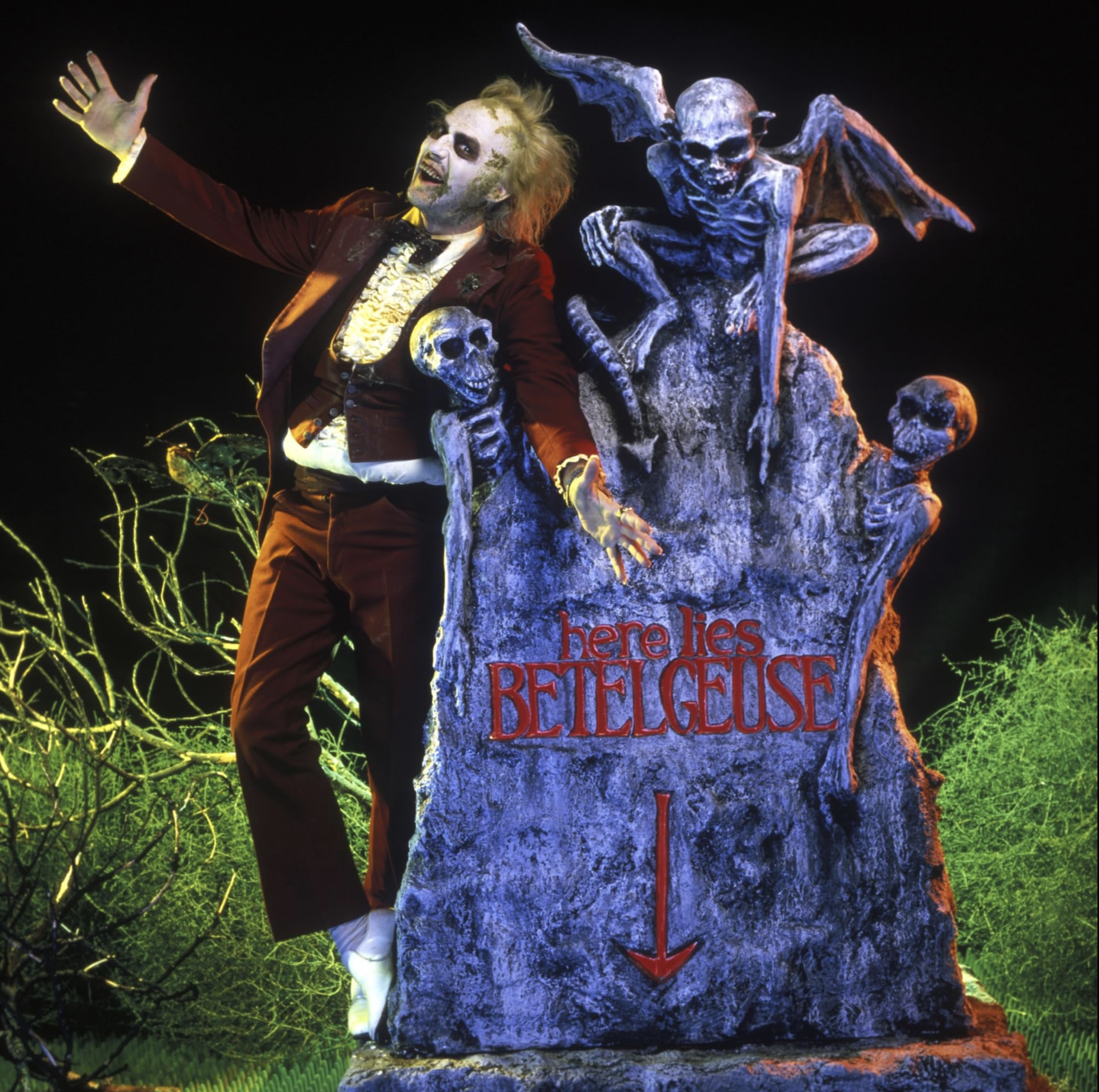
- Beetlejuice (1988) (pictured; source)
- The Sixth Sense (1999)
TV Shows:
- The Haunting of Hill House (2018)
- The Haunting of Bly Manor (2020)
- Ghost Whisperer (2005)
- Ghosts (2019)
Meet the guest poster

Leave a Reply