The winners of the British Fantasy Awards 2026 were announced at Fantasycon. Find out all the details on our blog.
For all things fantasy, horror, and speculative fiction
-
Announcement:
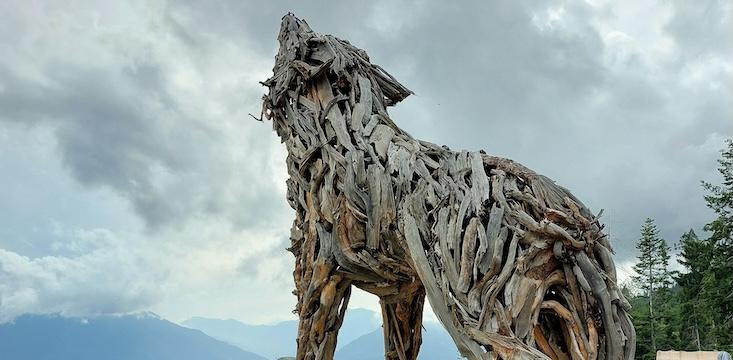
Classic Halloween Monsters: The Werewolf
The countdown to Halloween has begun, and we’re ready to get spooky! But which monster should you disguise yourself as this year? Corinne Pollard is delving into some classic Halloween monsters to help you make your final call.
After the blood-thirsty vampire, here comes the violent shapeshifter we fear and love—the one known as the werewolf. Perhaps the hardest monster for me to research, the werewolf didn’t enter my heart easily. I was lovestruck with vampires from a young age (aren’t we all?) and with films like Underworld (2003) portraying werewolves as the enemy or the Twilight series portraying them as a second love interest, I couldn’t understand the appeal of them until I was older.
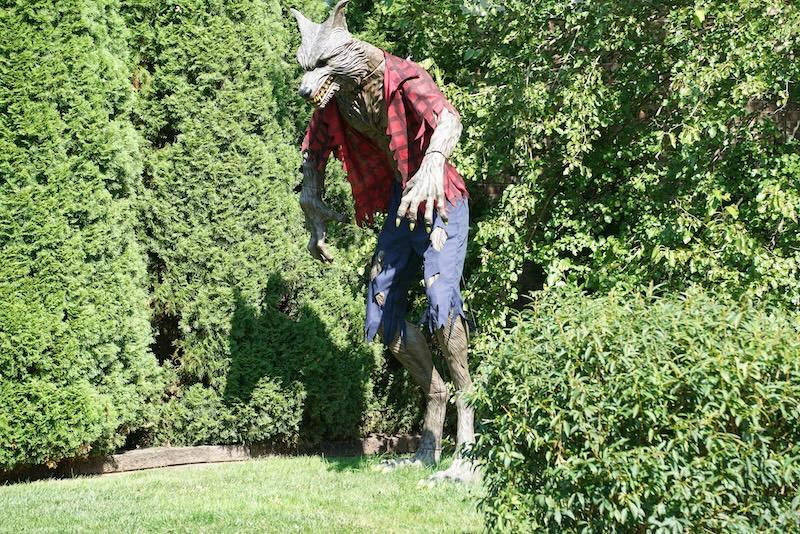
Monstrous literary origins
Worthy of noting is that werewolves were recorded way back in ancient times, long before vampires. People have believed in werewolves for thousands of years and so they’re historically one of the very first monsters in existence. It makes sense because the wolf was certainly humanity’s rival when it came to hunting for food and for survival. Thank goodness times have changed.
The first werewolf that has survived in Western literature is King Lycaon of Arcadia. His story is told by Roman poet Ovid in Metamorphoses, where he challenges the god Jupiter about his divinity. King Lycaon kills a hostage and then boils and roasts the dead body’s flesh to present it to Jupiter at a banquet. He also attempts an assassination of Jupiter and pays the deadly consequence of being transformed into a wolf.
Ovid’s story is the oldest surviving complete source, but there are other versions told by Greek mythology—such as by Hesiod and Xenocles the Elder—that have been lost or found incomplete. Greek mythology has alternative changes to the story, such as that the human flesh came from King Lycaon’s son or an abducted child, but what is most interesting is that Greek mythology gives us the word ‘lycanthropy’. Derived from the combination of the Greek words lykos (wolf) and anthropos (man), lycanthropy is the condition or the curse of turning into a wolf, thus creating our werewolf.
We owe much to the Ancient Greeks, especially as the UK’s first record for the word werewolf was a term written by King Cnut, King of England (1016-1035), in medieval legal codes to refer to demons and the Devil. Medieval society referred also to those outcasts from society as caput lupinum (wolf’s head), which is why it is almost perplexing that soon in the 12th and 13th century, the werewolf became very popular in literature.
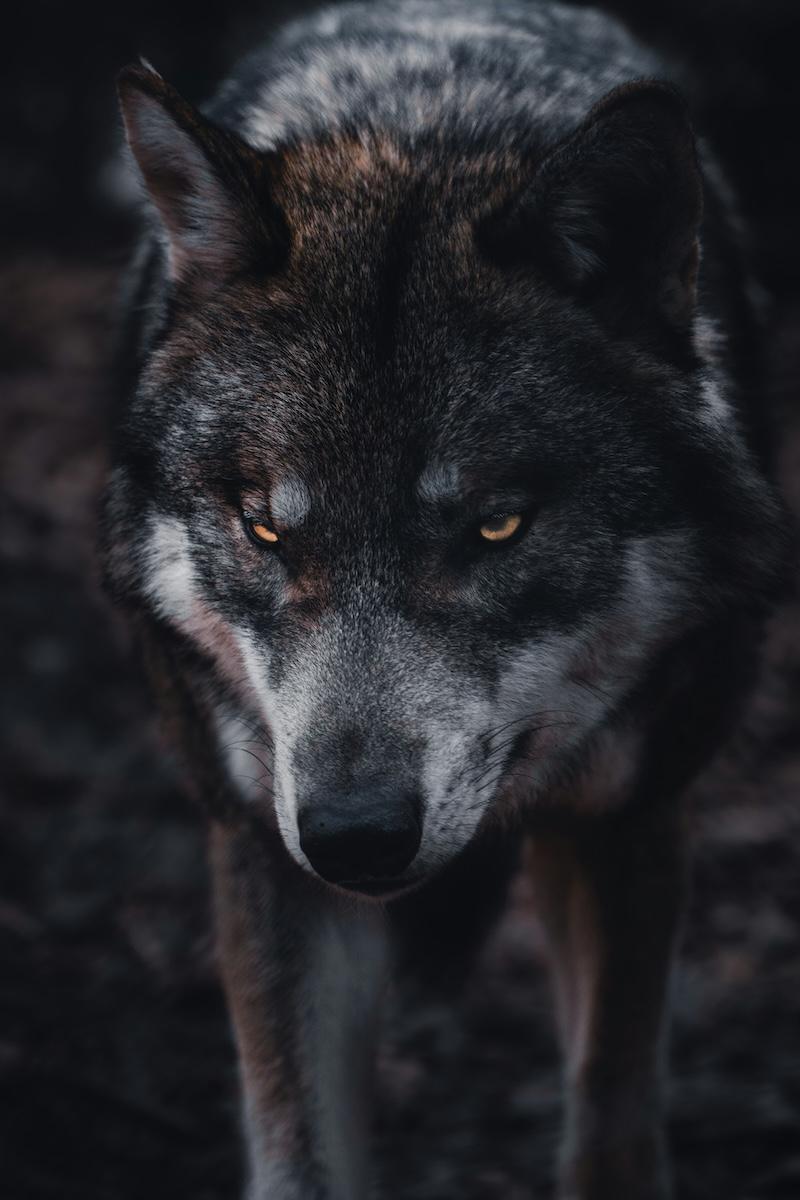
(Photo by Chris Ensminger on Unsplash)
From romantic hero to monstrous outsider
The werewolf was rebranded in romantic medieval literature as noblemen and knights who were brave, kind, and chivalrous, though with the condition of turning into a wolf. One of the most famous literary werewolf knights is Bisclavret by Marie De France. As one of twelve lais (or short poems), Bisclavret was originally written in French. Marie De France was born in France (hence her pseudonym) and lived in England where her work was known at the royal court of King Henry II. Bisclavret tells of a baron in Brittany who reveals to his wife that the reason he vanishes three days a week is because he is a werewolf. In order to return back to a human, he must hide his clothing, and once the wife learns of this, she uses this to her advantage. She tells a knight who is in love with her; once her husband doesn’t return, she marries the knight. The lais ends with the truth revealed, the Baron becomes human with lands restored, and the wife and her lover are banished—but not before the Baron-as-werewolf bites his wife’s nose off. The Baron is never punished for his actions as a werewolf.
This romantic werewolf didn’t last, though, as society still feared the creature. There were real criminal cases and trials from the 16th century to the 19th where people were accused or confessed to turning into a wolf; this laid the foundation for the condition clinical lycanthropy. Bear this historical background in mind because in 1812, Grimm’s Fairy Tales was published. The Brothers Grimm wrote Little Red Riding Hood (known in German as Rotkäppchen, or Little Red-Cap) and it has become a favourite children’s fairytale. Let’s be clear though: their Big Bad Wolf wasn’t a shapeshifting werewolf but a real predator; the werewolf connection would come later in alternative retellings. However folklorists do believe that the historical context of the werewolf trials evolved the Wolf character.
Little Red Riding Hood has deep oral roots, too, which some claim may have originally had a werewolf character. Sadly we’ll never know for certain, but it is undeniable that this tale had a strong influence on future media with its themes of innocence, seduction, and coming of age. Perhaps one of the most famous retellings is by Angela Carter. She explored these Red Riding Hood themes and more in her memorable short story The Company of Wolves in her collection The Bloody Chamber (1979). Carter makes the Wolf an actual werewolf and writes about lycanthropy and how men turn into wolves—but what is most shocking is that the girl, instead of being afraid, actually partakes and seduces him. The girl embraces her sexuality and is no longer seen as a victim, whilst the werewolf remains a monster and a villain for killing her grandmother.
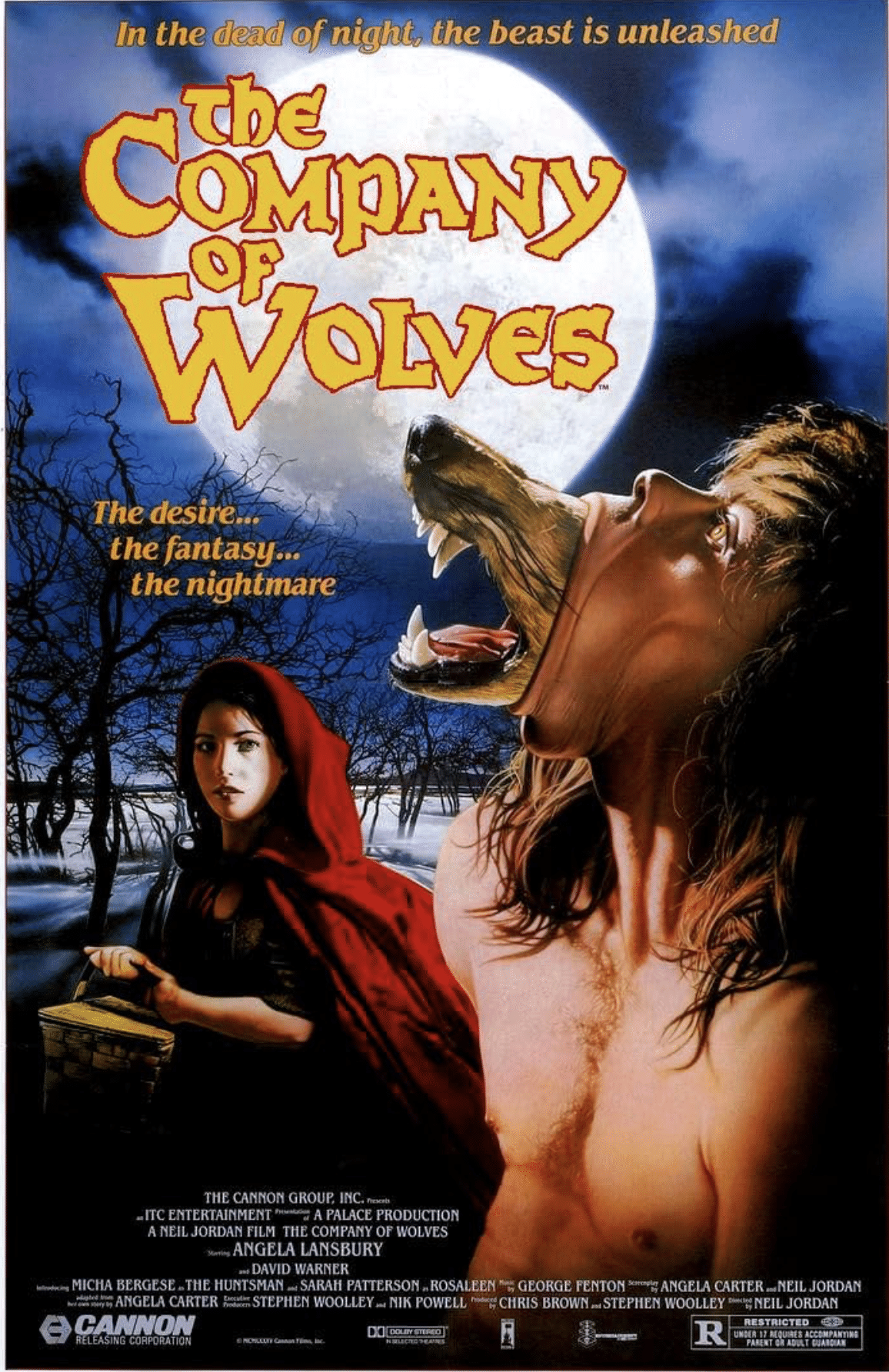
Werewolf recommendations
Werewolves remain terrifying with a sense of duality that is so compelling—but for me, personally, it is that they’re outcasts and monsters due to something that is completely out of their control. Call it a curse, a disease, a condition inflicted by a full moon or a result of wearing a wolf pelt. Regardless, doesn’t it sound like something we’re all familiar with? Disability. As a fellow disabled person, I can certainly sympathise more with a werewolf than with a vampire.
I can’t wait to see how werewolves will be perceived in the future. If you love them as much as I do, here are my cultural recommendations:
Music
- Werewolf by Motionless in White
- She Wolf by Shakira
- Howl by Florence and The Machine
- Of Wolf and Man by Metallica
Books
- Such Sharp Teeth by Rachel Harrison
- Bitten by Kelley Armstrong
- Mongrels by Stephen Graham Jones
- Newbourne Park by Jennifer Thorne
Films
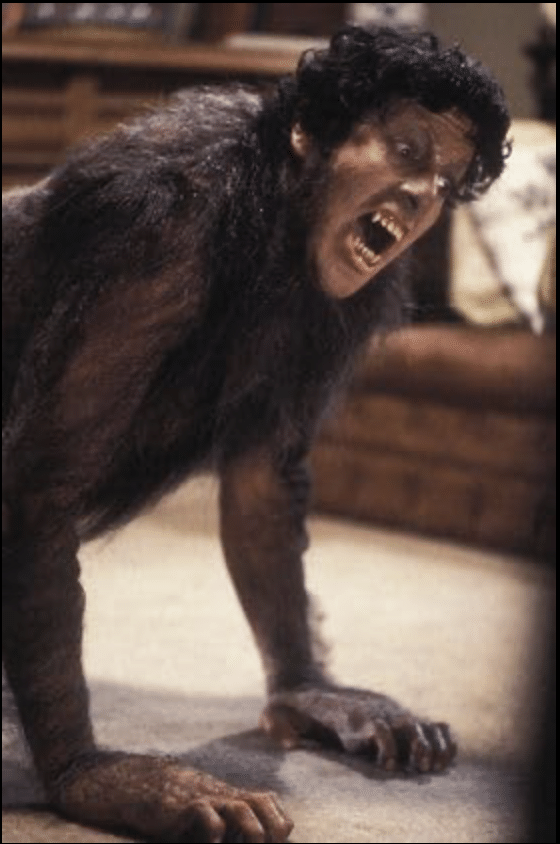
- An American Werewolf In London (1981, pictured)
- Dog Soldiers (2002)
- Ginger Snaps (2000)
- The Wolf Man (1941 and 2010)
TV shows
- Werewolf (1987)
- Teen Wolf (2011)
- Hemlock Grove (2013)
- Wolfblood (2012)
Meet the guest poster

Leave a Reply