The shortlisted works across all 13 categories of the British Fantasy Awards have been announced! Find out who’s in the mix over on our blog. Winners announced at Fantasycon in October.
For all things fantasy, horror, and speculative fiction
-
Announcement:
Classic Halloween Monsters: The Vampire
The countdown to Halloween has begun, and we’re ready to get spooky! But which monster should you disguise yourself as this year? Corinne Pollard is delving into some classic Halloween monsters to help you make your final call.
Time to do the Monster Mash! Like the plot from Ray Bradbury’s The Halloween Tree, I’ll be exploring the cultural origins of four classic halloween monsters that we have come to both love and fear. With each monster, I’ll recommend music, films, TV shows, and books to help you get into the mindset of the deadliest, most terrifying creatures that Hollywood and literature won’t ever let us forget.
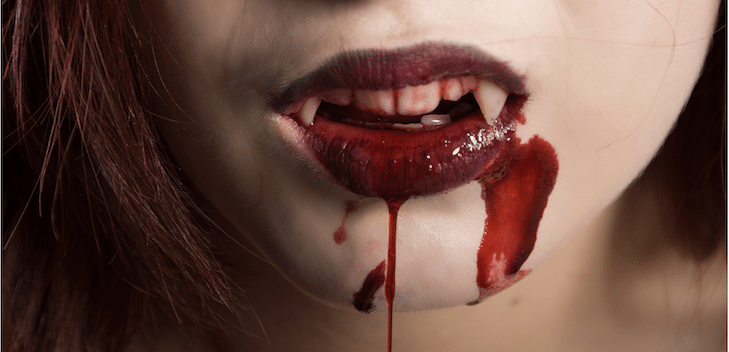
For part one, we have the bloodsucking, immortal, pale-faced creature we have come to know as the Vampire.
Monstrous literary origins
It is widely assumed that Dracula by Bram Stoker is the most popular vampire in literature—but he was not, in fact, the first. On the southern shore of Lake Geneva in Switzerland, five people gathered at Villa Diodati in 1816, amongst them scandalous poets Lord Byron and Percy Shelley. Indonesia’s volcanic Mount Tamboro erupted around this time, blocking out the sunlight all the way over in Europe, so 1816’s summer became an eternal darkness. Inspired by this event (and mostly out of boredom), Lord Byron set his guests the challenge of writing ghost stories. He had no idea what his competition would give birth to.
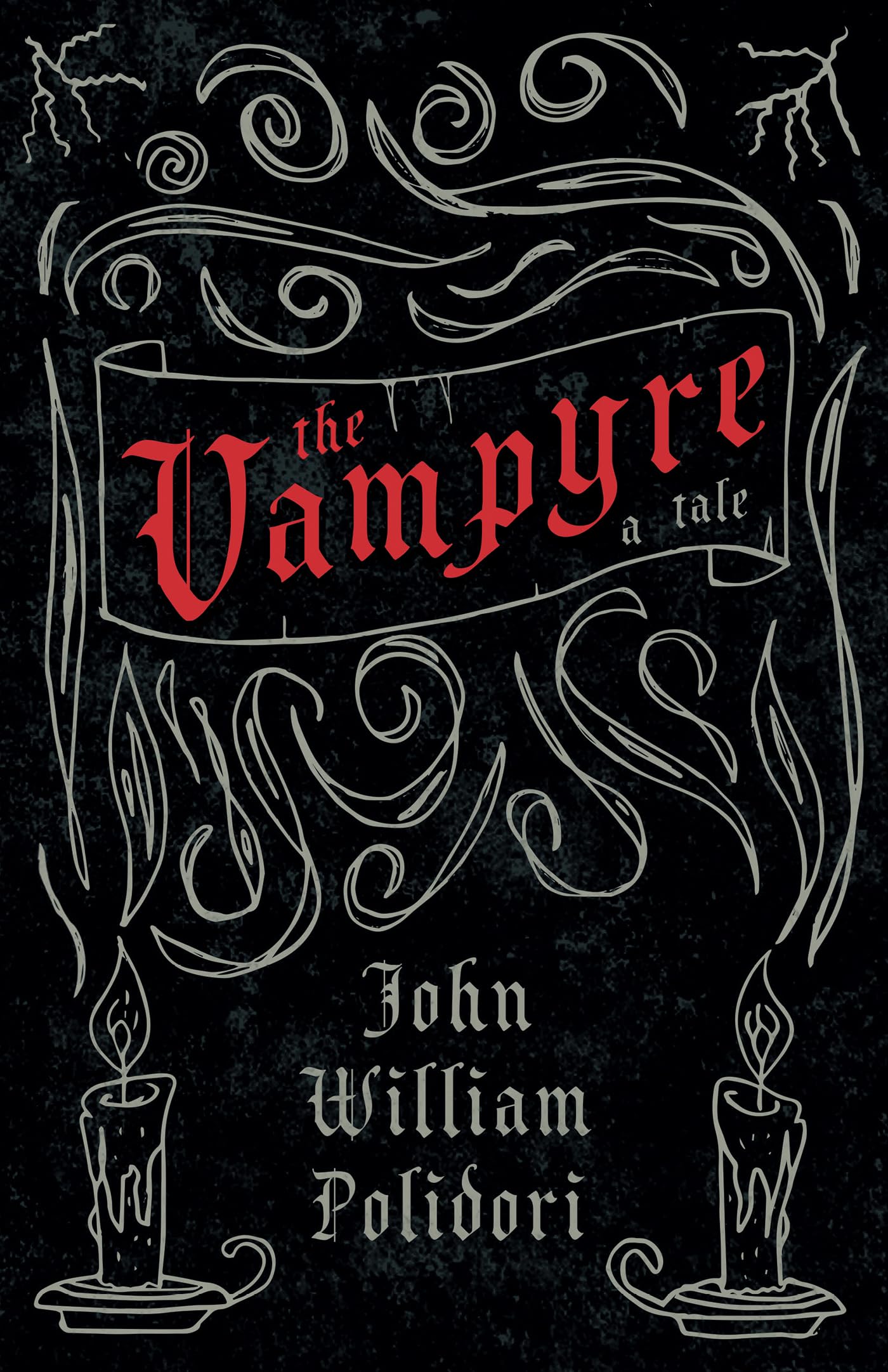
You may have heard this tale before, for it was Percy’s wife, Mary Shelley, a girl of 18, who horrified her companions, and then later the world, with her Frankenstein or The Modern Prometheus, but another monster was born that day. Inspired by his host, Byron’s physician took the story told that day and expanded it into the short work of prose fiction, The Vampyre, widely considered the first literary vampire work. Society initially mistook the author to be Lord Byron, making it very popular before John William Polidori took full ownership. If Lord Byron was displeased by Polidori’s actions, he would’ve been furious when he read that the vampire character, Lord Ruthven, was based upon himself. Polidori turned the vampire known in folklore—something dead that drank blood and caused many deaths—into a romantic nobleman, a wealthy figure with power and an insatiable greed.
After Polidori, another vampire rose from the grave and it lay the foundations for Dracula 25 years later. Published in 1872, Carmilla by Joseph Sheridan Le Fanu is a gothic novella with the first literary female and sapphic vampire. Originally published in a magazine, Carmilla is about 19-year-old Laura, who lives in Austria and becomes friends with a mysterious young girl called Carmilla. The plot has classic Gothic tropes blended with vampire lore while challenging Victorian social norms on female roles, intimacy, and sexuality.
Irish author Sheridan Le Fanu, born in Dublin 1814, was trained to be a lawyer but would instead become known as a great Gothic writer. He was most talented at crafting an atmosphere of creeping dread rather than cheap tactics of gore and shocking scenes. Even the great ghost story writer M.R. James championed Le Fanu’s work as “absolutely in the first rank” and openly acknowledged him as having an enormous influence on the ghost story genre. Le Fanu seemed to be a true horror writer, capable of tackling not just ghosts, but vampires too.
Out of the shadows
Stoker’s Dracula flapped his wings onto the literary scene in 1897 and the world then exploded with Hollywood films, book retellings, and even a ‘Dracula Experience’, a walk-in tour in Whitby that you can experience to this day. Such is the character’s influence that I don’t think I need to actually dive deep into why Dracula remains current. Bram Stoker uses a tactic of telling the narrative through letters, diary entries, and newspaper articles which makes the events seem real even now.
In recent years, Derby—the cathedral city in the East Midlands of England—has revealed that Dracula was actually born there. Not the literary one, but the theatrical one. On 15 May, 1924, the first stage production of Dracula was held at Derby’s Grand Theatre, and Dracula was turned from a monstrous rat-like creature, as described in the novel, into a cape-wearing aristocrat not unlike Polidori’s vampyre. This adaptation would later inspire Bela Lugosi’s 1931 film portrayal, the first authorised sound film of Dracula, and we all know how much inspiration Lugosi gave future generations—or, at least, their vampiric costumes.
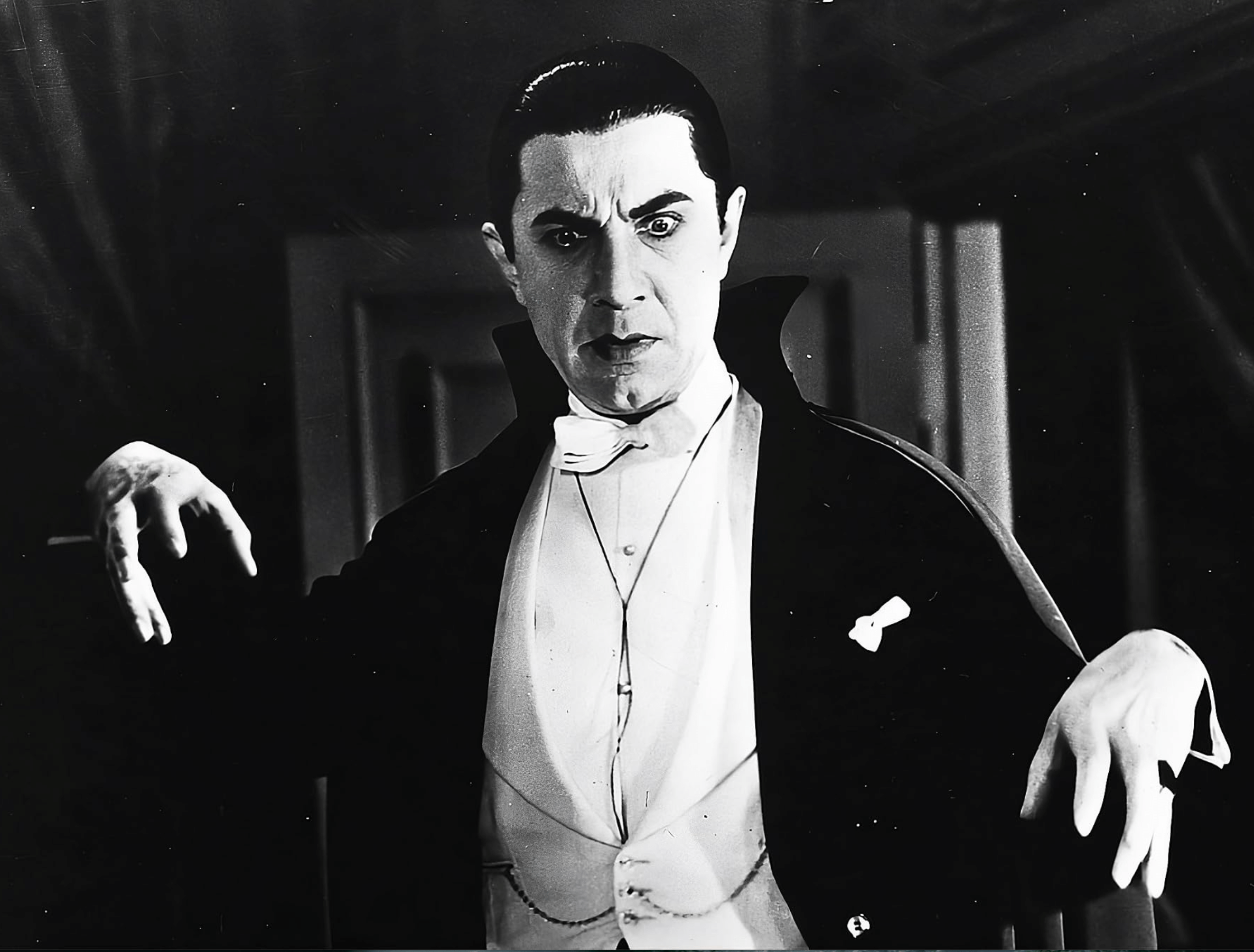
Dracula outshadowed other vampire characters until 1976, when Anne Rice’s Interview With The Vampire spawned a vampire revolution led by Lestat de Lioncourt. With her complex and romantic antihero (who seems at times insane), Rice made the gothic vampire a flawed, powerful immortal whom modern audiences could sympathise with. If you haven’t seen the recent TV adaptation of Interview With The Vampire, I assure you that you’re missing a treat.
Vampiric recommendations
Vampires are still terrifying, a law unto themselves, yet their stories are now thoroughly explained in detail even down to their toilet habits.
I can’t wait to see who the next vampire icon will be and what they’ll bring to this iconic monster. If you love vampires as much as I do, here are my cultural recommendations. And do let me know if you decide to inhabit the vampire for your spooky season!
Music
- Cry Little Sister by Gerard McMahon
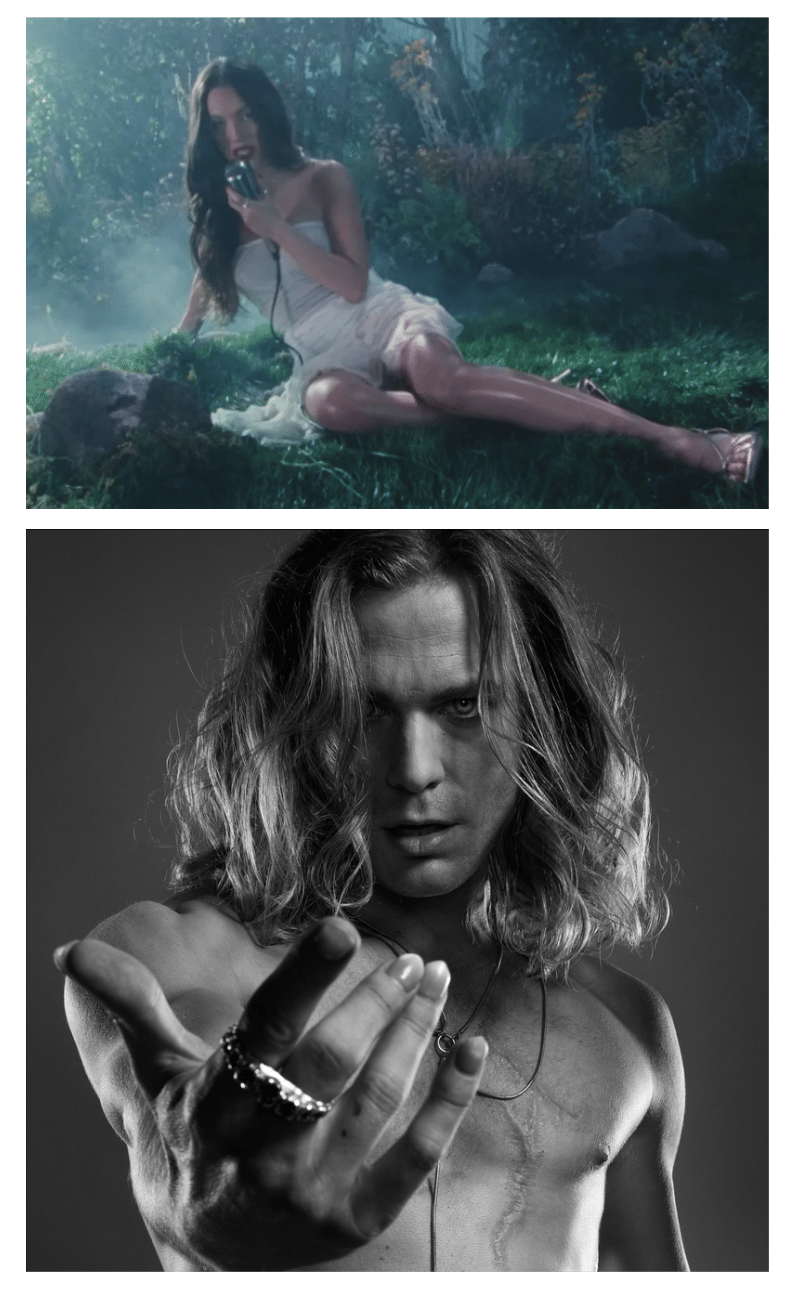
- Vampire by Olivia Rodrigo (pictured)
- Bloodletting (The Vampire Song) by Concrete Blonde
Books
- Dracula by Bram Stoker
- Guilty Pleasures by Laurell K Hamilton
- Dark Prince by Christine Feehan
- Cirque Du Freak by Darren Shan
Films
- Salem’s Lot (1999 and 2024)
- The Lost Boys (1987)
- Sinners (2025, pictured)
- Nosferatu (1922 and 2024)
TV shows
- Interview with the Vampire (2022, pictured)
- Buffy the Vampire Slayer (1992)
- Castlevania (2017)
- What We Do In The Shadows (2019)
Meet the guest poster

Leave a Reply