The shortlisted works across all 13 categories of the British Fantasy Awards have been announced! Find out who’s in the mix over on our blog. Winners announced at Fantasycon in October.
For all things fantasy, horror, and speculative fiction
-
Announcement:
Ask an Expert: June 2026
In this monthly column, we pose your questions to an expert in a specific field of speculative fiction and the wider ‘industry’. This month we pose your questions about writing asexual characters to author Lexy Hudson.
This month: Writing asexual characters with Lexy Hudson
Name: Lexy Hudson
Website: lexyhudson.co.uk
Specialism: Asexual characters
Follow: Instagram
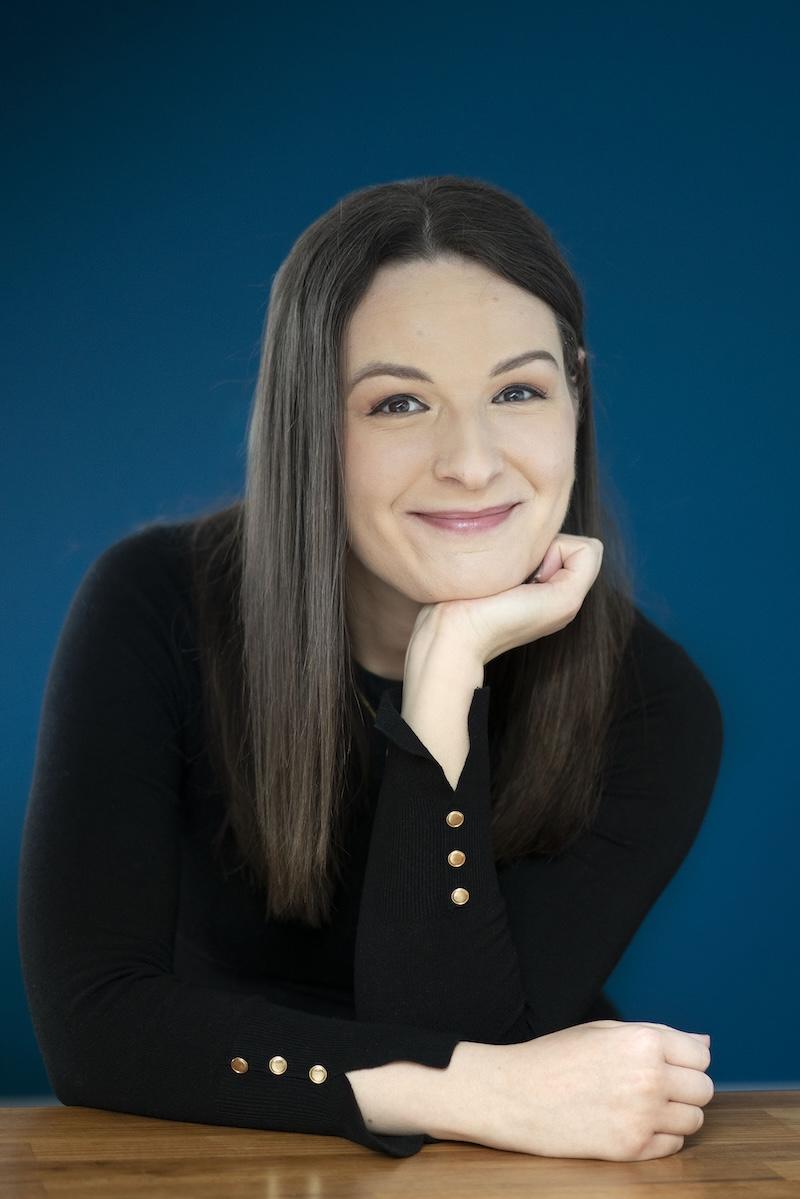
Lexy Hudson is a writer and copy-editor from North London, with a three-year detour to the University of York to earn her BA in English and Philosophy. She writes fiction reviews for the bi-monthly magazine Strong Words, and can usually be found browsing bookshop shelves, drinking coffee and fawning over dogs, sometimes all at once. A versatile SFF author, she loves to write genre-blending novels about ordinary people in extraordinary situations.
Do you have any advice on writing explicitly asexual characters (as opposed to ‘not interested yet’, ‘haven’t found the right one’ or ‘too busy saving the world to care about more than that’ which seem to be the default assumptions for characters with no on-page romantic or sexual interest)
This is an interesting question to answer as the author of a book set before internet culture as we know it today (1980s-2000), before the word “asexuality” pivoted from a descriptor of cell reproduction to a human identity marker as valid as any other sexual orientation. It was something I had to confront while writing chapters from my heroine Trix’s point of view. I couldn’t use the word “asexual” at any point because it wouldn’t make sense in her historical context, so I had to spell it out in other ways. That’s often what you’ll find yourself doing too: your ace character either has to articulate to themselves, or to other people, that this is something they’ve thought about for more than five minutes. All of the examples you give – “not interested”, “haven’t found the right one yet” – are what an ace character would say to get other people off their backs and take unwanted attention off them, either because they don’t feel comfortable unpacking how they feel about sexual attraction in public, or because they’re still figuring it out for themselves. Consider more nuanced things that an explicitly ace character might say: “I’m not ruling it out, but it would take quite a lot to get me to feel that way towards someone”, or “sex is about as appealing to me as skydiving: I believe other people when they say it’s a magical, life-changing experience. I am happy for them; I could also live a long and meaningful life without ever going skydiving.”
As a kind-of follow-on, demisexual is often understood even less than ace. How would you write a demi character without it seeming like ‘i was lying about them being ace, they really are one of the afore-mentioned default assumptions’? (Me realising my main character is probably demi like me, and having no idea how to make her getting a boyfriend not seem like ‘she found the right one’. I did not know I was demi when I wrote that, and didn’t even know that the aro/ace spectrum existed)
This is a really important, valuable question; as someone who is not demi, I hope I can answer well enough on the community’s behalf, but would always defer to the experience of someone who actually is. That being said, the most straightforward approach might be to have your character go on a little journey of self-discovery, bringing her boyfriend into the loop along the way. To use an example from Wonders Never Cease: at one point, Trix’s friend Fiona is talking about how her sex life is in the doldrums – she wants to sleep with someone attractive, but doesn’t have a specific person in mind. Trix struggles to wrap her head around that – “My closest approximation was the feeling of intense hunger, ready to devour the first thing on offer.” It’s very easy for allosexual people to fall into the trap of “oh, well if they slept together after all then they can’t really be ace”; the thing to remember is that behaviour does not equal emotion. A demi person has little to no interest in sex without having first laid the groundwork of a deep, emotional connection with their partner.
I’ve been longing to ask someone this question. I’ve got a side character who is asexual and aromantic, and has a hard time dealing with those close to her, falling for her. Any advice for writing this in a realistic, sensitive way?
The short answer: ask an aromantic ace person. They can’t be expected to speak for the diverse community of aces around the world, but they can certainly help steer you in the right direction, or help you add some nuanced interiority which (through no fault of your own!) you might not be able to write yourself.
The slightly longer answer: if you want to aim for a realistic and sensitive depiction but don’t know how, do your best to avoid existing clichés and stereotypes. Don’t paint your character as someone who lacks empathy to the point of absurdity, or a genius who devotes all that extra brainpower to solving complicated mysteries (*side-eyes Sherlock*). Depending on how much time you’re spending with this character, I would also be very careful about giving her a history of sexual trauma; if this is integral to the plot, it’s important that you clarify (either by the character speaking for herself, through other characters, or through the narrator) that trauma does not cause asexuality, and that even if it did, that there’s nothing inherently wrong with being ace or aromantic. As long as you keep her humanity and personhood at the forefront, you can’t go far wrong.
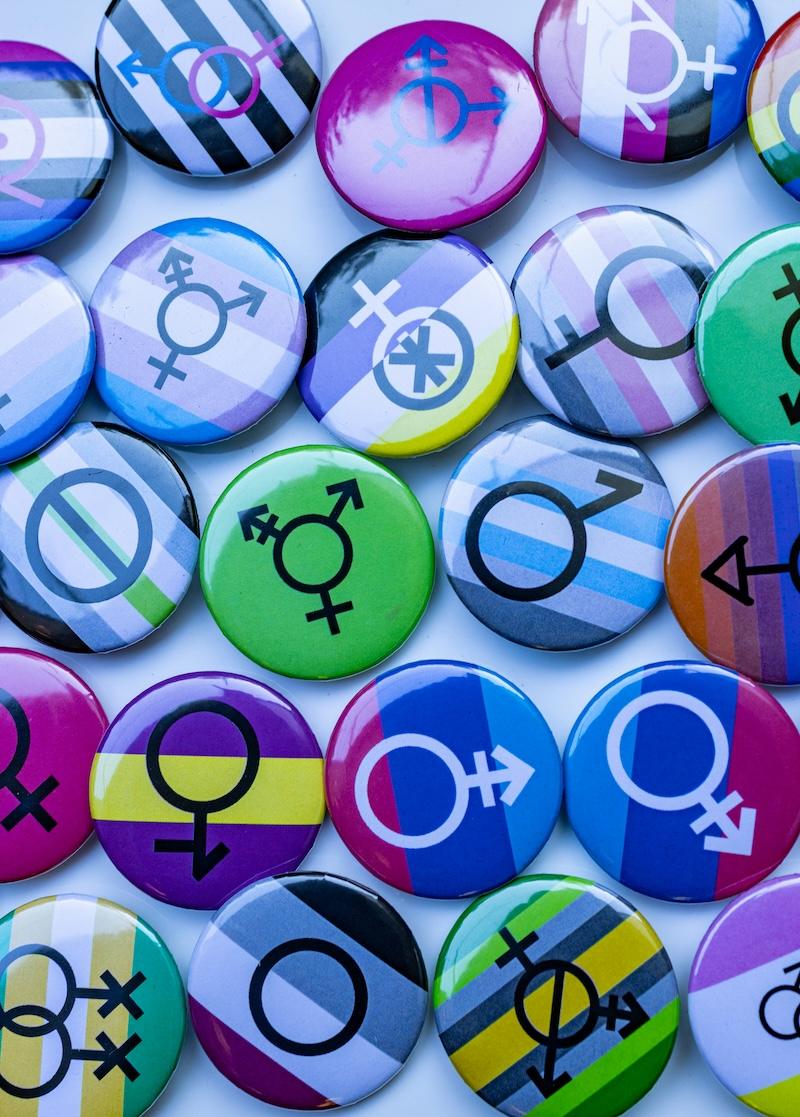
(Photo by Marek Studzinski on Unsplash)
Hello, fellow asexual author! How do you connect with readers (assuming you do) and do you have any experience/advice on getting speaking gigs as an ace author?
Hello! I’m glad you’ve asked this question, because it’s something I only realised I’d have to navigate in the months leading up to publication: “wait… people are going to read this. They’re going to have questions about it. I’m going to have to answer them. OH NO.” But actually, wouldn’t you know it, all the readers I’ve met so far have been delightful. Hearing people say that my book has made them feel seen, and validated, makes me well up every time, because that’s exactly why I wrote it. As for the “how” of it: because I’m traditionally published, I have a lovely in-house publicist who arranges events for me (hi Bahar!), like my panellist slot at the most recent London Comic Con, or my interview with fellow Titan author Rym Kechacha at one of the BFS’s monthly author events. Otherwise, readers send me incredibly kind messages on Instagram. If you want to be proactive about arranging speaking gigs for yourself (and this is good advice for authors in general, ace or otherwise), get in touch with your local library and your local bookshop, whether it’s an indie or a Waterstones. If you foster genuine connections with the staff and approach them with a clear idea of what you’d like to do, you could make some great things happen!
Now that we’re beginning to see more asexual characters, are there any specific parts of the spectrum you’d love to see highlighted, and conversely, what tropes/stereotypes should be avoided?
I am so relieved and heartened that finally – finally! – the number of books with ace representation is climbing into the hundreds. What I’d like to see now is greater recognition that asexuality is a spectrum unto itself: you have aromantics, demisexuals, homoromantics, gray-aces, and heteroromantics (like me!). It would be great to have stories featuring a little ensemble of ace characters who have distinct identities, as well as stories that normalise relationships between ace and non-ace people. As for what I’d like to see less of, the aforementioned “too much of a genius for sex” trope needs to be retired. I also hate it when characters who express an aversion to sex, pornography, or talking about sex in public are immediately written off as “uptight”, “killjoys”, or “prudes”. That brings back pretty horrible memories of the alienation and self-consciousness I experienced growing up (and to some extent still experience even now), when I was made to feel like there was something wrong with not wanting what everyone else seemed to want.
Not too long ago I read a novel that featured a memorable side character who happened to be asexual. It was doing all the right things in terms of representation, but shortly after this character disclosed that they were ace, the narrator spent half a page describing how certain things this character chose to surround themselves with reflected how “cold” they were, which made me sigh. Please don’t portray us as cold if you can avoid it. Ace people often already feel insecure about whether they’re giving enough in relationships, or inadvertently driving people away by coming across as aloof or unapproachable. More “warm” ace characters, please!
I think infantilisation is a common pitfall that can be incredibly frustrating to encounter in fiction – the idea that a character who has no interest in sex is somehow more innocent and less worldly than allosexual characters. It’s reductive, boring, and false: ace people can make dirty jokes, they can be clued-up about sexual health and the struggles that other people encounter even if they themselves haven’t. On a similar note, writers should always take care in their portrayal of characters who are ace and disabled, because these two identity markers are often conflated, with one implied to have caused the other, when that’s just not true. There are plenty of disabled aces, and there are also plenty of disabled people with active sex drives who are rightfully fed up of being assumed to be asexual when they’re not. You can’t tell if someone’s ace just by looking at them.
Finally, I would love for allosexual writers to treat ace characters as worthy of being main characters, rather than always relegating them to a friend/colleague/random person who appears in one chapter.

Representation is so important, for those who feel seen and so others can get a window into different experiences. So do you have recommendations for books (or other media) that are good expressions of aspects of the aro/ace spectrum?
One of the reasons why I wrote Wonders Never Cease is because I didn’t encounter a story that explicitly used the word “asexual” to describe someone in a non-derogatory way until All the Birds in the Sky by Charlie Jane Anders: the narrator mentions, as an ironic aside, that a very attractive nightclub singer is asexual. This character is only mentioned once and never seen again, but for me, it was huge! TV-wise, Season 2, Episode 4 of Sex Education was the first time I watched a named character realise, out loud, that she experiences romantic attraction but not sexual attraction. I think that scene where Florence is talking to Jean in her counselling office is a useful clip to direct people to if they want a very quick introduction to the concept of being ace.
More recently, Kerry Andrew’s novel We Are Together Because features a teenaged character considering the possibility that they’re ace, and it’s a thought they kept returning to throughout the novel, trying it on for size, which I think will ring true for a lot of people. There’s also Alice Oseman’s Loveless, a full-length novel about the heroine discovering that she’s aromantic as well as asexual, and finding connections with other aces at university. Otherwise, we’re still pretty thin on the ground, representation-wise. I feel like I’m waiting for mainstream media to finally realise that the “asexual experience” isn’t a monolith that can be neatly dealt with in one episode, or one page, but that it’s an entire world of different experiences with just as many highs and lows and nuances as allosexual stories.
I’m really looking forward to reading the answers to these questions, especially as reviewers have said my character is aroace with a demi awakening and I really didn’t realise until they said. I need to learn this stuff better. I suppose my question would be, what are good resources for writers who want to learn how to do more thoughtful rep?
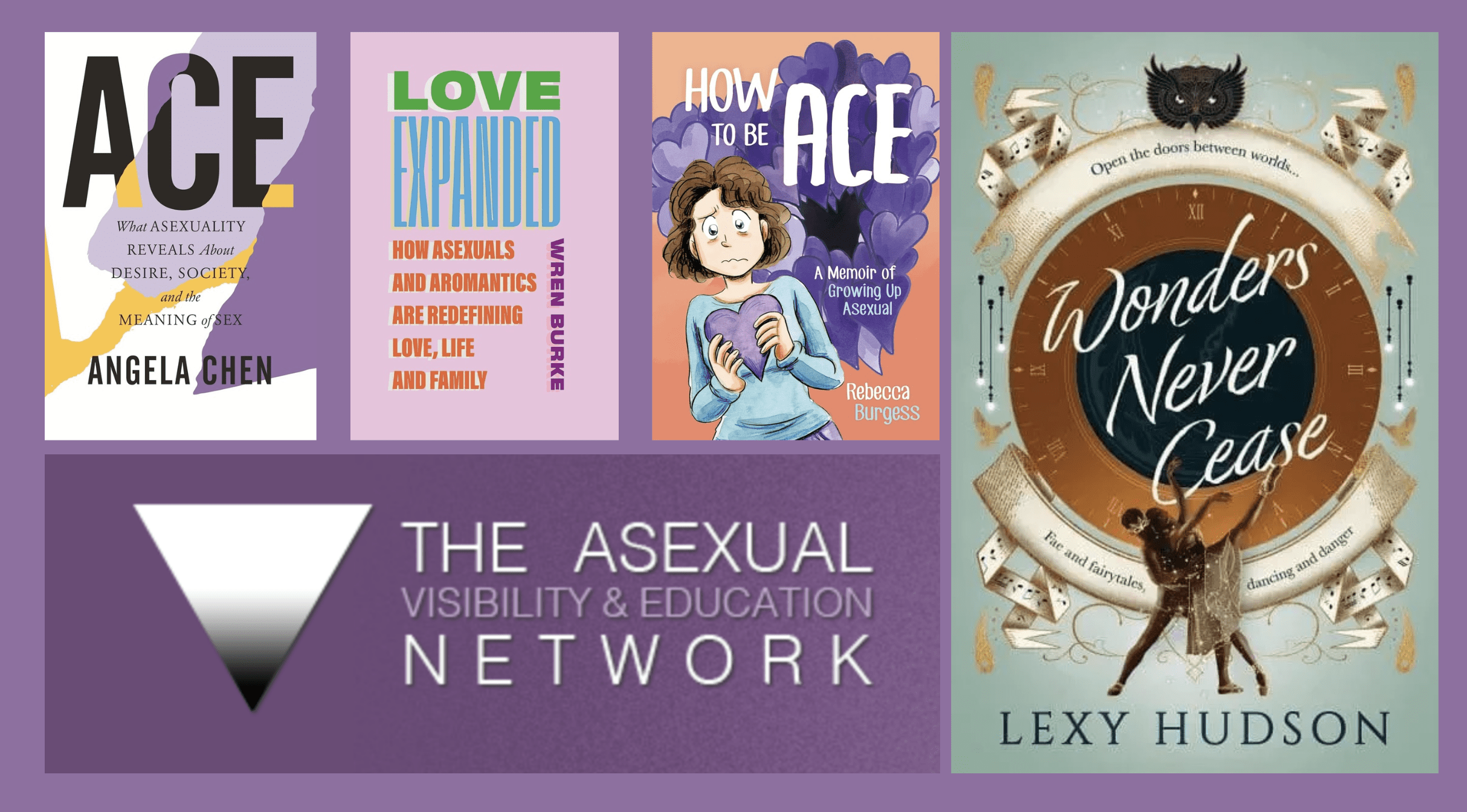
Nothing really beats connecting with ace people in real life (or over the internet, whatever works). In terms of media resources, however, I highly recommend Angela Chen’s Ace: What Asexuality Reveals about Desire, Society, and the Meaning of Sex; Wren Burke’s Love Expanded: How asexuals and aromantics are redefining love, life and family, and How to Be Ace: A Memoir of Growing Up Asexual by Rebecca Burgess. And, of course, there’s AVEN (The Asexuality Visibility and Education Network): asexuality.org. It feels weird to add “and my book!”, but I really mean it. I wrote an asexual romance because I’d never read one. While Trix is not me, and her experiences are not mine, the emotional journey she goes on is pretty much exactly what I’ve gone through too. So, yeah, I’ll add Wonders Never Cease to the list. May the list keep on growing!
Will be very interested in this, as my own WIP (horror/dark fantasy, historical settings) has an asexual protagonist – part of the premise of the whole novel-in-episodes, in fact. Any advice for writing asexuality in an historical setting?
Another excellent question! You have to talk around it. There’ll be a lot of defining how the protagonist feels against the norms of whatever historical era they inhabit. What would their sexual education have looked like, if they even had any? What would be considered “normal” for their peers, and at what age would they suspect that their own experience might be diverging? I didn’t learn about asexuality until 2012; up until then, I’d known something was different, but couldn’t put my finger on why. It takes longer to figure out your identity when it’s largely defined by the absence of something, rather than the presence of something different (e.g. being gay). I assumed that the rest of the world was normal and I was the problem. This will either cause your character a lot of angst, or they’ll take it in their stride.
Have you faced any backlash from non-romantic asexual readers for “focusing” on asexual romance? It feels like asexuality, being such a wide umbrella term, is expected to do so much for so many very different people…
Not yet, but the night is young. No, but really, if there are readers who feel that way, I haven’t heard about it. I’d understand where they’re coming from, wanting to see their own experience represented and feeling frustrated when that doesn’t happen. But, to quote the late, great Toni Morrison: “If there’s a book that you want to read, but it hasn’t been written yet, then you must write it.” The more publishers invest in ace stories, the greater the diversity of stories we’ll have, and then there won’t be this pressure for one story to speak on behalf of millions of people at once.
That’s actually a good question: how to make it clear a character is ace if they never have any on-page romantic interactions?
I suppose it depends on whether they’ve realised that they’re ace yet, especially if your story is set pre-internet or if, for whatever reason, asexuality just isn’t in their vocabulary. If they do already know, then the simplest solution is to write a dialogue or some other scene where they say, matter-of-factly, “I’m asexual. For me, that means…” Or you could have two ace characters discuss how their respective attraction levels differ. You could have an ace character be approached by someone with sexual/romantic intentions, prompting them to say, “wow, very flattered, but alas, not my vibe”.
Read previous columns
Ask an expert
- May 2026: Subgenres of Sci-Fi, Fantasy and Horror, with Tiffani Angus and Val Nolan
- April 2026: Staying creative while life happens around you, with Shona Kinsella
- March 2026: Writing comedy and being funny, with Richard Sparks
- February 2026: Writing romance, with PS Livingstone
- January 2026: Writing TTRPGs and working with existing IP, with Alasdair Stuart
- December 2025: Creative coaching, with Dr Rachel Knightley
- November 2025: Crowdfunding, with Fio Trethewey and Georgia Cook of The Holmwood Foundation
- October 2025: Creating darkness, with Daniel Willcocks
- September 2025: Working with book bloggers, with Kayleigh Dobbs of Happy Goat Horror
- August 2025: Websites for creatives, with E.M. Faulds
- July 2025: Anthologies, with Dan Coxon
- June 2025: Self-publishing, with AK Faulkner
- May 2025: Indie presses, with Black Shuck Books’ Steve J Shaw
- April 2025: Being a traditionally-published author with Adrian Tchaikovsky
- March 2025: SFFH artwork with Jenni Coutts
Ask an agent, with Laura Bennett: