The winners of the British Fantasy Awards 2026 were announced at Fantasycon. Find out all the details on our blog.
For all things fantasy, horror, and speculative fiction
-
Announcement:
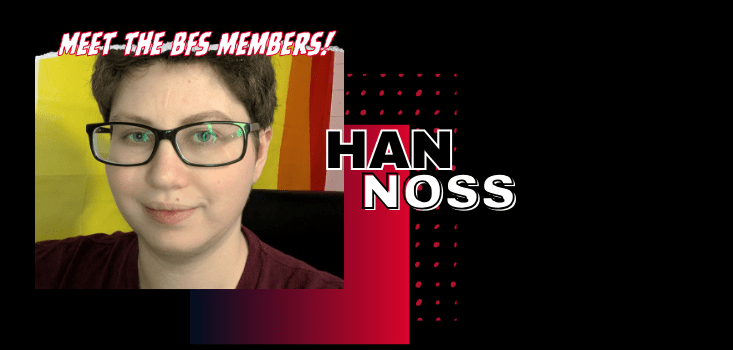
Meet Han Noss
Every Friday, we meet a member of the BFS and peer deep into their soul (or, at least, a form they filled out). Want to be featured? Email us: online@britishfantasysociety.org
Name, including preferred pronouns:
Han Noss (they/them)
Which region are you based in?
Hampshire, close to Winchester, so not quite South East or South West!
If you write, which genre (delete as applicable):
Fantasy and horror
If you don’t write, what do you do?
Outside of writing, I’m a proofreader and an authenticity reader, especially for fantasy and horror stories.
[Find Han’s blog for us about authenticity reading over here]
Are you drawn to any specific SFFH sub-genres?
I love dark fantasy, and I recently fell in love with writing short horror stories. When it comes to reading, proofreading, and authenticity reading, I’m always eager for magical academies, D&D-esque heroic adventures, dragons, dystopian, lost worlds, medieval fantasy, Greek and Norse mythology, anthropomorphic animals, and post-apocalyptic settings.
Your influences
Tell us about the book/film/thing that got you into SFFH: What was it? How old were you? What impact did it have on you?
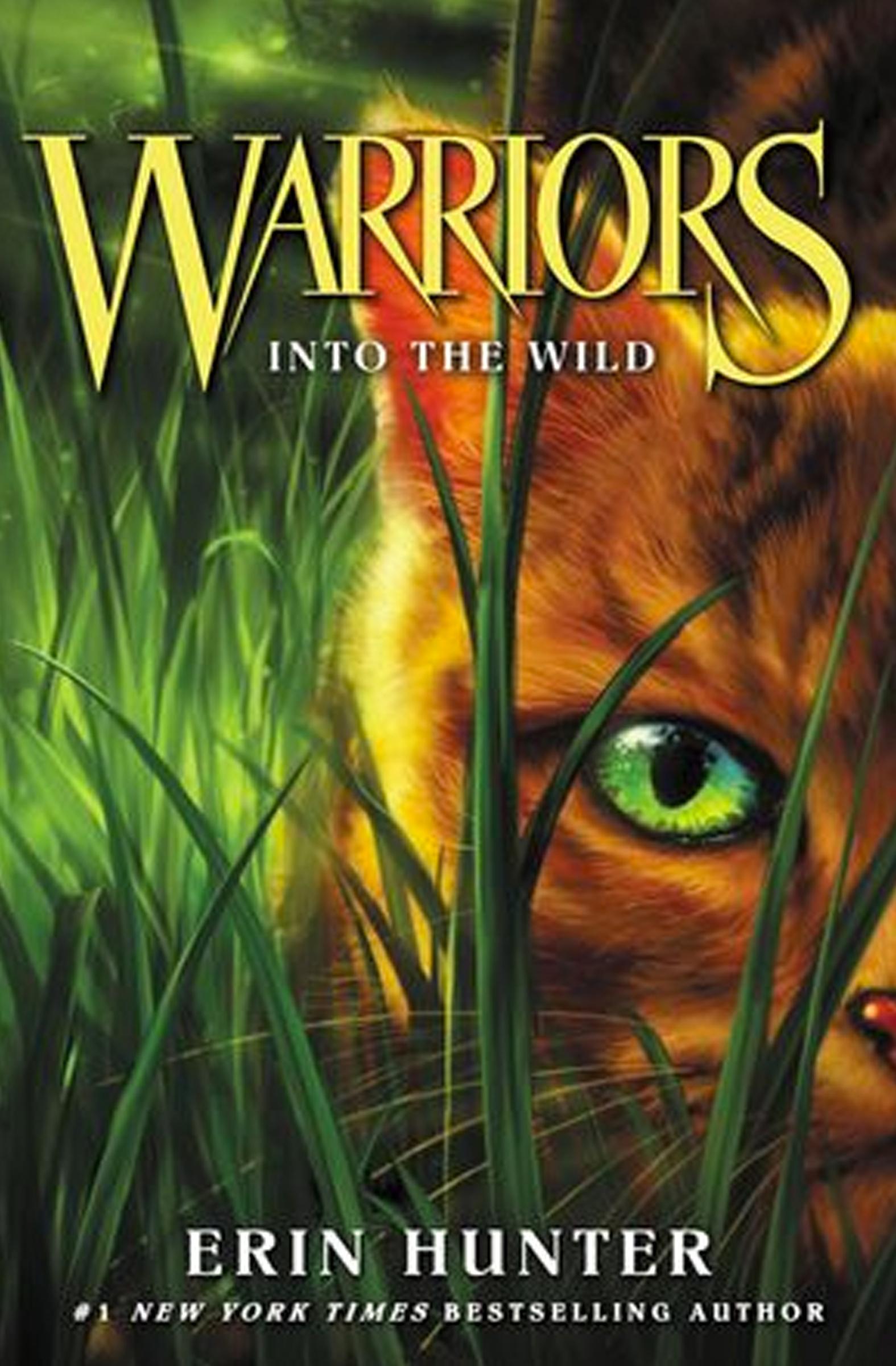
Many of the children’s SFFH I read early on had some theme of belonging involved, and I was obsessed with Warrior Cats by Erin Hunter for most of my early-to-mid teens. It definitely had the biggest impact on me, and I still have a fond love for animal fiction (I wrote a story inspired by Meerkat Manor when I was 12 which I somehow found the courage to share with my English teacher and school librarian).
Patrick Ness’s Chaos Walking trilogy was one of the book series that made me realise that books don’t always have to be written and printed in a set way; Night World by L.J. Smith showed me how coming-of-age can be different for everyone; Septimus Heap by Angie Sage embedded a still-occurring instinct to add ‘e’ to the end of words like ‘dark’ and also inspired multiple abandoned stories early on; and Power of Five by Anthony Horowitz spawned my love for adventurer parties and absolutely led to me getting into Dungeons & Dragons.
How does that early influence show up for you (in life/writing/agenting/publishing/editing/reading) now?
I’m still chasing the feelings of children’s and teen SFFH novels, where coming-of-age is explored in different ways and feels so much less regimented and clear-cut than a lot of mainstream SFFH I’ve read. Angie Sage has a chokehold on the worldbuilding style I still have, and I’m constantly craving new dystopian worlds that feel oppressive but uplifting all the same. I’d say some of my writing style pulls a lot from Warrior Cats even now, though I’m trying to explore more climate fiction (usually with a fantasy or horror lean) to improve how I describe nature. I recently discovered an old piece of writing from 10 years ago about a leopard, which I apparently wrote before I even started reading Ratha’s Creature by Clare Bell, so a very obvious link back to Erin Hunter.
When it comes to my work, I think these books are exactly what I want to work on as an authenticity reader; I think a lot of them appealed to me as a neurodivergent reader, but rarely did I find me in these stories. I’m non-binary, and most of the protagonists are people whose gender is never explored or even hinted to being anything other than the norm for that world. It didn’t ruin my reading experience when I was younger, but seeing non-binary and neurodivergent characters would have helped me find and understand myself better during a time where I was really struggling.
Where do you draw your creative inspiration from?
(Pictured: Han Noss holding the Reader’s Digest published Folklore, Myths and Legends of Britain, a family hand-me-down)
I obsess over writing prompts and names. I created a gender-neutral name generator mostly for myself because I keep getting drawn to the same names and since I was keeping a spreadsheet of names to myself already, why shouldn’t I share it? I write a lot of writing prompts online for other people as well, because I have too many ideas and nowhere near enough time to explore all of them. I’m also influenced by a lot of books I read, but not as much in the fanfiction-y way I used to; nowadays it’s themes or particular scenes that stand out to me where I want to try a new technique or situation to write.
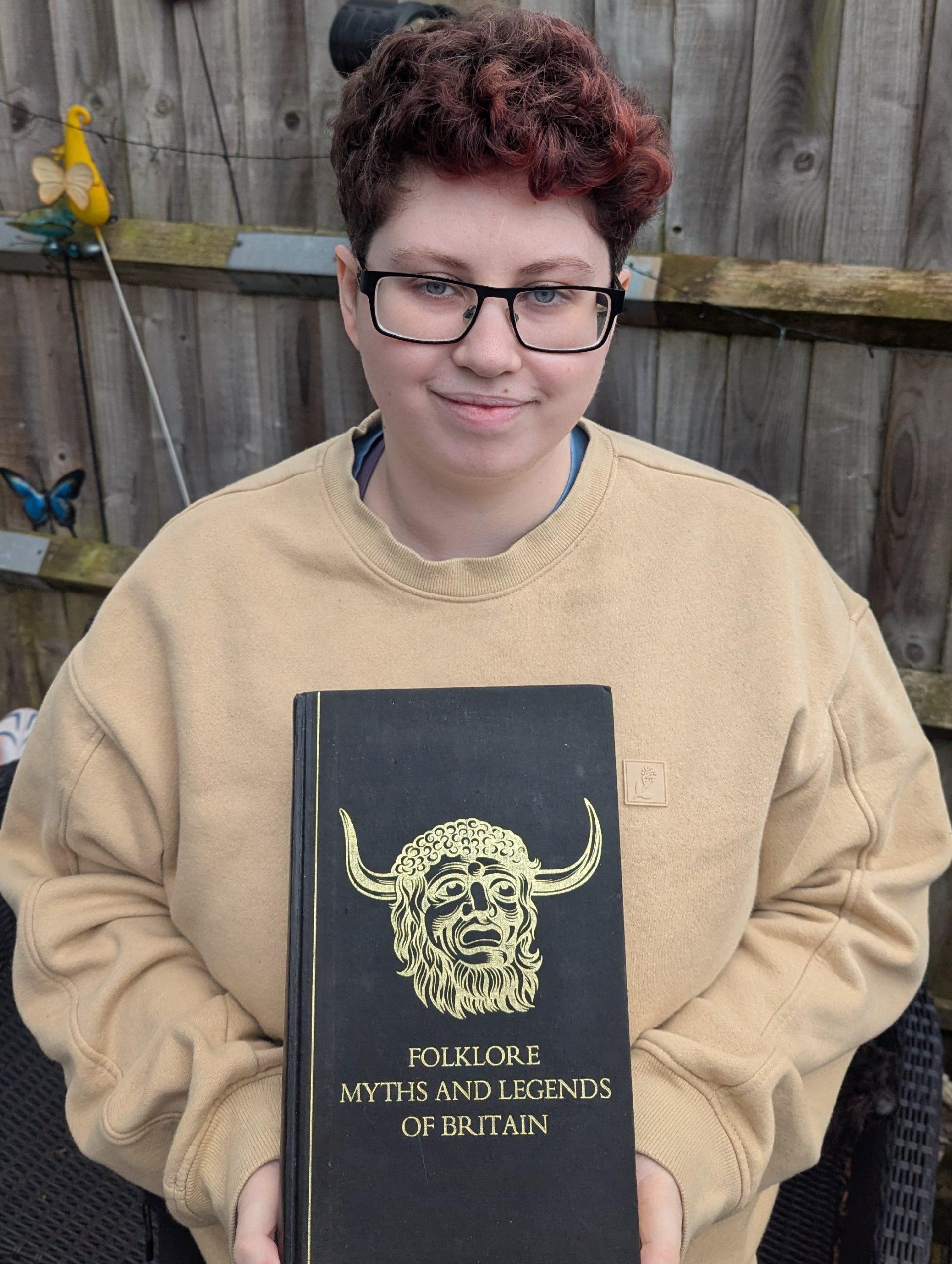
I’m also currently reading through Folklore, Myths and Legends of Britain, a hand-me-down hardback from Reader’s Digest, published in 1973. I unearthed it shortly after taking a Folklore & Mythology leisure course in Winchester, shared it with the tutor, and am utterly in awe of how much the book contains in 540 pages. I’m hoping to write pieces of flash fiction inspired by what I read in it.
Who do you look to as a genre hero? Why?
I compartmentalise sub-genres so much that it’s hard to pick even a few, but I think Leigh Bardugo and V.E. Schwab are writing exactly the kinds of books I would have obsessed over when I had more time to read.
Your Work
You’re stuck in an elevator for 60 seconds with that hero, and they want you to describe your work. Give us the pitch.
I’m creating stories that centre non-binary characters in worlds where gender fluidity and agender identities are normalised, inviting them into scenarios and worlds that explore natural environments and terrific, natural monsters.
What are you working on right now?
I have two main writing projects: one is a piece of horror eco-fiction with a post-apocalyptic vibe, and the other is a borderline-thriller cult piece that I want to explore as novella-in-flash, but I’m not sold on whether it will have more horror elements or more fantasy elements. I just watched Ready Or Not 2 so that’s going to have some influence on the latter.
Thinking about all the stories/work you’ve done, what sticks out most in your mind? Why?
I wrote a short story personifying imposter syndrome as an actual monster last year as a therapy exercise and I’m looking for a place to get it published. It’s gone through several iterations so far and it’s the story I feel the strongest and proudest about. Reflecting on it now, it definitely has elements of Chaos Walking about it and I wrote the first draft while sucked into Gallant.
Where and when do you create/are you at your most creative?
People from the London Writers’ Salon know I love my Saturdays for writing, because I love spending the whole afternoon/evening/night in a Zoom writing as much as I possibly can. I write the most flash fiction when I’m co-hosting the LWS Flash Fiction Room as well, most of which is speculative in some way. I’m definitely a night owl, so it’s not uncommon for me to stay up until three in the morning finishing something… or starting something else.
What’s the best advice you’ve received about creativity?
I saw a quote attributed to Terry Pratchett about how writing the first draft is you telling yourself the story, and it completely reframed how I approach drafting, redrafting, and editing. It’s become my mantra whenever I’m feeling stuck in my writing.
What’s your writing soundtrack?
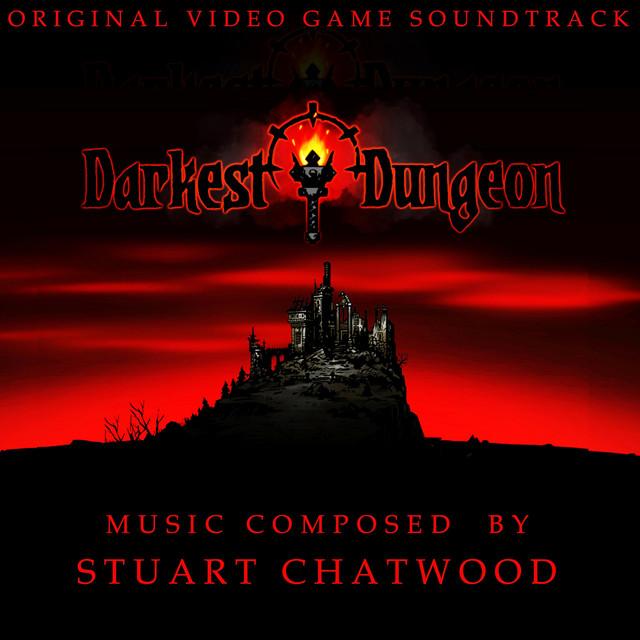
I love scores from games – for a while I couldn’t stop listening to the Darkest Dungeon soundtrack – but I have a playlist full of Hidden Citizens, Tommee Profitt, and UNSECRET. I also went through a recent phase of listening to The Traitors UK’s playlists on repeat.
The Quick-Fire Round
Sci-fi, fantasy or horror?
Horror
Quiet or loud?
Quiet
Dark or light?
Dark
Strict lines or genre blend?
Genre blend
Awards or bestseller?
Bestseller, I want my stories to reach as many readers as possible.
Fiction or non-fiction?
Fiction, I’ve only recently started actually reading non-fiction.
Poetry or prose?
Prose
Plotter or pantser?
Plotter, I love spreadsheets too much.
Reading or listening?
Reading, I don’t process audiobooks at all!
Notebook or computer?
Computer, but I’m trying to use notebooks more (considering I have a shop’s worth of stationery).
Favourite SFFH book of all time?
Too hard to choose one so my last five-star SFFH read: Silvercloak by L.K. Steven
Last book you read?
Cheating by narrowing it down to my last five-star read: The Full Moon Coffee Shop by Mai Mochizuki.
Any SFFH author on auto-buy?
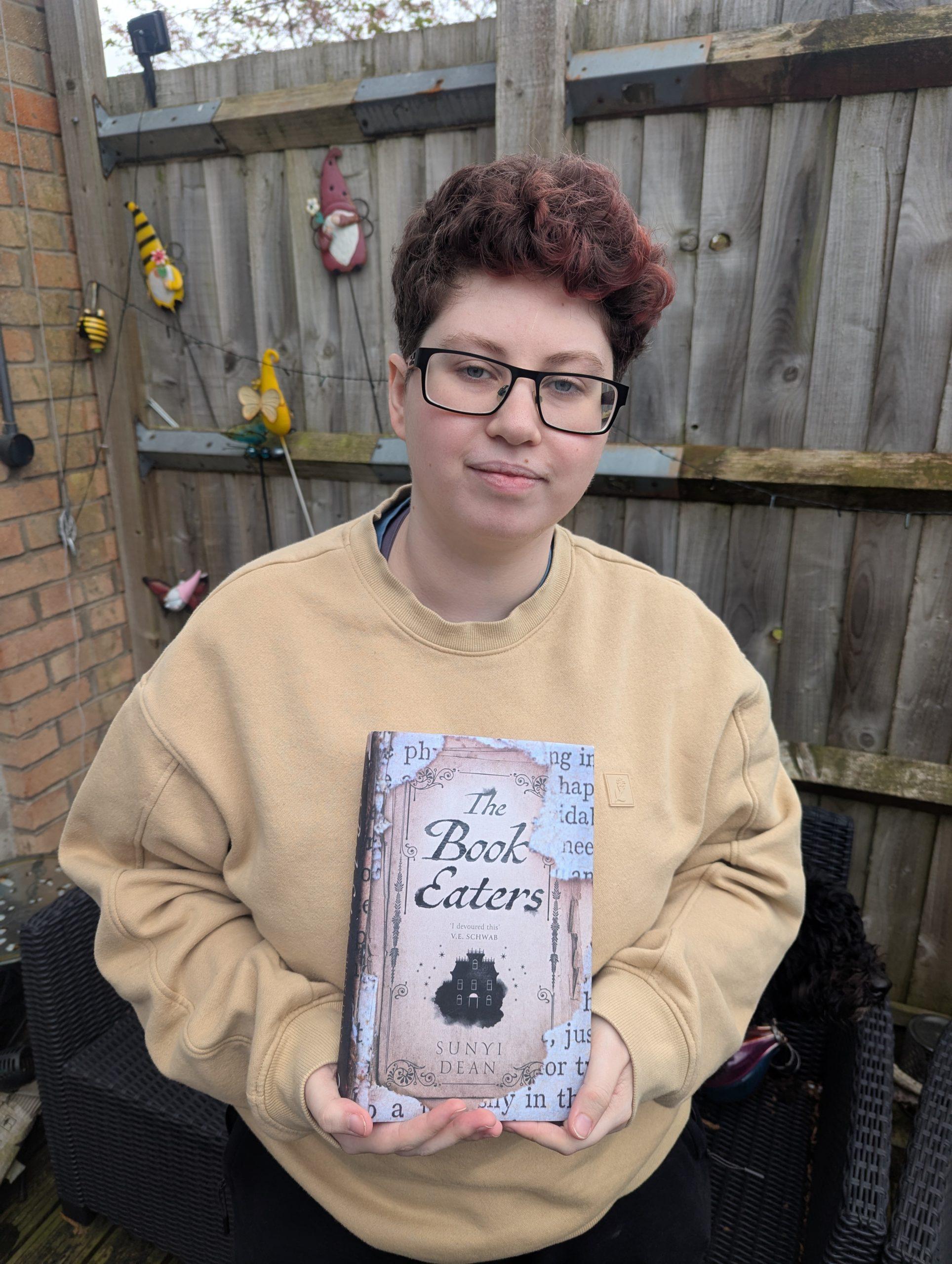
Sunyi Dean – I rarely buy hardbacks but I bought a signed hardback of The Book Eaters as soon as it came out.
Favourite podcast?
None, sadly, still searching for one I can process and enjoy at the same time!
(Pictured: Han Noss holding Book Eaters by Sunyi Dean)
The Home Stretch
What’s the best thing about being part of the SFFH community?
I’ve learned so much just from questions being asked in the BFS discord, and I’m constantly finding new opportunities because of what other writers are up to.
Time to plug your stuff! Where can we find you and your work? What have you got coming up? Consider this your advertising space.
My website hnossproofreads.co.uk contains everything about my work: proofreading for fantasy and horror stories, authenticity reading for neurodivergent characters, authenticity reading for non-binary characters, a ton of genre-specific or character-specific writing prompts, and my name generator.
I don’t have a writing presence by choice on social media but I’ll include a page on my website when I have some published stories to show off or shout about.