The winners of the British Fantasy Awards 2026 were announced at Fantasycon. Find out all the details on our blog.
For all things fantasy, horror, and speculative fiction
-
Announcement:
How Authenticity Reading Can Benefit Fantasy Writers
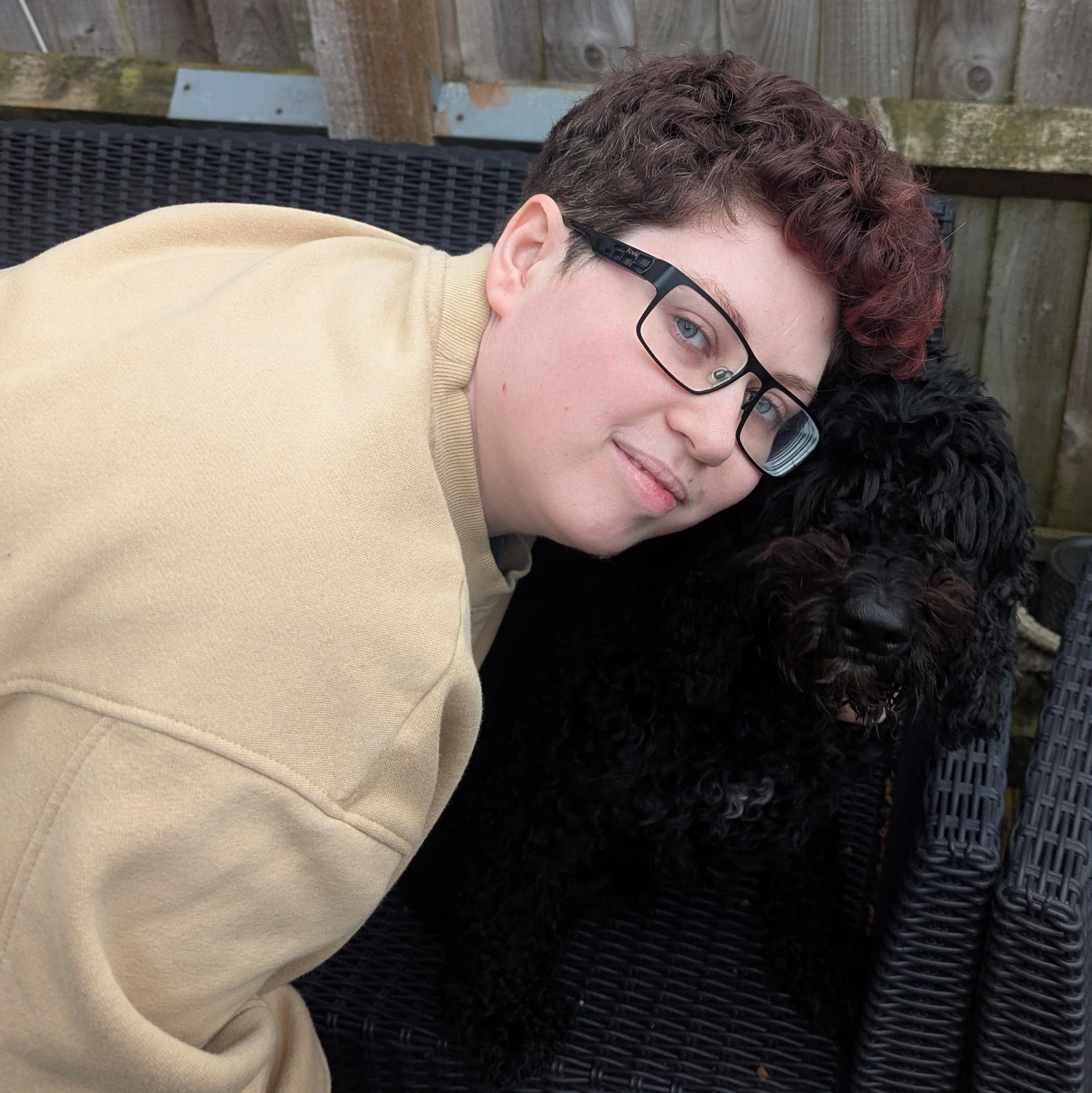
Even a totally imagined secondary-world fantasy can end up with insensitive portrayals. Neurodivergent and non-binary authenticity reader—and fantasy writer!—Han Noss has created this guide to working with an authenticity reader for your fantasy book.
When writers first learn about authenticity reading, they often worry about their story being restricted or criticised, especially when they’re writing completely outside of their own experience.
A good authenticity reader will not scribble things out with red ink. Their job is to assess your story and address what might be potentially problematic or inaccurate, and then suggest how to fix it. If you’ve used beta readers, the process can be very similar, except authenticity readers give feedback from a specific perspective.
As both a fantasy writer and authenticity reader, I have a rare perspective on how authenticity reading can help fantasy—I understand a writer’s worries about getting feedback on their story, as well as a reader’s worries about how sensitive topics are represented—so I’ve put together this guide to working with an authenticity reader.
What is authenticity reading?
Authenticity reading, also known as sensitivity reading, is a form of editorial service specifically focused on authentic portrayals of identities, experiences, and cultures. It ranges from beta reading-level feedback where an author asks questions about a particular part of a novel, to editorial support where an author works with someone with lived experience to authentically portray something they aren’t familiar with.
For example, a fantasy novel set in a world inspired by Greek mythology could benefit from a Greek authenticity reader who can check anything from the use of language to depictions of traditions and beliefs.
As a neurodivergent non-binary person, my main aim as an authenticity reader is to help authors feel more confident about their neurodivergent and/or non-binary characters—but in a fantasy setting, this can be more difficult than you might think. In one novel, I might give an author feedback on their magic system being very gendered and how they haven’t addressed this with their non-binary characters. In another, I might add suggestions for how to strengthen a scene depicting a neurodivergent character dealing with sensory overload and check for consistency with other scenes.
When I work with authors, my purpose is to never say that something is wrong or that they should remove anything; I listen to what my client is looking for and where they feel particular attention needs to be. Some authors are focused on side characters and want to be sure they’ve sensitively portrayed them, other authors have worldbuilding they’d like feedback on, still others want to check their story doesn’t contain anything that would put off trans and non-binary readers.
Writing fantasy with sensitivity
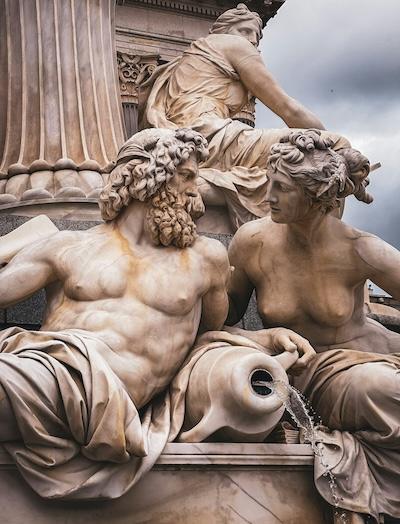
Many writers use authenticity reading as a way of ensuring that their story deals sensitively with different cultures, experiences, and identities, including disability, race or ethnicity, gender, sexual orientation, religion, and more. Because of this, it’s common for fantasy writers to use multiple authenticity readers who focus on different parts of a story or how one thing intersects with another.
Thinking about the earlier example of a fantasy novel set in a world inspired by Greek mythology, the author might use both a Greek authenticity reader who lives in Greece as well as a polyamorous authenticity reader to give advice about the primary relationship. While having one person who is both Greek and polyamorous would be ideal, it might be harder to find someone who is available, so the author can split the focus between two readers.
(Photo by Debabrata Dash on Unsplash)
Much like beta readers, it’s useful to have multiple perspectives on a story to gain a better idea of how it can be strengthened and where things still need to be tweaked. Every person’s perspective is shaped by their own experiences; you could work with two neurodivergent people only to get very different opinions. The key is to consider what distinct experiences you need feedback on. If one neurodivergent person specifically struggles with sound-related sensory overload and the other neurodivergent person doesn’t, the former would suit a project that deals with this.
You rarely have to be so particular about this, because many experienced authenticity readers will have done enough research and know people they can get opinions from (though they should never share a story without the author’s permission, they may ask other people questions that can inform their feedback).
Creating authentic non-binary fantasy characters
Because I’m a non-binary fantasy writer myself, I often share tips about creating authentic non-binary fantasy characters, including names, gender-neutral language, gender worldbuilding, and more. I thought it would be useful to include some advice here as an example of what a non-binary authenticity reader could help with.
There’s no right way to be non-binary, and by definition “non-binary” is a wide-reaching identity encompassing many different experiences. This is what I keep in mind when I authenticity read, and one simple piece of advice is to include that in the story. You may have one main character who is non-binary, but if you don’t acknowledge that anyone else is non-binary (especially in a world where this is considered “normal” or even common) then your story would benefit from at least a background character who is also non-binary.
Let’s say your novel is about a magical academy where androgynous spellcasters known as warlocks are just as common as feminine and masculine spellcasters. Your main character’s best friend is a warlock, but your story references “witches and wizards” at multiple points. As an authenticity reader, I’d pick up on this and ask if there’s a more inclusive term you could swap in (like “spellcasters” or “sorcerers”). Then, in my overall feedback, I might note that warlocks are reported to have an equal population size to witches and wizards, but we only know of the protagonist’s best friend and there’s no other mention of warlocks. I’d suggest ways of making this clearer, like considering whether some of the background characters could be specifically identified as warlocks.
(Photo by Aditya Saxena on Unsplash)

Another aspect of this is to think about what is considered non-binary in your world. In the example above, it’s treated as a third gender identity alongside women and men, but you don’t have to limit yourself. When you create a non-binary character in a fantasy world, decide whether this is seen as something common, uncommon, rare, or unique (though be wary of how this might come across). Once you’ve decided that, you can look at how being non-binary works in this world.
Some questions that might help:
- If non-binary people are considered to be a third gender and not a spectrum of gender outside of gendered norms, what traits, traditions, and language are shared by all non-binary people?
- If gender identities are more fluid for all of your characters, what traits does this character have that are uniquely them? What traits are shared with other people?
- If your main non-binary character feels alone or they’ve never met or heard of other non-binary people, but others do exist, why is that? Where are they? What impact on culture do the others have?
- If gender-neutral pronouns and terminology are used broadly in this world, how does this affect attitudes and dialogue of characters? Would a character who strives to be known by a gendered title have to fight for it or would it be accepted by others?
On the last point, it’s useful to think about non-binary titles. Above, we have the concept of warlocks, witches, and wizards, with each attached to a gender identity: non-binary, woman, and man. Some worlds might use non-gendered titles, like “Doctor”, for everyone, but others might be more gendered. How does that affect genderfluid or gender non-conforming characters? If you have trans characters, this is also a question you need to consider.
Your role as the writer
There’s ultimately no right way to write non-binary characters or way to be non-binary, and depending on your culture and what your world draws inspiration from, this can be even more complicated and different to others. But authenticity readers are there to help you understand what aspects of your story shine and which can benefit from extra revisions.
If you’re working with a non-binary authenticity reader for the first time, ask them some questions for general feedback and some specific feedback about parts you feel less sure about. Here are some sample questions you can build on:
- Is the language used to describe a character’s gender identity and gender expression respectful and accurate? Is there anything harmful or confusing that you think should be changed?
- Do the non-binary characters in my story feel diverse, authentic, and three-dimensional, or do they feel stereotypical and bland?
- Are there any ways I could strengthen the coming out scene in the story?
- Is there anything you’d like to see further exploration of?
(Photo by Lucia Macedo on Unsplash)
Finally, remember that while authenticity readers are there to help readers feel represented and comfortable reading your story, the story is still yours. You can always get a second opinion or talk to other writers of the same identity or background. You are never required to make all suggested changes, the same way you don’t have to accept all editorial changes.
Meet the guest poster