The shortlisted works across all 13 categories of the British Fantasy Awards have been announced! Find out who’s in the mix over on our blog. Winners announced at Fantasycon in October.

For all things fantasy, horror, and speculative fiction
-
Announcement:

Why You Should Join a Writing Community
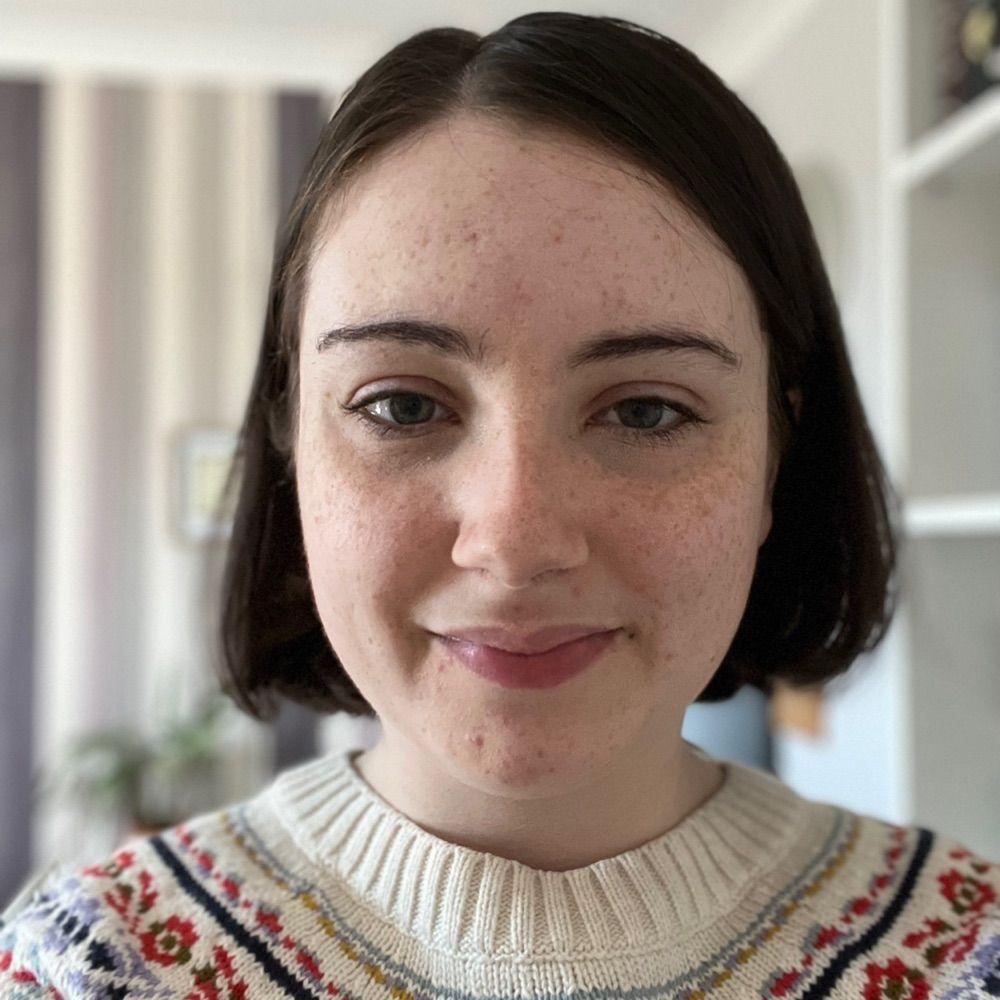
BFS member Emma Wilson tells us how writing communities online and in-person have improved her confidence and her craft.
I’m currently writing my first fantasy novel. I spend most of my time doing the ‘putting words on a page’ part of writing in a quiet room for hours at a time and drinking ungodly amounts of tea. I like sitting with my story, and letting my plots and characters marinate in my brain while I (hopefully) sort out most of the plot holes. I love inventing new worlds, collecting random weird facts, and imagining ‘wouldn’t it be interesting if this happened?’. But my absolute favourite part of writing is spending time in writing communities.
In my day job, I work in Higher Education research cultures and support researchers’ development. Just like the idea of a lone writer sitting at their desk churning out words, there’s a common perception of a lone academic, holed up in the library reading a stack of books or mixing bizarre chemicals in a lab, doing all their work on their own until the moment they shout “Eureka!”, step outside into the world, and only then share their discovery with everyone else.
A big part of my job is convincing people that learning from others, talking about what we’re working on, and sharing experiences is the most beneficial way to develop our craft as academics. As a SFFH writer, I think the space applies here too.
I wanted to write about what the benefits of writing communities are, from my experience as a member of the British Fantasy Society and my local writing group. My experience comes as someone who has not yet published anything in the SFFH space, and has previously battled with feeling like an imposter in writing communities. If you learn one thing from this blog, I hope it’s that writing communities are for everyone, no matter how much experience you have right now!
Getting Constructive Feedback on Your Work
Deciding when is the right time to share your work with others is an individual choice, but it should likely be some time before you hit publish. Writing communities are a great space to share your work in progress and get critical but helpful feedback.

In my local writing group, members read up to 1,500 words each week (depending on how many members have brought something to read) and receive real-time feedback. I’ve found this incredibly useful when I’m working on something new and want to see how the characters land or if I’m stuck on a scene and need advice. You can also find beta readers to read larger chunks or your whole manuscript, and the BFS Discord has a channel dedicated to this.
Even if you’re not ready to share your work yet, you can contribute by giving feedback to other writers. Learning how to give feedback has also helped me grow as a writer, and although I’m not ready to share my work with beta readers yet, I’ve beta read for others.
This year, I’m a mentee in the BFS Mentorship Programme. So far, my mentor, David Green, has read part of my work in progress and given me incredibly helpful feedback that helped me go from feeling pretty pessimistic about my plot and world building to identifying what’s working and what I love about my story, building my confidence and enthusiasm so I can get this thing published! They’ve also given me really valuable advice on where I can go once I have my draft finished, including looking for beta readers and thinking about publishing options.
Talking to Other Writers

As simple as it might sound, actually talking to other writers about the writing process is one of the most helpful and encouraging things you can do, especially as a new writer. I was really worried about my approach to writing when I started out. When you’re a new author with only writing guides to help you it can feel like you’re overwhelmed by rules and that there’s only one proper way to be a writer. But that’s not true, and it was only through talking to other writers that I realised it’s okay to do what’s best for me and that every writer does things their own way. I used to be embarrassed about my messy first drafts until I started talking to other writers and accepted it was just part of the process.
The BFS Discord is a great place for getting advice and support. There are different channels to get help, request services or find a beta reader, and or just chat about whatever’s happening in life. I’m not a big social media person, so it’s okay not be be active all the time or only contribute in the channels you’re most comfortable with.
Even if you’re currently unpublished like me, there are many ways you can contribute in writer’s communities. Celebrate successes and commiserate rejections with others, share how your writing is going, and never be embarrassed to ask questions.
Making Time and Space to Write
Both the writing communities I’m in have also helped me find the time and space to write. I like to write in the quiet but I’m not sure I really like to do it alone, because I find it so easy to get discouraged with a difficult scene and decide to stop writing and do something else instead.
Writing sprints and writing retreats work really well for me. The BFS hold writing sprints on Discord that run for an hour and a half, with three 20-minute ‘sprints’ separated with some chat about how our work in progress is going.
My local writing group also run in-person ‘come and write’ days, where we spend the afternoon writing together in silence (sitting at separate tables like we’re taking an exam; yes, it’s funny when someone comes into the room looking for another group and wonders what on earth they’ve walked into) and then we go to the pub after for dinner and a chat. In both cases, the chat around the writing is just as beneficial as the writing itself.

Attending Events and Workshops
Attending events and workshops are an incredible way to learn new skills or about different aspects of SFFH and the writing process. Some writing communities, like the BFS, offer reduced or free cost for members within the community membership fee.
In the last couple of months, I’ve attended online BFS events on Social Justice Through Writing, Faith, Science & Folklore, and Language in SFFH. I’m also all set to attend my first Fantasycon this year in Glasgow, and really looking forward to the opportunity to meet people in person.
Finally, if you’re a published writer looking to self-promote, don’t be shy about putting yourself forward to speak on a panel or do a reading. I’ve found so many great authors from attending these events.
Joining writing communities made me a more confident writer, and gave me access to so much support and resources I wouldn’t have had otherwise. Whether you’re already published, or your working on your first story, I hope this blog has convinced you of the benefit of joining a writing community, and I hope you’ll find the community and support that will help you on your writing journey.
Why don’t you tell us about your writing communities in the comments? Or join us on the BFS Members-Only Discord server to take part in our writing sprints and tell us about your work-in-progress.
Meet the guest poster