The shortlisted works across all 13 categories of the British Fantasy Awards have been announced! Find out who’s in the mix over on our blog. Winners announced at Fantasycon in October.

For all things fantasy, horror, and speculative fiction
-
Announcement:

Be Route Curious: a Publishing Journey
Stephen Cox talks about his personal journey from trad-pub to self-publishing, and shares a lesson he learned the hard way: never make your happiness and contentment rest solely on the writing; have a hinterland.
We love our fantasies, but we need to be clear eyed about the realities of publishing. I’ve been published in three different ways in nine years and I’m not a wild outlier.
I think for a grounded career, you need to ask yourself: Why do you write? And then, why do you want to publish? For a measure of contentment, you need to define your own success. I certainly did!

My publishing story
I first looked at publishing in the 1990s. In those pre-internet days, self-publishing was seen as mostly for cranks and suckers. Success was landing an agent, then a deal, and with hard work you might make a career. Small presses and magazines widened the market.
By the time I began to write novels obsessively in 2012, I met sensible people who self-published some rather good books because the landscape had completely changed. Still, self-publishing looked like more work, doing complicated things I wasn’t interested in like Amazon ads, with serious sales unlikely.
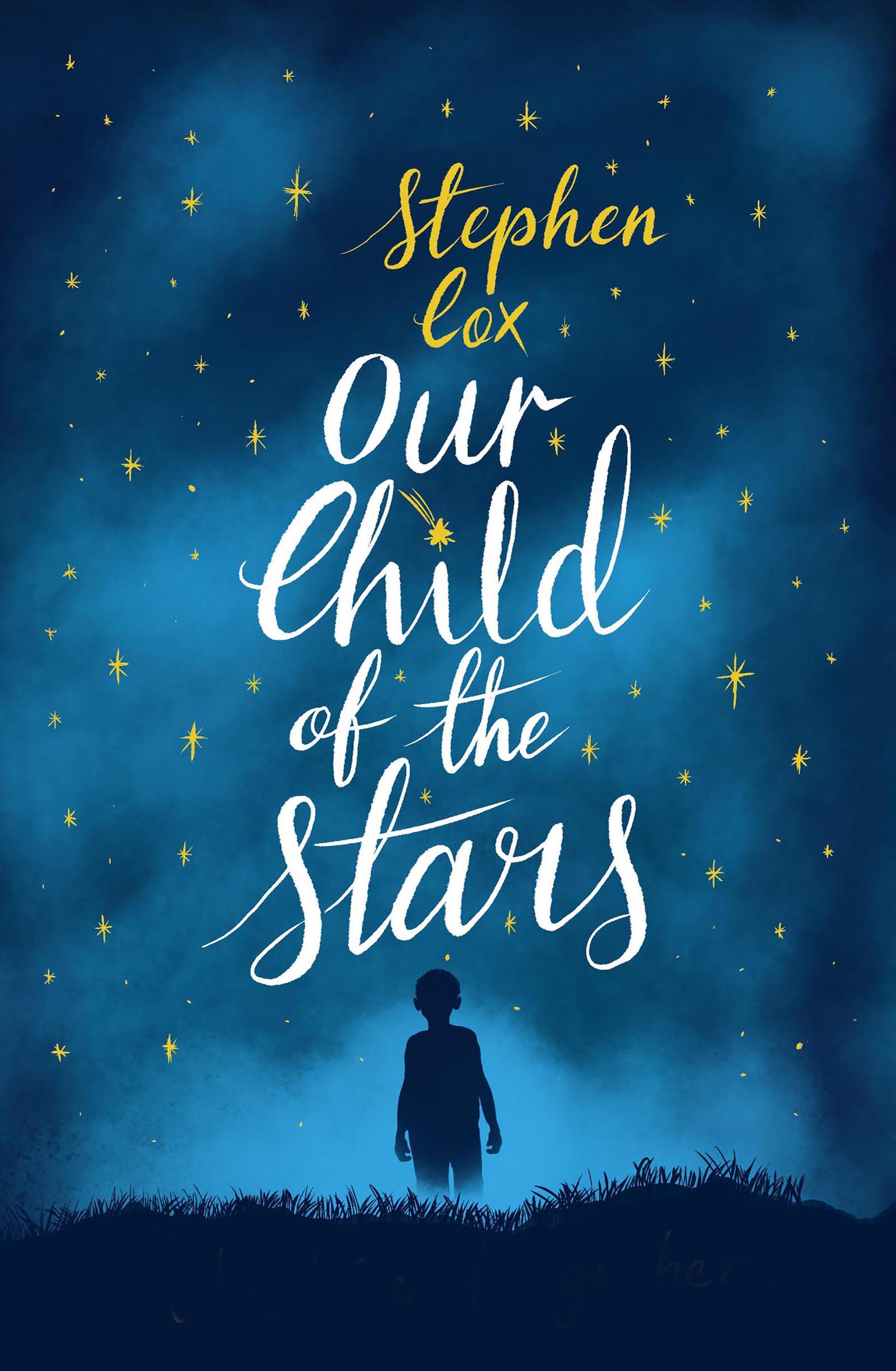
I got an agent, then a big publisher deal in 2017, and my novel Our Child of the Stars was published in 2019. To be a large publishing imprint’s lead debut is sweet. Delightful PR people got me national press reviews, lovely hardbacks and audiobooks just appeared like magic, and I was funded to go to cons. Being traditionally published still has kudos outside book-land.
The harsh reality, briefly
But I was attempting that tricky SF/mainstream crossover. Lovely reviews. Booksellers indifferent. Imprint fraught. Wrestling with sequel. Covid. An excellent second book emerged and it tanked. Editor retired, agent left business. Not because of me, honest!
A new agent liked my cracking new idea. The Crooked Medium: 1880s England, with an older sapphic couple running a spiritualist fraud, who solve murders. But over many months, he cooled on it and we parted.
My new editor at the imprint also declined the book in a lovely, frank, email. It reflected many rejections I got before Our Child of the Stars was picked up. She wrote: “It’s a lovely, affecting novel and I really enjoyed it. I love the gentle relationship between Braddie and Ashton and the way you bring their world to life, but I didn’t come away from the manuscript with that powerful sense that I knew how to publish it so that it would look right and reach the right audience and sell to the level you and it deserve.”
The reality is, she needed to be a fierce advocate with a plan if she was to convince her internal acquisitions meeting to sign me.
So I was back to querying agents and direct submissions of the book. Nothing. And in my spare time, I kept reading about self-publishing. I know people in every genre who’ve knocked out commercially smart and critically praised trad books who now find no one wants their latest ideas. Agents and editors come and go. A craze is chased, and then passe.
I asked myself: why do I write?
- Now I’ve started I don’t want to stop
- I want to get better and/or prove it wasn’t some fluke
- I want to be heard/read
- There are cool people to hang out with, especially the BFS!
- And it feels like some weird kind of purpose in my life, if that isn’t a dipshit way to put it. (Not the only purpose.)
(Photo by Eugene Chystiakov on Unsplash)

That’s writing. But why do I want to be published?
Am I here for the craft, for reaching readers, for critical praise, or for commercial success? I used to answer yes to all four. Now, Smaug’s hoard would be nice but so would breaking even.
Many able people faced with this position decide to write something brilliant and fresh but also easier to pitch. That’s smart. The problem is, I need ideas I want to spend a year or more writing, and my ideas tend not fit a commercial brief.
I found this helpful: a very western take on Japanese ikigai, loosely “purpose”: “Life contains things you love doing, things you are good at doing, things that benefit the world, and things the world will pay you to do.”
“I must live off being an author” means hoping to get all four from your writing. That’s hard. An early psychological lesson I learned the hard way: never make your happiness and contentment rest solely on the writing. Have a hinterland.
Very well then: I’ll go it alone!

In spring 2025 I decided The Crooked Medium’s Guide to Murder deserved to be published, so I leaped into self-publishing. By September 2025, it was on sale. I defined my own success. I set a range of goals, some quite easily done, some pie in the sky.
I never hide that I self-publish. I invested in a decent professional cover and layout, plus had it professionally edited and proofread (gaining some learning on the latter). My ambition was that it could be picked up from a table of trad-pubbed books and bought. I’ve seen this happen.
I paid for blog tours which don’t guarantee sales (little does) but in my experience usually give mostly good reviews on publication.
Without starting with Amazon ads or expensive giveaways, I knew initial sales would be hundreds not thousands. For the first book, I hadn’t time to learn these ropes. Also, with a series, I hope the books sell each other. The sequel, The Crooked Medium’s Guide to Terror, comes out this month. And I’ve landed a novella with the dynamic small press Wizard’s Tower. (It’s a contemporary m-m romance set in London, but also a first contact story, and just an absolute joy.)
Learning the commercial skills for self-publishing
I needed a wider skill set. There’s tons of advice, some excellent, much self-serving or wrong. And sharks everywhere. Everyone wants you to pay them and everyone wants books too cheaply.
I was managing the whole project, not being ‘the talent’ in a play. Getting a book out well needs organisation. I had to find and hire people or barter my own services. What to learn and what to buy in? For example, I learned enough Canva to knock out basic social media visuals, but big stuff needed a professional.
With a trad deal, when it comes to publicity and marketing the publisher is the lead player and sets the budget, which is never mentioned. My experience was we agreed a direction, but they were the experts. Now, I had to write the core description and marketing. It’s a useful discipline for every writer to have an idea who the book is for, and how you might push it, as you write it.
Doing the marketing myself, there needed to be clarity about what raises awareness and what provably shifts books. The commercial side is tough. Publicity like reviews enables higher sales and strokes author egos (which matters), but doesn’t reliably land sales alone. Getting big numbers seems to rest on focusing on a few platforms, and doing them well. Sadly, you won’t learn these skills without spending money experimenting.
(Photo by Elio Santos on Unsplash)

I knew I was creative, but I had to think commercially. I needed to think trade-offs on price, margins, and sales. I understand now why so many self-pub crime writers like 70k books—you can sell print copies at a more attractive £9.99! (The price people think is fair for a book severely lags inflation.) Six pages of back material removes so many pence from your margin on each copy sold. Do you need it?
Doing your market research
I also had to understand the market. Many book readers like genre and subgenres to guide them.
Amazon keywords matter and one-star reviews await those who don’t understand them. You have seven keywords, and these need to be distinctive enough that the algorithm or paid ads show you to the right people. Very common keywords like “murder” are too broad whereas “dodgy Christian spiritualist with heart of gold” is too narrow.
Ideally you pay for the data on how keywords perform and then experiment. You also see whose adverts pop up by yours; this can tell you what keywords those books are tracking.
LGBT or queer? It doesn’t matter what I think about these terms, what do they mean in publishing? Example: are my amateur women sleuths in Victorian London “cozy?” Cozy is big. But I suspect for all my warmth and humour, my writing is too dark, too serious about murder, and my spooky goings on are not twee. I’m also selling both into fantasy and crime and that’s more work.
On the other hand, a friend found positive reviews from people calling her dark sci-fi “dystopia”. She really didn’t think it was, but she risked using the term in her marketing which turned out to raise sales without blowback.

Define your own success
Your lane might be innovating within a well-trodden subgenre. Or, you might just write weird little books for your own goblin clan, and the goblin-curious, and sod the rest.
There is power in cooperation and collaboration. I love the writing and reading friends you make on the way. Other writers are colleagues, not rivals.
A friend typeset the first book for free. I use 30 years of experience to help nervous authors talk in public. I’ve got helpful advice on everything from “how quickly can you harness a horse by lantern light?” to “do detectives really turn up unannounced to bounce their main suspect?” (The answer is yes, apparently.)
(Photo by Olena Bohovyk on Unsplash)
My story goes on
I’m glad I didn’t spend two years writing something a trad editor might not take. By getting these three newer books out, I think I can claim a body of work, which can be judged as a whole.
Now I am itching to return to my marvellous characters, to write the next book of their life. Each book must surprise and I can give myself time to get it right. I can still get books I am proud of into the world.
I can now also look my younger self in the eye and say, yes, I am a properly published writer.
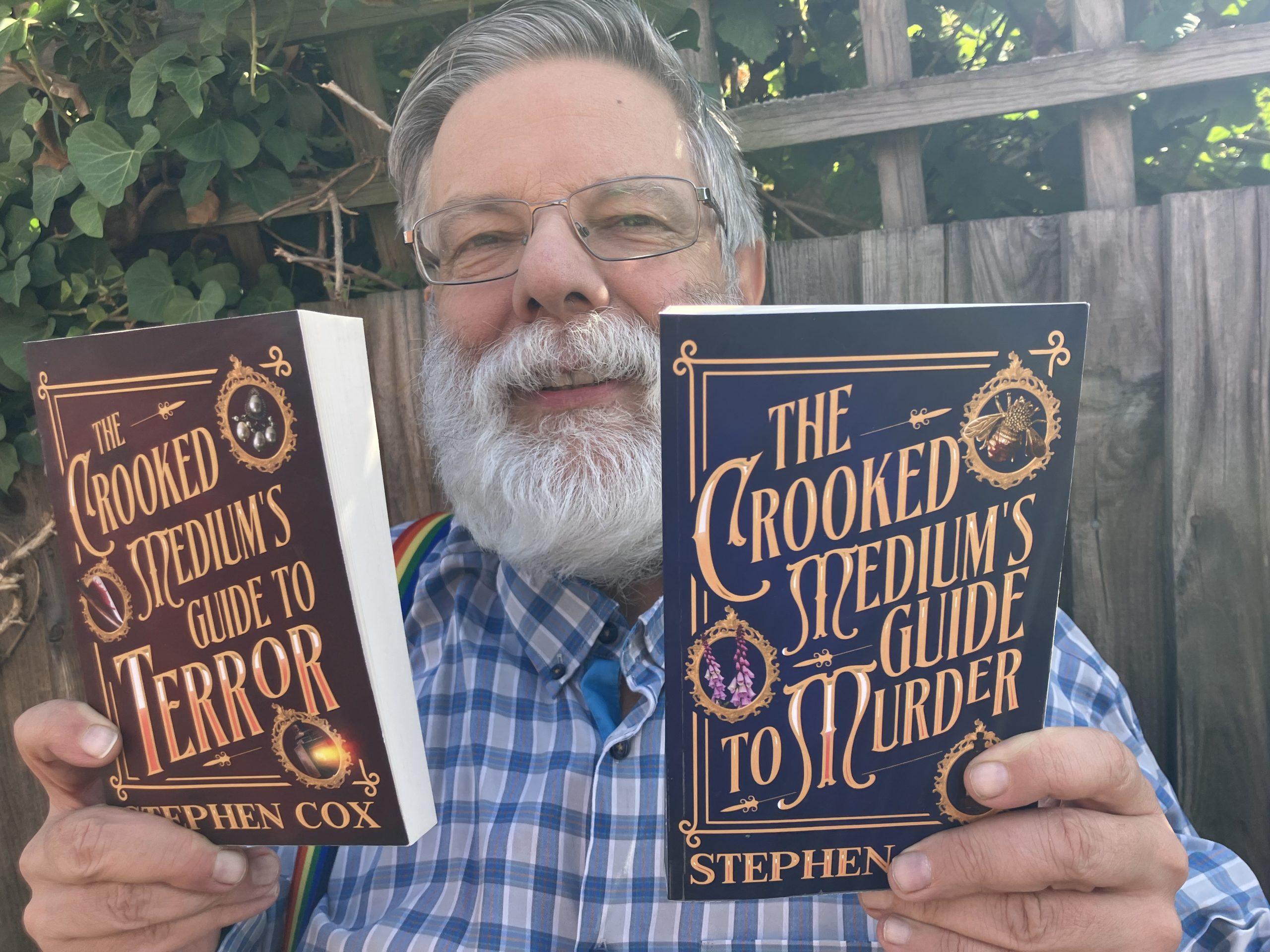
The Crooked Medium’s Guide to Murder is available now for pre-order; it’s officially released on 14 September.
Meet the guest poster

Leave a Reply