The shortlisted works across all 13 categories of the British Fantasy Awards have been announced! Find out who’s in the mix over on our blog. Winners announced at Fantasycon in October.
For all things fantasy, horror, and speculative fiction
-
Announcement:
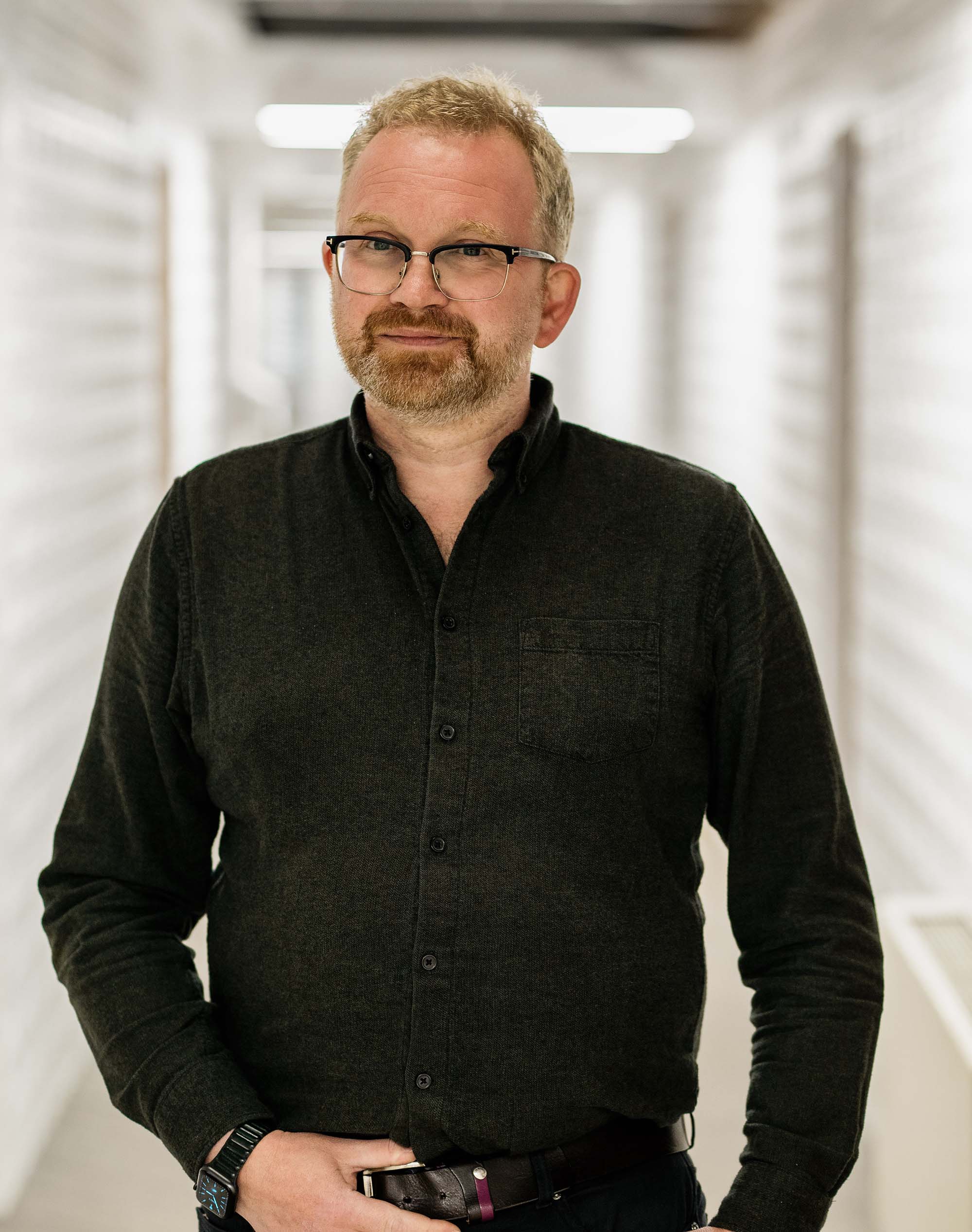
Meet Jonathan Laidlow
Every Friday, we meet a member of the BFS and peer deep into their soul (or, at least, a form they filled out). Want to be featured? Email us: content@britishfantasysociety.org.
Name, including preferred pronouns:
Jonathan Laidlow (he/him). Jon to my friends.
Which region are you based in?
Birmingham, and grew up in West Cumbria, not too far from the Lake District.
If you write, which genre:
SF and fantasy, with a touch of the weird
If you don’t write, what do you do?
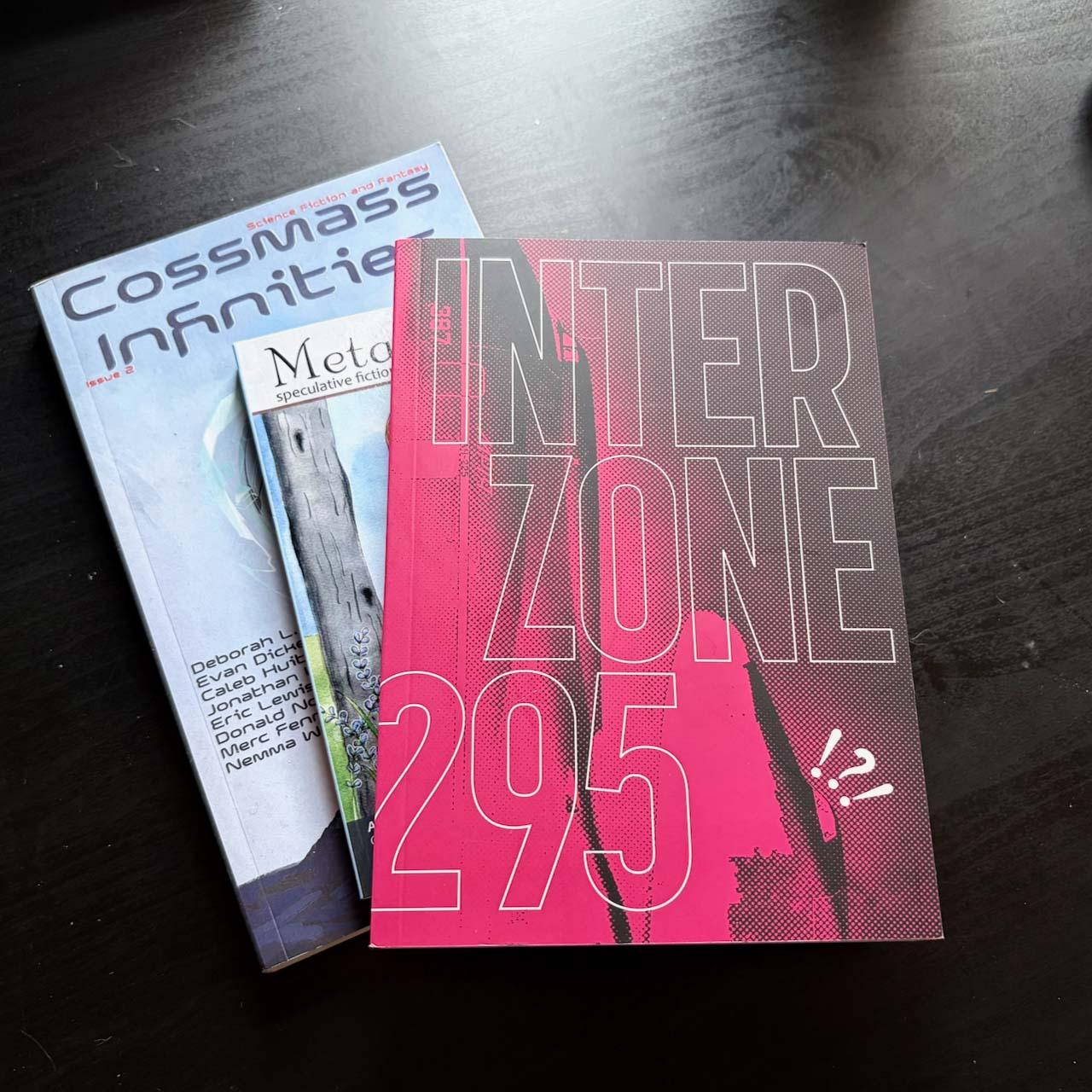
When I’m not working, or playing with my cat Barclay, I spend time finding ways to avoid writing. I run a website that reviews short fiction from the UK (ish) scene called Supernova Reviews. Short fiction magazines are amazing, so the idea is to review and highlight what’s good in each issue of magazines like Parsec, Interzone, Shoreline of Infinity or Mythaxis.
I’m also Lauren’s hench-person for the BFS blog.
Are you drawn to any specific SFFH sub-genres?
I’m always drawn to space opera, but I haven’t really written any yet. That’ll be one of my next projects. I’m also drawn to anything weird and/or unusual, so whatever I write, I try to find an angle that is slightly off kilter.
Your influences
Tell us about the book/film/thing that got you into SFFH: What was it? How old were you? What impact did it have on you?
I am just the right age to have seen Star Wars at the cinema as a child, about five, and absorb it in that perfect way that you do as a child – unquestioning, besotted, I just loved it, and read the comics, played with the action figures as a kid. We’d make up our own adventures with whatever toys we had. I have a certain level of critical blindness to all things Star Wars – I can find good in every film, show or story.
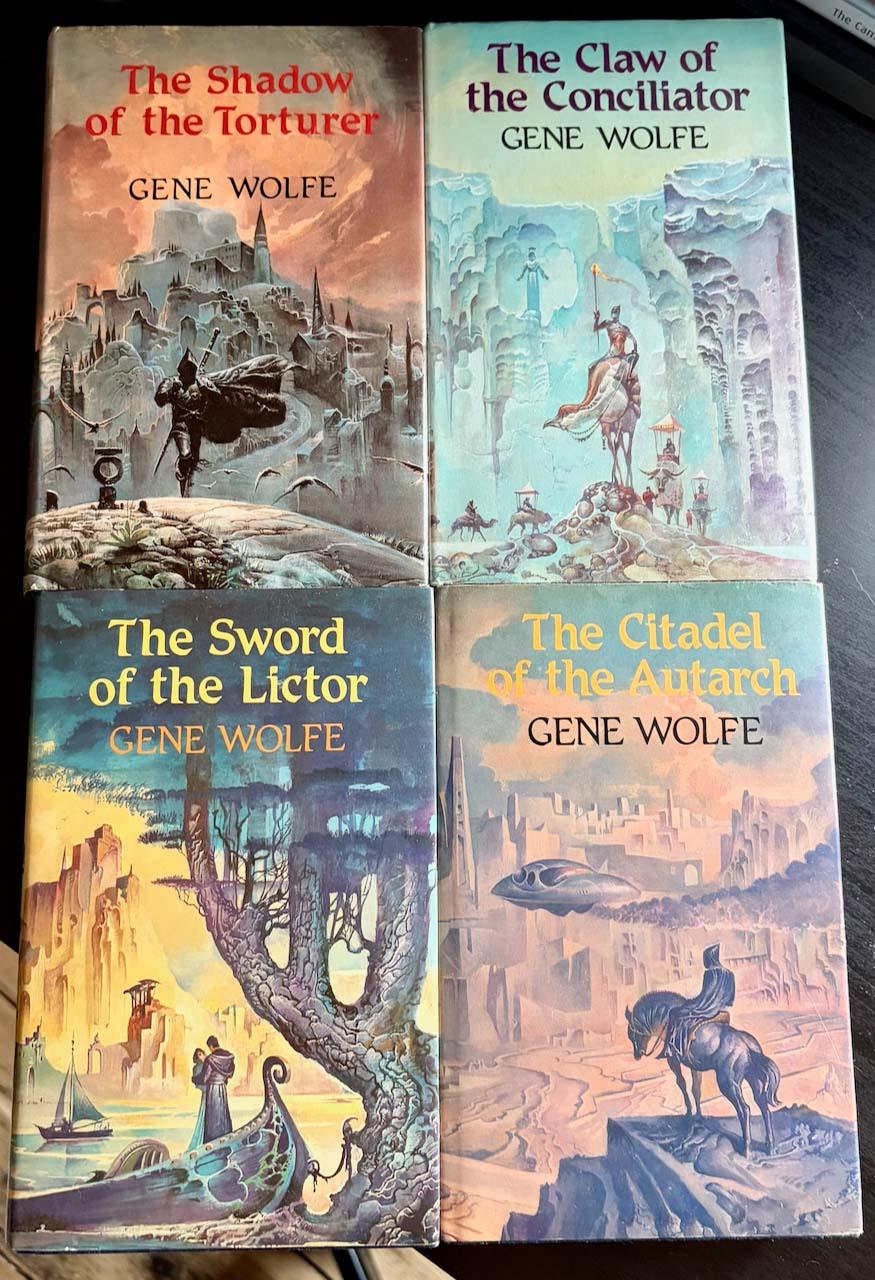
Slightly after that I read The Hobbit and A Wizard of Earthsea and that began my love of fantasy to go alongside my love of SF. I devoured all of the fantasy that was available in the late 80s – Eddings, Feist, Donaldson, and they somehow led me to Gene Wolfe’s Book of the New Sun, which was mind-blowing, and showed me that writing in our genres can be art, can be literature, and not just a good time.
I loved Blake’s 7 more than Doctor Who, though I haven’t rewatched it in case it doesn’t live up to my memories of it. That gave me the darkness we still see in shows like Andor, a bleak fatalism that’s probably something to do with growing up at the end of the cold war, post Chernobyl, in Cumbria (where Sellafield regularly leaked!)
How does that early influence show up for you (in life/writing/agenting/publishing/editing/reading) now?
I love books and have too many! I’ve always been a voracious reader and always have four or five books on the go. I’m not one of those people who must finish something. If the moment is wrong and I’m not enjoying a book, I’ll put it down and try another day – it took me twenty years to finish one classic, but when I did it became a favourite (100 Years of Solitude by Gabriel Garcia Marquez).
How does it affect my writing? Actually, I think I’ve avoid writing in these genres – I’ve only written one story, ‘Inundated’, that is classic fantasy, for example, and that was turned into a wonderful podcast by FarFetchedFables.
I’ve quite deliberately avoided space opera even though I love it. When you’re immersed in a genre it’s difficult to always find that new angle, something that will make it uniquely mine, and until I can find that angle, I can’t move a story beyond the initial idea. That’s what happened with ‘The Last Dragonslayer‘, originally published by Interzone Digital. I wanted to find a new twist on a classic idea. I won’t spoil it, but it starts with the classic hero (from a long line of dragonslayers) taking his sword and armour out of a pickup truck, ready to do battle, and then I take it somewhere else. It can be frustrating, but when I find the right idea, it’s incredibly rewarding.
Where do you draw your creative inspiration from?
What usually happens to me is that I start to write something based on a sparking idea – a word, a concept, an idea, a fragment of conversation – and there’s some alchemy that happens when I start crashing words together on the page and that produces many more related ideas. This stuff is usually surprising to me, connections I didn’t see when I began, and then the story grows outward from that. It’s those startling moments of unexpected creativity that inspire me the most.
Who do you look to as a genre hero? Why?
Gene Wolfe, because he showed me you could have fun with words and themes and write complicated and dense stories without losing a light touch. In one bout of procrastination, I set up and still maintain a website for people studying his books.
CJ Cherryh has had a very long career writing science fiction and fantasy but isn’t as well known in the UK. I don’t think her publishers even bother releasing most of her books on kindle here. She writes a super compressed limited third person POV and then throws her characters into super-intense high pressure situations where they – and the readers – don’t have all the information. Whether it’s her fantasy or science fiction, it’s all brilliant. She’s an influence on all kinds of people – on the Expanse (the belters), and Ann Leckie and Arkady Martine.
Your Work
You’re stuck in an elevator for 60 seconds with that hero, and they want you to describe your work. Give us the pitch.
My current work is weird, a bit twisted. Funny, but then not. Dark. My protagonists struggle in an amoral seaside universe where everything and everyone is against them. Also puffins.
What are you working on right now?
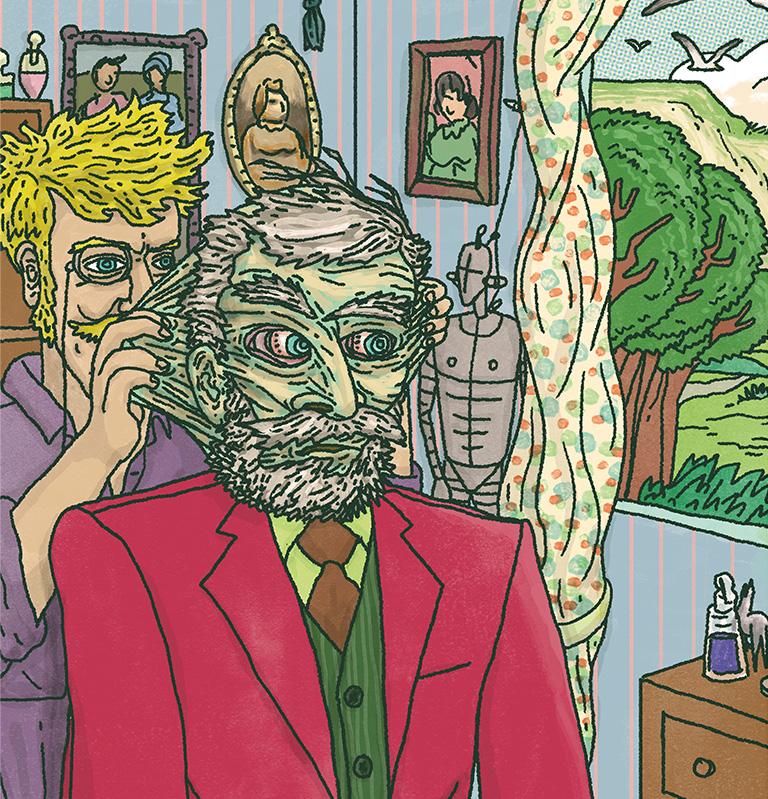
Interzone published a story of mine back in 2023 called “Strung along in Seaforth” – a twisted little tale about an odd seaside town somewhere in the UK where everyone is off kilter. Each year they have a mannequin contest at the carnival, and the townsfolk who enter use the bodies of their deceased relatives as the basis of the mannequin. Our poor hero, Tobias, just wants to win so very badly…
I was so happy to finally sell to Interzone magazine, and while they continue as an epub, ‘Seaforth’ was the final story in their final print issue, which means it was illustrated with a fantastic triptych by Vinayak Varma, and I have a beautiful artefact containing one of my stories.
After that I developed writer’s block and lost a year or two. I eventually started writing a new tale set in Seaforth just as a story for friends and family. I enjoyed that so much that I kept on going, and last year wrote a novelette about the local policeman and a novella about the man who dredges the corpses from the bay. Why are there corpses in the bay? That would be telling! This place is the epitome of every bad seaside holiday you ever went on.
The idea is eventually to have enough stories for a collection. I’m working on a new piece at the moment. It’s a love story! It won’t go well…
Thinking about all the stories/work you’ve done, what sticks out most in your mind? Why?
My successful stories are those that captured the original spark. “Seaforth” is a fave, but I still dearly love my first professional sale, “Hyrmnal”, which is a flash about a woman who plays a snail as a musical instrument.
Where and when do you create/are you at your most creative?
When people force me to be!
Let’s not forget that I created a whole short fiction reviewing project just to avoid finishing a story… My procrastination can be so bad I have a running joke with all of my writing friends about what I’ll do to avoid writing. I keep threatening to start my own fiction magazine.
I’m most creative when I’ve got the vibe of the story in my head and I’m riffing on some aspect of it, just letting the words come. And when I’m doing writing sprints with the BFS Discord crew, or some of my writing group friends.
What’s the best advice you’ve received about creativity?
It’s a muscle so use it. Train it, force yourself to write something every day. It will get easier. Until you have to revise it, and then it will get harder. It never ends!
The Quick Fire Round
Sci-fi, fantasy or horror?
ALL OF THEM
Quiet or loud?
Quiet quiet LOUD quiet. Don’t be Whitney Houston, don’t go big at the end, because you need to be really good to do that. Bring it down, end on a quieter moment
Dark or light?
We write the darkness to ward off the light? No! I mean….
Strict lines or genre blend?
Genre blend. Always. If it doesn’t work people will tell you!
Awards or bestseller?
Why not both? But honestly, one reader saying they enjoyed a story will make my day.
Fiction or non-fiction?
Fiction. There’s truth in stories; you just have to find it.
Poetry or prose?
Prose
Plotter or pantser?
Pantser. And we hates it. My best plot ideas also come when I’m deep in the word mines smashing those words together, no thought of a plan.
Reading or listening?
Reading. I’d love to listen to podcasts or audiobooks, but I’m partially deaf and rely on hearing aids, so listening is a strain, and concentrating on listening to a single voice is also a strain. I can’t multi-task and do things while I’m listening, as my focus moves and I miss bits.
Notebook or computer?
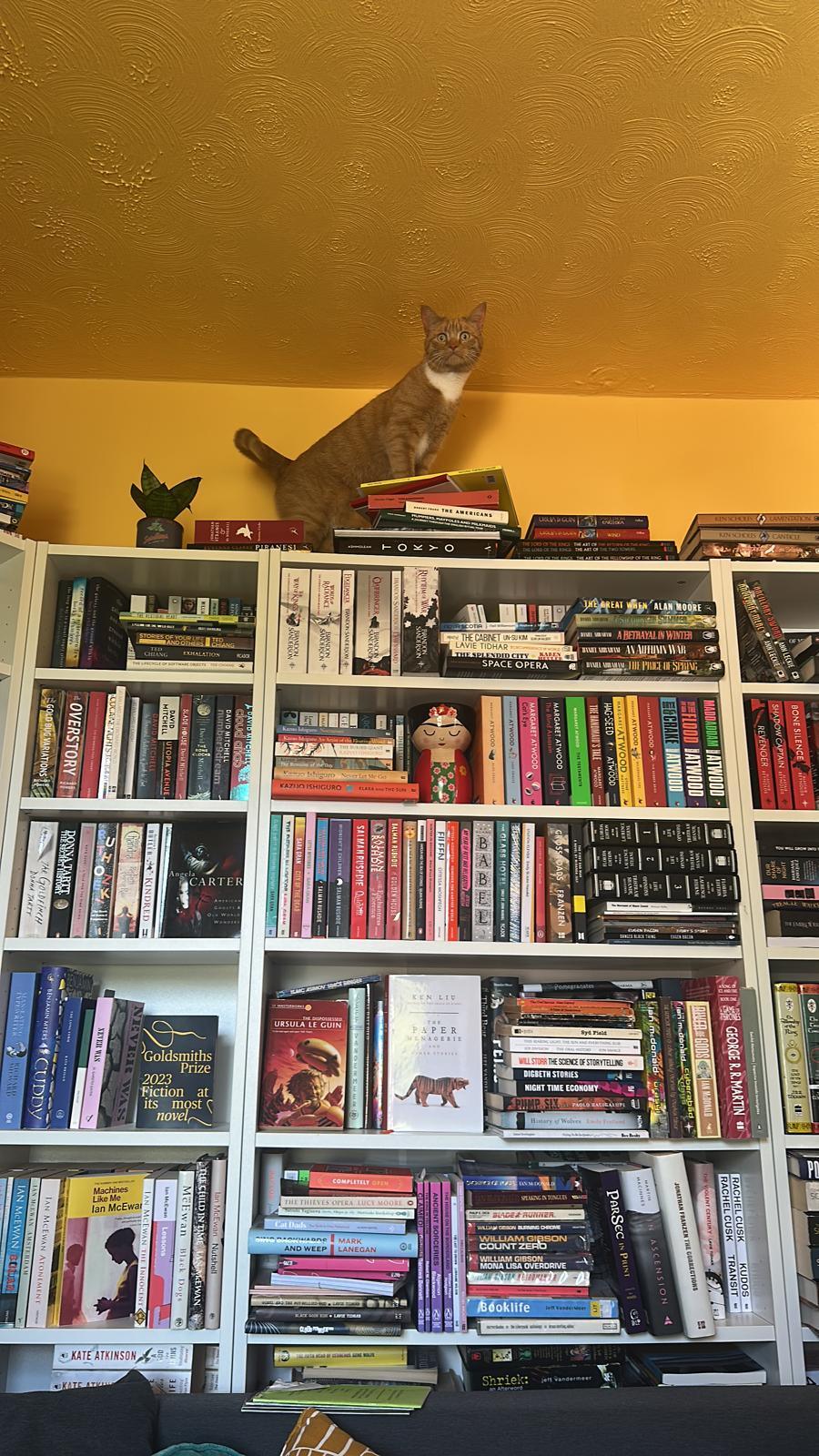
I love notebooks. I have a fine collection. I write on my laptop and gaze at my pretty collection of unused notebooks.
Favourite SFFH book of all time?
Gene Wolfe’s The Book of the New Sun. It’s technically five books, really, but I think it counts.
Last book you read?
It was Troy Denning’s Star Wars: Legacy of the Force: Invincible. A double colon! It was great fun, a palette cleanser before what I’m currently reading: Steven Erikson’s Midnight Tides, M.John Harrison’s The End of Everything, and Emma Burnett’s Ex Partum.
Any SFFH author on auto-buy?
Guy Gavriel Kay, Adrian Tchaikovsky, William Gibson, Lois McMaster Bujold, Alastair Reynolds, Ann Leckie
Favourite podcast?
As I don’t really listen to podcasts, can I say the podcasts that have been made of my stories? They’re all really wonderful, with excellent readers and brilliant quality. That’s ‘Inundated‘, ‘The Astronaut Tier‘ and ‘Darner‘.
The Home Stretch
What’s the best thing about being part of the SFFH community?
The people. It’s fantastic to be in a space where you’re likely to have common ground with most people that you meet or talk to (in cons, online) etc.
Time to plug your stuff! Where can we find you and your work? What have you got coming up? Consider this your advertising space.
My reviews of short fiction are at supernova.reviews.
My author website either reprints my stories or links to their online version. Find me at jonlaidlow.com, at jonlaidlow.bsky.social on bluesky, and as burtkenobi on instagram.
Read me:
- If you want to read a disturbing flash about a snail singer, try ‘Hyrmnal‘.
- ‘The Last Dragonslayer‘ is mentioned above and is nice and short, almost cosy. Perhaps.
- ‘Strung along in Seaforth‘ is the first story about my twisted little seaside town. Here’s the opening:
Tobias dressed the shop dummy in the skin of his late father and then carefully pinched and pulled until it was smooth and tight.
Harold was to be his entry in Seaforth’s annual carnival and after the disappointment of last year he was determined to win. Not least because this would be his final chance: his father’s corpse would not last another year and he had no more close relatives left to enter with.