The shortlisted works across all 13 categories of the British Fantasy Awards have been announced! Find out who’s in the mix over on our blog. Winners announced at Fantasycon in October.
For all things fantasy, horror, and speculative fiction
-
Announcement:
From Pen to Print: CL Hellisen on The Shape of Monsters
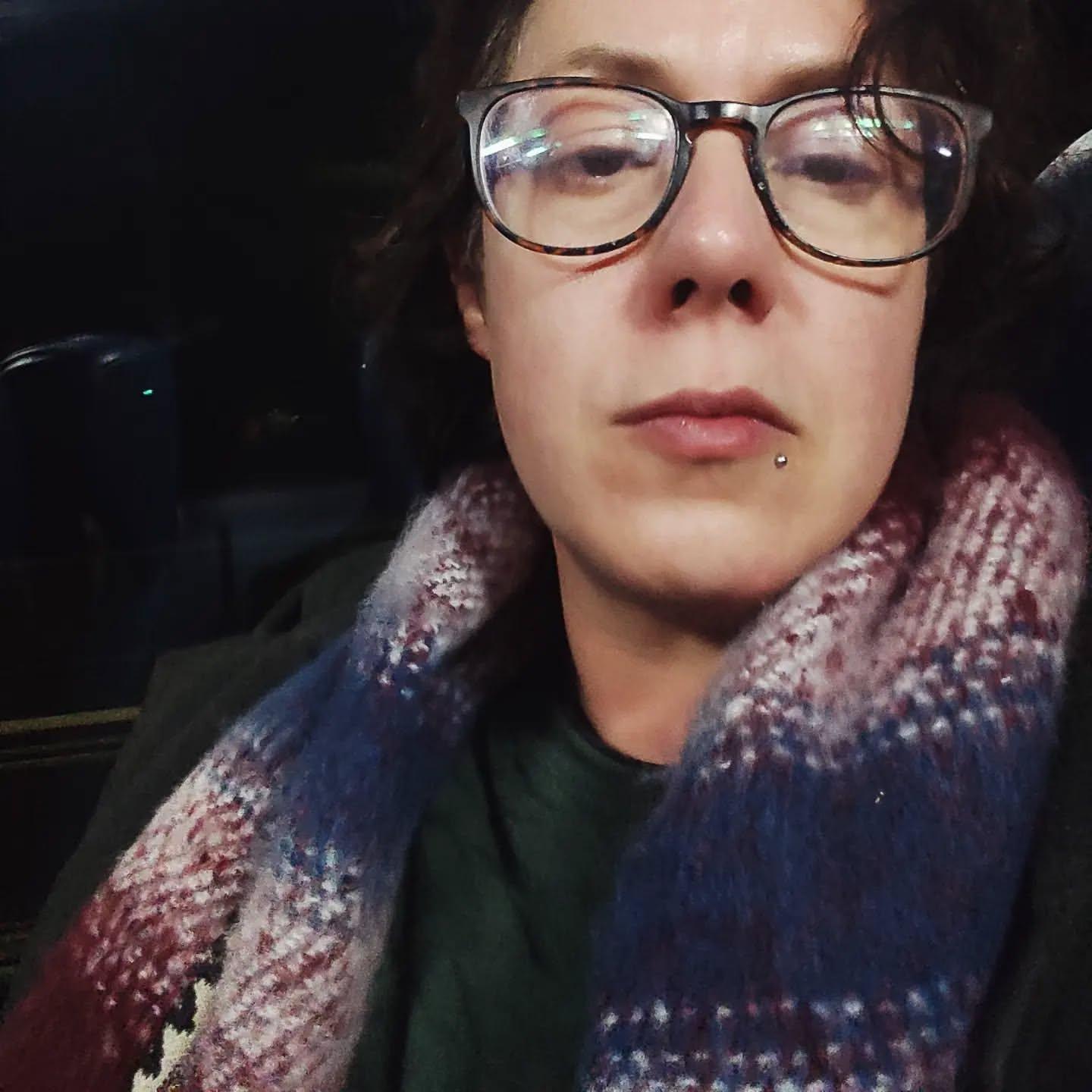
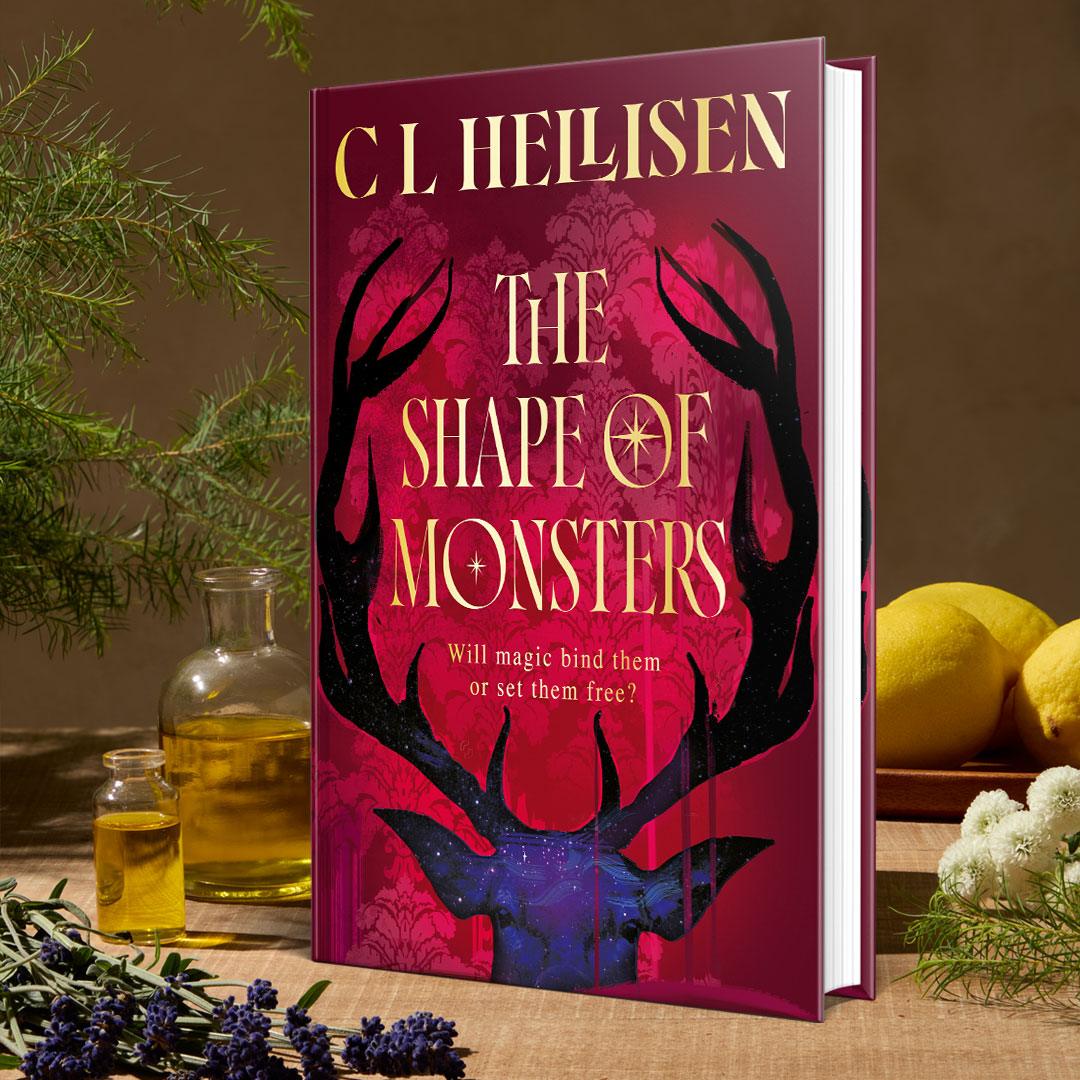
The Shape of Monsters is a different beast: already released on Audible, and up for best audio (fiction) work at this year’s British Fantasy Awards, it’s finally getting released in print via Tor in the UK. Its author, Cat Hellisen, shares its journey from “wet clay” to last-gasp agent query to Amazon deal then getting it into print.
Name: CL (Cat) Hellisen (they/them)
Based in: Deepest Darkest Scotland
What genres/subgenres are you drawn to?
Fantasy, horror, dark fantasy, literary fantasy
Is writing your full-time focus, or do you have a day job as well? What do you do?
It’s currently my full time focus as I am somewhat unemployable, but when I’m not writing I’m usually practicing ice dance
The Book: From Pen to Print
What was the genesis of this book? Where did you get the idea from?
The Shape of Monsters started with an image: a young guy in his hideous monstrosity of a car, his whole life in ruins, deciding to make contact with his estranged sister. All I knew when I started was that he wasn’t magical, his sister was (though untrained and in hiding), and there was a monster that would deepen the rift between them.
How many drafts did you go through before you felt it was ready to query? How long did that take you?
SO SO SO MANY. My first drafts are just me chucking wet clay into a pile and finding a rudimentary shape, an exploratory draft, if you will. With each revision, I remove, add, reshape and refine Until I have A Book-Shaped Thing. I have records of sending it out to beta readers in early 2021, so it’s been knocking around for a while.
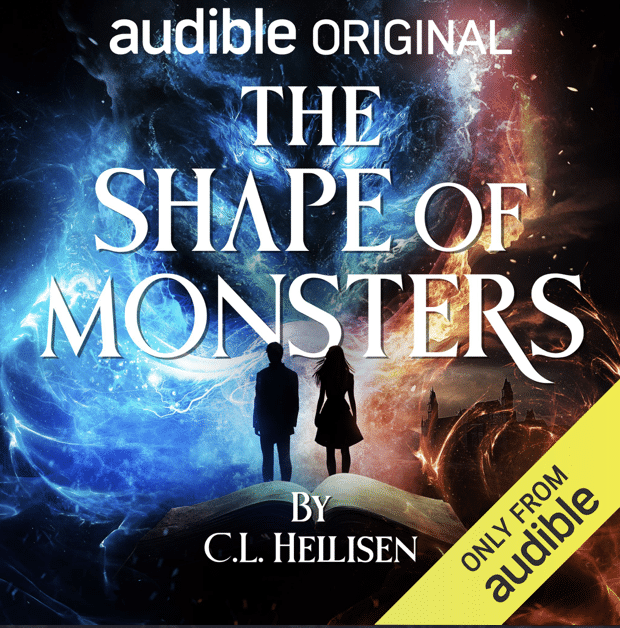
I started querying The Shape of Monsters in 2022, and finally got an agent, and went through some revisions with them, then when it sold to Audible originally and went through several more rounds of edits. I couldn‘t give you a solid number but I think it’s well over ten rounds of full revisions, excluding proofreads and copy-edits.
Did you work with beta and/or sensitivity readers? How did you find them? How did you incorporate their feedback?
I had a few betas, who were writer-friends I trusted to give me decent, helpful feedback, plus the insight of my agent, and later editors. Mostly if people are telling me something isn’t working, I try to find out where I’m going wrong and make that thing work. You cannot please every reader, but you can strengthen weaker parts. Unless a suggestion goes completely against what I’m trying to do, I’ll consider why it was made, and what I can do to fix the problem at the root of it.
What was your querying process like? How long did it take?
It was so long ago now, but I do remember it was very slow and depressing; I was getting ghosted on fulls and feeling very dejected. The last time I had gone agent hunting it was much easier, but the publishing world had shifted considerably since then—it’s much harder now.
I had actually given up and was considering other publishing routes, but a pal suggested trying their agent, Caro Clarke at Portobello Literary. When I looked, I thought they were very unlikely to be interested, but decided they would be my final punt. As it turns out, they were exactly the right agent for me.
Once it was in the hands of your publisher, what was the process to get it ready for release?
Editing The Shape of Monsters was a slightly different process to what I was used to with my earlier novels—in this case the acquiring editor at Audible was not who worked with me on the book, but an outside editor was brought on. She later left, and my replacement editor turned out to be the BFS’s own Shona Kinsella, who I had worked with before when Cast Long Shadows was published with Luna Press, so I knew I was in good hands. She stayed on as editor for the sequel, A Million Points of Light.
When the print rights sold to Tor UK, they didn’t have me do more narrative edits, but we did go through copy edits and proofreads.
And now your book is about to be unleashed on the world! How are you feeling?
It’s a bit surreal and unreal. The Shape of Monsters and its sequel are both already out as audiobooks, but there’s something about print that makes it feel so much more immediate—not to knock audiobooks at all, but I do love a physical copy of a book in my hand.
With the Audible release, the book went live and that was pretty much it; now it’s going to be in bookshops, something people can pick up and flick through, read a few lines, and hopefully take to the counter because they need it in their life.
What would you like us to know about this book?
The Shape of Monsters is a secondary-world fantasy, but it’s modern rather than set in a quasi-medieval Europe—the magic is dark and old, the gods are not what they seem, and it’s ultimately about two siblings and the mage war they have unexpectedly found themselves embroiled in.
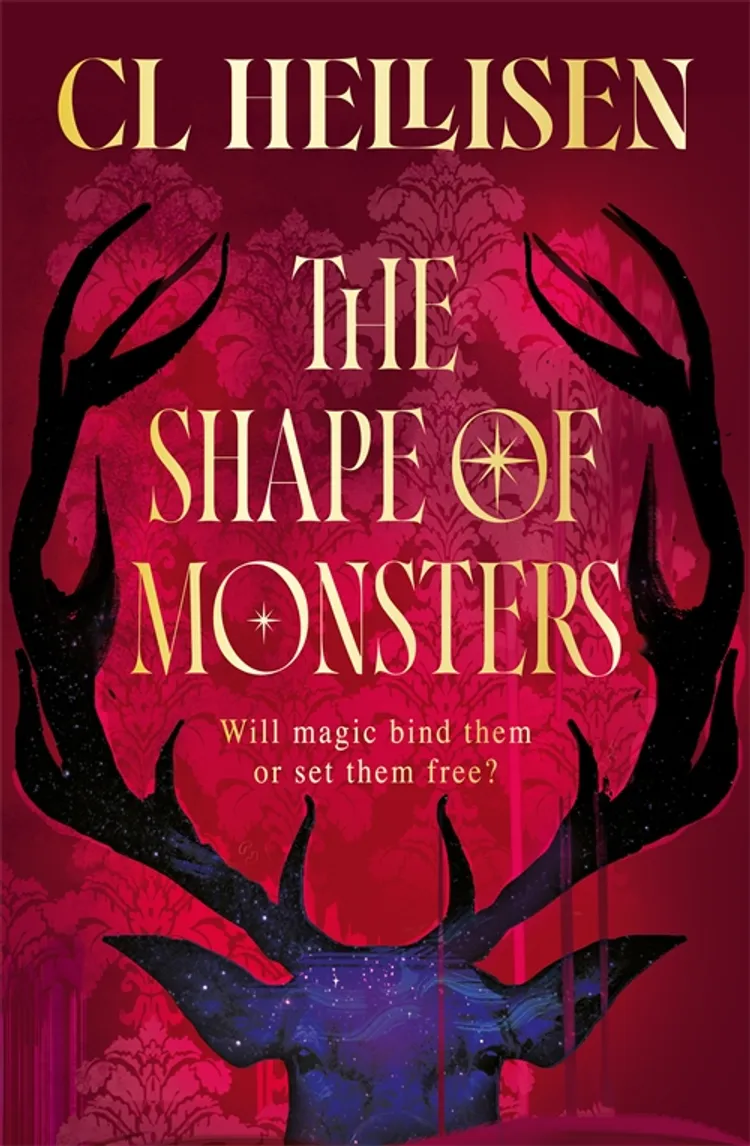
When the wrong sibling summons a monster from the void, the balance between them shifts, and betrayal haunts every move. It’s also a love story (sort-of, if you squint) though I would hesitate to call it a romantic book. Unless your idea of romance is about unequal power, control, and a touch of light cannibalism.
(Is it cannibalism if one party isn’t technically human? I’ll put that on a shirt…)
Who’s the ideal reader for this one? What sort of things do they like to read about?
The ideal reader probably likes things lush, dark, queer and gothic. They like their characters broken, morally grey, desperate—and in their desperation and trauma, prone to making terrible decisions with far-reaching consequences.
Readers who like their magic a little bit weird, who want to fall in love with a genderfluid, immoral, dragonish Prince from the void, and have a soft spot for characters who are just a little bit feral.
Your Writing Process
Are you a plotter or pantser or somewhere in between? How do you do your first draft?
Neither, really. I’m what I call an exploratory or discovery writer—my first draft probably looks like pantsing, but its really just one 90k outline 😉
I write my first draft with a clear scene in mind, the image that seeds everything, and then I explore the story and world as I write, and often make myself bullet-point lists of things that could happen. I put down every tangent I find interesting, because I never know which is going to be the path that makes it all work in the end.
I usually have a vague idea of how things end, just not exactly how I get there. But also the ending can change if a better one evolves from the story.
Process is just getting words down on the page, so you have something to edit; how you get there is not important, as long as it works for you.
How do you approach writing? Are you the type of writer who needs to treat it like a job? Is there a particular time of day you find best for you to write?
I write every weekday, and weekends I save for myself. My goal is to get 100 words a day. Some days that’s all I get, and that’s fine, other times it’s 2000 words.
Geek out about stationery: do you use a notebook? A specific type of pen? Or are you computer all the way?
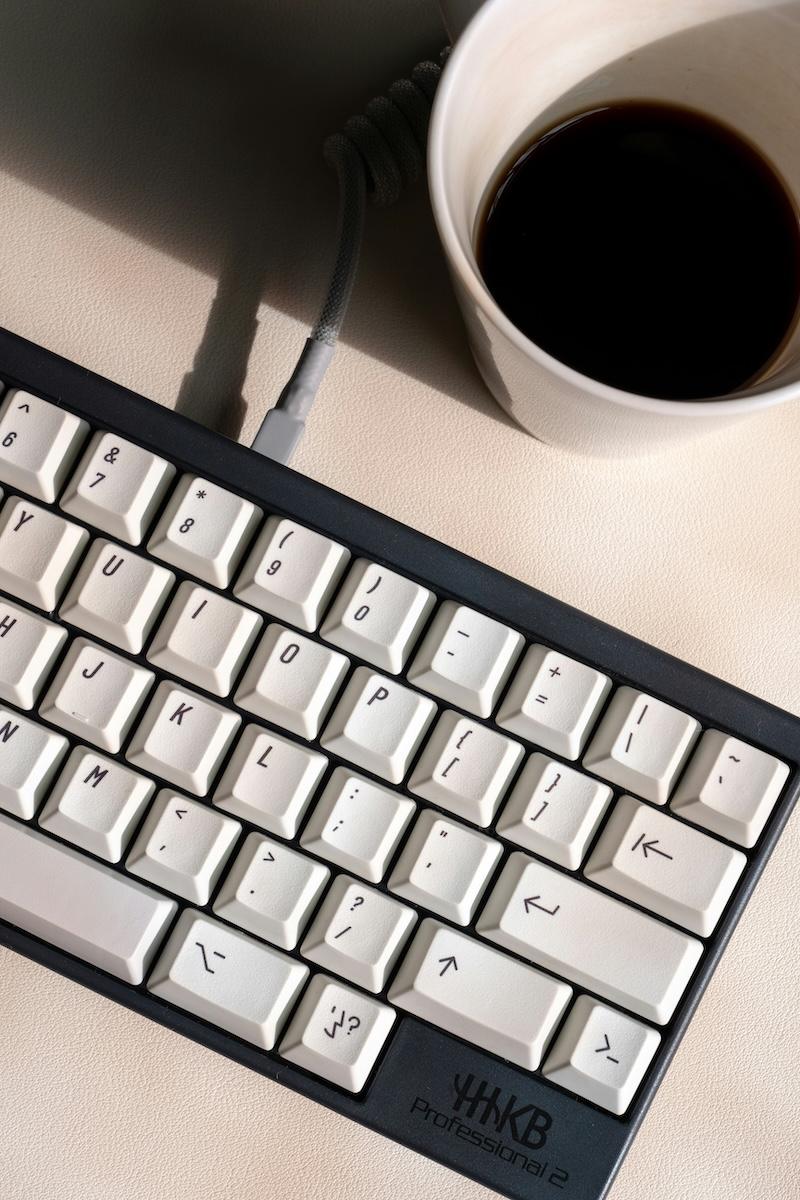
I have chronic pain and terrible handwriting, so I just hunt and peck at my PC keyboard.
Is any of that different for editing?
I’m currently editing a new rough draft (which is even older than Monsters…) and mostly it’s me wondering what I was thinking and how can I fix this? I’m reading through for my agent’s edits, making changes and writing out a scene list. I’ve added about 50k in this round, and then I’ll pop it on my Kindle and read it like a book, making notes and hopefully cutting a bunch of stuff, then I’ll edit from those notes, and send it back to my agent and see if they have a heart attack. Ideally, I’d like to get it back under 140k, but that means a lot of stuff is going to have to go….
(Photo by Peppy Toad on Unsplash)
Where do you work? Do you have a comfy, creative space at home or are you someone who has to grab the moment wherever it comes?
I used to write in my bedroom, which was the worst, but currently I have an office set up (not sure how long it will last) and I work at my computer.
What’s your writing soundtrack?
I usually just let my music play and it kinda fades into the background, but whenever a song gives me ‘book vibes’ I pop it into a soundtrack folder. The Monsters one has lots of Placebo, The Twilight Sad, K Flay, Tricky and Flower Face it seems (I just had a look; it’s definitely going for creepy, electronic and a bit obsessive.)
Do you have a writing ritual?
Not really. I like to have a coffee first though.
Where can we follow you / find out more about your work?
I’m most active on BlueSky, but I’m also about on Instagram and Threads, and my website clhellisen.com will have more info about my books and short stories.
I do try make Fantasycon and Cymera every year, and sometimes Eastercon and others, but I’m most likely to go to cons in Scotland as it’s easier for me. If you see me about, I’m generally good with meeting new people. I have been almost trained to be human.
Leave a Reply