The shortlisted works across all 13 categories of the British Fantasy Awards have been announced! Find out who’s in the mix over on our blog. Winners announced at Fantasycon in October.
The Joy of Novellas
There’s something going on with novellas right now: Despite having almost no presence in mainstream book stores, they’re increasingly popular in SFFH circles. So what’s driven this resurgence, and what is the appeal of the novella? ANDREW KNIGHTON digs in…
The history of novellas is as old as genre publishing. Franz Kafka’s Metamorphosis, a foundational story for writers of the weird, falls inside this category at 22,000 words, while Henry James’s The Turn of the Screw is only a little longer than most. Writers of imaginative fiction have always enjoyed stories that get the to the point and get out.
Whether published alone or in magazines, novellas were big business in the middle of the 20th century, with stories that helped shape the genre landscape. Isaac Asimov stitched together a collection of novellas and short stories into the original Foundation trilogy, one of the defining series of science fiction.
But novellas had a problem. While lower word counts and fewer pages made them cheaper than novels to produce, supply chains, sales and marketing meant that they could cost customers almost as much. By the 1980s, cost-conscious readers were leaning more towards big stories. Novellas had categories in some awards lists, but they weren’t big business.
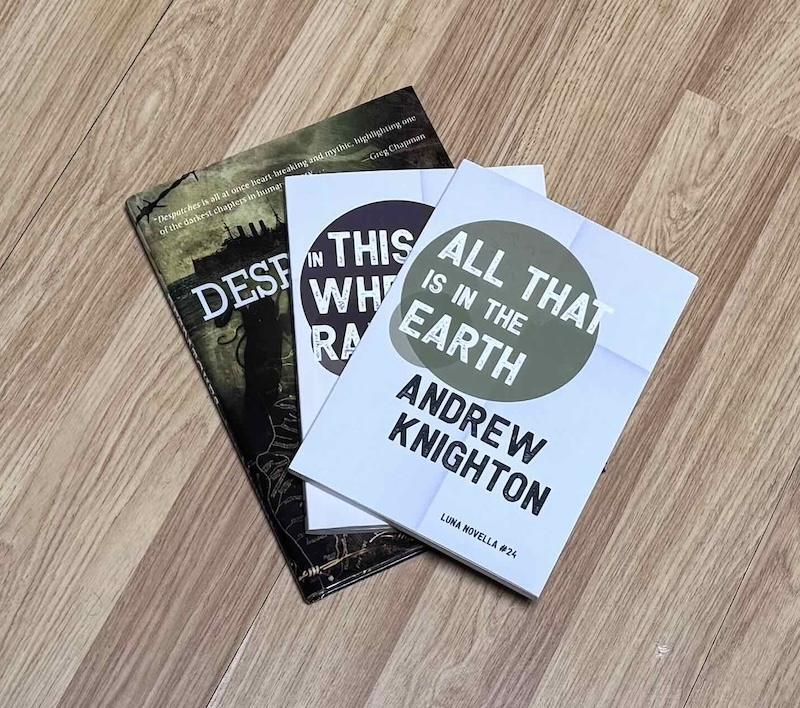
(Pictured: the author’s novella All That Is In The Earth, part of the Luna Novella series, along with other novellas easily accessible for a quick photo from the editor’s bookshelf)
Then came digital publishing. E-books provided a publishing channel with different price dynamics, while Amazon’s disruption of the book market created both pressures and opportunities to try something new. Indie writers and small presses made more use of the form, including as cheap reads or giveaways to lead readers into their bigger books.
In 2015, Tor.com [now: Reactor Mag] entered the fray. An offshoot of a major publisher, they had the resources to market novellas with as much impact as novels, and their work was a hit. Big names and rising stars turned up in their roster, playing around with exciting new ideas. Some of those books, though excellent, never found the readership they deserved (try David Tallerman’s Patchwerk), but others went big. Martha Wells’s Murderbot proved so popular it’s now an AppleTV streaming show.
Tor.com’s success got other big publishers interested, and helped fuel the small press novella scene. Best novella award lists attracted more attention while readers became more accepting or even eager for these slender tomes.
At a time when it was easier to experiment with publishing, and when publishers were under economic pressure to innovate, small books held potential to be the next big thing.
Why Read Novellas?
None of this would have happened if readers weren’t interested.
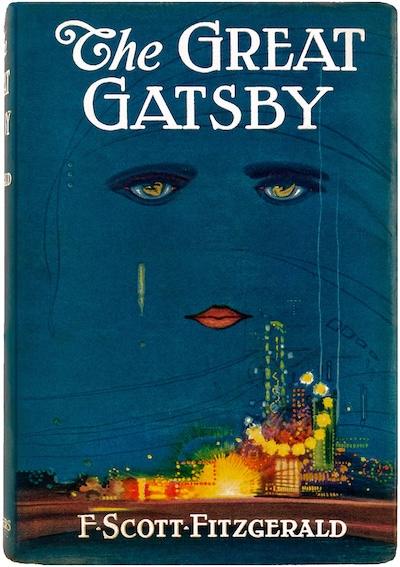
There’s an argument that this is about the age of short attention spans, in which shorter books appeal to brains rewired by TikTok and Twitter. But it’s important not give this argument too much weight. The Great Gatsby has been selling for over a century and Shane might be the most influential western ever, though both are below 50,000 words. If our attention spans are getting shorter (and the science on that isn’t as compelling as the headlines), it’s far from the only factor.
Whether or not the internet has turned our brains into goldfish, we all want a shorter option sometimes. Maybe you don’t have much time. Maybe you don’t want to concentrate for so long. Maybe you’re after a small, light book to carry with you on the train. Never fear, novellas are here.
Brevity has other advantages, too. If you’ve been wanting to try an author’s work but don’t know if you’ll click with it, a novella is a low commitment way to test the waters. The same is true for trying new genres. Within a novella, a world or idea can unfold in full, providing immersion and fulfilment without overstaying its welcome. You can taste the bitterness of horror or the sweetness of romance without being overwhelmed by something too scary or sickly.
Then there’s the consumption of it all. Because most novellas come cheaper than novels, they don’t hit the wallet so hard. Subscription services like Kindle Unlimited can lead you from one to the next, feeling the thrill of completion again and again. In the age of binge viewing, they fill the role of the miniseries, something you can get through quickly and then talk about with friends.
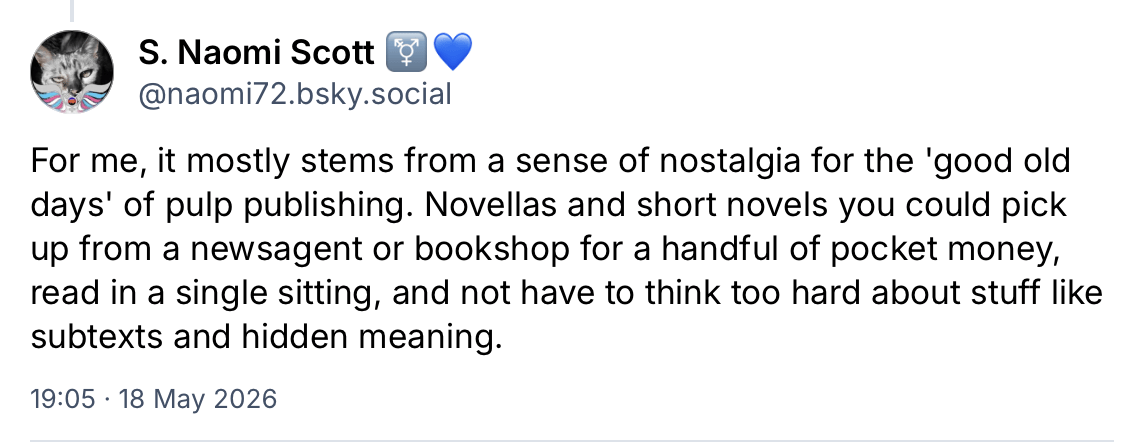
As S Naomi Scott, herself a novella writer, has pointed out, there can also be an appeal to nostalgia. By providing a quick hit of story at a lower price point, novellas evoke the days of pulp publishing, and perhaps less strenuous reading. They let readers feel a connection to publishing days gone by, without their less savoury side.
And for some readers, size doesn’t matter. As long as they’re interested in the author or the concept, they’ll go for it. By providing one more option, novellas sell themselves.
Why Write Novellas?
If readers and publishers both want novellas, then writers have one obvious reason to write them—because they’ll sell. But there’s more to it than that.
For me personally, novellas provide enough space to work through an idea that would feel cramped inside a short story. Those pages let you present a well-rounded character and or a substantial world that a short story might only be able to illuminate in glimpses.
The flip side of this is that some stories don’t have the weight for a complete novel. Stretching them out that far leads to something thin and unsatisfying, while a novella condenses it down to a tasty treat.
The fact that novellas are faster to write than novels is often an advantage. If you don’t want to spend so long with an idea, or if you crave the motivating buzz of completing a piece of writing, then a novella gets you to the end that bit faster. A lower commitment can ease the mental pressure on yourself, making it easier to stay motivated without feeling stressed.
All of this makes novellas a good place to experiment. You can explore a character, a theme, a setting, even a form of technology or a magic system, knowing that you’ve got space to stretch your legs without completing a creative marathon. I’ve used it to play around with metallurgical magic, a monastery full of ghosts, a quarantined planet, and walking as a way to tap into the past. Some of those are things I plan on returning to for longer works, but others let me see that an idea had run its course and it was time to move on.
Whether you’re a reader or a writer, hopefully by now you’re excited for SFFH novellas. Here are some of the publishers currently putting out exciting work, and examples you might want to try…
Tordotcom (yes, that’s how they seem to spell it now): Throw a dart at the shortlist for an SFFH novella prize and you’ll find something good by them.
…and there are, of course, many more. Consider this a starting point!
We’re always being told that we live in a golden age of this or that, but it really is true when it comes to SFFH novellas. Whether you’re a reader, a writer, or a blogger looking to fill the page (hi, me), there’s never been a better time to give novellas a look.
Growing up, Andrew Knighton’s goal was to go on fantastical adventures in impossible worlds. When that didn’t work out, he started imagining the adventures instead, and a writer was born. He’s now the author of the Forged For Destiny and Executioner series, and his novella Walking a Wounded Land is a finalist for the British Fantasy Awards. He lives in Yorkshire with an academic and a cat, growing vegetables and striving for a brighter future, while still hoping that a magical portal will open between the broad beans. You can find more of him at andrewknighton.com.


Leave a Reply