The winners of the British Fantasy Awards 2026 were announced at Fantasycon. Find out all the details on our blog.

For all things fantasy, horror, and speculative fiction
-
Announcement:
From Pen to Print: Nicki Pary on A Teller’s Tale
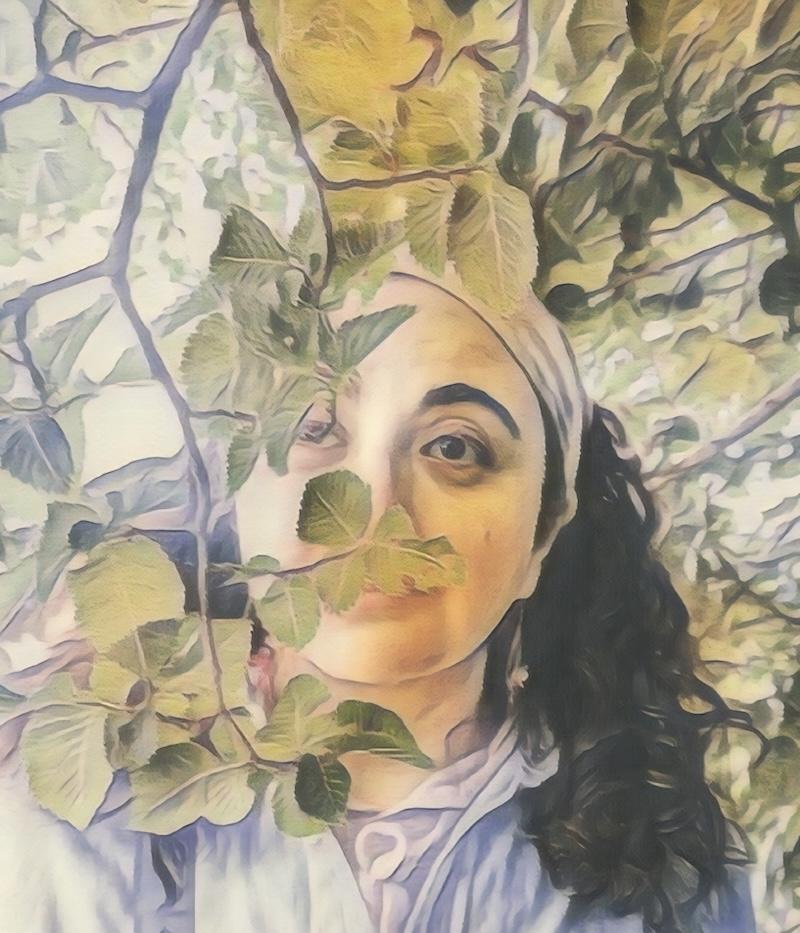
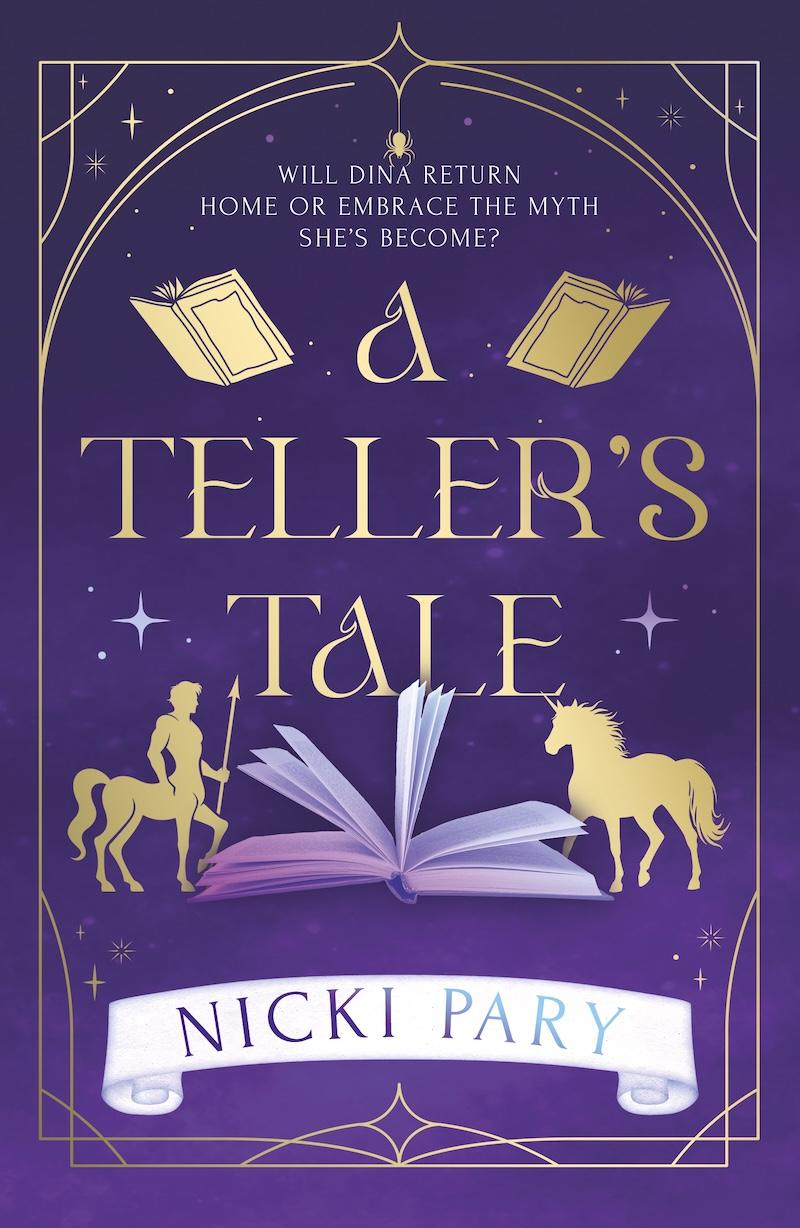
Bedridden due to chronic illness, Nicki Pary imagined escaping into another world. Those daydreams formed the basis of her first novel, A Teller’s Tale, which is out now through The Book Guild. She tells us more about what she calls a meta-novel about fantasy storytelling.
Name: Nicki Pary (she/her)
Based in: Reading, Berkshire
What genres/subgenres are you drawn to?
Fantasy, sci-fi, surrealism, satire
Is writing your full-time focus, or do you have a day job as well? What do you do?
I also work part time as an online proofreader/editor
The Book: From Pen to Print
What was the genesis of this book? Where did you get the idea from?
When I was bedridden due to a long-time chronic illness, imagining escaping into another world became a therapeutic exercise. Maladaptive daydreaming became a coping mechanism and after encouragement, I began to write details down in order to not forget. Then it developed into a full story from there.
How many drafts did you go through before you felt it was ready to query? How long did that take you?
5-6 drafts over the course of two and a half years, then I forced myself to stop.
Did you work with beta and/or sensitivity readers? How did you find them? How did you incorporate their feedback?
I joined a local writing group in my community and managed to find a few kind people willing to offer their constructive feedback. They helped me see plot holes that the exhaustion of drafting over and over had left me blind to.
What was your querying process like? How long did it take?
I researched and compiled a spreadsheet of every publisher I could find online and checked off each box as I went. I submitted to 150+ publishers—then, maybe five months later, my work was lucky enough to find someone who thought it was worth a chance.
Once it was in the hands of your publisher, what was the process to get it ready for release?
I coordinated with Carolina, my production controller, who was so kind and explained how the process of publishing was going to go, arranged for it to be proofed and formatted for print, frequently sending me updated copies for me to check. She worked with me to make the book cover design, and got me in touch with my publicist Emily who also kept me in the loop of the marketing plan for my book.
And now your book is unleashed on the world! How are you feeling?
Honestly, as giddy as I was when I first got the news. As if I’m still waiting for the other shoe to drop and for this all to fall through. As if it still isn’t completely real. Yet every day it sinks in a little more that it is really happening and I want to cry from joy.
What would you like us to know about this book?
- It is not YA Fantasy, it is not Romantasy; any hint of romance is very slowburn, embers really. All to set up for the sequel, which I’m currently writing.
- It is a satirical fantasy, a meta novel about the power of storytelling as well as a fantasy adventure.
- The story contains LGBTQIA+ characters
- There is adult, upsetting content and language. There is a trigger warning list in the front of the book.
Who’s the ideal reader for this one? What sort of things do they like to read about?
The person who loves fantasy, mythology and satire, and loves to critique storytelling. Who loves found family and friendship as much as they love romance, if not more. Who doesn’t mind and embraces the shift between and sometimes combination of whimsy and the dark.
Your Writing Process
Are you a plotter or pantser or somewhere in between? How do you do your first draft?
An obsessive plotter—I need a precise timeline, even continuity notes, then I keep jumping back and forth between sections because I randomly thought of a passage to write.
How do you approach writing? Are you the type of writer who needs to treat it like a job? Is there a particular time of day you find best for you to write?
I do not need a particular time of day but I feel uncomfortable sitting down to write if I know I’ll only have a short amount of time in which to do it. Most of my writing happens when I furiously scribble down heaps of notes on my phone or an actual notebook and then try to organise it later in the actual document.
Geek out about stationery: do you use a notebook? A specific type of pen? Or are you computer all the way?
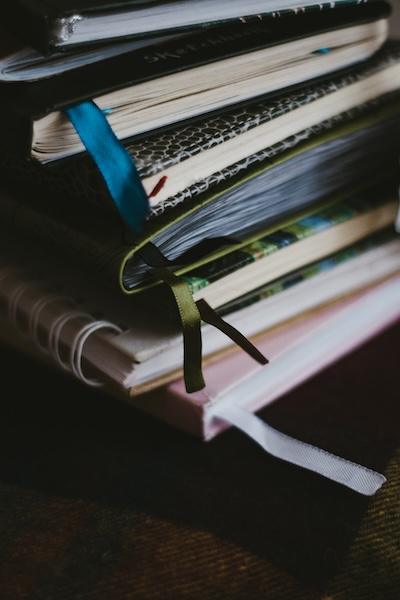
A I have three main notebooks: a small one I always carry, a medium one right next to my bed for when I become inspired just as I’m falling asleep, and a large A4 for when I sense a larger piece of text running through my brain. I also use a notes app on my phone, voice recorder sometimes, but the real work happens when I have to organise them all in their proper place on the laptop.
Is any of that different for editing?
Editing is always reserved for the computer—and only after everything is in place and I’m ready to conduct a draft.
(Photo by pure julia on Unsplash)
Where do you work? Do you have a comfy, creative space at home or are you someone who has to grab the moment wherever it comes?
If I really need quiet then I use my own bedroom where I have a nice laptop tray and copious amounts of pillows to support me, as well as an endless supply of pens and notebooks. Otherwise I just jot down whatever I can, whenever I can.
What’s your writing soundtrack?
I ended up making a playlist for my book on my YouTube channel (linked below) based on the songs I gravitated towards during my writing and that I feel fit my book.
Do you have a writing ritual?
Scramble, scribble, sort and sigh.
Where can we follow you / find out more about your work?
I have an X account, a TikTok and a YouTube channel where I post about my book, writing and my other geeky, fantasy obsessed interests.