The shortlisted works across all 13 categories of the British Fantasy Awards have been announced! Find out who’s in the mix over on our blog. Winners announced at Fantasycon in October.

For all things fantasy, horror, and speculative fiction
-
Announcement:
Ask an Expert: May 2026
In this monthly column, we pose your questions to an expert in a specific field of speculative fiction and the wider ‘industry’. This month we check in with the team behind Spec Fic for Newbies, Tiffani Angus and Val Nolan, who field questions all about subgenres of SFFH.
This month: The subgenres of sci-fi, fantasy, and horror, with Tiffani Angus and Val Nolan
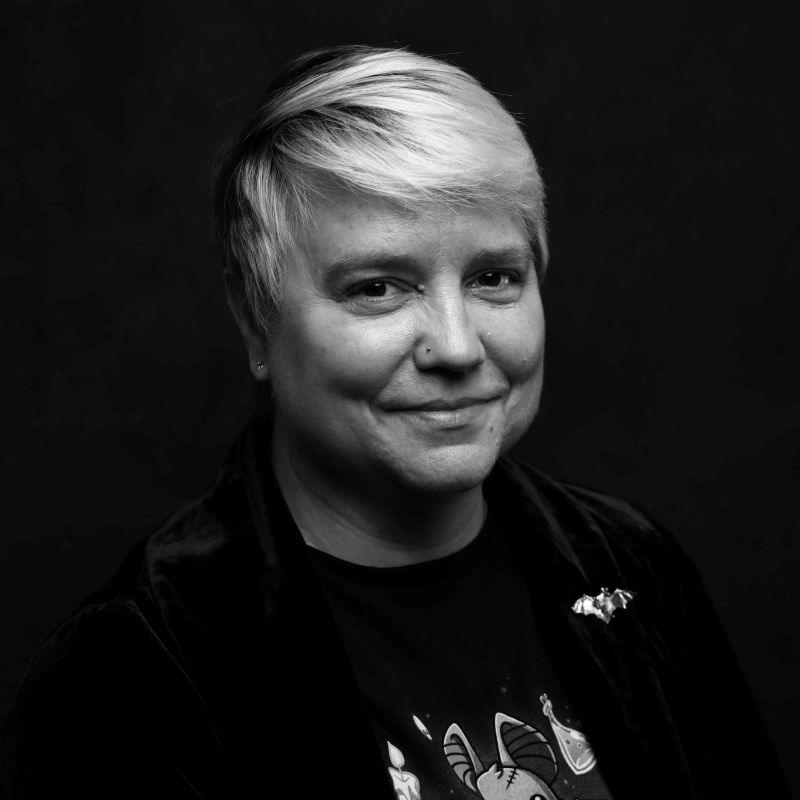
Name: Tiffani Angus
Website: www.tiffani-angus.com
Specialism: Spec Fic for Newbies
Follow: Instagram | BlueSky | Facebook
Tiffani Angus (PhD) is a multi BSFA- and BFS-award finalist for her debut novel Threading the Labyrinth and for non-fiction (with co-author Val Nolan) for Spec Fic for Newbies: A Beginner’s Guide to Writing Subgenres of Science Fiction, Fantasy, and Horror Vol. 1 (2023) and Vol. 2 (2024), both of which also made the Locus Recommended Reading List. Volume 3 launched March 2026. She spent over a decade teaching creative writing at universities in the US and UK, most of that time as a Senior Lecturer in Creative Writing and Publishing at ARU in Cambridge (UK). She works as a freelance editor and proofreader, runs the typesetting/formatting business Book Polishers, leads various writing workshops in person and online, and lives in Bury St Edmunds with her partner.
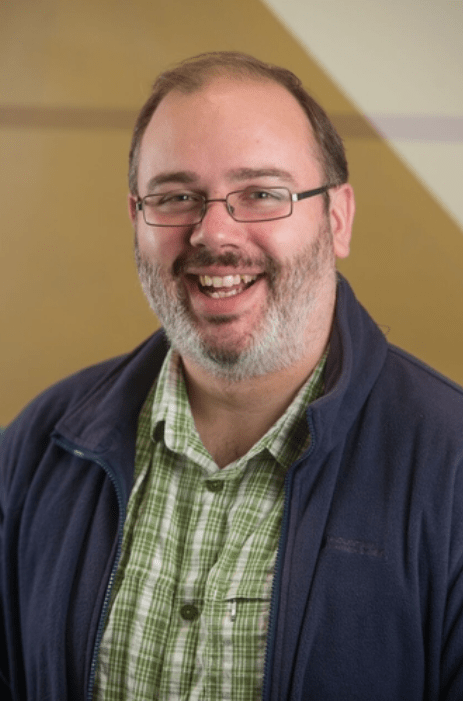
Name: Val Nolan
Specialism: Spec Fic for Newbies
Follow: BlueSky
Val Nolan is a Research Fellow at Aberystwyth University. He is co-author of the BSFA/BFA shortlisted and Locus recommended writing guide trilogy Spec for Newbies: A Beginner’s Guide to Writing the Subgenres of Science Fiction, Fantasy, and Horror (Luna Press, 2023-2026) and author of a monograph about the filmmaker and novelist Neil Jordan (Neil Jordan: Works for the Page, Cork University Press, 2022). He has published peer-reviewed articles in Science Fiction Studies, Journal of Graphic Novels and Comics, Irish University Review, Foundation, and elsewhere. He reviews books for the Irish Times, has written for Reactor, and contributes a regular column to Interzone looking at the history of SFF criticism.
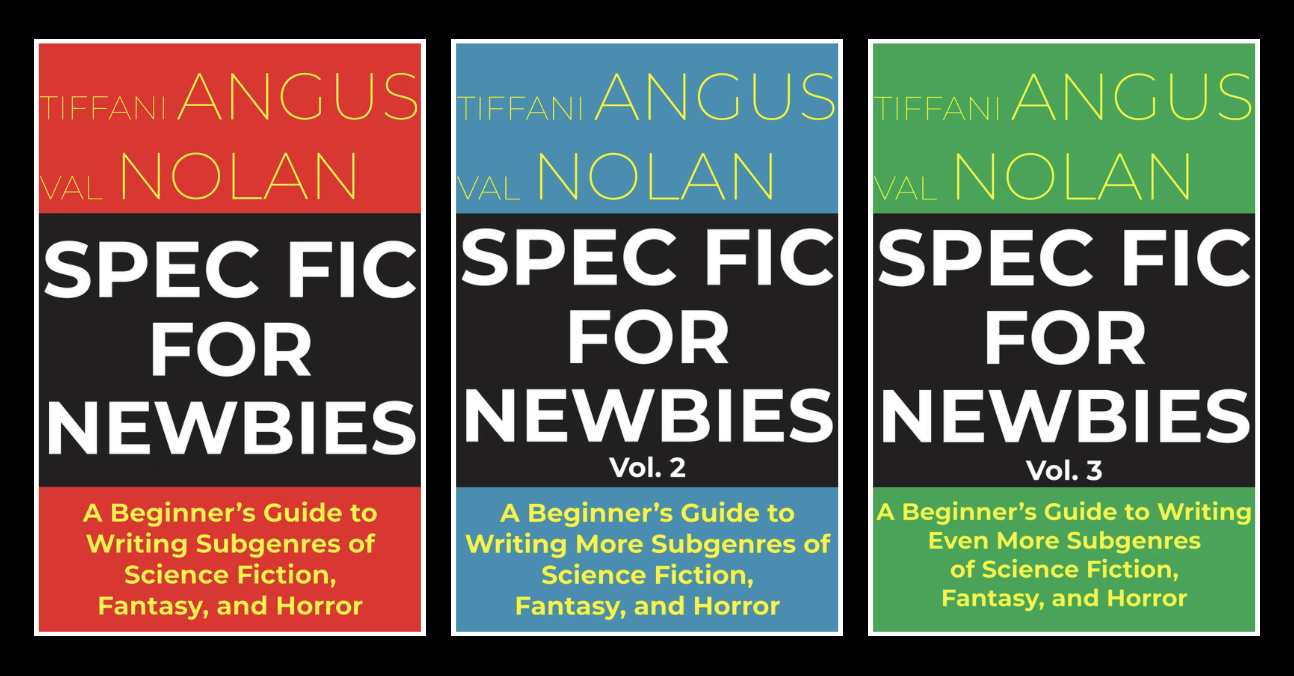
BTW, Spec Fic for Newbies vols 1, 2 and 3 are now available from Luna Press Publishing!
On niching
How specific should we go with subgenres? Does it matter if we can’t figure out what subgenre the book is? What if the story doesn’t neatly fit into any boxes?
We think that it doesn’t really matter if your story doesn’t fit precisely! That said, it is useful to consider how the various subgenre elements of your story are weighted differently. Think about what happens if you remove one possible subgenre and its elements from the story: does the story still work? If so, then your story is most likely sitting under the label of one of the other subgenres you’ve chosen. Remember, too, that a ton of interesting stuff happens in between genres! And also that most stories won’t neatly fit into boxes, but that’s what happens; writers play around with ideas, borders aren’t solid, and the fun comes with bashing things together. That, of course, is also where the confusion comes in when trying to query or market a story, though we have various bits of advice about that further down.
Have we gone too far with niche subgenres—and is that the fault of social media?
Subgenres are useful because readers want to know how to identify a story, and labels, whether we like them or not, help them find new stuff. The issue arises when publishers need to sell the stories, and labels get narrower and narrower. But is it the fault of social media? Well, most things are these days 😂 But, in all seriousness, social media does make niche subgenres more visible, and that’s not necessarily a bad thing (though we accept that your individual light yearage may vary on this!). What it also leads to, of course, is the question of the role both readers and publishers play in the industry; that is, who is “in charge” of deciding what gets published: the producers or the buyers?
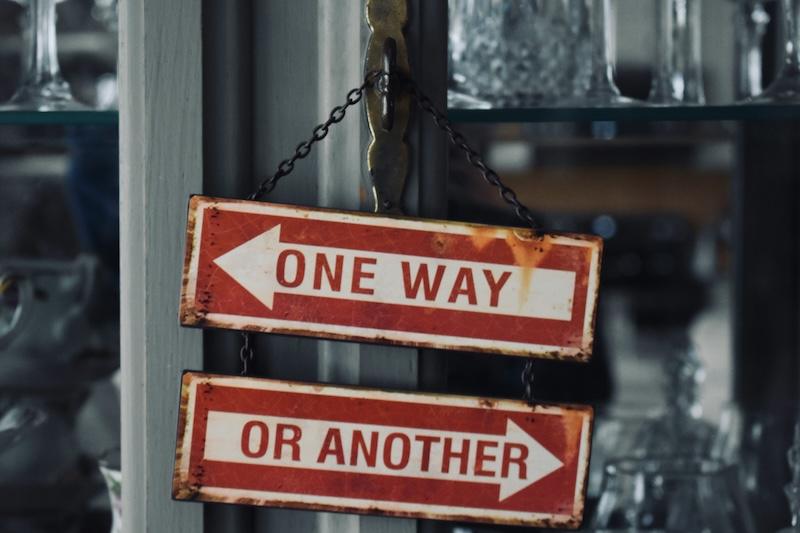
Would you classify a modern, real world but with magic where the action takes place in a rural setting as urban fantasy? Is rural fantasy a thing? I get so confused with all the subgenres.
In your case we would not call it urban fantasy because that really does need a city; indeed, the city is frequently a character of its own in that subgenre. But, fear not, rural fantasy can absolutely be a thing, but in that case the countryside needs to have the sense of character that the city does in urban fantasy. Think about The Shire in The Lord of the Rings: It has a distinct sense of place and magic and wonder to it that wouldn’t work in, say, London city centre.
Are some subgenre classifications or distinctions so narrow that they’re just not worth it? And should you try and fit your work into a subgenre when querying?
The problem with narrower and narrower (and narrower!) classifications (sub-subgenres if you will) is that they’re frequently a fad. And fads will have passed you by before you get around to querying, and especially before a book can go through the publishing process (this is why writers shouldn’t write to the market).
As for more established subgenres, we’d say yes, it can help when querying because the agent will know what the book is and where it would sit in a bookshop, along with what other books to compare it to—all of which helps the agent sell the book to the editor at a publishing house, which will in turn then have a better idea of how to market and sell the book.
Don’t feel the need to drill down to a sub-subgenre (or sub-sub-sub!) because, again, those might be fleeting. Just ballpark it in your query letter and let the agent figure it out from there! This is where their knowledge and experience come in.
On specific (sub)genres
What do you feel about punk as a subgenre? What makes a subgenre ‘punk’? There are so many from cyberpunk, to steampunk, solarpunk, lunarpunk, dieselpunk etc… Are there any new punks you expect to see?
The thing about “punk”, regardless of what variety you’re talking about, is that it’s all about anti-establishment energy. Punkness, which we love, is about being true to yourself and the people around you (oh hi, Superman!). As we say in Spec Fic for Newbies Vol. 1, “punk” refers to “an attitude, a cynical and subversive stance taken by the genre’s many malcontents and loners” (p. 68); these are stories that generally benefit “from standing for something. It’s a meaningful artistic movement grounded in a desire for—even anticipation of—real change, focusing not on what we have to lose but on what we have to gain” (pp. 81-82). Punk subgenres generally have “something to say about society” (p. 130).
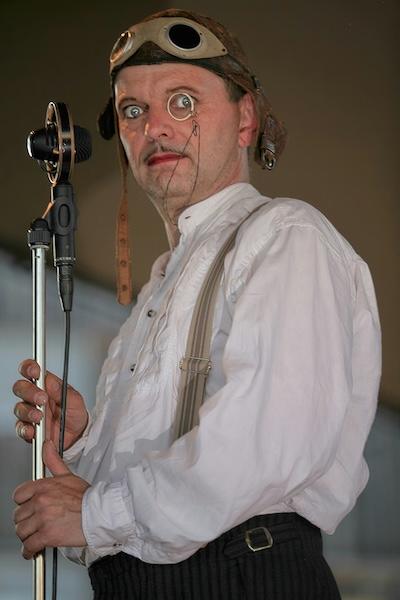
As for any new punks? Hopepunk has been floating around as a label for a while, and when you look at the dumpster fires the world is currently dealing with (#Dumpsterpunk, anyone?), it makes sense that it is now “a thing”.
Also, fun fact: We say “punk” 242 times in Spec Fic Vol. 1! 😂
How would you define magical realism, and where do you see its border with other types of fantasy?
We have a whole section in Spec Fic Vol. 3 where we talk about it in great detail! We say that, for some, magical realism is a subgenre proper. For others, it’s a narrative strategy for looking at the “real” world with spec-fictional eyes. There are those who see it as the defining style of Latin American fiction and others who consider it merely a marketing term to sell fantasy to self-described “respectable” literary readers. In terms of its border with other subgenres, perhaps the most accurate description we’ve encountered is from the academic David Punter: “If a ghost sits down at your breakfast table and you’re scared, that is horror… If, however, you say ‘Oh, here is a ghost, please pass the marmalade’, that is Magical Realism”! You’re most likely to see the MR label applied to fantasy set in our primary world and, often, in our time period or the more recent past (but that’s not to say that you can’t use a setting hundreds of years ago).
How can I convince fantasy people that they probably do like horror, given the subgenres they tend to love? What are the most common crossover points (paranormal? Monsters?)? And how can we improve the perception of horror in SFFH in general to prove it’s not all blood and guts and gore?
We have combined this with another question: Is horror just a mood or is it a distinct genre?
Horror is a genre and a mood. This is because science fiction and fantasy can both also be horror (think Alien or the appearance of zombies on Star Trek on the SF side, or, on the fantasy side, the Dead Men of Dunharrow in The Return of the King or even the fighting undead in Pirates of the Caribbean). This makes it a mode. But horror has various tropes and expectations that also make it a genre. A horror story doesn’t need to be science fictional or fantastic to be horror, especially because it’s sometimes set in our real world, such as with more gory fare like Friday the 13th or Saw.
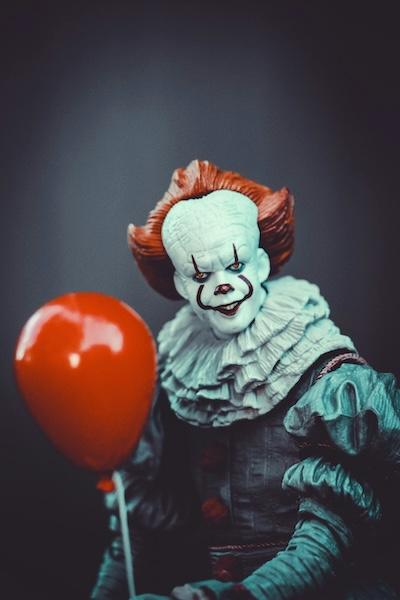
By looking at horror this way, you can see that it has a lot of crossover points and runs the gamut and isn’t always blood and guts and gore (which is to say it’s not all Splatterpunk! See Spec Fic Vol. 1 for more on that!). You can see that people “consume” horror more than they realise because its ideas are threaded through an awful lot of modern media. For example, Wednesday is horror but we don’t necessarily find it scary, so some wouldn’t put it under a horror umbrella (which would obviously be dripping blood). So, talk to your friends and family and ask them what they’re reading or watching, and you might just be able to point to some of it (from outside the window while wearing clown make-up) and say, “You’re a horror fan after all! Muhahahahahaha!”
Tiffani: Val, mention clowns again at your own risk! (see p. 170 of Spec Fic Vol. 1)
What are the current subgenres for contemporary fantasy? Urban fantasy seems to be used for a lot of stories to denote contemporary fantasy across quite a wide range – are there other options?
Honestly, a lot of current subgenres have existed for a while; these include urban fantasy, paranormal romance, portal fantasy, epic fantasy, dark academia (with fantasy elements), and dark fantasy among others. New subgenres such as cozy fantasy and romantasy are “contemporary”, but the reason why is complicated. (And see our note above about chasing fads!)
Identifying “contemporary fantasy” is difficult. The term contemporary is used to denote time; so, something is contemporary when you’re sitting in it, but in ten years, it’s not going to be contemporary. So we have to ask, is contemporary fantasy a story that is set now? Or is it fantasy that is written now? It’s difficult to make this distinction. Because what it seems to be is fantasy set in our regular world that uses various known tropes related to our here and now; it’s not secondary-world fantasy or historical fantasy, or science fantasy, but “generic” fantasy. We think urban fantasy gets used as a label a lot lately because we’re mostly city dwellers and townies, and it’s difficult to think about our life now without thinking about the streets on which we live and learn and work. But, as noted earlier, urban fantasy is centred in particular cities, and the city itself is a character, so urban fantasy doesn’t always equal contemporary fantasy. Just ask Dr. Jekyll!
It feels like, as folk horror has become “trendy”, many writers are adopting the label for things that wouldn’t normally be classified as folk horror. What’s your definition of it? Can it be set in a secondary world, or is it purely real-world? What would be a better classification for secondary world/high fantasy that skews to dark folklore—mainly so the folk horror purist readers don’t give bad reviews!
In Spec Fic Vol. 2, we explain that folk horror is difficult to define because, sort of like horror in general (as explained above), “It’s a mood as much as anything else” (p. 171). It’s a relatively new subgenre that was only named in the 1970s, and it often contains specific elements in a specific order, called the “Folk Horror Chain” (p. 173); we didn’t come up with the chain (that was academic and filmmaker Adam Scovell), but we describe it in detail in the book. In general, it’s very often set in an isolated place unfamiliar to the visitor (your protagonist) where a close-knit community will perform ceremonies that end in some sort of “summoning” or “happening” (p. 174). Further, “It’s a type of storytelling deeply beholden to half forgotten histories and (often very local) folklore, one filled with ideocratic supernatural beliefs, warped versions of Christianity, sexual acts in the service of pagan fertility cults” and “ritualistic killings (so many killings)” (p. 171). Because of all this, folk horror could really only be set in a secondary world if that world itself has a clear mythology or set of legends that come from its culture that would then lend themselves to being engaged with by the characters in the same sort of way that our real-life folk horror characters encounter myths/legends in our real world.
With regards to your classification question, you need to be upfront with the reader that this is set in a secondary world. That way they can adjust their own expectations. This, after all, is one of the main functions of subgenres: helping readers discern work that does and does not appeal to them. As we discussed earlier, consider which subgenre is the strongest in the story; in this case, dark secondary-world fantasy or even secondary-world mythological fantasy might come closest to describing it.
What do you say to those who seem confused/angry about the “rise of Romantasy”—haven’t we always had these stories, but they’re now just packaged up in TikTok language?
The people upset about Romantasy are (mostly) angry boys who’re afraid of girl cooties. Tell them to get over it and that they’ll always have Mantasy (which, disappointingly, isn’t a subgenre about manatees).
And yeah, we’ve always had these stories. But also, yes, TikTok has labeled and packaged them in very prominent ways, much like the publishing industry does, because we humans like labels that give us an easy way to say, “I like that.”
On subgenres in general
(Photo by Houcine Ncib on Unsplash)
What’s your favourite obscure / under-appreciated subgenre of SFFH and what’s a good recommendation from that subgenre?
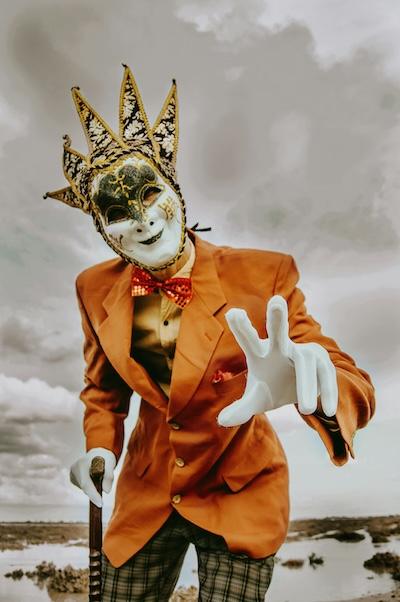
Val: Carnavalesque is always a cool subgenre/vibe. As we explain in Spec Fic Vol. 3, these are stories in which characters let loose and suspend the habitual rules of their day-to-day existence for a while. When they put on a costume and get a bit chaotic. When they rag on The Powers That Be while normal service is postponed. I could recommend any number of texts but, instead, I’m going to be truer to the spirit of the form and recommend a carnavalesque practice: go to an SFF/H convention! Dress up in a costume! Pretend to be a different person for a weekend as the world turns upside down!
Tiffani: Gynaehorror (which we cover in Spec Fic Vol. 3 under Birthing Monsters) is all about, well, when babies don’t come out the way you expect them to. I was known in our circles for my academic research into Menstruation in the Apocalypse, and so anything related to women’s bodies and the end of the world I find really interesting because, so often, what happens to women (or basically anyone who isn’t a cis-white and able-bodied male) in apocalyptic scenarios was ignored for so long. Two oddly related films that have moments that fall under this label are Army of the Dead (2021; set in Vegas, where I grew up) that includes a zombie that gets pregnant and 28 Years Later (2025) in which a pregnant zombie gives birth to a seemingly non-zombie child. This subgenre explores, as pretty much all in SFF/H, what it means to be human.
Are there subgenres that you feel are poorly defined? (Thinking of some arguments I haven’t understood that appear to be whether a particular book is or isn’t a particular subgenre, with neither party able to explain to me why they think yes or no)
Subgenres aren’t necessarily poorly defined in academic circles but they become poorly defined in the publishing industry because readers (in some cases) don’t have a clear definition of the subgenre (and they don’t need one; they’re looking for an entertaining story, not teaching a class about it).
It also has to do with issues surrounding our favorite genres of SF, F, and H. We think they’re amazing, but there are still lots of people, including teachers and parents, who think they’re frivolous and not worth someone’s time. Consider, for example, the variety of ways people define magical realism. When a story about what looks like our world that includes magic/the fantastic is labeled “magical realism” but perhaps isn’t, the publishing industry often says this is to appeal to a wider readership (because of SFF/H cooties again).
One useful way of imagining subgenres is to think of them as circles: in the centre of the circle, the subgenre is easily identified but, as you move closer to the edges, the definition becomes fuzzier and fuzzier.
A lot of subgenres aren’t mutually exclusive, so where do you draw the line to not have a massive long description of subgenres that all apply? And how do you decide which is the “main” subgenre? Like, if you have a book set in modern times, low stakes, and other worlds but don’t want to say cosy, urban, portal fantasy? (I could come up with a better example if I could think of more subgenres. With only 3 you might be able to just use all three, but once it fits five or more?)
[Tiffani: As an editor, I’d say that maybe you’re trying to do too much in one book!]
The important thing to ask yourself is “What would happen if I take out the main element of one of these?” For example, if you took the portal fantasy element out, would the story still work? Sort of like asking if you took the relationship out, is it still romance? If that portal element is vital to the story, then you have a portal fantasy, and a lot of the other stuff is just buttressing the central elements. Are the other subgenre elements you list just you thinking too much about it? Because a lot of times when you’re describing your book (to an agent or to someone else) you use comparisons (known in the business as comp titles) to give the flavor of what’s going on outside the main story/subgenre.
Let’s use Jurassic Park as an example: It’s science fiction, it’s a mad scientist story, it’s biopunk (as it’s about genetic engineering), it’s cyberpunk (the resolution is dependent on someone knowing how to use Unix!), it’s a mysterious island story (see Spec Fic Vol. 2!), it’s an environmental parable… But, if we were to pitch that list of subgenres, it would be too scattershot for an agent or editor to get an idea of what the story really is, which is a freakin’ dinosaur tale (which we cover in Vol. 3)! So, for us (as academics and critics and writing teachers), the main subgenre would be Biopunk because the genetic engineering had to happen for the dinosaurs to be there, and everything else is fallout from using tech to create something that shouldn’t be there; but for us as readers/viewers, the main draw is the big beasties!
How do a subgenre’s tropes/expectations change with audience age, as in middle grade/YA/new adult/proper adult/XXX etc.
We would say that audience expectations change (and so require extra elements) in these situations rather than subgenre expectations. A good (good?) example of this is the Flash Gordon film serial from 1936, which much later inspired a 1974 adult-film parody titled Flesh Gordon that recreated the original (almost on a scene-by-scene basis in some cases) but with added jiggly bits and foolery. That said, the 1980 Flash Gordon film is actually far hornier than the porno, and we don’t think anyone originally expected that!
More seriously, consider how a trope is used in a book for kids vs a book for older readers (minus the nakedness mentioned above!). It’s like learning history: as kids, we can handle only a certain amount of the information about events (a war or a social movement), but as we mature and better understand the world and how it works, we can handle another x% and then another x% (we might not ever get to 100% for everything!). Kids can understand a magic school where the characters learn how to create potions right after maths class but they won’t have the experience to know the pressure the potions teacher is under to get their students to pass the required tests and complete their marking before a dragon eats their career; meanwhile, adults can understand a magic university in which inter-departmental politics affect the day-to-day running of the institute and how a dangerous potion can result in losing funding and, after that, lead to job cuts and further pressure on social systems and support in the town the university is set in. Not that we’re speaking from experience or anything!
Some of these categorisations, again, are down to marketing pressure from the publishing industry, which works on very thin margins and so has to do whatever it can to sell as many books as possible to keep the lights on. So, when considering the audience you’re writing to, really give some thought to what a generic someone of that age will be able to understand about the world you’re creating, whether secondary or even primary.
(Photo by Olena Bohovyk on Unsplash)
What do you say to those people who say subgenres are all nonsense? Or that genre is just a marketing construct?
We’d say they’re both right and wrong! Subgenres are a tool by which readers can find work they’re interested in, hence they are an element of marketing. (They’re also a way for writers to find stories they want to tell: Idea X might work better in a Military SF tale than in, say, a Grimdark one.) However, it all depends on which direction you’re looking at it from, either that of the reader or the publisher. Both can and do use the concept of subgenre labels, and some find them super interesting but, also, sometimes a good story is just a good story! And sometimes books just ping this unexplainable thing in readers that’s too difficult to pin down!
Read previous columns
Ask an expert
- April 2026: Staying creative while life happens around you, with Shona Kinsella
- March 2026: Writing comedy and being funny, with Richard Sparks
- February 2026: Writing romance, with PS Livingstone
- January 2026: Writing TTRPGs and working with existing IP, with Alasdair Stuart
- December 2025: Creative coaching, with Dr Rachel Knightley
- November 2025: Crowdfunding, with Fio Trethewey and Georgia Cook of The Holmwood Foundation
- October 2025: Creating darkness, with Daniel Willcocks
- September 2025: Working with book bloggers, with Kayleigh Dobbs of Happy Goat Horror
- August 2025: Websites for creatives, with E.M. Faulds
- July 2025: Anthologies, with Dan Coxon
- June 2025: Self-publishing, with AK Faulkner
- May 2025: Indie presses, with Black Shuck Books’ Steve J Shaw
- April 2025: Being a traditionally-published author with Adrian Tchaikovsky
- March 2025: SFFH artwork with Jenni Coutts
Ask an agent, with Laura Bennett: