The shortlisted works across all 13 categories of the British Fantasy Awards have been announced! Find out who’s in the mix over on our blog. Winners announced at Fantasycon in October.
For all things fantasy, horror, and speculative fiction
-
Announcement:

The Best Creatures in SFFH, Folklore & Myth
With one of the year’s best and most successful movies centring around vampires, and Halloween gear starting to appear in the shops (shhh – it’s brilliant news!), I thought this month should be dedicated to discussing all things creatures in SFFH, folklore and myth. What I didn’t bank on was the extreme outpouring of love for dragons—though, really, I should’ve known better, given this is the British Fantasy Society community and our logo is indeed a dragon.
Below you’ll find all manner of creatures, from purely literary imaginations to folkloric features and mythic beasts. What are your own favourites—did we miss it? Give your own thoughts by leaving a comment at the end of this article, or jump back into Discord to get involved. Are you a member but not yet in the BFS Discord server? Contact us to request your invite.
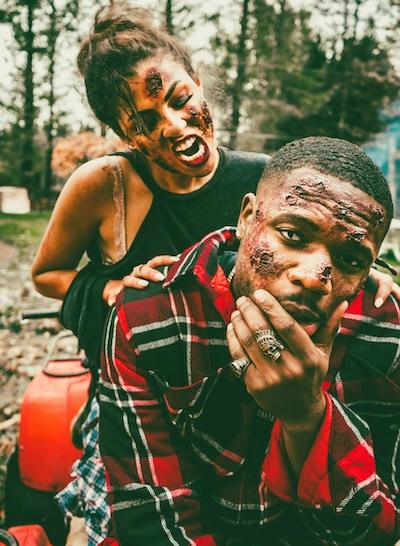
What’s missing from my perspective? A severe lack of cryptids! (Although when I pointed this out in Discord, it sparked a discussion about those strange British big cat stories…) No zombies, no ghosts, no demons?! No Cerberus, or unicorns, or trolls? See also the cinema staples of Alien’s Xenomorph and, of course, its nemesis the Predator, plus any number of cosmic horrors (no votes for Cthulu?!). The vampire came late in the discussion so I don’t have to rectify that, but is the witch a creature? We did discuss what makes something a creature, and came to the conclusion that it’s anything non-human or more-than-human, so I’d say yes the witch absolutely counts. But asking this community for their favourite magic-makers would be a whole other discussion…
(Photo by Dylan Sauerwein on Unsplash)
-Lauren McMenemy, BFS Marketing
@laurenwrites.bsky.social
Comments are presented as they were in Discord, including back-and-forths between multiple members. Where an individual contributor came back with more thoughts separately, those comments have been summarised as one.
Fae folk
I’m currently writing about the fairy Melusine – somewhere between a lamia, sea-serpent or mermaid, except she’s a spirit that belongs in fresh water. Sometimes she has wings, sometimes a tail, sometimes two, a bit like the Starbucks logo, which I’ve been told is also an old sign for sex-work. The French royal House of Lusignan claimed descendence from this mythological creature, though in Britain her story became attached to Eleanor of Acquitaine, too. Many stories about her flitting off if you try to get in the way of her bathroom privacy. Often associated with golden keys or magical rings, she is a medieval symbol of fickle prosperity, but also signifies the taboo of men disturbing their wives while lying in as an irredeemable break of trust.
So, the reasons I like Mélusine:
- I’m also a big fan of baths.
- She’s like Danny Dyer—a badass who is related to all the Royal Houses in Europe.
- Like medieval dudes of old, if I look for the sign of the mermaid with two tails, I will be able to buy something that makes me happy. Except it’s hot chocolate.
-Donna Scott
It’s the goblin king, obviously
- Makes babysitting way more interesting.
- Throws an entire ball just for you.
- The full package! (I’m talking about the good looks, the singing, the dancing and owning a castle. Obviously. Get your minds out of the gutter.)
-Katie Bruce
I’m gonna vote for changelings:
- Because the uncanny valley instinct, and why it arose fascinate me.
- Because the likely reasons behind the evolution of changeling myths are heartbreakingly sad (famine, disability, SIDS).
- Because it’s the ultimate story of unbelonging—of being unwanted and unfitted within your own family & writing that kind of lingering hurt is irresistible. I am a sucker for strange, lost children!
-Lorraine Wilson
I’m partial to fairy folklore / the fae.
- There’s a lot of diversity here, from sinister, humanlike (sometimes even sexy) agents with inhuman motivations to tiny, friendly creatures who frolic or help around the house.
- Most fairy folklore involves rules. They are rule-bound creatures. There’s a lot of potential for commenting on bureaucracy in our world and exploring different rule sets and motivations.
- Stories of fairies and changelings are a gold mine for writing about people who don’t fit into our world and what another might be like.
-Melanie Bell
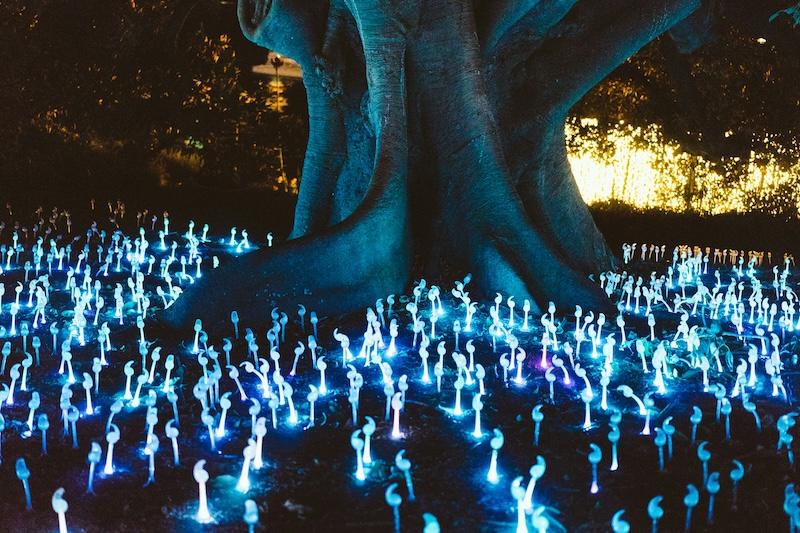
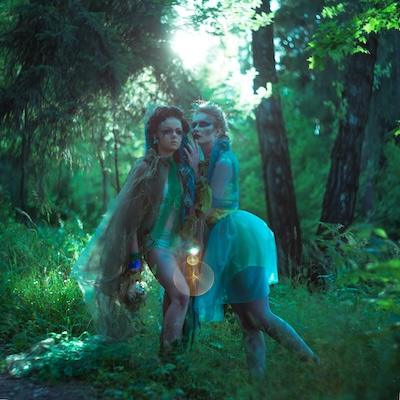
(Photo by Marina Nazina on Unsplash)
Flying fire
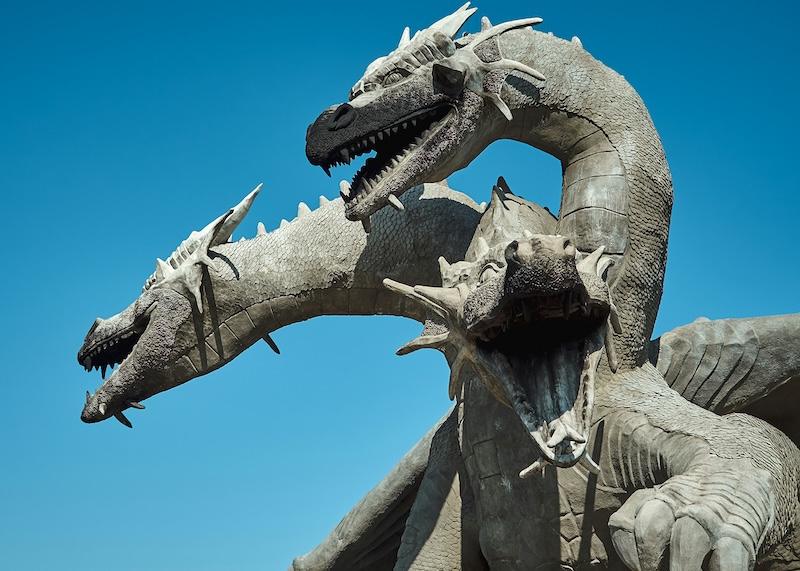
Dragons!
1: They’re so variable. You can have dragons that can talk, dragons that are housecats, dragons that can fly, dragons that can’t, dragons that use magic, dragons that don’t. You say ‘dragon’ and everyone gets a picture in their head, then you add some more details to specify which dragon you mean, and everyone knows, but you don’t get forced into a box—whereas most myths, either what you can do with them is limited, or you need to spend ages explaining what it is, or have readers need to pause a book to go down an internet rabbit hole.
2: They’re AWESOME!!! No matter what dragon you have, they’re always powerful and impressive (or adorable housecats, but any cat owner will tell you that in itself is a power).
3: They’re found in multiple mythologies, so fit neatly with other mythical creatures (plus it means people have loved dragons all over the world, so they’re obviously amazing).
-Luna Profir
To add to dragons (and cast my vote that way!), the big draw for me is exploring the insecurities, flaws… and of course qualities that can underly a mind from a very different state of being.
Dragons get the benefit of being powerful magical predators in a lot of worlds of fantasy, but the most memorable ones I find are the ones that have some vulnerability and power of decision over their lives.
What kinds of problems might a dragon have to deal with? How do they respond to trauma and adversity? (It can happen to everyone and everything!) What are their norms, expectations, assumptions about the world they live in? How, if at all, does that interact with other creatures and characters?
It’s true of most fantastical creatures, eg. werewolves and vampires, but dragons usually come from a very different place to most. It’s that “familiar but very unfamiliar, and confident in it”, that makes the main draw for dragons for me.
-Sam Hodges
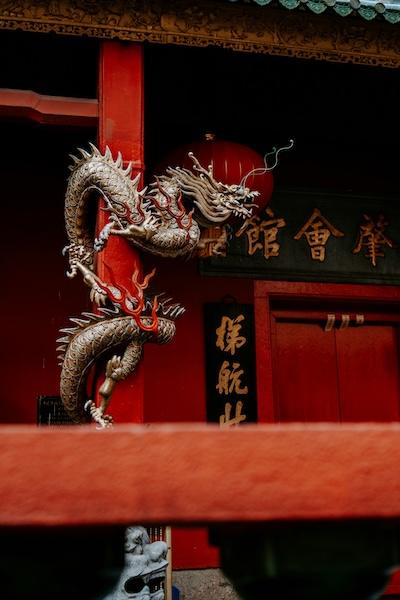
I second, third, and forth everyone who said dragons.
- They are big, hungry, and hoard stuff, just like me, although books and yarn are better than gold for hoarding. Certainly yarn is more comfortable.
- They live all over the world and come in a variety of forms, so they’re always adaptable and can fit into any story. Including sci fi, because a shape shifting alien space dragon is a totally normal thing to have in a sci fi novella…
- They’re just cool!
-Rosemarie Cawkwell
(Photo by Polina Kuzovkova on Unsplash)
The animal within
Werewolf.
- Speaks of the animal/human dichotomy within us all.
- Hard to kill.
- If you can kill one, makes a great coat.
- Collaborate well, unlike those damn backstabbing vampires.
- Cool as all hell.
-AJ Deane
I was going to say werewolf too! as well as all the very excellent points listed here, I’d also add:
- Excellent allegory for all sorts of things (transgenderism, anger management issues, trauma, sexuality)
- Butch icons
- Body hair positivity
- Biting biting biting biting
- Can either be big scary monster wolves, or tragic conflicted man-wolf creatures, or “boyfriend who’s scared of the hoover” dog-like doofuss.
We had sooo many werewolves in Monstrous Agonies, including the aforementioned boyfriend (though his partner was actually writing in because he’d chewed up their nice slippers), someone dealing with anger management issues after being traumatically turned, and our show finale had a letter from a werewolf worried he was contributing to negative community stereotypes because he liked doing obedience training as a hobby.
-Hero Owen
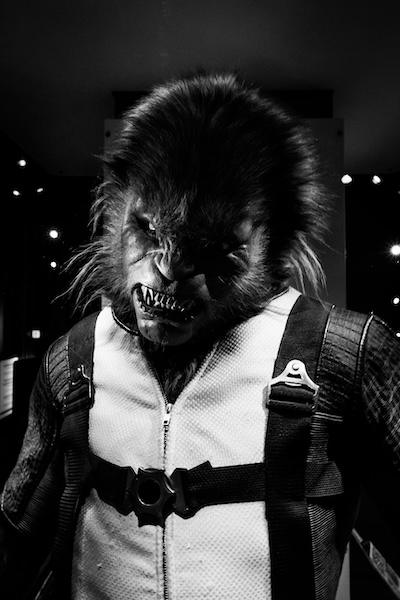
(Photo by Thierry K on Unsplash)
From the water
I’d have to go with kraken. They live in the water, can get through chores in an eighth of the time of most others, and are great at keeping the seas free of bad nautical types.
-C.J. Henderson
A vote for mermaids:
- Pretty
- Sings so good that ships sink
- Encompasses the mystery, beauty, terror and wonder of the oceans.
-Melody Bowles
Can I also add Scottish Mermaid the Ceasg for one reason in addition to these: she swallows men who have wronged her whole and traps them alive in her stomach.
-Lyndsey Croal
A touch of Scottish lore
We all love a good witch, but what about THE witch?
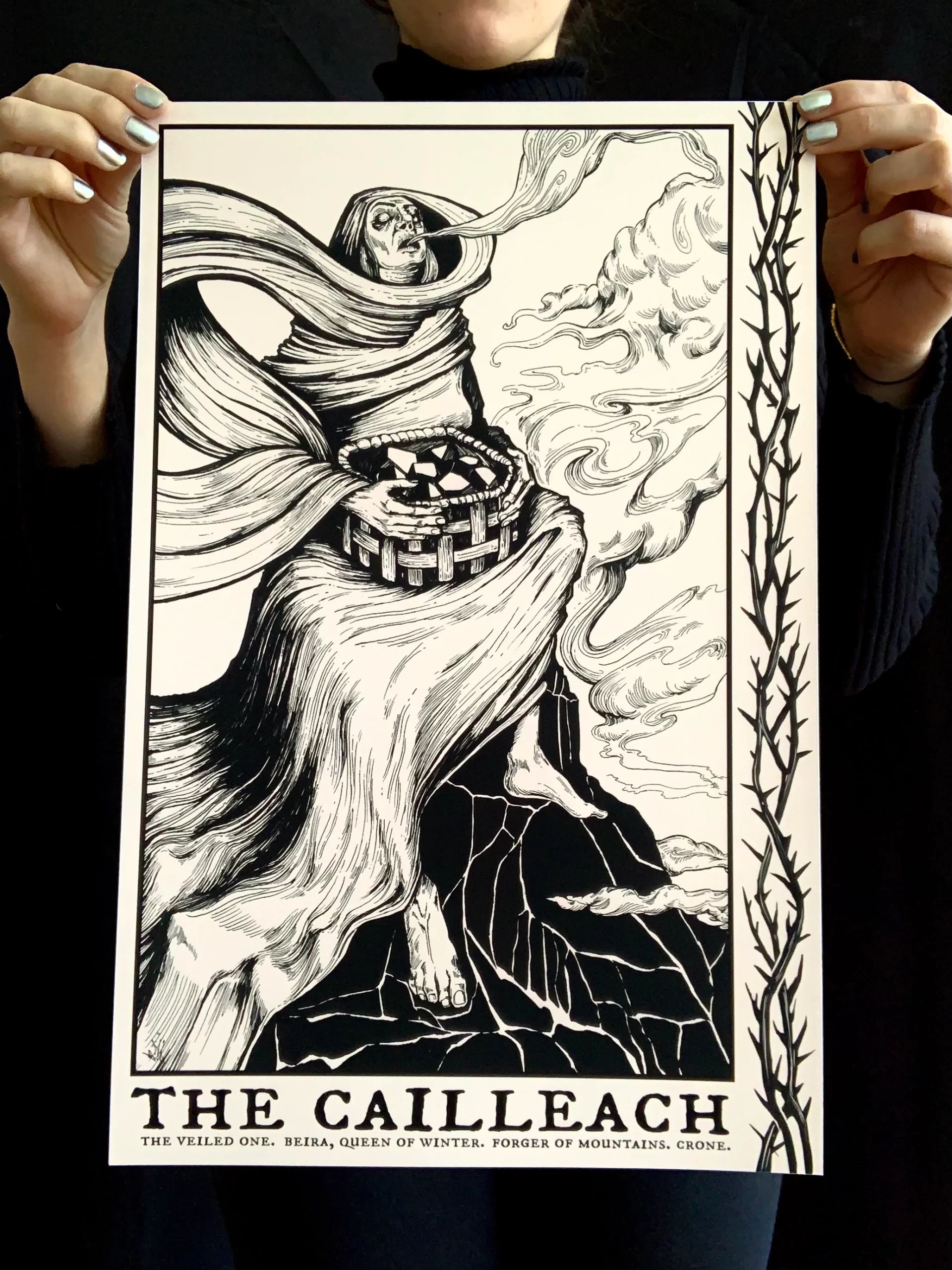
The Cailleach – The Divine Hag. She is the creation myth of the Scottish Celts, an ancient blue-black giant with one eye that sits in her forehead like a cyclops, or even the monstrous Fomorians. She spilt baskets of stones to form mountains and drowned villages to form great lochs through forgetfulness. Some say she isn’t malevolent, but a force of nature wearing a human-like face. There is no pleading, no sacrifices to be made, nothing will appease her—if she even sees you at all. You are just in the way of being older than memories of man. She made the world you stand in, and she isn’t done with it or you, not yet.
(Image from the DarkSolisArt Etsy store)
1: The Cauldron of the Plaid – Gulf of Corryvreckan. Some would say the violent whirlpool set among the isles of Scotland is the mythic seat of the Cailleach’s vast power. And from it, for three days each year, she will wash her plaid until it is stark white. Churning the seas around it into a fury, she lays the white plaid across the mountains and lets loose the Blue Men of Minch to herald a new winter.
2: Maker of stone. Ruling the dark days between Samhain and Beltane, she brings snow, storms, and frost, but is seen as a protector of animals, not so much of humans. Tales of her killing without care and turning those that displease her to stone on a whim with a curse are common, and many natural formations have been attributed to her wrath.
3: She is the womb and tomb of creation (well… of Scotland…). She brings us the world and monstrous giants as progeny. She embodies Creation and Death. Driving off her counterpart, Brigid, and killing early springs, new sprouts, and lambs before she is sated and relents, giving over her reign and turning into stone to await Samhain’s return.
-Graeme Patrick
HOW CAN I CHOOSE! But I’d like to present a personal fave The Frittening, a shapeless blob from Shetland folk tales that washed up to shore and terrorised villagers. It threw itself against windows at night, brought bad luck, and if you looked too closely you’d go mad. Reasons:
- Weird shapeless blob
- Casically sci fi, was it an alien?
- Causes mischief and mayhem.
-Lyndsey Croal
I choose the Bean Nighe:
- Reason 1: Who doesn’t love a harbinger of something, in this case death. Harbinger is an all around excellent word.
- Reason 2: Haunts rivers and appears to doomed individuals. Another good example of folklore telling stories to dissuade people from travelling alone.
- Reason 3: Presumably sick of doing laundry, as that’s how she conveys her curse. Relatable.
-Alexandra Beaumont
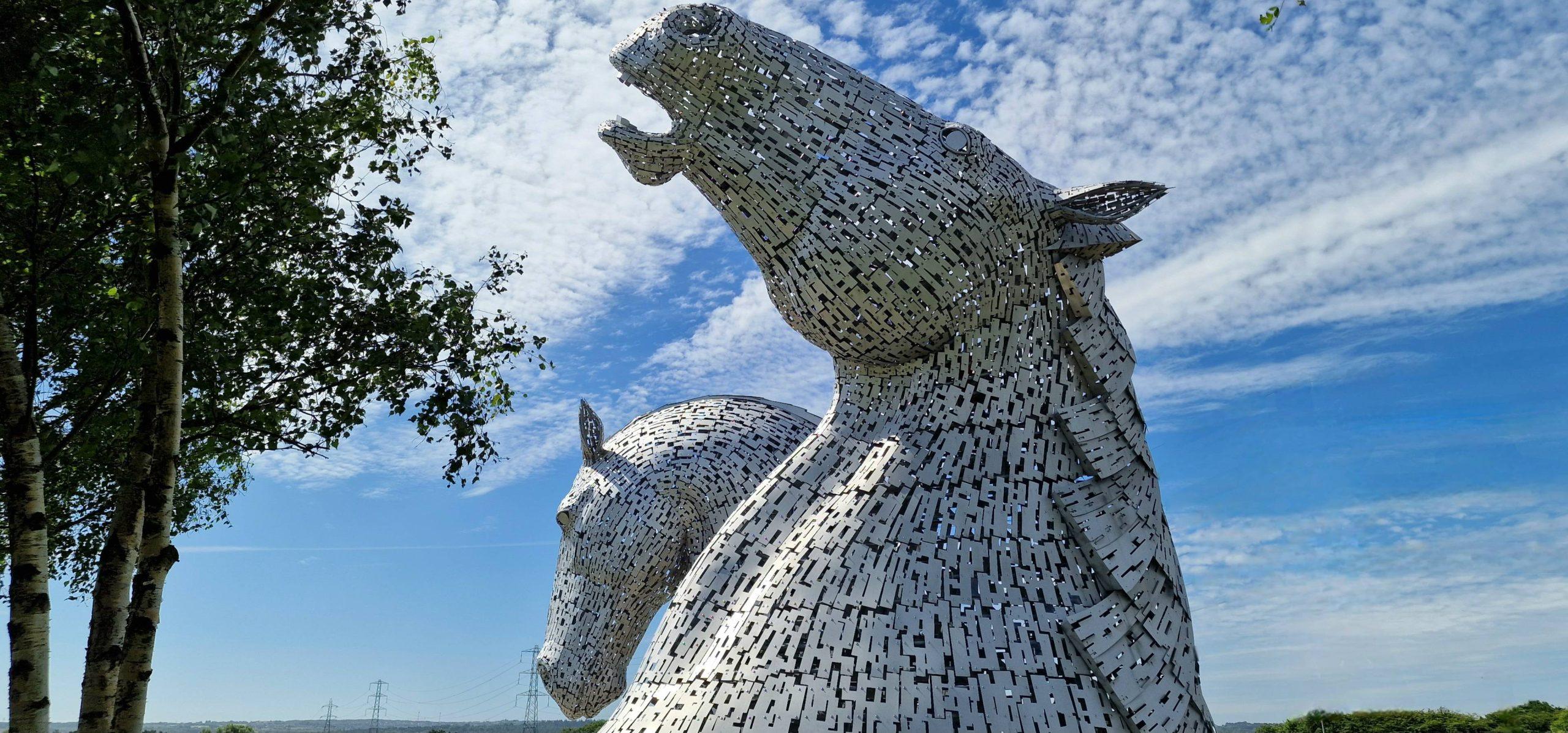
Kelpies. Shape shifting water-horses able to take human form. From Scottish folklore, although not exclusive to it, versions appear in different cultures all over the world. Perhaps their widespread myth lends some support to the idea they are in fact real.
They appear often as human, sometimes with pond weed as hair betraying their true form. Tales vary, but commonly they lure people through song or manipulation to ride on their back, where they will gallop into the water drowning their victims. Some tales say their back grows in length to accommodate any number of riders, and that a boy petting one had his hand stuck to it, dragging him to the same fate as his friends atop its back. It’s said they then devour their victims, discarding what remains on the shore. If your hand becomes stuck it’s advised you cut off your own fingers to avoid a watery grave.
Beautifully alluring, yet eerily perilous. Beware of the water and what lies within.
- Spoken of around the world, lending credence to the idea they are real, and we should all be careful at the water’s edge.
- Mythical allure. Wouldn’t you want to see one? How close would you get to its flowing white mane? Could you resist temptation.
- The unknown depths of water. Under the swirling torrents and reflective calm, what creature awaits to feast on your misfortune?
There are two stunning 30 metre tall kelpie sculptures on the Forth and Clyde canal in Scotland if you’re looking for inspiration. [Photo taken by me.]
-John McCloy
Mythological murmurs…
Can I put in a good word for Medusa? She has such a neat cure for the male gaze…
-Cheryl Morgan
I’m going with the phoenix.
- Beautiful bird and plumage.
- Available for most prophecies and metaphors.
- Easily recyclable 🔥
-Trudie Skies
I love a basilisk or cockatrice. Reasons:
- Look cool, a little dragonesque: sharp beak and talons and shining feathers and scales!
- Can strike you dead with their gaze.
- Lay waste to plants and trees with their poison touch, even their breath.
Also, the only creature that is immune to their powers, and can defeat them, is the weasel.
(Image by Marcus Gheeraerts the Elder / Pieter de Clerck; public domain, source.)
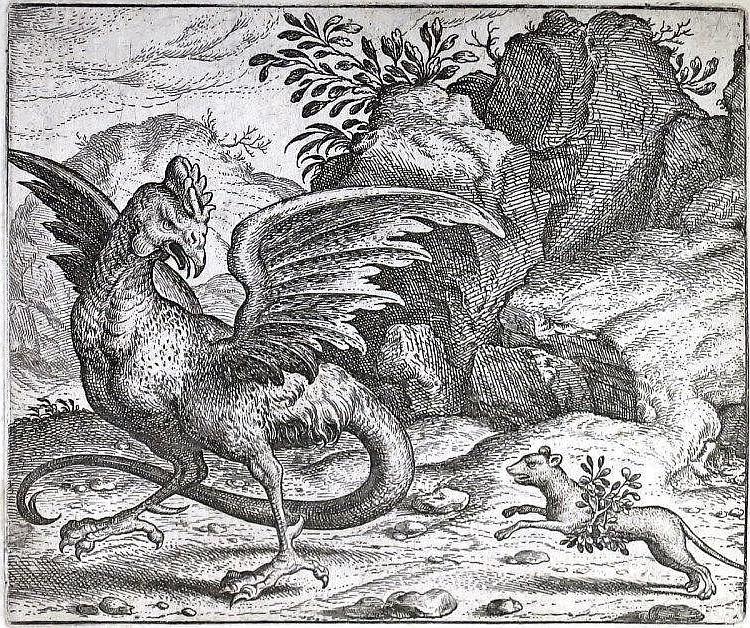
These traits combined make me think they must be the loneliest creature in the world; driving people away and creating a desert wherever they go. One day I will write an epic poem about a weasel warrior sent to kill a basilisk but whose pure heart is touched by the creature’s misery and they become friends instead.
-Sarah Jackson
Also, they look amazing in a coat of arms—I always wanted a cockatrice salient on my shield, back when I thought knights were cool!
-Oliver Arditi
This is easy: Yulecat.
- Reason one: is a cat.
- Reason two: is a giant cat.
- Reason three: if you don’t wear the clothes someone bought you at Yule it’s going to eat you.
(Now I wonder if anyone attempted assassination via terrible itchy jumper…)
-Donna Morgan
Blood suckers unite
I see it falls to me to invite to the table the ever versatile … vampire.
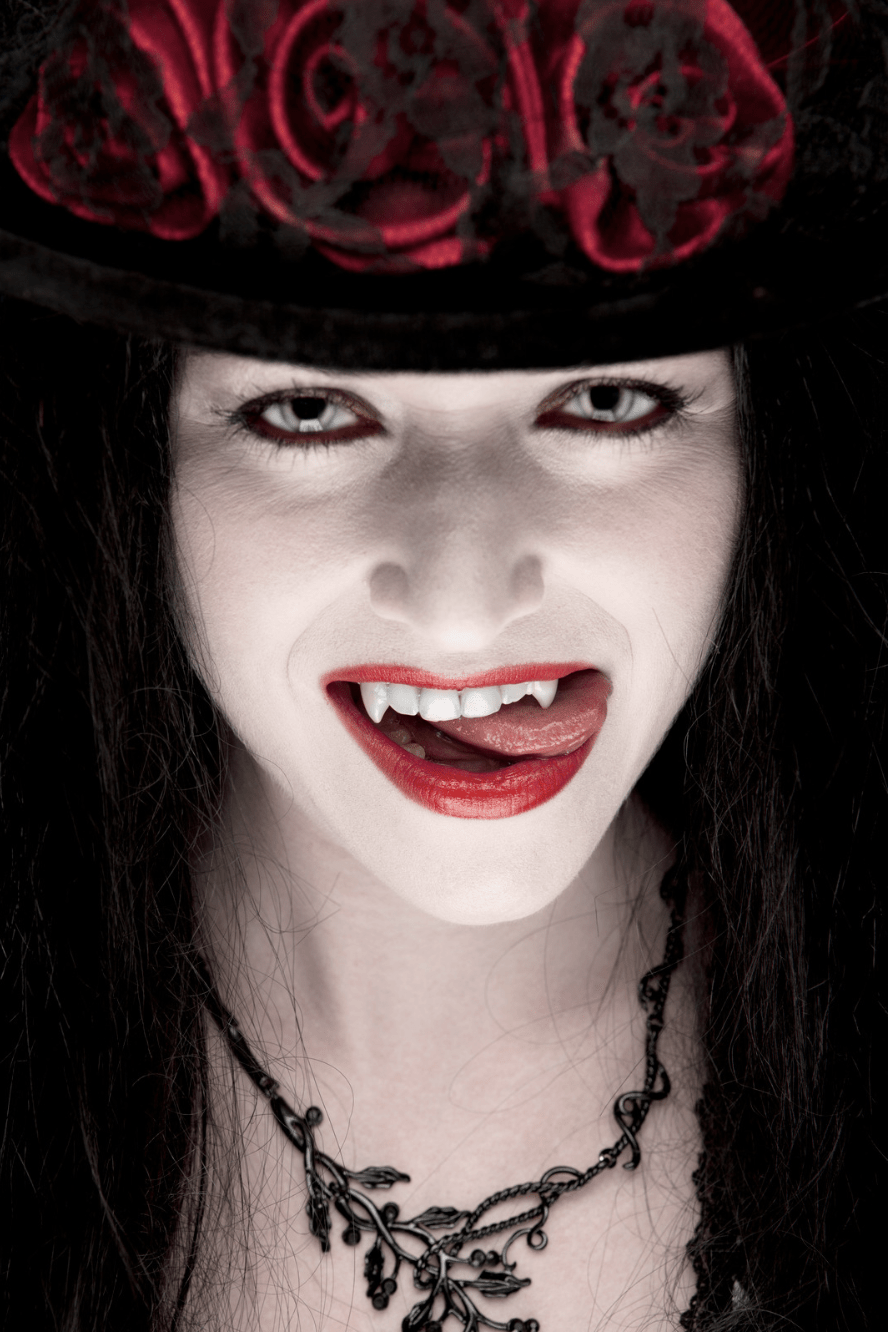
- Versatile – do you want suave and sophisticated schemers? We can do that. How about whiney emotional messes that regret everything they ever did and will tell you about it for thousands of pages? Check. Horrific monsters that can never be mistaken for human any more? Got some of those in the back. Love interests, the antagonists, a metaphor for sexually transmitted diseases, dark and brooding side characters? We can fit all of those in!
- Pick & Mix – The folklore just within Europe is varied enough that you can pick and choose your selection of powers and weaknesses to create something that’s broadly unique compared to any other vampires; and that’s without touching on the all the fascinating versions around the world. Who doesn’t want their vampires to be disembodied floating heads* that have detached from women’s bodies and fly around with their organs and entrails dangling from the neck?
*That’s the Vietnamese Penanggalan, for reference.
- Omnivores – While the blood drinkers are the most common in our media, there are plenty of examples that feast on other forms of “life force”: psychic vampires drawn to strong emotions, those which just drain your life force directly, or simply feast on your will and energy levels.
-Richard Hussey
There’s also Vlad the Drac, a tiny vampire who feeds on ketchup.
-C.J. Henderson
Count Duckula as well.
-Richard Hussey
I heard a rumour that vampires themselves spread the garlic myth, because they just want people to season themselves beforehand.
-Graeme Patrick
Going to be annoying again and add a cool Scottish Vampire, Baobhan Sith, who dances men to their death then feeds on them.
-Lyndsey Croal
Fiction & myth
The best SFFH creature is Goose, the Flerken, from the Marvel movie Captain Marvel.
- Goose looks very much like a cat, and cats are cool.
- Goose is quietly doing her own thing, without needing to engage with the narrative.
- Goose is underestimated, and infinitely more powerful than she seems.
-Zoe F Cunningham
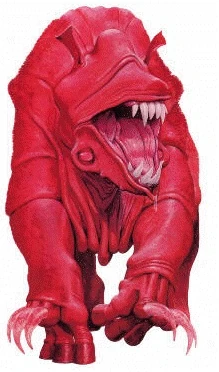
For me it’s undoutedly the alzabo from Gene Wolfe’s Book of the New Sun. It’s an alien predator that speaks in the voices of the people it’s eaten—in fact, they retain a kind of consciousness within the creature and try to entice their loved ones to join them. A drug can also be prepared from its glands, which enables the imbiber to absorb the memories and personality of another person by eating their flesh.
I love it because:
- It’s f*@!&@g terrifying.
- It’s just so storyable: imagine living with someone else in your head, sometimes wondering which of you is who, and then imagine if they have also absorbed memories (c.f. the Water of Life in Dune).
- It produces incredible thematic richness, and enables the story to explore, purely through dramatic action, such intractable philosophical questions such as ‘what is a person?’, ‘what is an archive?’, and (a biggie for me) ‘how do we know things?’
(Image of Alzabo from this website)
[later…]
Oh, I’ve just remembered a really cool creature from Irish mythology (I think from the Voyage of St. Brendan maybe?). It lives on an island, and when people sail past it does their heads in by rotating its body inside its skin, while its skin stays still. I love this because:
- It’s insane.
- It’s not a troll, but it basically seems to live just to troll people.
- It just kind of hangs out and does its thing, without attacking anyone, or having to be conquered by some meathead hero, or even having physical contact with any story protagonists, and I think that may be unique among mythological creatures.
-Oliver Arditi
I like shapeshifters. Selkies, kelpies, pucai… Looks like a human (at least sometimes) but isn’t. Also the old-woman goddesses of pagan traditions, like Perchta and the Cailleach. I’m not sure why exactly, but they fascinate me.
-Veronika Groke
Did we miss your favourite? Let us know in the comments below ⬇️
Meet the guest poster