The winners of the British Fantasy Awards 2026 were announced at Fantasycon. Find out all the details on our blog.

For all things fantasy, horror, and speculative fiction
-
Announcement:
Meet Tracy Fahey
Every Friday, we meet a member of the BFS and peer deep into their soul (or, at least, a form they filled out). Want to be featured? Email us: online@britishfantasysociety.org
Name:
Tracy Fahey (she/her)
Which region are you based in?
Ireland; I’m originally from the north-east, but live in the south-west, in Co. Clare.
If you write, which genre:
A blend of quiet horror and feminist folk-fiction
If you don’t write, what do you do?
(That’s what the voice in my head asks when I’m staring idly at my computer screen…)
Are you drawn to any specific SFFH sub-genres?
Uneasy psychological horror. Gothic novels. Mythological fiction.
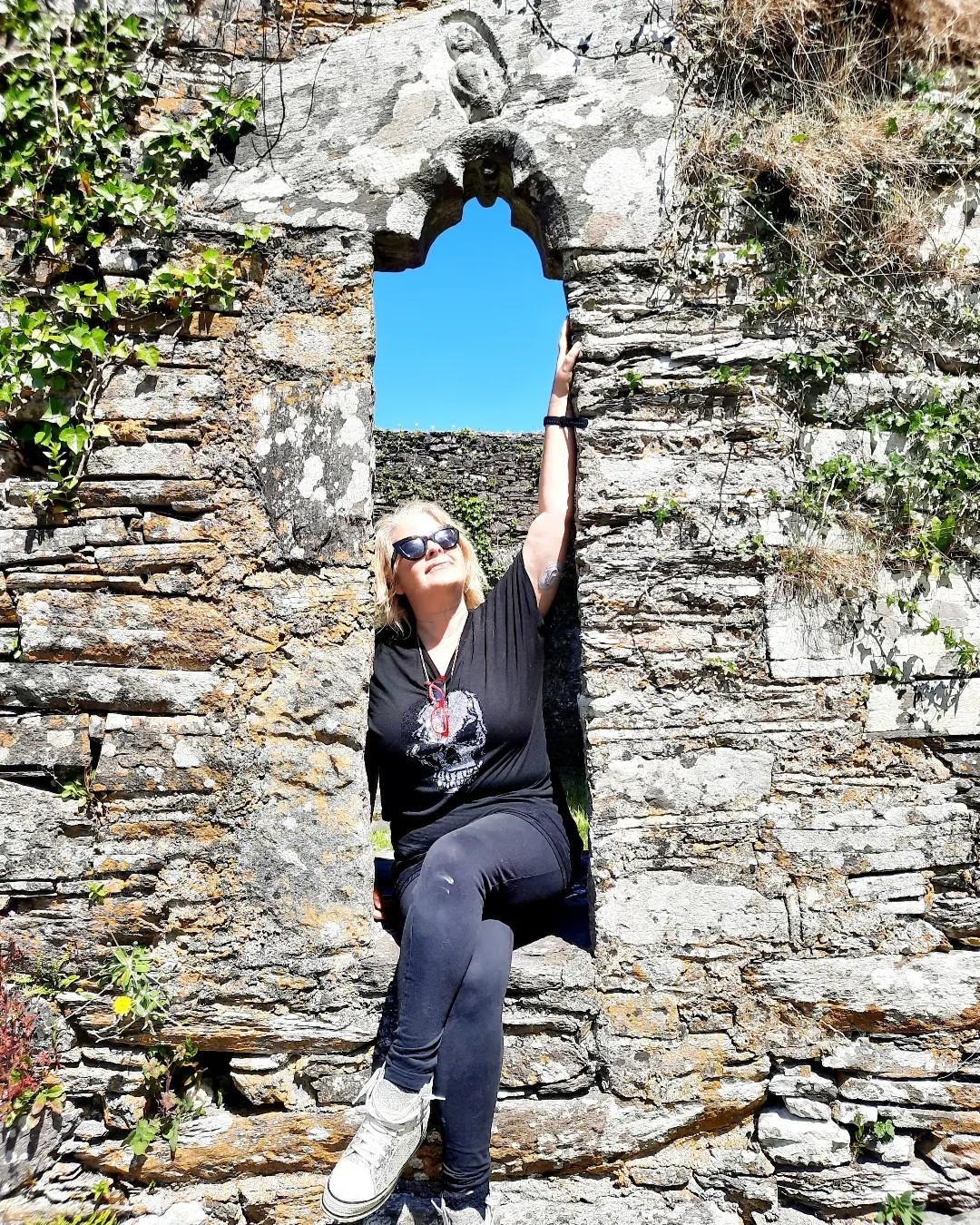
(Pictured: Tracy mid-fieldwork in Ireland, at the St Gobnait sheela-na-gig)
Your influences
Tell us about the book/film/thing that got you into SFFH: What was it? How old were you? What impact did it have on you?
As a child it was Irish folktales and dark fairytales. Books-wise, I was enraptured by short stories by Saki and Ray Bradbury.The October Country was the book that showed me how powerful a short story could be. Daphne du Maurier’s Rebecca started a lifelong devotion to female Gothic. And I loved the wonderful Misty comics—a treasure trove of Gothic and folk horror stories.
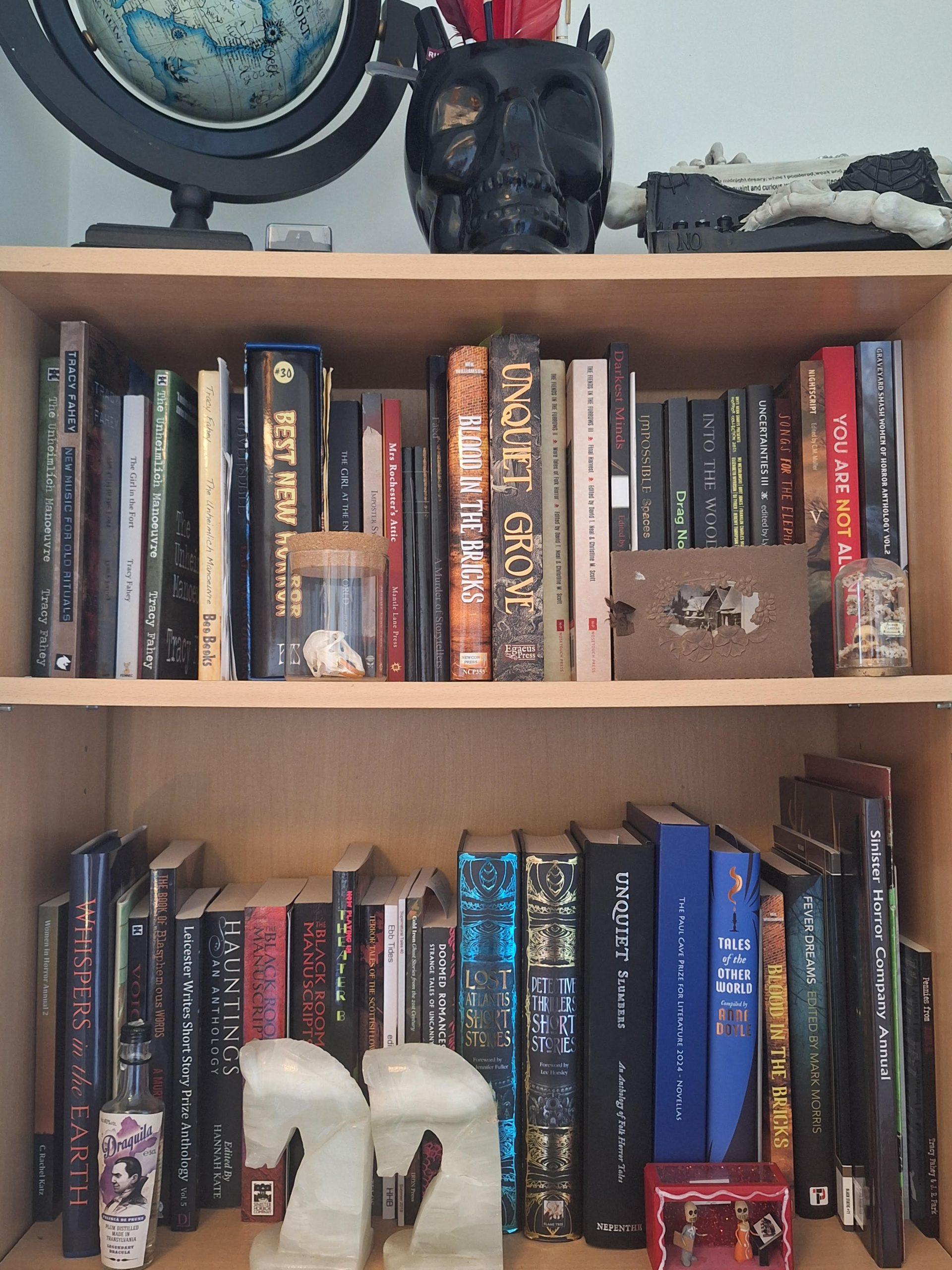
(Pictured: Tracy’s “bookshelfie”)
How does that early influence show up for you (in life/writing/agenting/publishing/editing/reading) now?
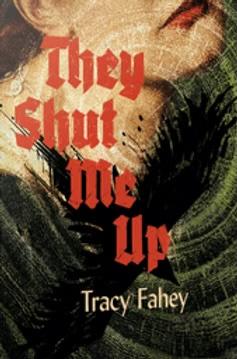
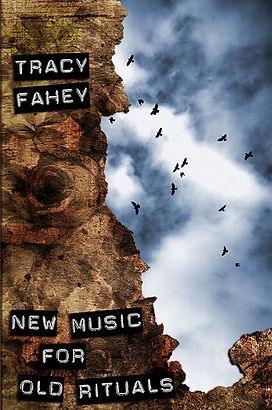
My childhood of listening to folktales has stayed with me. I’m fascinated by how folklore continues to operate in the present and what it has to say to us—and how we can engage with it to create new narratives. This has been the subject of several of my books, including The Girl In The Fort (Fox Spirit Press, 2017), New Music For Old Rituals (2018), and They Shut Me Up (2023). My next book, Queens of the Crone Age (2026, PS Publishing) continues with a similar theme of They Shut Me Up, asking how can we—and should we—revoice folkloric women?
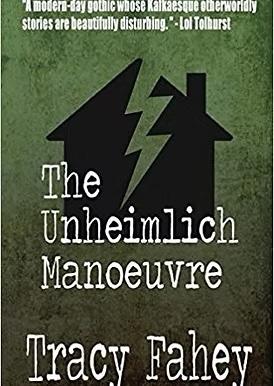
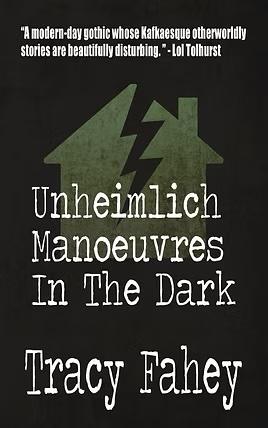
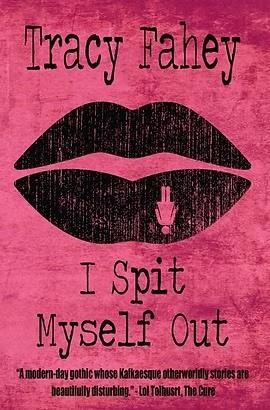
The other major strand of my work sits within the Gothic. My books The Unheimlich Manoeuvre (2016, Boo Books) and I Spit Myself Out (2021, Sinister Horror Company) both lean into domestic Gothic and body Gothic respectively, and my PhD was on the subject of the Gothic home.
I write academic articles as well as fiction focusing on Gothic and folk horror, and I teach seminars on these subjects in Limerick School of Art and Design.
So it’s safe to say that my early influences are still strong.
Where do you draw your creative inspiration from?
I’m very influenced by place. I’m lucky enough to live in Ireland, which is full of liminal and spectral spaces which exert a powerful pull on my imagination. The Girl In The Fort was based on my childhood home and the fairy fort beside it in the north-east of Ireland. My contemporary folklore collection New Music For Old Rituals arose out of a project photographing haunted sites within a half-hour drive from Limerick, where I was living. They Shut Me Up was inspired by visits to Leamaneh Castle and the stories of Máire Rua that cluster around it. Large parts of my next book, Queens of the Crone Age, were written on residencies in Kerry, Ireland, Argylle & Bute, Scotland, and Mynämäki, Finland.
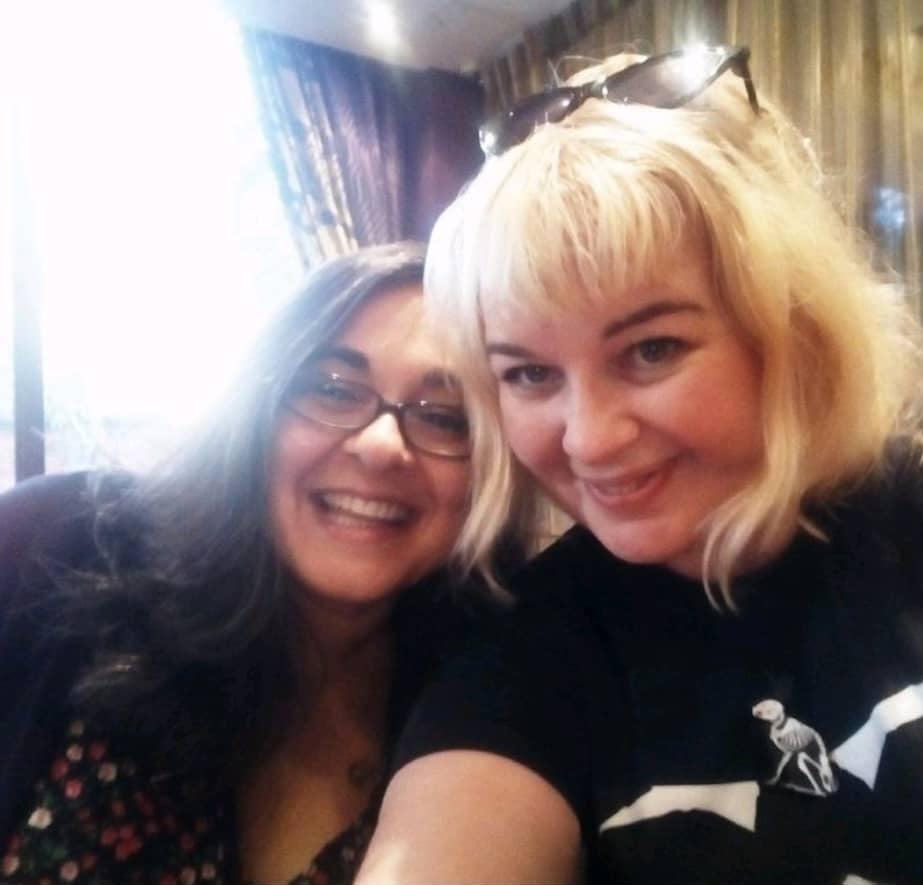
I’m also influenced by the company of other writers, discussing writing with my friends, and my partner in crime and writing, Wayne Parkin.
Who do you look to as a genre hero? Why?
I’m particularly drawn to writers who use horror as a lens through which to examine the female experience: Priya Sharma, Eden Royce, Lucie McKnight Hardy, Carmen Maria Machado, Kirsty Logan, Daisy Johnson—there are so many!
(Pictured: Tracy with Priya Sharma at Fantasycon in Chester, 2024)
Your Work
You’re stuck in an elevator for 60 seconds with that hero, and they want you to describe your work. Give us the pitch.
I think I’d be more interested in talking about their work, but if I had to do an elevator pitch of my work in general it would be: “Women haunted by their collective or individual past, who are constantly on the verge of becoming, and alive with the possibilities and complexities that such a change can bring.”
What are you working on right now?
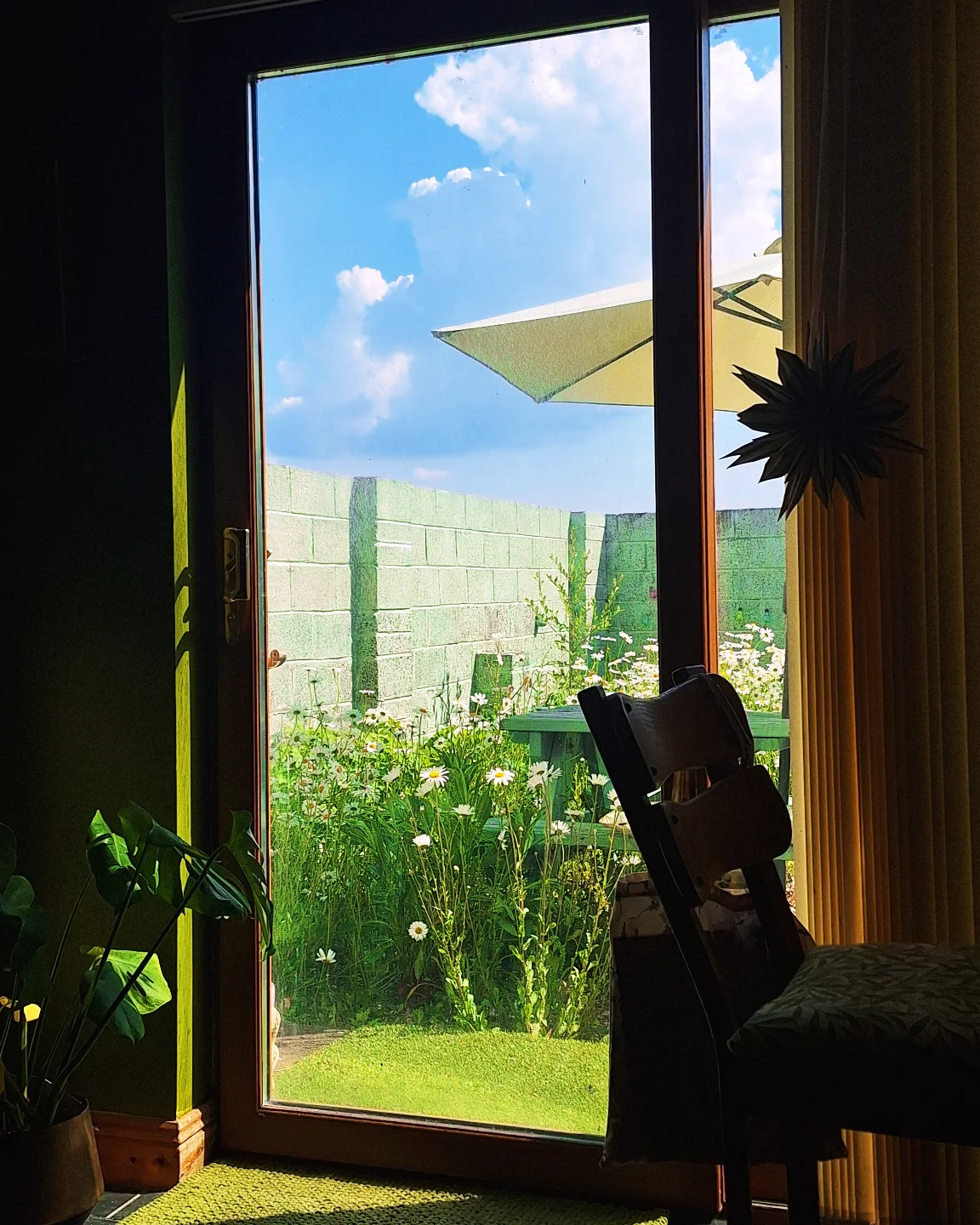
(Pictured: where Tracy writes when at home)
I have three books coming out between now and February 2027, so they’re my main focus. With PS Publishing, we are on the final journey of book production for my large linked collection, Queens of the Crone Age, which gathers together stories of contemporary women under the metanarrative of the famous Hag of Béarra who has woken from her slumber. It’s the largest and possibly most ambitious work I’ve completed to date. I also have a small collection of Gothic crime stories coming out with Steve Shaw of Black Shuck Books, Down We Got Together, and we’re on final edits for these. I’ve always been fascinated by police procedurals and the heavy histories of past crimes, and how they linger in memory.
The final book I can’t say much about yet as I’ve just signed the contract, but it’s a press I’m excited to work with for the first time, and as for the book—I can promise it’s deeply rooted in the weird and the transformational…
Once these are done, my next project will either be a collection of contemporary ghost stories or a haunted house novel that leans into ideas of the domestic Gothic.
Thinking about all the stories/work you’ve done, what sticks out most in your mind? Why?
The very first short story I published, ‘Looking for Wildgoose Lodge’. It was also the first story I wrote and it holds a special place in my heart. Ostensibly about the transmission of a Land War atrocity story, it’s actually a love-letter to my grandmother. The source material for that story is incredibly rich; it has also been my inspiration for a memory project, two conference papers, a book chapter, the final part of my PhD thesis, and a series of prints. I’m also very fond of the opening story of I Spit Myself Out—‘I’ll Be Your Mirror,’ a story of Anatomical Venuses and female body terror which has been anthologised by Dr Jo Parsons in the British Library Tales of the Weird anthology, Doomed Romances: Tales of Uncanny Love.
Where and when do you create/are you at your most creative?
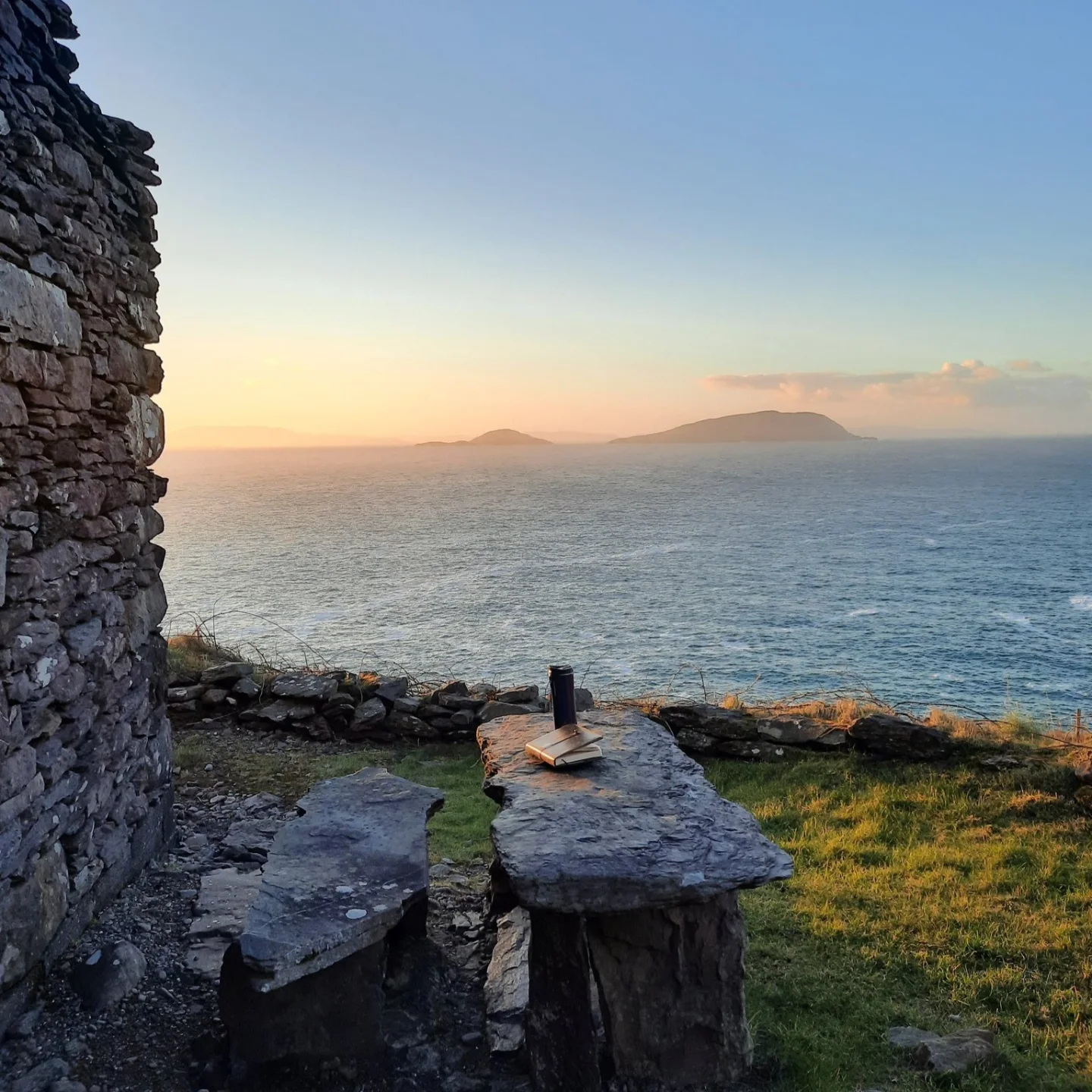
I finish most of my books in my study which looks out over trees and green fields, and which is a delicious space dedicated to writing. I use the voice recorder on my phone when out walking or when driving to capture fleeting ideas. I love to scribble in a notebook by the river or the sea—I find I’m most energised and inspired when I’m by water.
(Pictured: Tracy’s writing spot while on the Cill Rialaig Artist Retreat)
What’s the best advice you’ve received about creativity?
I love Rick Rubin’s advice: “The job of the artist is to be a vessel for what’s moving through them.” His book The Creative Act is so refreshing. I also have a chalkboard in my kitchen on which I’ve written: ‘JUST WRITE.’ Words to live by.
What’s your writing soundtrack?
Consistently it’s been Sigur Ros’ ‘Takk’. Or silence.
The Quick-Fire Round
Sci-fi, fantasy or horror?
Horror
Quiet or loud?
Quiet
Dark or light?
Dark, but increasingly drawn to light and redemption
Strict lines or genre blend?
Blend. Folkloric Gothic or Gothic folklore, depending on blender setting.
Awards or bestseller?
I think to write from the heart you have to turn towards yourself as an internal locus of approval. But having said that, it is lovely to be nominated for and win awards! And as an academic, some of my most rewarding moments have come from having my work analysed by scholars—that’s incredibly gratifying.
Fiction or non-fiction?
Fiction.
Poetry or prose?
Prose.
Plotter or pantser?
Pantser by nature, plotter by (grudging) necessity.
Reading or listening?
Reading. I have a chronic inability to process audio information; I much prefer the printed word.
Notebook or computer?
Both. A notebook or a voice recorder for catching inspiration when it hits, but then a computer to put what I’ve written in order.
Favourite SFFH book of all time?
Any book I read and re-read constantly to unlock the inner mysteries of the writing, such asThe Haunting of Hill House (Shirley Jackson), The Secret History (Donna Tarrt), Into The Woods (Tana French)—and, most recently, There Once Lived a Woman Who Tried to Kill Her Neighbor’s Baby: Scary Fairytales (Ludmilla Petrushevskaya).
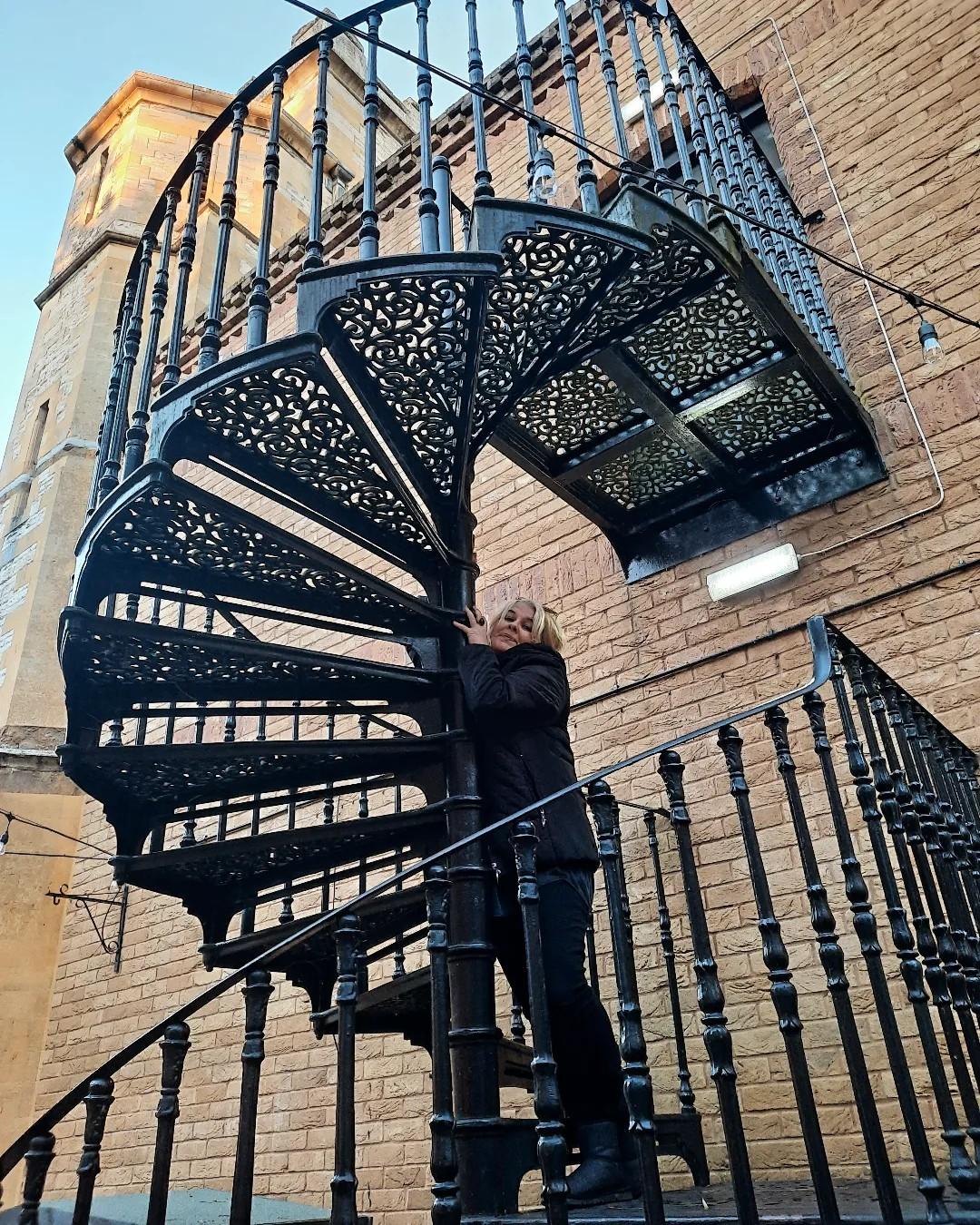
(Pictured: Tracy on the spiral staircase from Robert Wise’s The Haunting, an adaptation of Shirley Jackson’s The Haunting of Hill House)
Last book you read?
I inevitably read several books at once, so my recent books are an advance copy of the haunting Night Babies (Lucie-McKnight Hardy), Sarah Maria Griffin’s phenomenally weird Eat The Ones You Love, and I treated myself to a re-read of the gloriously sensuous Butter (Asako Yuzuki). Next up are Lucy Rose’s The Lamb, Dark Duets by Penny Jones and Teika Marija Smits, and Uketsu’s Strange Pictures, which looks intriguing.
Any SFFH author on auto-buy?
Yes. Everyone I’ve listed so far in this interview—and many more!
The Home Stretch
What’s the best thing about being part of the SFFH community?
The sense that it is a community—that wave of welcome that surrounds you at conventions and genre gathering-points—and the sheer generosity of the community in terms of beta-reading, supporting, and amplifying. It’s so warm.
Time to plug your stuff! Where can we find you and your work? What have you got coming up? Consider this your advertising space.
Here are my seventh and eighth books, both coming out later this year—and I’ve just signed a contract for my ninth book (forthcoming 2027) which it will be announced later this month!
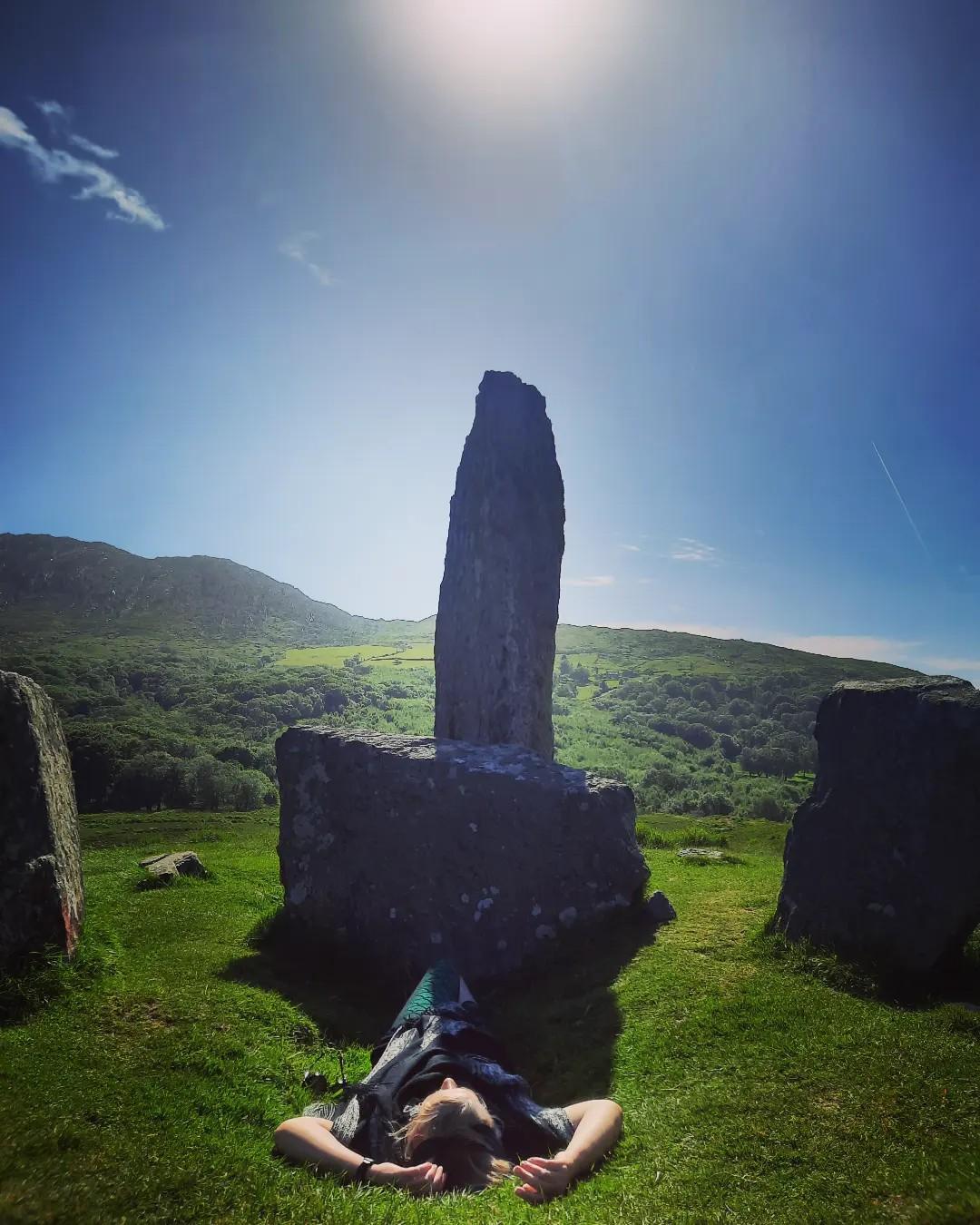
(Pictured: Tracy while at the Uragh Stone Circle while doing fieldwork in Ireland)
Queens of the Crone Age (PS Publishing; available for pre-order from next week)
The mythic Hag of Béara reawakens to find older women now ignored and marginalised. Devotional talismans left at her altar unlock fourteen stories, including:
- A young doctor inherits a strange and troubling patient (‘What Happens At The End,’ winner of the Paul Cave Prize for Literature 2024)
- A pregnant woman becomes enmeshed in a fertility cult (‘Witchwalking,’ on US editor Ellen Datlow’s Recommended Reading List for 2024)
- A domestic abuse survivor finds refuge in water (‘The Women In The Water,’ shortlisted for the London Independent Story Prize 2024).
The Hag listens to these stories, and as she does, her own wounds reopen. Can the narrators—and the Hag herself—find liberation and healing?
Down We Go Together (Black Shuck Books)
This mini-collection explores the Gothic nature of crime through the lens of folk horror and noir fiction. Detectives, victims, and perpetuators mingle, their roles shifting and unreliable. A summer festival turns sour in ‘The Day of The Straws’; a routine job reveals something older and darker in ‘Attic Storey’; while a dead woman finds a new way to communicate in ‘Listen To My Skin.’
And my official bio:
Tracy Fahey is an award-winning Irish author of eight books. She has won the 2025 Rubery International Book Award and the 2024 Paul Cave Prize For Literature. In 2023 she was granted a Saari Fellowship by the Kone Foundation, Finland. Her work has been shortlisted for numerous awards including three British Fantasy Awards, Fractured Literary, and the London Independent Story Prize. Fahey’s short fiction has appeared in sixty international anthologies. Her writing is the subject of academic study, and papers on her work have been delivered at conferences in Ireland, Scotland, Spain and Poland. She lectures in creative writing and horror studies in Limerick School of Art and Design, TUS.