The shortlisted works across all 13 categories of the British Fantasy Awards have been announced! Find out who’s in the mix over on our blog. Winners announced at Fantasycon in October.
For all things fantasy, horror, and speculative fiction
-
Announcement:
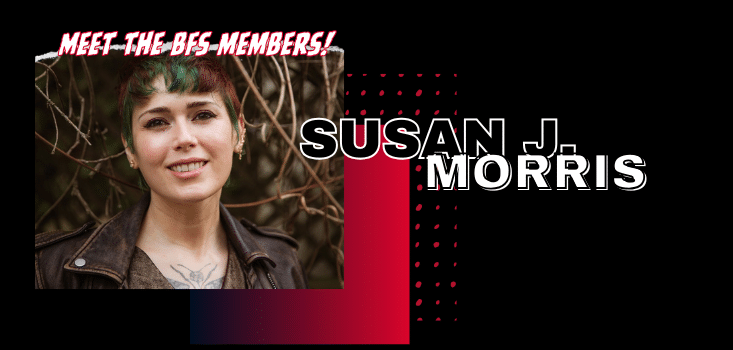
Meet Susan J. Morris
Every Friday, we meet a member of the BFS and peer deep into their soul (or, at least, a form they filled out). Want to be featured? Email us: content@britishfantasysociety.org
Name, including preferred pronouns:
Susan J. Morris (she/her)
Which region are you based in?
I live in the Pacific Northwest of the United States, where the forests are cathedrals of evergreens, the sky is always cloudy and moody (perfect for curling up with a book and a cup of tea), and no one owns an umbrella despite the constant mizzle.
If you write, which genre:
Fantasy and horror
If you don’t write, what do you do?
I do write, but I was also a developmental editor for 12 years for the Forgotten Realms (a shared world fantasy imprint at Wizards of the Coast, who produce Dungeons & Dragons and Magic: The Gathering).
Are you drawn to any specific SFFH sub-genres?
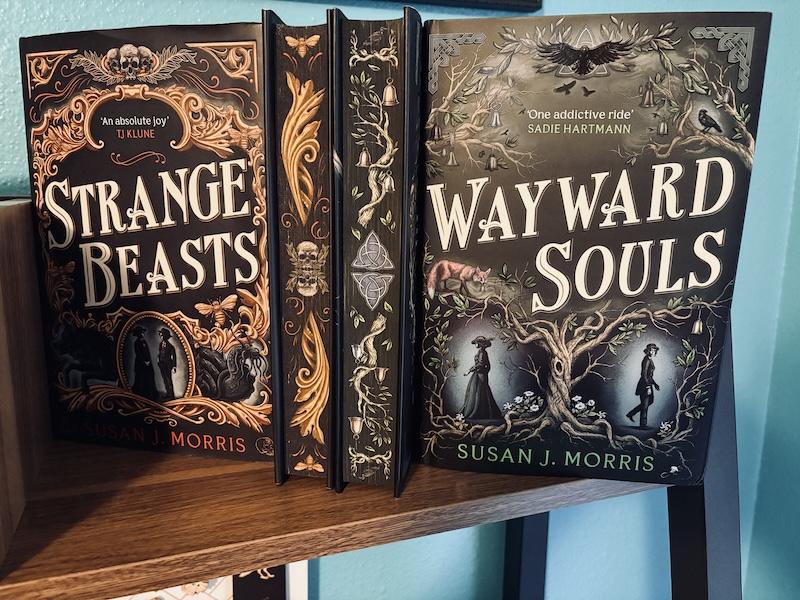
I love everything cross-genre! In particular, I’ve loved reading cozy horroromance, dystopian science fantasy, and horror fantasy. My books, Strange Beasts and its sequel, Wayward Souls, are what happens when I take my favourite bits from a bunch of different genres and put them in the blender, and I have yet to come up with a neat way to say it, but: historical fantasy supernatural gothic mystery.
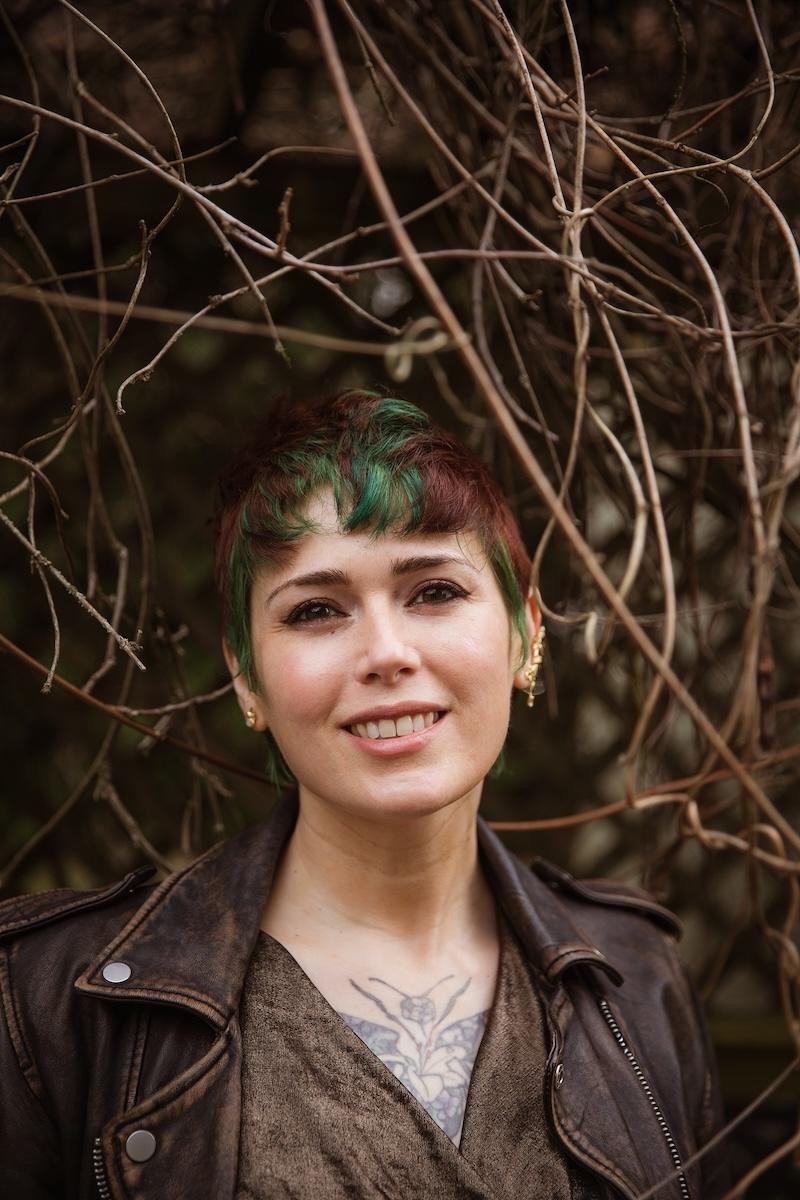
Author photo by Andrea Prudente
Your Influences
Tell us about the book/film/thing that got you into SFFH: What was it? How old were you? What impact did it have on you?
I have always been deeply obsessed with stories about magic and fairies and witches and monsters. Perhaps it was just the casual assertion of the existence of the tooth fairy (and the proof beneath my pillow), or the magic of Christmas morning, which together seemed to imply a whole hidden fantastical world. But the first book that made me want to write my own fantastical stories was either The Lion, The Witch, and The Wardrobe, by CS Lewis, or The Witches by Roald Dahl, both of which had outsized influences on me. I’m not sure how old I was, only that The Witches was read to me, and The Lion, The Witch, and The Wardrobe was one of the first novels I read by myself.
How does that early influence show up for you (in life/writing/agenting/publishing/editing/reading) now?
In Narnia, I fell in love with idea that there was magic tucked away in the cracks of the world, if only you are lucky enough to stumble upon it. It’s ensured my writing is brimming with secrets and wonder and a sense of discovery. In The Witches, I crave how the world is more wondrous that you know, but also more terrifying, and that aching bittersweetness that somehow brings everything to life. Both filled me with a yearning for daring and adventure.
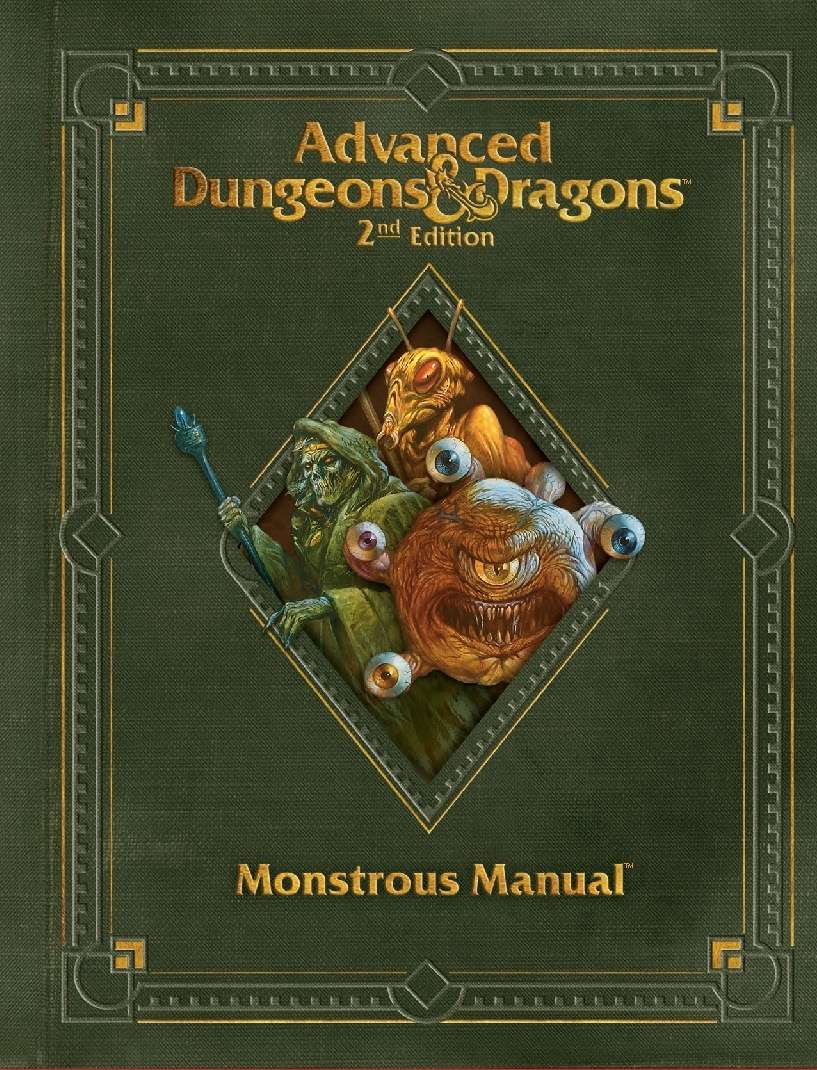
In a more practical sense, it was this love of fantasy that led me to gaming through the Monstrous Manual (I’ve always loved reading about the habitats and ecology of monsters; that it was a game was a revelation). This helped me secure my first job as a developmental editor at Wizards of the Coast. My first published books as an author were practical guides to fantastical things, such as dragons and fairies, aimed at a middle-grade audience.
It wasn’t until a decade later that I published my first adult novel, Strange Beasts, which embraces my love for daring adventures filled with frightful and wonderous things, a sense of the bittersweet, and, of course, my affection for monsters.
Where do you draw your creative inspiration from?
It has been said that I write historical fantasy to satisfy my research kink, which is not entirely inaccurate. But also it can come from anything: the odd look of a tree, a prediction I had for a movie I was watching that went a different way, a vibe in a video game, a memory that’s twisted with time, a monster I want to spend time with, etc.
Who do you look to as a genre hero? Why?
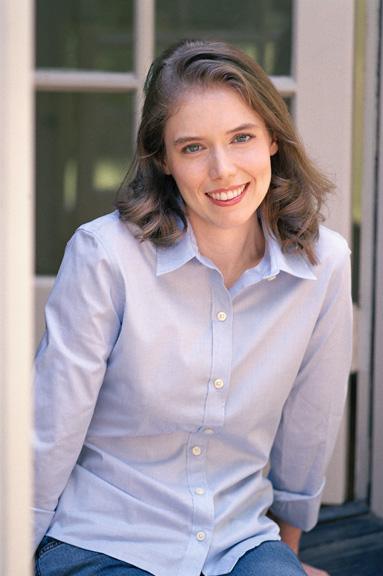
Madeline Miller, author of Circe. She’s a genuine joy to hear speak: brilliant, funny, incredibly encouraging, and—despite being one of the biggest names in fiction—incredibly grounded. I could never write the kinds of books she does (I’m in awe!), but I will always draw inspiration from her incredible character work, her unerring ability to find the human in the fantastical, and her commitment to doing the work (she’s a Classicist and Shakespearean scholar by trade and I was told that she read The Odyssey and other materials in the original Greek to prepare for Circe).
(Pictured: Madeline Miller, by Nina Subin; source)
Your Work
You’re stuck in an elevator for 60 seconds with that hero, and they want you to describe your work. Give us the pitch.
Honest to god I would probably either cry hysterically or hold my breath and focus very hard on the ceiling in attempt to avoid such an embarrassment, but imagining I am a much cooler, much more daring version of myself: The daughter of Dracula’s killer and the daughter of Professor Moriarty (yes, that Moriarty) work together to solve mysteries and fight monsters and men in the catacombs of Paris, while slowly falling for each other.
What are you working on right now?
It’s a secret! But I bet you can guess based on, say, my prior work.
Thinking about all the stories/work you’ve done, what sticks out most in your mind? Why?
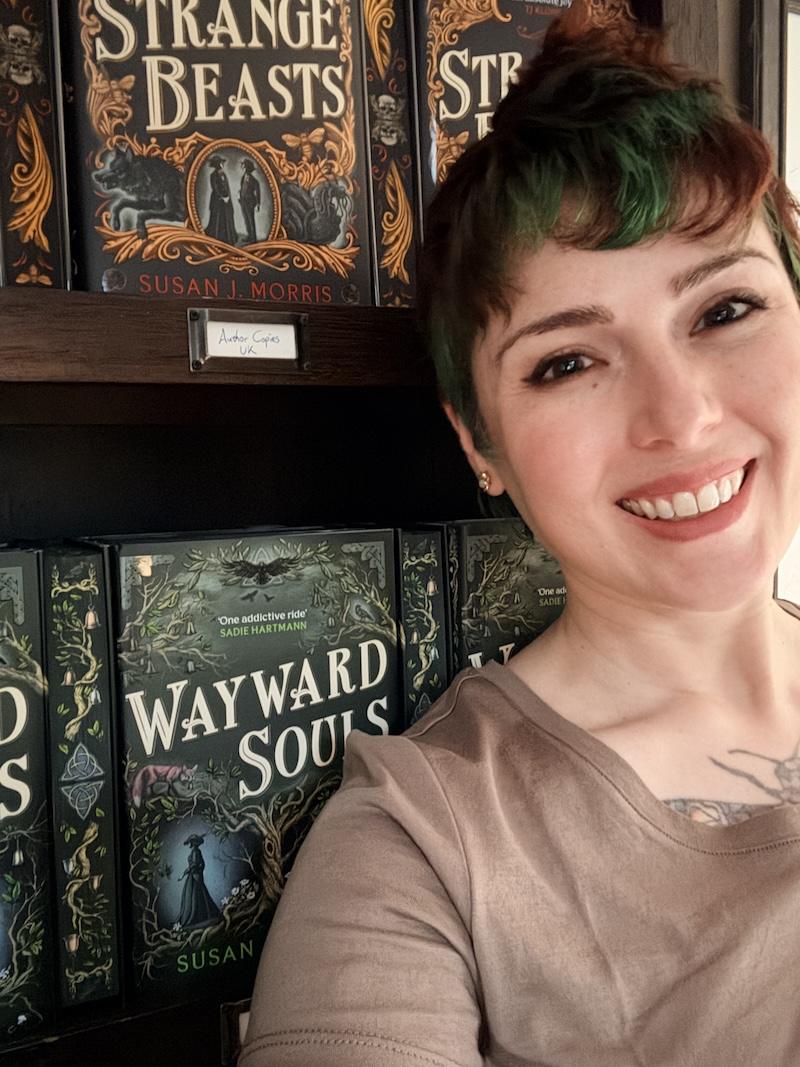
My debut adult novel, Strange Beasts. Perhaps because of my steady diet of fantasy novels since forever, prior to Strange Beasts I’d avoided writing books set in the real world. Writing Strange Beasts was a revelation. It felt suddenly as if all my life I’d been limiting myself to painting with two or three colours, and now suddenly, I had the whole palette. I could draw from my favourite chapters of history, and make sly Shakespearean and Dickensian nods, and perhaps most importantly to me, and I could make magic feel REAL, like something I’d grubbed up from the sidewalk cracks.
(Pictured: Susan with her two (so far!) novels)
Where and when do you create/are you at your most creative?
Early in the morning when it feels like everyone is asleep, on a day when I am absolutely, under no circumstances, supposed to write. Forbidden words are the best words!
What’s the best advice you’ve received about creativity?
That everyone’s creativity is entirely unique, and so it’s totally okay if common advice doesn’t work for you. The most important thing is to figure out how you work.
One of my favourite questions to asks other writers is where they start. Some people start with the characters, others with the world, others with the twist. I start with the theme. For the longest time, this made me feel out of place among other authors, because what worked for them (like the “never revise when writing your first draft” rule) never worked for me. But I’ve since met many other theme-first writers, and I’ve found we actually come at creativity in a really similar manner. It’s a wonderful way to get new tools, and such an enriching experience to get to chat with people who think about story like I do!
What’s your writing soundtrack?
Movie and game soundtracks mostly! Though occasionally my brain will vibe with an album that has lyrics to the extent that it feels almost invisible, and then I’ll listen to that. I also go through phases of using noise-cancelling headphones or the sounds of a crackling fire.
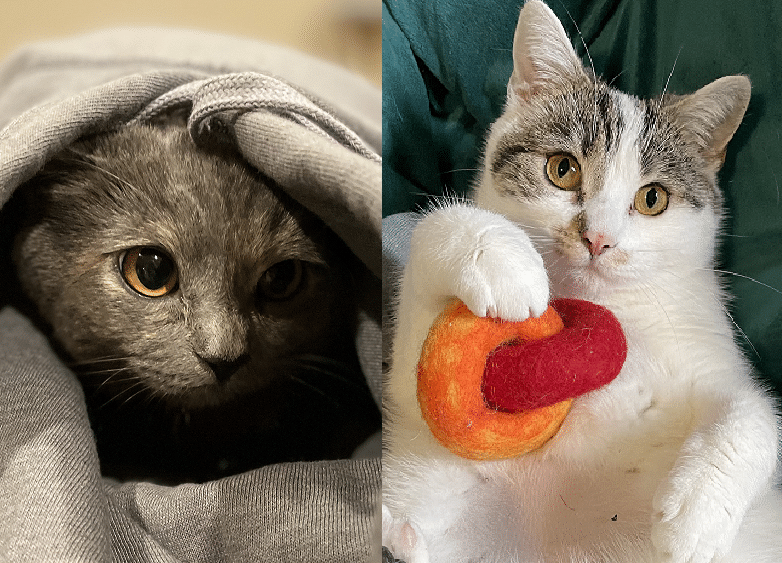
(Pictured: Susan’s feline friends)
The Quick Fire Round
Sci-fi, fantasy or horror?
Don’t make me choose!! (Fantasy… IF I MUST.)
Quiet or loud?
I’ve always had a thing for the dramatic. (Loud.)
Dark or light?
Darkness makes the light brighter.
Strict lines or genre blend?
Blending all the genres! Genres are a myth! (Subscribe here for more writely conspiracy theories.)
Awards or bestseller?
I find myself picking up mostly award-winning novels, some of which are also bestsellers.
Fiction or non-fiction?
Fiction, but I have a definite tendency to trip down non-fiction rabbit holes.
Poetry or prose?
I am a fool for poetic prose, but pure poetry is growing on me.
Plotter or pantser?
If there can be only one, plotter, but what really happens is that you plot, and then it gets away from you, and what results is nothing like the plan but somehow exactly what it needs to be.
Reading or listening?
Both! But if I can only pick one, reading, because I can only do audiobooks when I’m cooking, cleaning, or gardening. (Not driving; I’ve tried that. Turns out, the book is more interesting than the road.)
Notebook or computer?
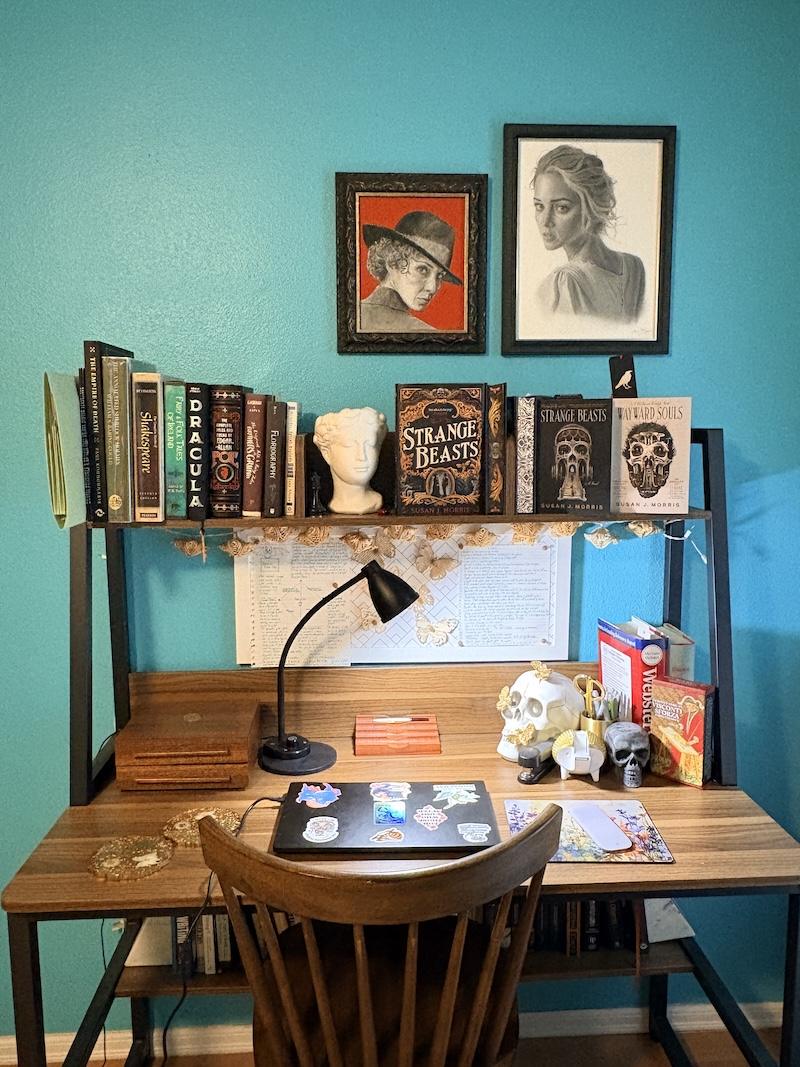
Notebook first, then computer. I go through a truly devastating number of notebooks, but I find handwriting unlocks a part of my brain the computer doesn’t.
(Pictured: Susan’s desk, where the magic happens)
Favourite SFFH book of all time?
Circe, by Madeline Miller—I’ve read it…. let’s just call it an embarrassment of times. I love how she finds the human in the fantastical, the language is honeylike and lyrical, and it has the best metaphor for writing I’ve ever read, in Circe’s description of learning her craft.
Last book you read?
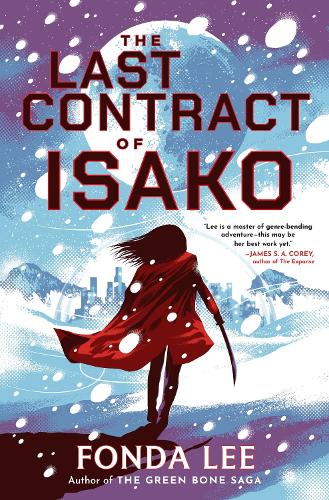
The Last Contract of Isako by Fonda Lee (So good! One of the best friendships I’ve read in fiction.)
Any SFFH author on auto-buy?
Madeline Miller, if you hadn’t gathered as much!
Favourite podcast?
The Magnus Archives! It’s an absolutely glorious horror podcast that I’m mildly obsessed with and probably the only podcast I’ve ever listened to more than once all the way through.
The Home Stretch
What’s the best thing about being part of the SFFH community?
The conversations. Whether it’s your strategy for surviving the zombie apocalypse, discussing the probable ecology of an alien planet, dissecting what makes a beloved book so brilliant, or raving about your new favourite game, it’s always a fantastic conversation.
Time to plug your stuff! Where can we find you and your work? What have you got coming up? Consider this your advertising space.
Strange Beasts and Wayward Souls were put out by Hodderscape in the UK, and Bindery in the US, and are available in audio, ebook, and print. You can find them at bookstores and libraries near you. You can find me on my website: susanjmorris.com, as susanjmorris on Instagram, and at FantasyCon 2026 in Glasgow!
Leave a Reply