The winners of the British Fantasy Awards 2026 were announced at Fantasycon. Find out all the details on our blog.
For all things fantasy, horror, and speculative fiction
-
Announcement:
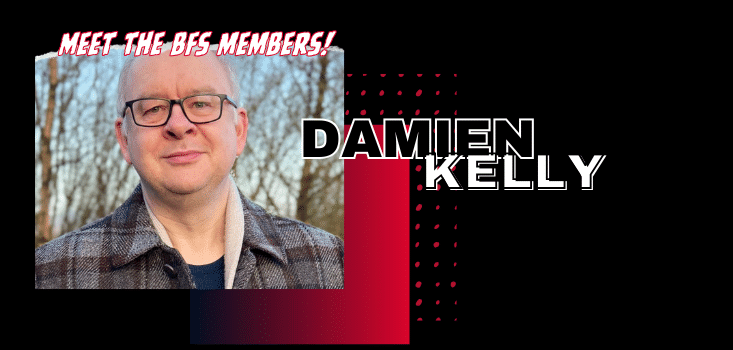
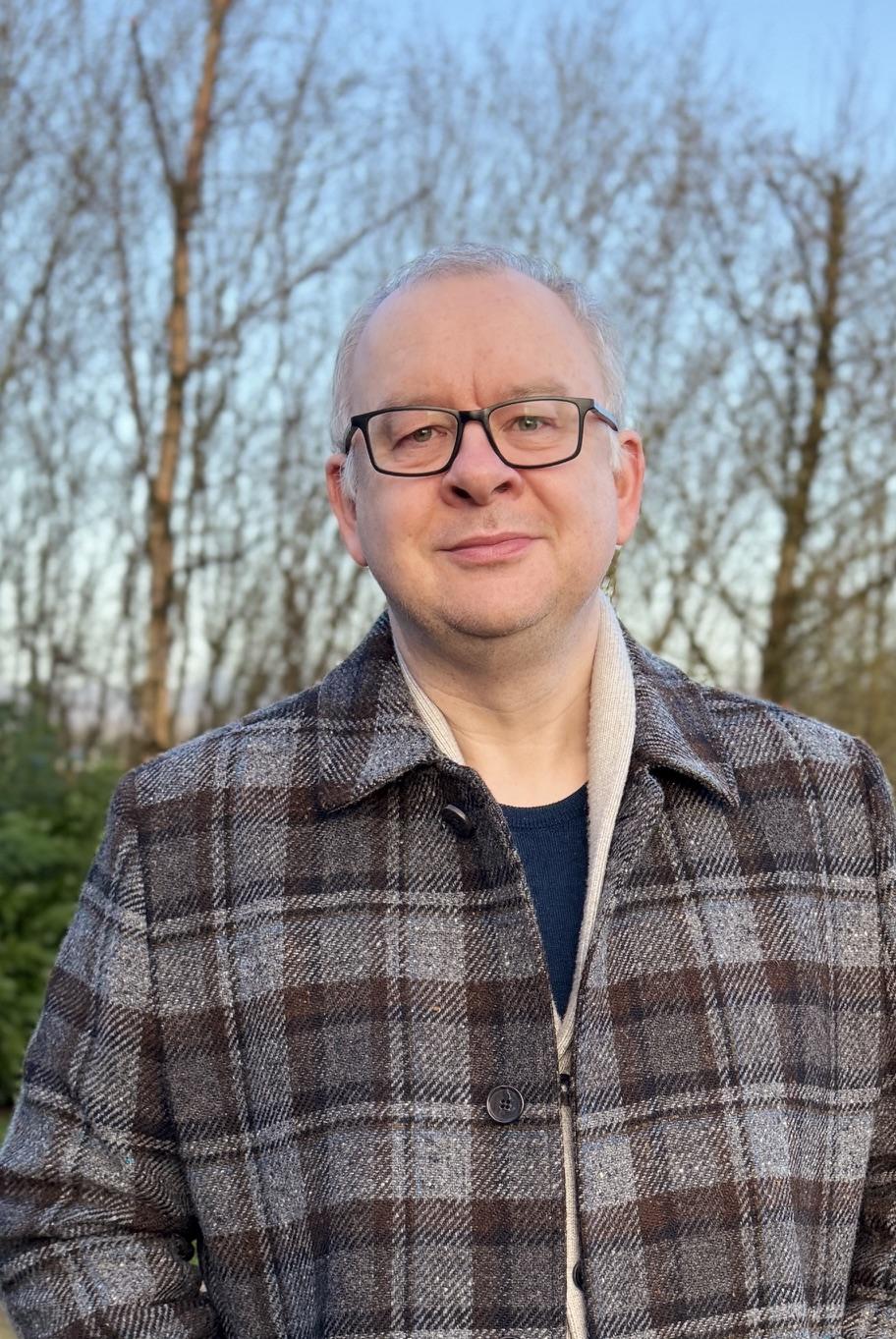
Meet Damien Kelly
Every Friday, we meet a member of the BFS and peer deep into their soul (or, at least, a form they filled out). Want to be featured? Email us: content@britishfantasysociety.org
Name, including preferred pronouns:
Damien Kelly (he/him)
Which region are you based in?
I’m in the far northwest of Ireland
If you write, which genre:
Mostly horror; sci-fi and fantasy only if I can shoehorn some dread in.
Are you drawn to any specific SFFH sub-genres?
I love folk horror and historical fantasy with equal passion, and anything gothic. I can’t resist a witch in any setting.
Your Influences
Tell us about the book/film/thing that got you into SFFH: What was it? How old were you? What impact did it have on you?
My first novel-length books were Anne McCaffrey’s Pern novels, the YA ones (Dragonsong, Dragonsinger, Dragondrums) and LeGuin’s A Wizard of Earthsea. I was just short of 10, thereabouts. At the same time, at school, we were reading A Christmas Carol and I was locked into that historical period for life. Between them, they pretty much ruined me for sci-fi and it never took root in the same way, much as I enjoy sci-fi on screen. Just rarely on the page. I wanted stories of personal agency that required no tool but the person and the living world, and I was inclined to look backward more than forward. But I was mostly into the idea of the hero who suddenly becomes powerful from nothing.
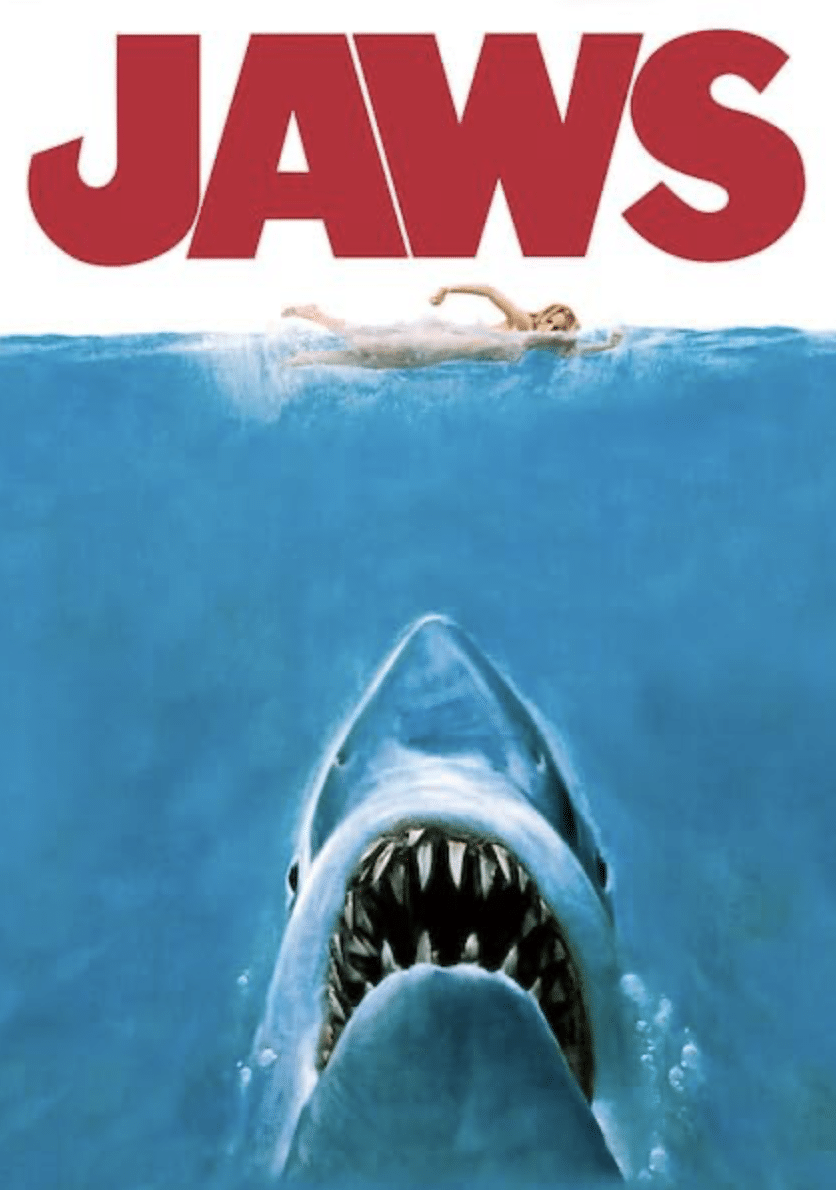
Then I saw Jaws, and it wiped my superman-complex out completely. Terrified me. These is no more frightening film. I couldn’t swim, and thought of it like a super power. And here were people with that power and it was exactly that which got them killed. And that taught me how dread works; how you measure the distance from you to scary and how it isn’t defined by weakness or cowardice.
How does that early influence show up for you (in life/writing/agenting/publishing/editing/reading/etc) now?
I like the adage that horror teaches empathy, and the mechanics of that are pretty easy once you get it: you’re watching the progression of a story with threats in it for how differently you would walk the same path. If you want to scare any reader, you have to think about how invisibly you’d separate them from safety, how you’d bolster their confidence rather than make them feel excluded from the beginning. Because the beach is nice, the sun is warm, the ocean is fun and everyone is swimming. Your friends are there, your family. There are lifeguards. There are safety buoys. You can feel the sand under you. Why wouldn’t you get in the water?
That’s the philosophy that guides every scary space I try to write: that it feels safe for so long before it doesn’t. That you got caught, not because you weren’t sensibly wary of the shark, but because you have only now understood that you were actually supposed to be afraid of the water.
Where do you draw your creative inspiration from?
I’m a big reader of Irish myth and I root my work in that a fair bit; it’s densely populated, but whole swathes of it remain unknown or lost (we have no creation myth!) so you can play with it a lot. The Irish are very forgiving of adaptation and rewriting. Kinda. It’s also a living practice still, where I come from, not just a bunch of stories, so it’s still easy to do modern stories in that same space.
Who do you look to as a genre hero? Why?
I think Philip Pullman will always dominate my thinking, because the scope of His Dark Materials is so vast, but his hand on it was never heavy. He packed so many personal histories into those worlds, at dusty street and palace level alike, and he never compromised on the pain. He writes profoundly and accessibly at the same time. He’s not a horror writer, and that’s how he gets to hit you with so much horror you’re not prepared to fend off in advance. If I could hide my predilections, I think I’d be a better writer.
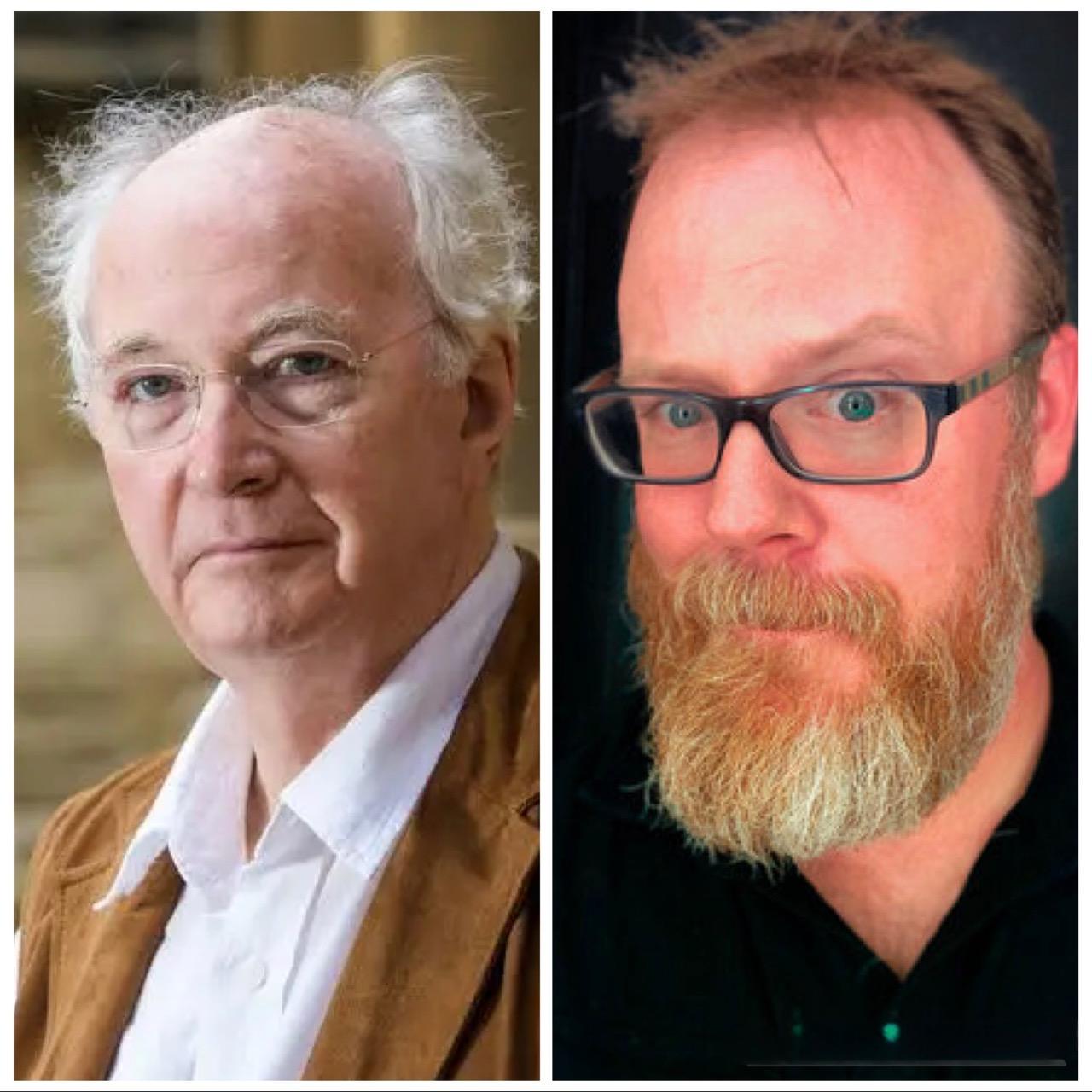
After him, it’s Chuck Wendig, who is, again, such an accessible and entertaining writer, but he’s also innovative and a unique stylist and invested in building big worlds for scary stories. He works across genres, too, but for horror writing, I think he’s unmatched, despite a horde of amazing talent at work at the moment.
Your Work
You’re stuck in an elevator for 60 seconds with that hero, and they want you to describe your work. Give us the pitch.
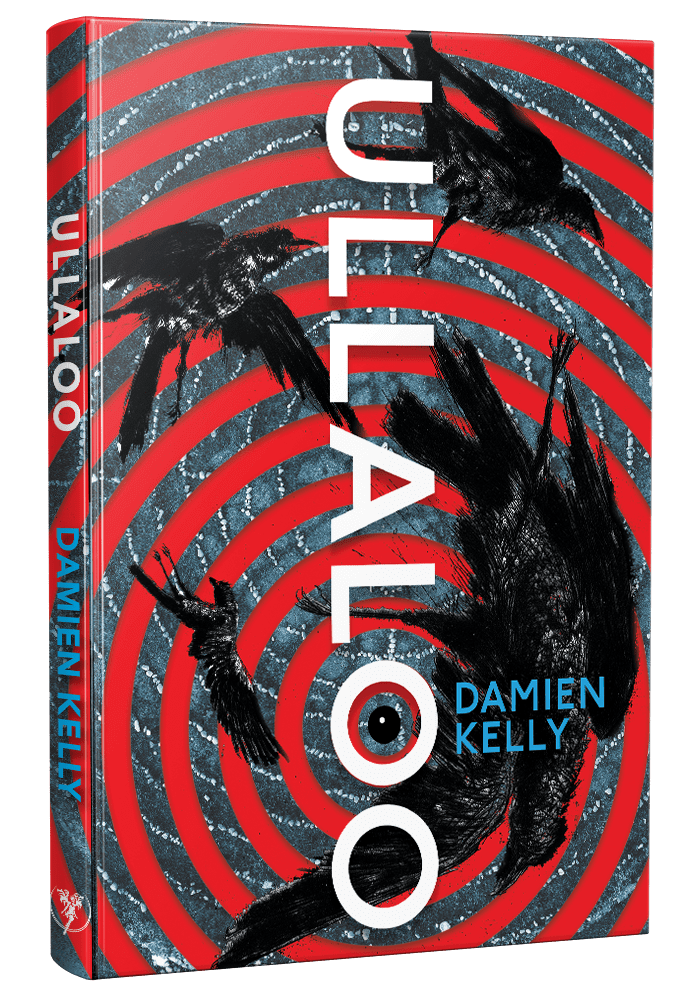
Daniel Ward is a likeable young man with an amazing, magical voice, born into a secret heritage of Irish bards thousands of years old. His family can sing and conjure the ghosts of the world’s dead, as they take their last earthly steps into the afterlife, and access their memories of their deaths. They use this knowledge to record humanity’s inhumanity, as a lesson to the future. They also make a decent income from insider trading on those secrets. All is fine until Daniel finds a girl outside the family with the same power and brings her into his world. Now the secrets she sees are closing on the Ward family, and Daniel’s complacency about his own life might be his and others’ undoing, as the dead reveal more than they ever have.
That’s Ullaloo, my first book, out in November 2026 on PS Publishing’s Absinthe Books imprint.
What are you working on right now?
Ullaloo was the first long-form story I’d ever tried, and it’s only novella-length, so I’m finally attempting a novel. It builds out a story I wrote twelve years ago for a book called The New Gothic, which was my first publication. That story, The Whipping Boy, is another Irish tale, but has the devil at its centre and a child protagonist. I’m revisiting that character as a much older man (like me) and seeing if I can still trick him into walking the road to Hell.
Thinking about all the stories/work you’ve done, what sticks out most in your mind? Why?
I think I write a lot about naivety, and I like to skewer privilege where I can as well (post-colonial obsession, you say?). I think when writing characters who identify as men, particularly, I want to show how complacent about harm we have become, in all arenas, and how unthinkingly we just take what’s in front of us as if entitled to it all. All the stories I’ve had published this year—The Tallow Feast and In Fields of Salt for Flame Tree, Lazarus Rising for SciFi Ireland, and Ullaloo for PS—come back to that theme, unambiguously.
Where and when do you create/are you at your most creative?
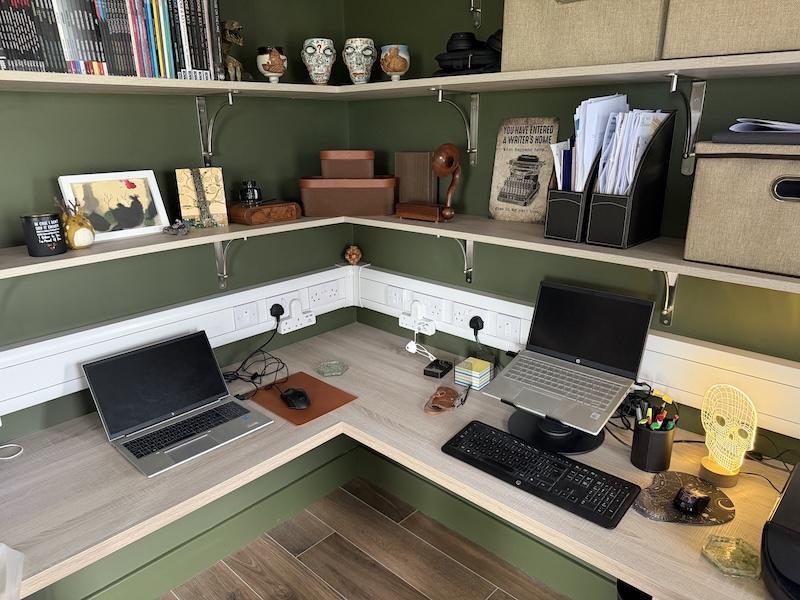
I left face-to-face university teaching to be a stay-at-home dad to my kids almost 25 years ago, so I quickly learned to demand an office with a door and that people take their goddamned naps! My kids are grown now, but I’m still working by day, usually early on, behind that door, in my own office, before I do shopping runs and make dinners. I work for the Open University now, so it’s an office for more than just fiction, but it helps a lot.
(Pictured: Damien’s office)
What’s the best advice you’ve received about creativity?
My original degree background was psychology, which is about showing how much everybody is and acts the same way. It’s a science that sort of hates, professionally speaking, the idea of the individual. But the neuroscience of ‘making stuff up’ is really gratifying and reassuring in this respect, because the creative brain is a unique fingerprint, a unique salience network. Scientists can identify a person from a map of neural connections with 99% accuracy in the frontal cortices: nobody else ‘shows interest’ in the world in the way that you do. That’s your USP. There might be a finite number of stories one can tell, but there are scientifically as many ways to tell them as there are writers willing to give it a go. That’s not cliché; it’s anatomy.
What’s your writing soundtrack?
Silence.
The Quick Fire Round
Sci-fi, fantasy or horror?
Horror, but supernatural
Quiet or loud?
Loud
Dark or light?
Dark
Strict lines or genre blend?
Extra blended
Awards or bestseller?
Bestseller, core theme of Dragonsinger
Fiction or non-fiction?
Fiction
Poetry or prose?
Both
Plotter or pantser?
Extreme pantser
Reading or listening?
Both
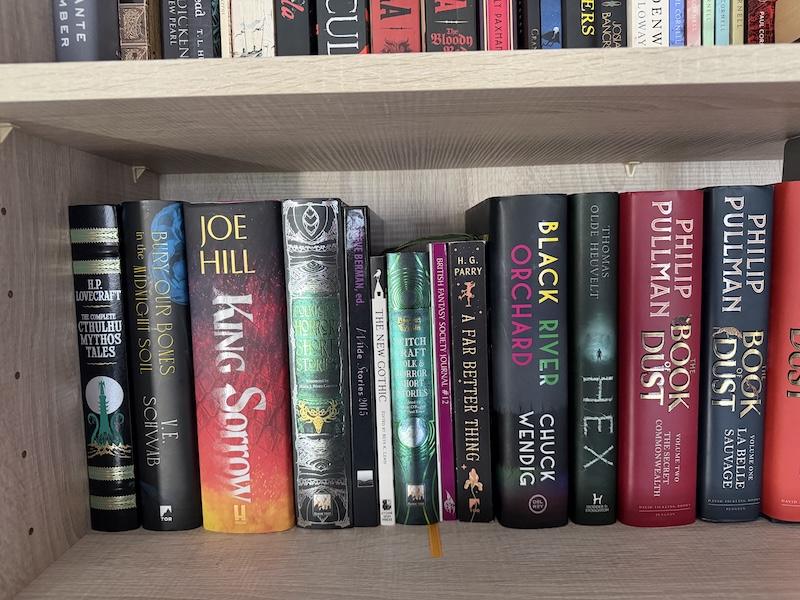
(Pictured: Damien’s book shelf with some faves)
Notebook or computer?
Computer
Favourite SFFH book of all time?
Jonathan Strange & Mr Norrell, by a hair
Last book you read?
The Girl Who Cheated the Wind by M.E. Moirin
Any SFFH author on auto-buy?
Pullman, Wendig, Susanna Clarke, HG Parry
Favourite podcast?
Pseudopod, and The Lovecraft Investigations, indeed all of the Pleasant Green audio universe.
The Home Stretch
What’s the best thing about being part of the SFFH community?
People are reaching out all the time to make sure you don’t feel alone in any part of this experience, and that’s amazing. It really feels like there’s an unspoken but concerted effort to ensure nobody falls behind.
Time to plug your stuff! Where can we find you and your work? What have you got coming up? Consider this your advertising space.
Ullaloo is about to come out from PS Publishing, in the Absinthe Books line, edited by Marie O’Regan; limited edition, numbered hardbacks first. You can find this year’s short stories in ‘Witchcraft’ and ‘Folklore Horror’, both Beyond & Within anthologies from Flame Tree Press, and in the current issues of SciFi Ireland and IONTAS Magazine. All the links you could ever need, and a free ebook of previously published shorts (including a Year’s Best Gay Speculative Fiction choice) are available via my website, damienkellyauthor.com
Leave a Reply