The shortlisted works across all 13 categories of the British Fantasy Awards have been announced! Find out who’s in the mix over on our blog. Winners announced at Fantasycon in October.

For all things fantasy, horror, and speculative fiction
-
Announcement:
From Pen to Print: Lexy Hudson on Wonders Never Cease
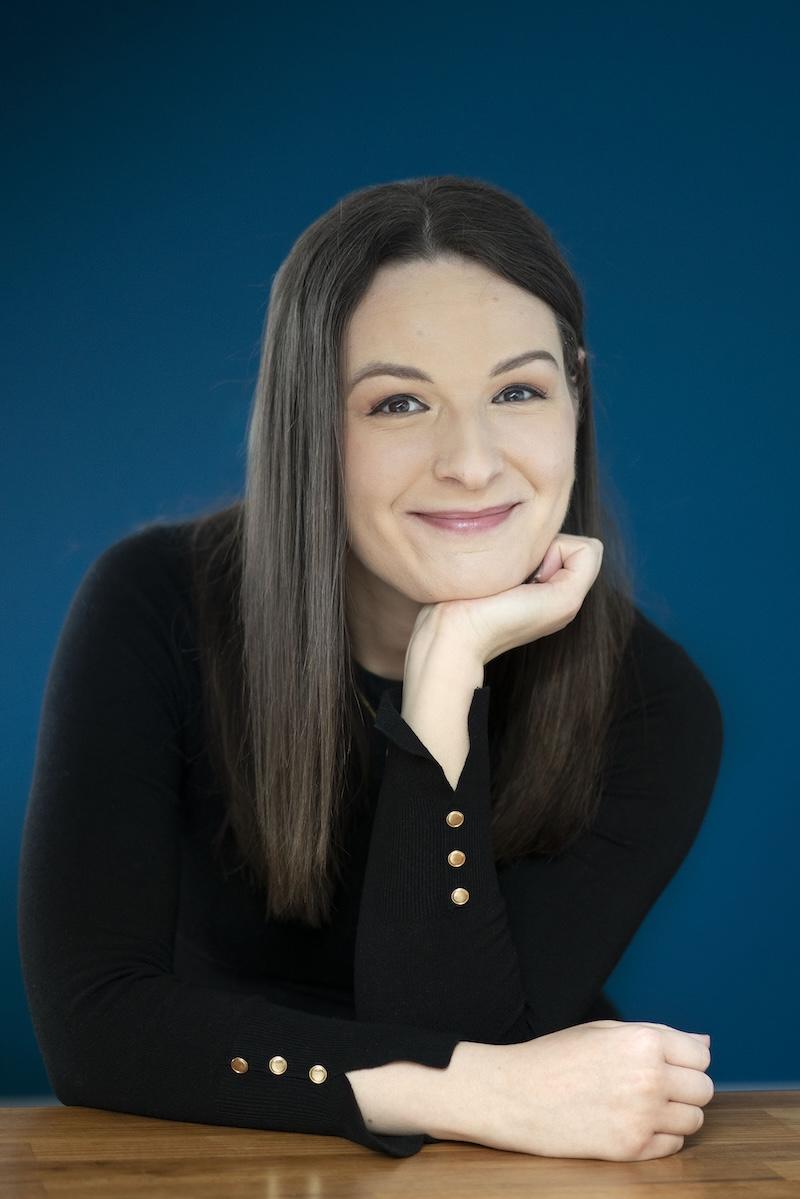
Londoner Lexy Hudson’s debut follows a decades-spanning asexual love story set in the beautiful yet fickle world of London ballet, and is described as “a stunning debut fantasy romance”. She shares its journey from idea to book shelf.
Name: Lexy Hudson (she/her)
Based in: London
What genres/subgenres are you drawn to?
I consider myself an omnivorous reader: if you look at my shelves at home you’ll find high fantasy, urban fantasy, historical, crime, literary, non-fiction… basically, if it sounds like it’s going to be a good story of any kind, I’m in!
Is writing your full-time focus, or do you have a day job as well? What do you do?
I work full-time as a senior production editor for an orthopaedics journal (I have no medical expertise, I just really like copyediting). I hope that writing will be my sole focus one day, but for now I’m just grateful to have a good enough work-life balance that I’ve been able to write a publishable book.
The Book: From Pen to Print
What was the genesis of this book? Where did you get the idea from?
I’d always wanted to write a novel where ballet was central to the plot, but didn’t quite know what that would look like. At the same time, in recent years I’ve been working up the courage to write something with an asexual romance at the heart of it, because I could have really used a love story like that when I was younger. Then, in late 2022, as I was reacquainting myself with going out into the world and having nice experiences post-lockdowns, a friend created a WhatsApp group called “Get in losers, we’re going to the ballet”, and we went to see Matthew Bourne’s reimagining of Tchaikovsky’s The Sleeping Beauty. From the moment I walked out of the theatre (into an unexpectedly snowy night, adding to the sense of magic in the air), I felt as if I’d been bewitched. Slowly but surely, the two halves of what would become Wonders Never Cease came together: two dancers who unconsciously use their partnered roles to build the foundation of a romantic relationship, before external, supernatural forces threaten to tear them apart forever.
How many drafts did you go through before you felt it was ready to query? How long did that take you?
Looking back at my writing folder is pretty funny: my very first draft isn’t called “Draft 1” or even “Draft 0”, it’s actually “Draft –1″. I spent a lot of time on the first 20-30,000 words in the first half of 2024, before I finally showed them to my agent that August, to gauge how viable an idea it was. She got back to me 12 hours later with this response: “I LOVE THIS. When do you think you could get a first draft done by?” We considered the Frankfurt Book Fair in October as a deadline, which meant writing the other 60-70,000 words in six weeks (~1500 words a day). I still can’t quite believe I did it, but I did! But, inevitably, there were pacing problems because I hadn’t had any time to look back and fix the story as I was drafting, I’d just had to keep moving forward. So instead of going on submission at Frankfurt, I did a big structural edit over the winter, we went out in January instead, and then secured a deal with Titan in March. So from the genesis of the idea to publication, we’re looking at just over two years which, in publishing time, is an absolute whirlwind.
Did you work with beta and/or sensitivity readers? How did you find them? How did you incorporate their feedback?
I’m quite a solitary writer, and very protective of my first drafts, so I’ve never worked with beta readers and I’m not part of a writing group. (Not the most interesting answer, sorry!)
What was your querying process like? How long did it take?
Ironically, when I look at how quickly I drafted most of this book compared to previous manuscripts, this was the fastest turnaround between going out on submission and getting responses (let alone receiving an offer) that I’ve ever had. I only had to wait about a month before Titan expressed interest, which bowled me over because with my previous manuscript, I was stuck in submission limbo for the better part of a year.
Once it was in the hands of your publisher, what was the process to get it ready for release?
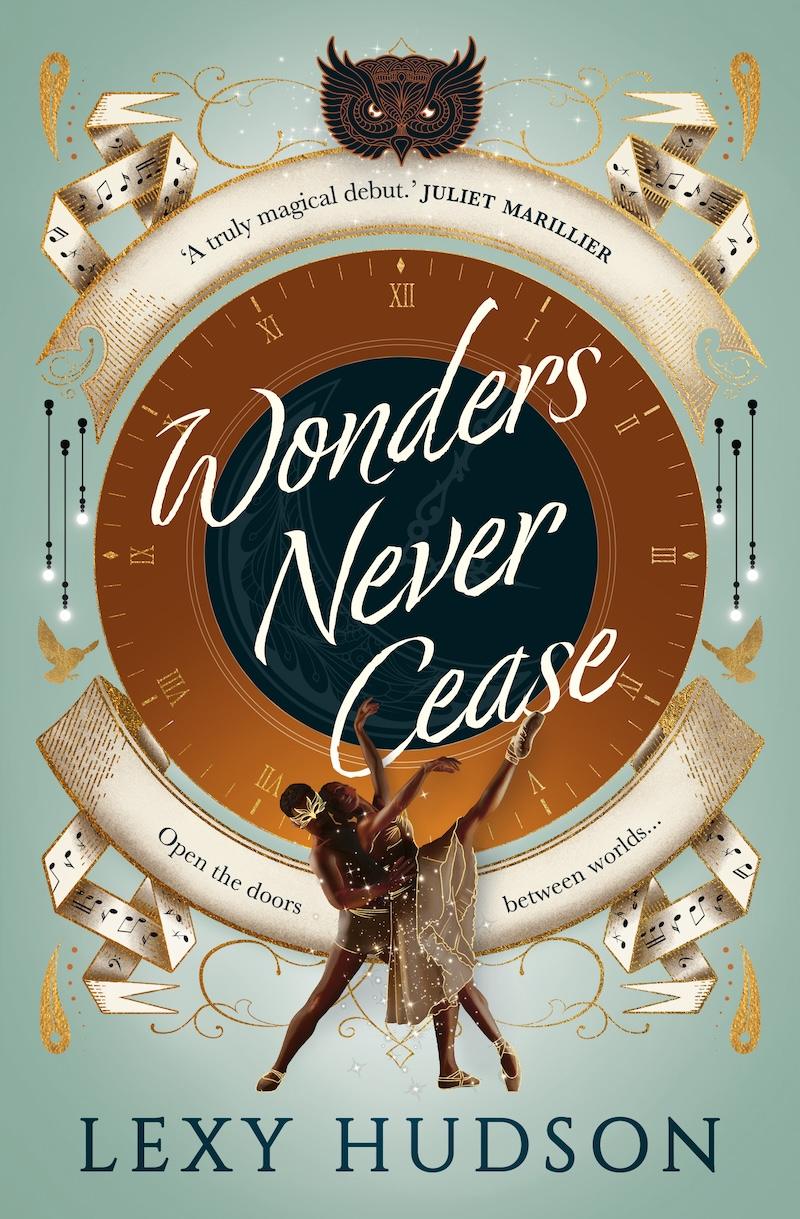
Again, unusually fast—I’ve been calling it “Publishing: the express lane”. But at no point has it felt rushed; every department at Titan has put a lot of thought and care into each stage of the process. Once I signed the contract, my editor and I did another structural/development edit, then we did line edits, and finally copyedits and proofreading. I also sent off a little inspiration slide deck to help the cover artist put together something that would stand out on a shelf and capture the book’s essence (needless to say, she smashed it), and had a Publicity & Marketing meeting to discuss how we could get the word out to booksellers and readers.
And now your book is about to be unleashed on the world! How are you feeling?
I feel like a parent dropping their child off on their first day of school—a little bereft, but cautiously optimistic (“go on, make lots of friends!”). The book doesn’t belong to me anymore, it belongs to the readers. To be honest, I still don’t think the reality of it has hit me yet. I don’t think it will until I see my book out in the wild, whether it’s in a bookshop, a library, or a stranger’s hands.
What would you like us to know about this book?
You do not have to be interested in ballet, or have any existing knowledge about it whatsoever, to enjoy Wonders Never Cease. I’ve done my best to write it so that newcomers feel welcome, while also leaving lots of Easter eggs for fellow ballet nerds to enjoy. Likewise, for anyone who loves a romance but is sceptical about whether they’d like one that doesn’t have much “spice”: give it a try anyway.
This is also a good book to recommend to someone as their “gateway” to fantasy novels, because, as David Jays said in his obituary for David Walker, “Ballet keeps one slippered foot in reality, the other in fantasy.” The story is as much about human, everyday goings-on as supernatural, otherworldly ones.
Who’s the ideal reader for this one? What sort of things do they like to read about?
People who love the thought of magical and slightly haunting things finding their way into our seemingly ordinary world. Anyone who considers themselves a bit of a “culture vulture”, who loves music and theatre as well as dance. But above all I’d say the ideal reader is anyone who either identifies as asexual and has never seen their experience of love and relationships represented in fiction, or is curious to learn more about love from a different angle.
Your Writing Process
Are you a plotter or pantser or somewhere in between? How do you do your first draft?
I’d describe myself as a flexible plotter: I usually have a good idea of where we’re going to end up, I just need to figure out how we’re going to get there and what interesting detours we’ll take along the way. I tend to write the first three chapters with minimal plotting, because there’ll already be a scene in my head that’s clamouring to be written. Once that’s done, I’ll step back and create a separate “ideas/research/miscellany” document where I can make more in-depth notes about the main characters, the setting, the story beats, etc. When I reach the end of one chapter, I make quite detailed notes about the next one so that I always know where I’m heading next.
How do you approach writing? Are you the type of writer who needs to treat it like a job? Is there a particular time of day you find best for you to write?
I’ve been used to writing around a full-time job (and before that, university contact hours, or school and homework) for so long now that writing in the evenings feels like second nature. By then, all the day’s admin is usually done, dinner has been cooked and eaten, and the inbox has gone quiet, so it’s just me and the night. There’s something quite freeing about that. Towards the end of a first draft, when the words are coming faster than I can type, I have been known to stay up until 4am, having bashed out 7,000 words in one sitting, but that’s a once-a-year event. I wish I were the kind of author who could get up before sunrise and write first thing, but I don’t like the idea of getting really into the zone only to have to tear myself away prematurely because it’s time to log on to work. Also because I need a certain amount of time in the morning to potter around and have coffee, otherwise I am useless.
Geek out about stationery: do you use a notebook? A specific type of pen? Or are you computer all the way?
I like to have a notebook on the go (with a Muji smooth gel ink ballpoint pen) in case random ideas come to me—usually a solution to a plot problem, a worldbuilding detail, or a line of dialogue. I can trace every book I’ve ever written back to a seemingly inconsequential note prefaced with “Future idea, maybe??” or “What if…” But for actual drafting, it’s always on my Macbook Air. I used to draft certain scenes longhand, but my handwriting isn’t what it used to be—I’m too impatient, my hand can’t keep up with the speed of my thoughts!
Is any of that different for editing?
If I had enough space in my flat for a printer I would have invested in one by now, because I do think there’s some value in printing off a draft and catching things you’d otherwise miss on a screen. But, for now, I just try to give each draft enough breathing space that I can come back to it with fresh eyes, even if still on a screen.
Where do you work? Do you have a comfy, creative space at home or are you someone who has to grab the moment wherever it comes?
I have occasionally written on a long train journey or in the British Library, but 95% of the time it’s just me at my desk at home. Writing in public only really works if I’m surrounded by other writers, otherwise it just makes me self-conscious. It’s hard to get into the elusive “flow state” with other people around.
What’s your writing soundtrack?
Music is hugely important to my writing process, so I love that you’ve asked! Each book I write has its own playlist, but it was especially important for Wonders Never Cease to have one so that I could visualise certain bits of choreography, and know the music of the classical ballet canon inside and out, because my characters would. No surprise that my top artist on my 2024 Spotify Wrapped was Sergei Prokofiev, followed closely by Tchaikovsky. I have cried over the score for Romeo and Juliet an embarrassing number of times.
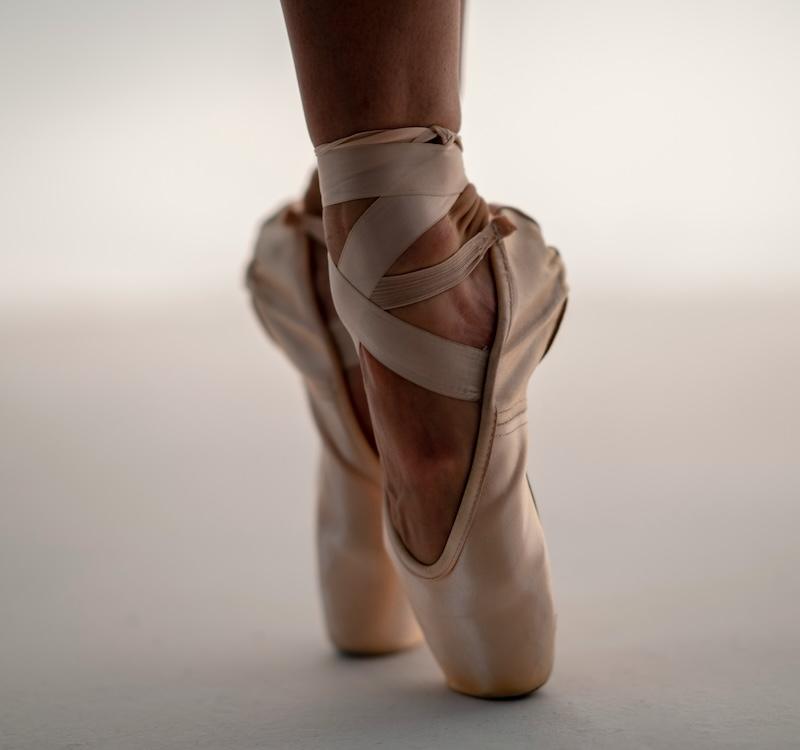
(Photo by Nihal Demirci on Unsplash)
Do you have a writing ritual?
Not really, unless you count “sudden urge to do the washing up/sweep the floor/check Instagram” procrastination as part of the ritual. I tend to just make sure I have a cup of tea nearby, my playlist cued up, and then I briefly re-read what I wrote last time to remind myself where I need to pick up from. I know it’s been a good writing session when I stop noticing what song is playing, and my cup of tea is still half-full, but gone cold.
Where can we follow you / find out more about your work?
You can follow me on Instagram @AceOfWords, and subscribe to my free fortnightly Substack of the same name where I provide writing and publishing updates, review books, and mini dives into etymology. You can also check me out at www.lexyhudson.co.uk.