The winners of the British Fantasy Awards 2026 were announced at Fantasycon. Find out all the details on our blog.
For all things fantasy, horror, and speculative fiction
-
Announcement:
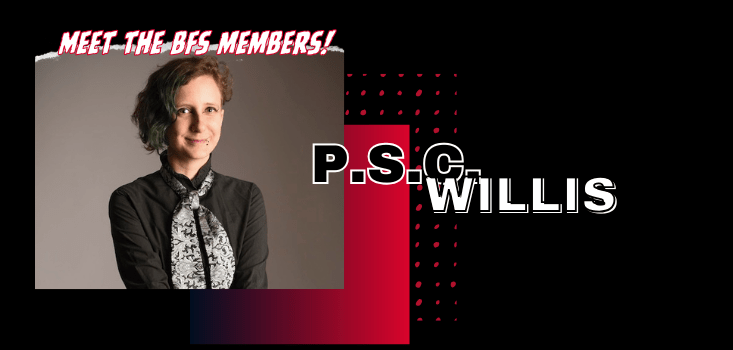
Meet P.S.C. Willis
Every Friday, we meet a member of the BFS and peer deep into their soul (or, at least, a form they filled out). Want to be featured? Email us: online@britishfantasysociety.org
Name:
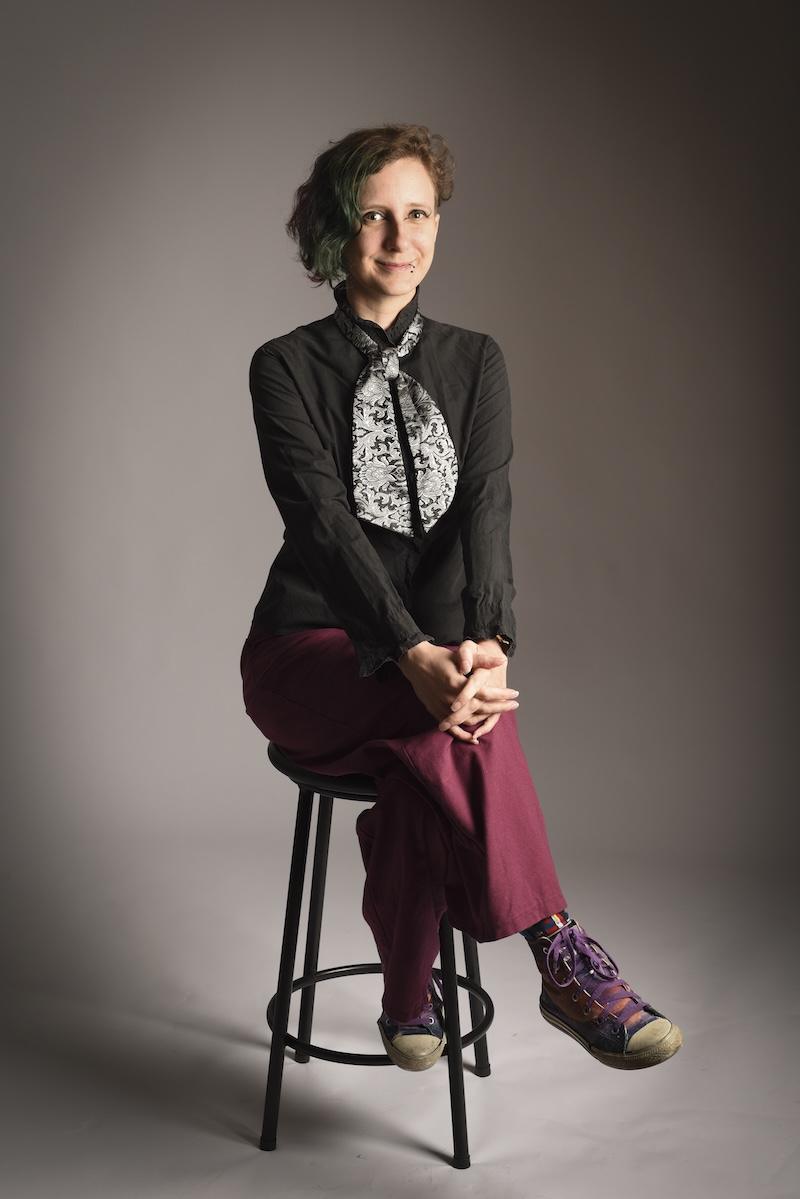
P.S.C. Willis. You can call me ‘P’ when chatting. Pronouns they/them (mostly).
Which region are you based in?
International/East of England. I’ll be moving back to the U.K. in June, and will be based in Suffolk.
If you write, which genre:
Sci-fi and fantasy
Are you drawn to any specific SFFH sub-genres?
I love contemporary and portal fantasies and magical realism. I want stories to make me believe that they could happen to me—that I might still find magical secrets. In sci-fi, is there a subgenre term for ‘please don’t look too closely at the science and just enjoy the characters?’ I’m also a sucker for time travel, though (beyond one, as yet unpublished short story) I’m yet to write any.
Your influences
Tell us about the book/film/thing that got you into SFFH: What was it? How old were you? What impact did it have on you?
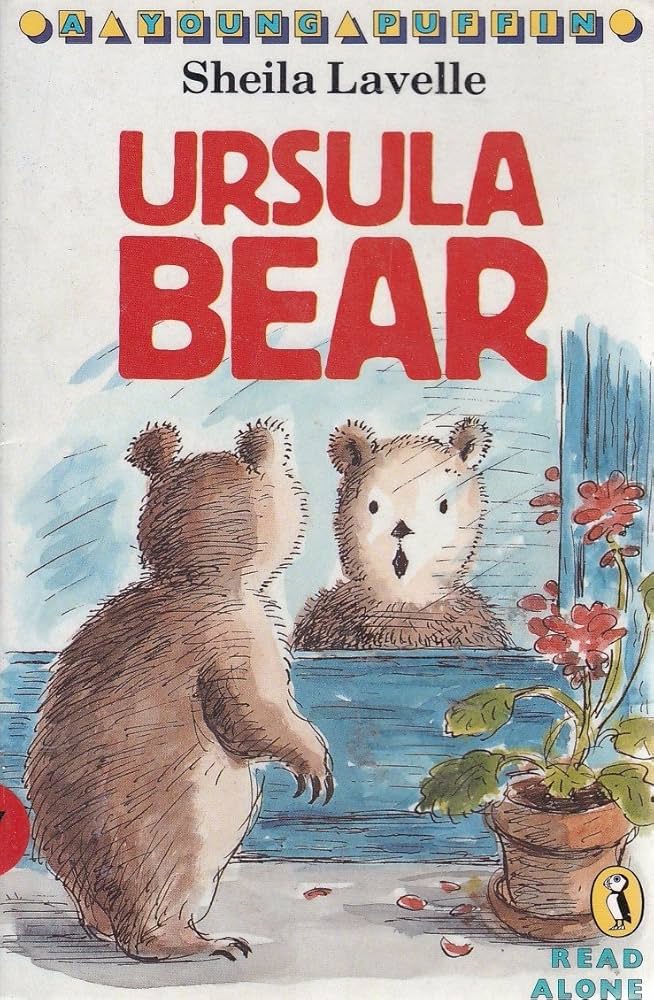
Hmm, that’s tough. I don’t remember a time when ‘books with dragons’ wasn’t an option—one of many, we were a very bookish household. One of my earliest uses of my library card was checking out every book in the Ursula Bear series. I was probably around six or seven? Or both, I think my obsession with them was quite long-running. They were small chapter books about a girl who can turn into a bear in an otherwise totally normal, contemporary setting. This could potentially spark a major debate on what qualifies as ‘fantasy’ given that was the only fantastical element. One of its flaws though was that the magic she used to turn into a bear was readily replicable (eating a bear’s favourite food of a current bun filled with oats and honey and reciting ‘I’m a bear, I’m a bear, I’m a bear’)—my sister tried it and it didn’t work, which was quite disappointing. Though as the antidote is to recite the words backwards while eating a little girl’s favourite food (burger and fries) and my sister and I are vegetarian, perhaps that’s for the best…
How does that early influence show up for you in writing now?
I did actually try to give a shout out to Ursula Bear in my novel. It wasn’t by name, as it was in a fantasy world, but my character, Draven, does a lot of volunteer work at the library, and a series of books with a suspiciously similar premise was mentioned during one of these scenes. However, that bit ended up being cut. Other than that, I was about to say ‘it doesn’t, it’s just a series I remember’—but it’s a contemporary world with only one fantastical element, very soft-magic/hand-wavey world building, and one of the Amazon reviews reads ‘gentle with only mild peril.’ So… ahem.
Where do you draw your creative inspiration from?
It’s sort of always there. My brain is not a quiet place, and most of the time it will be turning over ideas. If there’s some silence over three seconds, or I’m on a long journey, or even if I’m doing something but not really concentrating, part of me is always off somewhere else. My subconscious is probably rehashing things I’ve enjoyed to churn out these ideas. My main media consumption is books, but I also enjoy fiction podcasts and podcasts about writing.
That gets smushed together with something I’m feeling or something I think is important but isn’t being said enough. That sounds very deep, and like I’m trying to make major political commentary, which I’m not. It’s usually something like ‘making friends is hard’ or ‘having superpowers would actually really screw you up.’
Anyway, put all that together, and it will usually turn into a character and start talking.
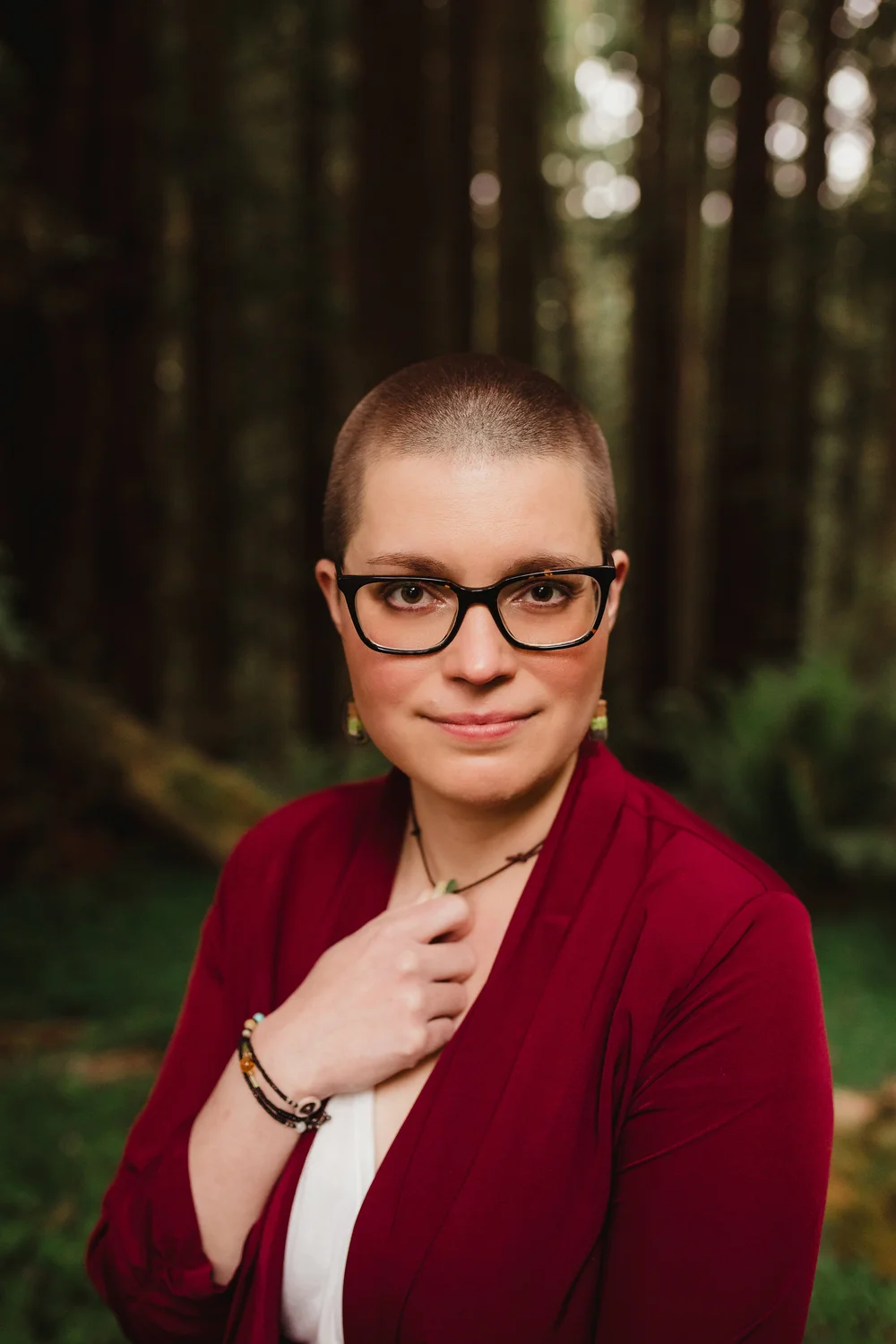
Who do you look to as a genre hero? Why?
Becky Chambers. She is incredible at creating worlds which don’t project default assumptions, transposed from our world onto somewhere that’s supposed to be different, including creating fantastic queernorm worlds. Like all the best sci-fi, her stories are fundamentally about the people (and robots and artificial intelligences and assorted beings) in them, and every single one of her books is like having your feelings suckerpunched and then being given a warm, reassuring hug as she unveils some beautiful insight into what it means to exist.
(Photo of Becky Chambers from her website)
Your Work
You’re stuck in an elevator for 60 seconds with that hero, and they want you to describe your work. Give us the pitch.
If I actually knew I was speaking to Becky Chambers, I’d probably come out with something like: “I wish I was you but I’m not. Obviously. And I’m glad you’re you cos you do it way better than I would.” Imagining a world where I’m not awkward, my usual tagline is: ‘Cosy, queer sci-fi and fantasy that lets people believe in magic, in other people, or both. Ranging in length from flash fiction to novel-length.’
What are you working on right now?
I have a project which I pitch as Legends and Lattes X The IT Crowd—a silly story about tech support in a magical world that’s actually a serious story about adult loneliness and friendship break-ups. I’m currently moving that from a zeroth to a first draft.
Thinking about all the stories/work you’ve done, what sticks out most in your mind? Why?
I’d hope it’s an over-arching sense of warmth and optimism (apart from that one published comedy horror story I have about cursed waffles). While I think it’s hugely important to make art that is serious and that criticises the problems in the world, I think it’s equally important to make things that are joyful or fun or hopeful. Especially in queer media, where for so long by law it was dictated that we could only be depicted if it was with a tragic ending as a lesson to not be like us.
Where and when do you create/are you at your most creative?
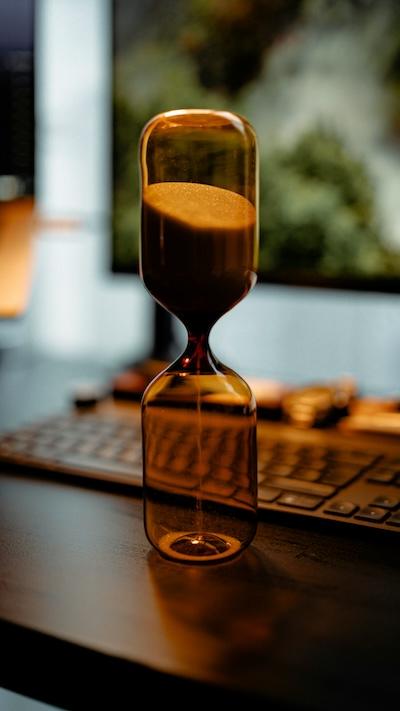
For me, creativity is less a particular place and more a series of habits. One being ‘write it down when you think of it’ because a lot of ideas come on walks or when I’m in the bath (whiteboard markers work great on tiles, and even if the steam erases most of the words, the act of writing it and the few decipherable letters that remain are likely to make it stick long enough to transfer the idea to a more permanent home). When I need to get into ‘focus mode’ and just get the words down or do the edits, the Pomodoro method works really well for me.
(Photo of timer [for the Pomodoro technique!] by Milad Fakurian on Unsplash)
What’s the best advice you’ve received about creativity?
Find your people. It’s about the only piece of creative advice that I think could actually apply to everyone. They can be online or in person, but the idea of the lonely, tortured artist is so unhelpful and inaccurate. Community is so important.
What’s your writing soundtrack?
Silence. Occasionally Studio Ghibli soundtracks if part of my brain needs something else to do to let the rest of me focus. Café noise. I can’t work to music with words in a language I understand, otherwise I’ll get distracted by them, and most of the time picking out music would just be procrastination/distraction.
The Quick-Fire Round
Sci-fi, fantasy or horror?
Fantasy.
Quiet or loud?
Both.
Dark or light?
Writing content or sky? Dark skies; light, fuzzy stories.
Strict lines or genre blend?
Genre blend.
Awards or bestseller?
Bestseller.
Fiction or non-fiction?
Fiction.
Poetry or prose?
Prose.
Plotter or pantser?
Pantser-ish.
Reading or listening?
Both.
Notebook or computer?
Computer.
Favourite SFFH book of all time?
*brain explodes*
Last book you read?
A Legacy of Blood and Bone, Millie Abecassis
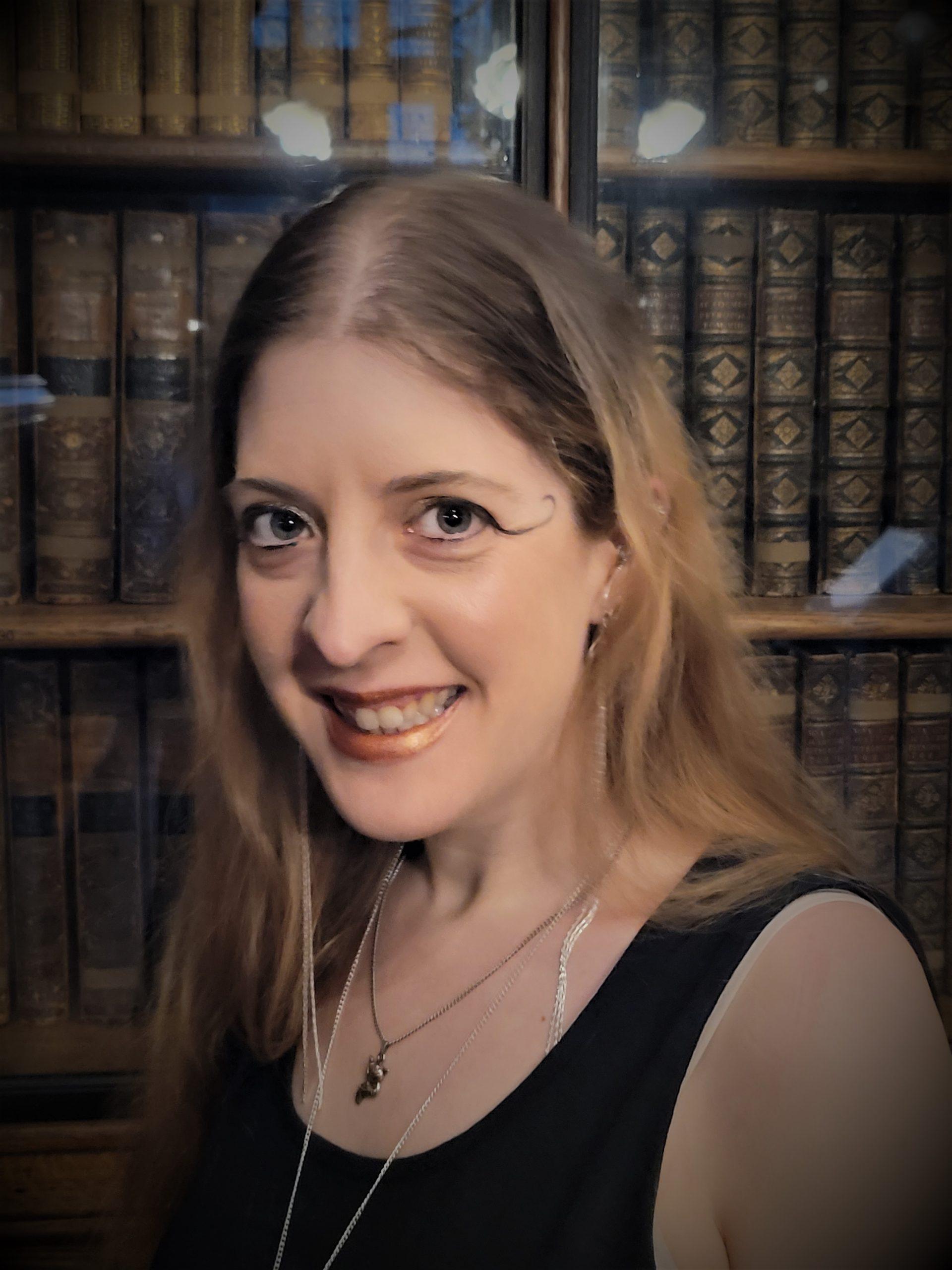
Any SFFH author on auto-buy?
Alethea Lyons (pictured)
Favourite podcast?
Writing: either The Writers’ Gym or the Rejected Writers’ Club.
Fiction: either The Bright Sessions or World Gone Wrong.
The Home Stretch
What’s the best thing about being part of the SFFH community?
Having people to nerd out with, and who cheer your successes and pull you through the bad bits.
Time to plug your stuff! Where can we find you and your work? What have you got coming up? Consider this your advertising space.
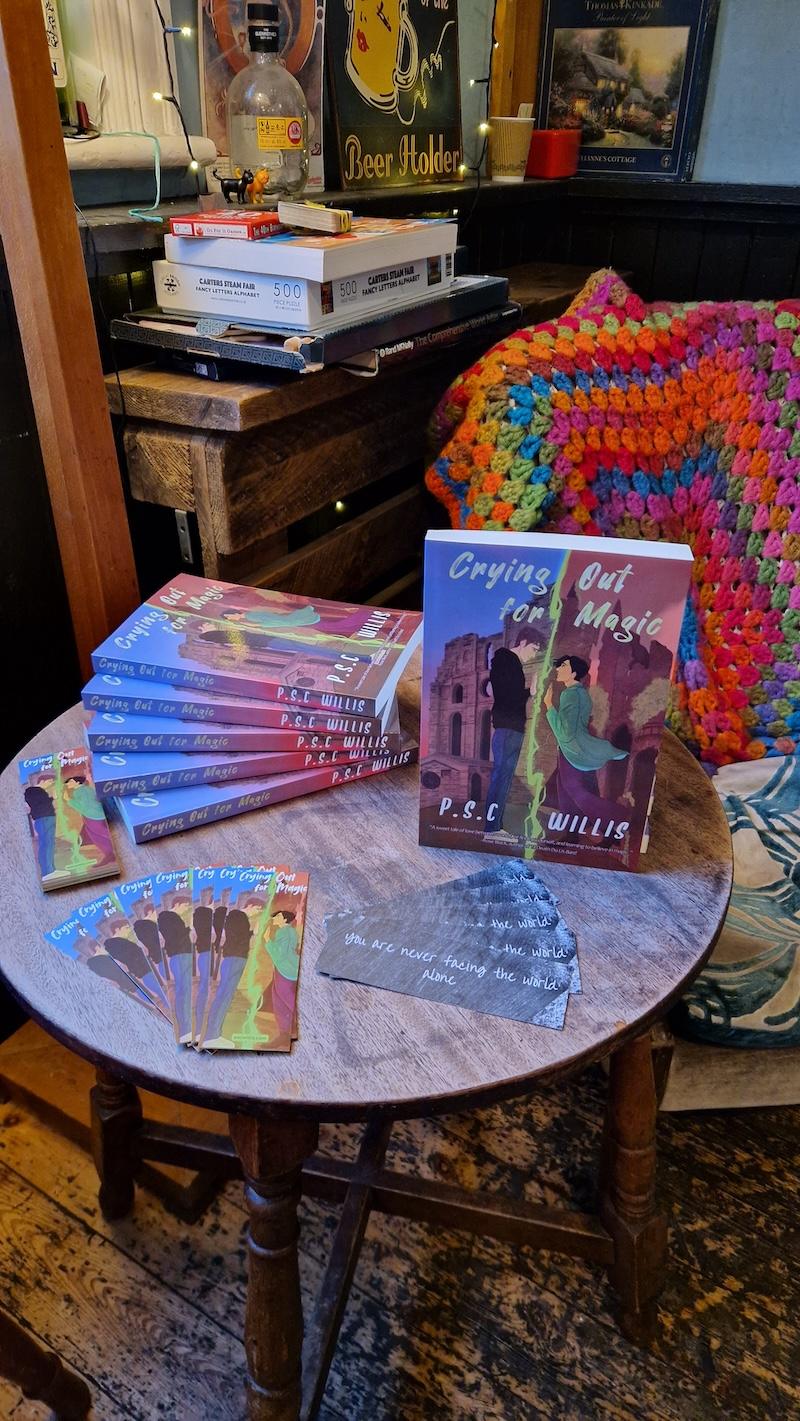
My debut novel came out last September. It’s a meet cute across different worlds, and a reverse portal fantasy, where a naïve but optimistic mage falls from his safe little world into ours and meets and an awkward fantasy nerd. It’s called Crying Out for Magic and is published by Space Wizard Science Fantasy, an exclusively LGBTQIA+ SFF press owned by the absolute nicest guy with the coolest hat and lovely cats, and you should support him. It should be available from most major book retailers, as well as direct from the publisher.
I just had a short story called ‘I Will Bring You Tokyo’ published by Tales and Feathers Magazine, which is free to read online.
For details of that, my other published works, and what I’m up to, check out pscwillis.com. You can also follow me on Instagram and Bluesky.
3 responses to “Meet P.S.C. Willis”
I would love to be featured in “Meet the BFS Member”. I just rejoined, after many years.
Hi Elizabeth – we’d love to have you! If you fill out the request form at the following link, it will come to my inbox and I’ll get you sorted: https://britishfantasysociety.org/get-in-touch/guest-posting-and-member-profiles/
Lovely interview, P – also lovely to see Alethea Lyons is an auto-buy! I’m really looking forward to listening to the audiobook of Crying Out for Magic, which I’ve got queued-up – ready to go!