The shortlisted works across all 13 categories of the British Fantasy Awards have been announced! Find out who’s in the mix over on our blog. Winners announced at Fantasycon in October.

For all things fantasy, horror, and speculative fiction
-
Announcement:
I Am Your Father: The Problem of Shallow Parenting In A Galaxy Far, Far Away
With the first cinematic release from the Star Wars universe in many years about to hit our screens, Matthew Palmer has been pondering how the galaxy portrays its fathers.
The Mandalorian and Grogu is in cinemas on 22 May, and I am the target audience—and I am not exaggerating. I’m a first generation Star Wars fan, lucky enough to have seen Return to the Jedi in cinemas on its first release. I have Star Wars Lego on my shelves, Star Wars novels on my shelves, and Star Wars t-shirts in my cupboard. I’m also a single dad, the primary carer for my son and daughter for the last nine years. So The Mandalorian and Grogu should be engineered from the ground up to appeal to me.
So why does the prospect of it leave me cold?
Convenient parenting
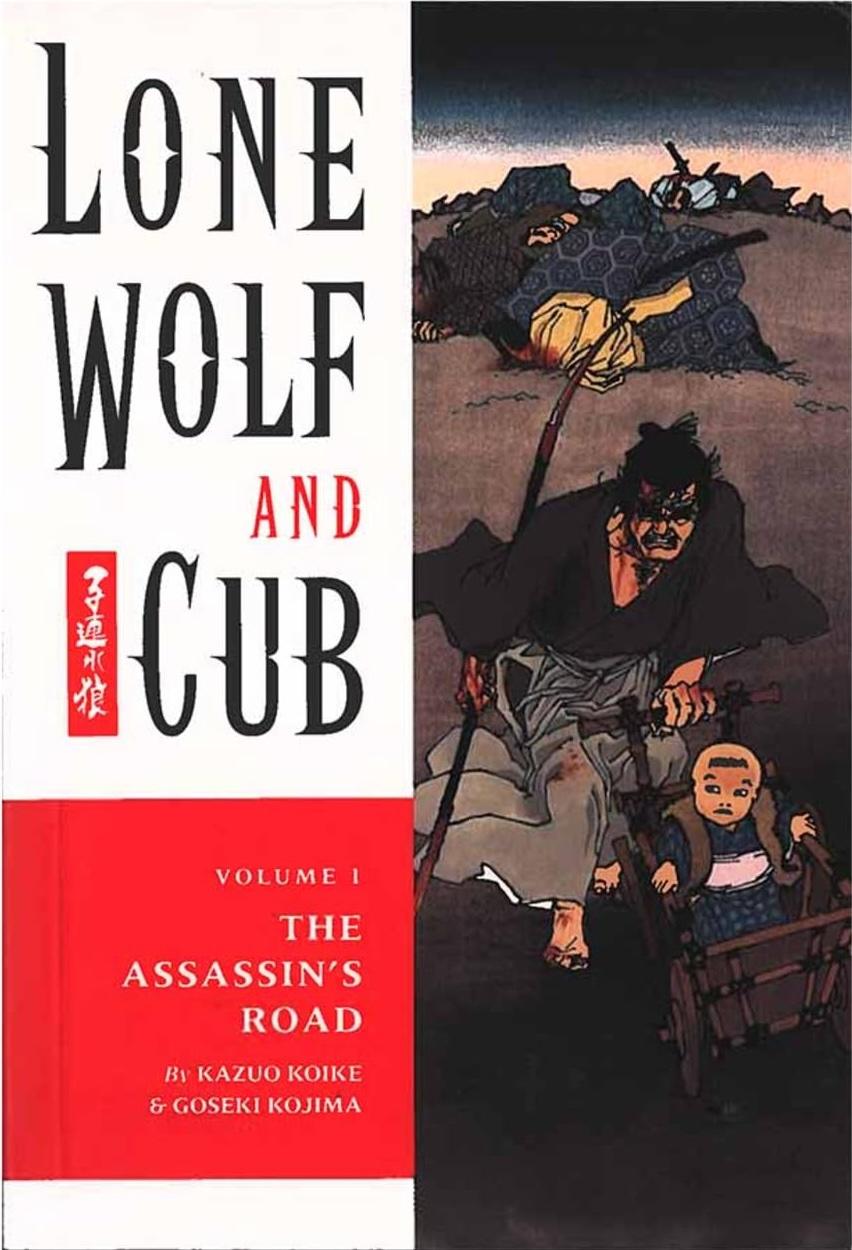
The Mandalorian TV series has progressed through three seasons of Disney+ content and some guest spots in The Book of Boba Fett. As the series starts, a lone, initially unnamed bounty hunter in Mandalorian armour is given a bounty to hunt. That bounty is a child the audience recognises to be of the same race as venerable Jedi master and Star Wars mainstay Yoda. The child, similarly unnamed for a substantial period, needs to be kept safe from the clutches of the remnants of the empire and their nefarious plans for him. It’s clear that they are going for a story of found family drawing on the western/samurai inspiration that gave us the original Star Wars, most prominently Clint Eastwood and Sergio Leone’s Man With No Name films as well as Kazuo Koike and Goseki Kojima’s Lone Wolf and Cub.
But the portrayal of Fatherhood here is nothing really like any kind of fatherhood that I have experienced. It’s far too convenient. Grogu, more commonly known as Baby Yoda, is mostly passive, serving as comedic relief in much the same way that droids do in other parts of the franchise. He communicates in burbles and coos, makes sad eyes from time to time, but otherwise displays very little agency of his own. The only way that we knew his gender was that he used the force without any training and no-one on the internet complained about it. He isn’t really a character, just a mascot.
Plus, the Mandalorian always manages to find someone to look after Grogu when he needs to go off on a mission to shoot some people. Din Djaren (the titular Mandalorian) has no clear means of communication with him, assuming his initial quest to return him ‘to his people’ without any communication from the child. Never at any point does Din have to choose between his own desires (if he has any, I’m not sure) over those of this child.
Be a dad or a hero?
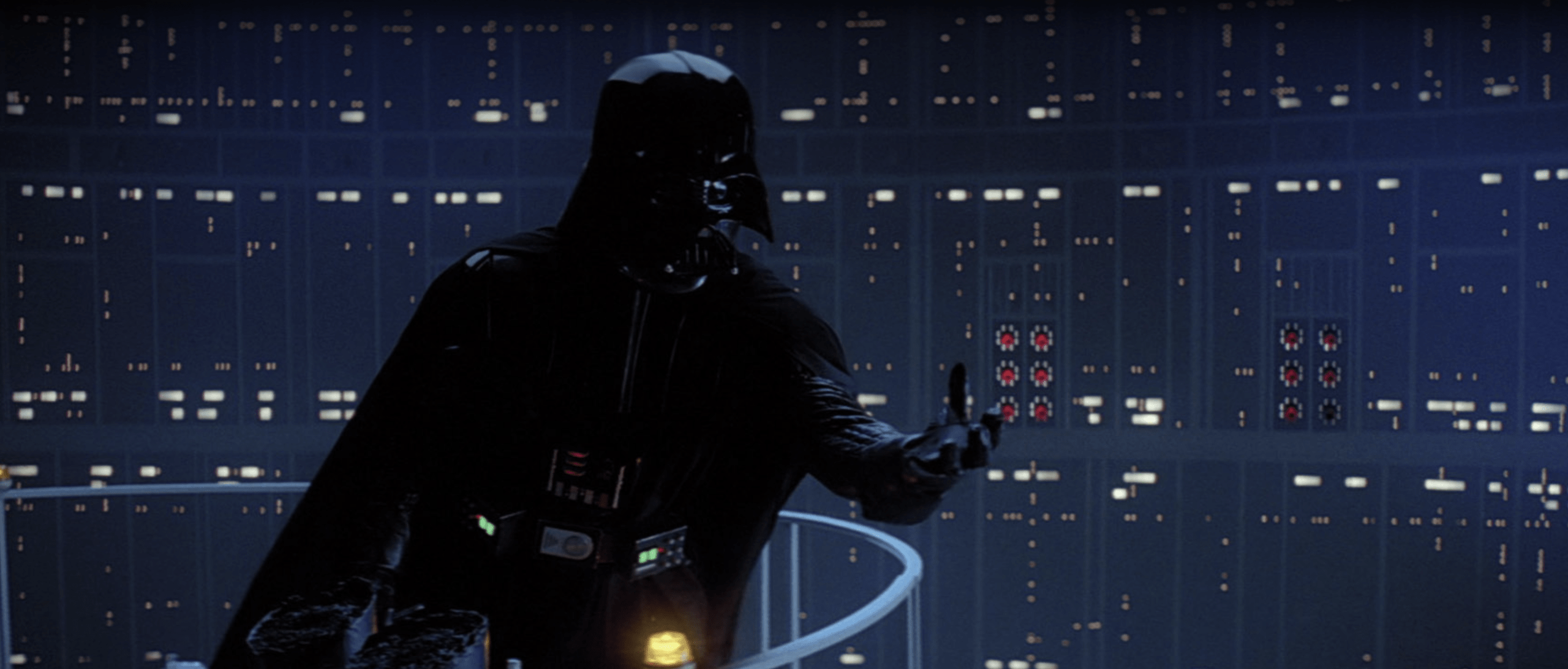
But then, Star Wars has a bit of an issue with its portrayal fatherhood in general. Qui Gon Jin, the surrogate father for Obi Wan and Anakin, dies in battle with Darth Maul. Han is skewered by the Lightsaber blade of his own son, a stepping stone on his rocky journey to the dark side. The five-man Bad Batch frequently rush to the rescue of their clone sister/adopted daughter Omega (yes, Star Wars is weird) in between teaching her to be a child soldier. Kanan Jarrus sacrifices himself not only to save the life of the apprentice, but also his unborn child. Even Andor—one of the most well written and innovative entries in the franchise—is not immune to this curse, as Bix denies Andor the agency to decide between fighting in the rebellion and raising his unborn child. And we know what his eventual fate will be.
(There may be other prominent examples that are slipping my mind; I’m sure they will come to me eventually.)
This ‘convenient fatherhood’ thing is not a problem unique to Star Wars; it’s just as common for children to be a motivating factor in other action movies, like Commando from the ’80s, True Lies in the ’90s and Taken in the ’00s. As you may have gathered, it’s not a trope that I am fond of. It is an expression of Toxic Masculinity that reduces the value of fatherhood to self-sacrifice and violence. None of the fathers in Star Wars stick around and do the work, and if they do, like Din Djaren, it barely inconveniences their life as an action Hero.
Parent-child relationships can be deep and complex
OK, I am exaggerating a little to prove a point. In longer form stories, like The Bad Batch and Rebels, they take the time to build complexity and depth in the relationships of the characters. The Bad Batch especially give its Clone Heroes the goal of eventually escaping the cycle of violence that grips the galaxy—and that’s the sort of thing that I would like to see more of. Stories that do justice to the relationships between all parents and their children that are deep and complex, and don’t fall into the comfortable roles that society puts us in.
Let’s see mothers as heroic defenders of their children (they also have a problem with dying off screen for the sake of their children).
Let’s see fathers who are nurturing caregivers.
Let’s see families that don’t confirm to the standard nuclear formula try to navigate the dangerous war-torn galaxy. Wait, that last one might just be The Bad Batch again.
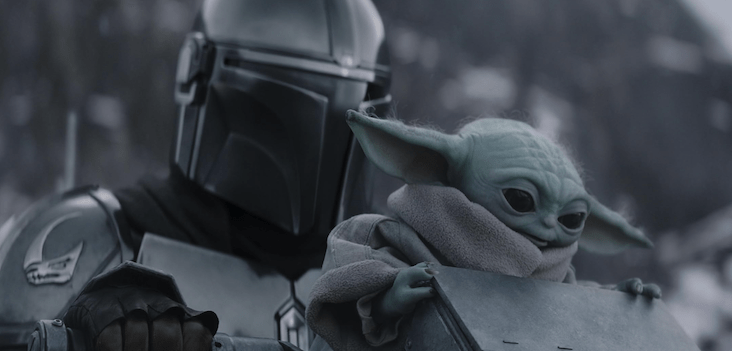
Perhaps The Mandalorian and Grogu (pictured; source) will surprise me, but it’s not a part of the franchise that rises to much above the level of popcorn entertainment. From my perspective though, it feels like a missed opportunity.
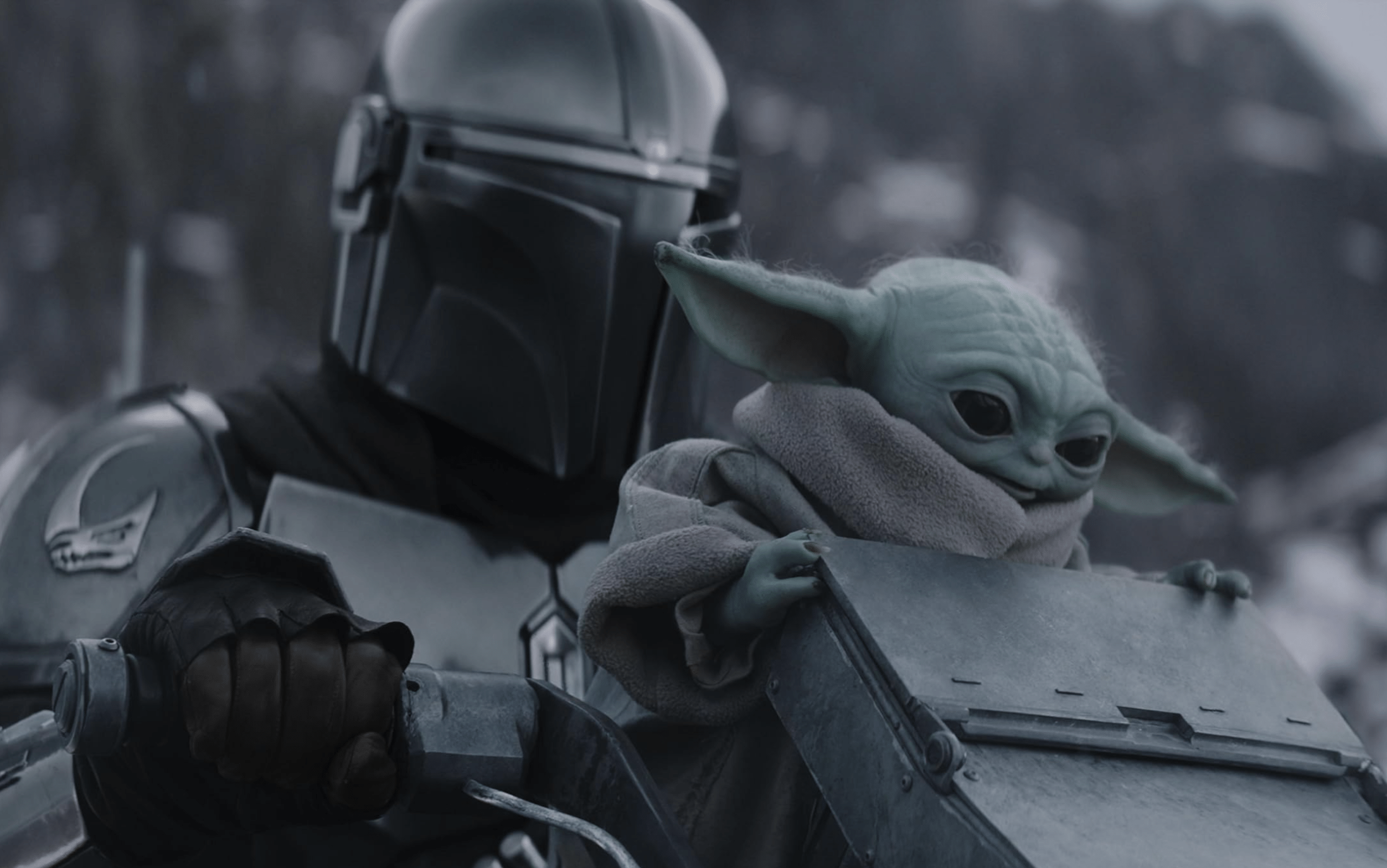
There was potential there. In the opening season of The Mandalorian we see that Din was adopted by his particular warrior cult in the middle of the Clone Wars, shortly after his family were killed. Seeing someone who finds himself a father unexpectedly grapple with the choice to induct his son into the same dangerous lifestyle would have been fascinating. For a child who had been at least partly raised in a Jedi temple to have to reconcile that philosophy with the more violent ways of the Mandalorians would also be interesting. To see such fertile ground go to waste is frustrating.
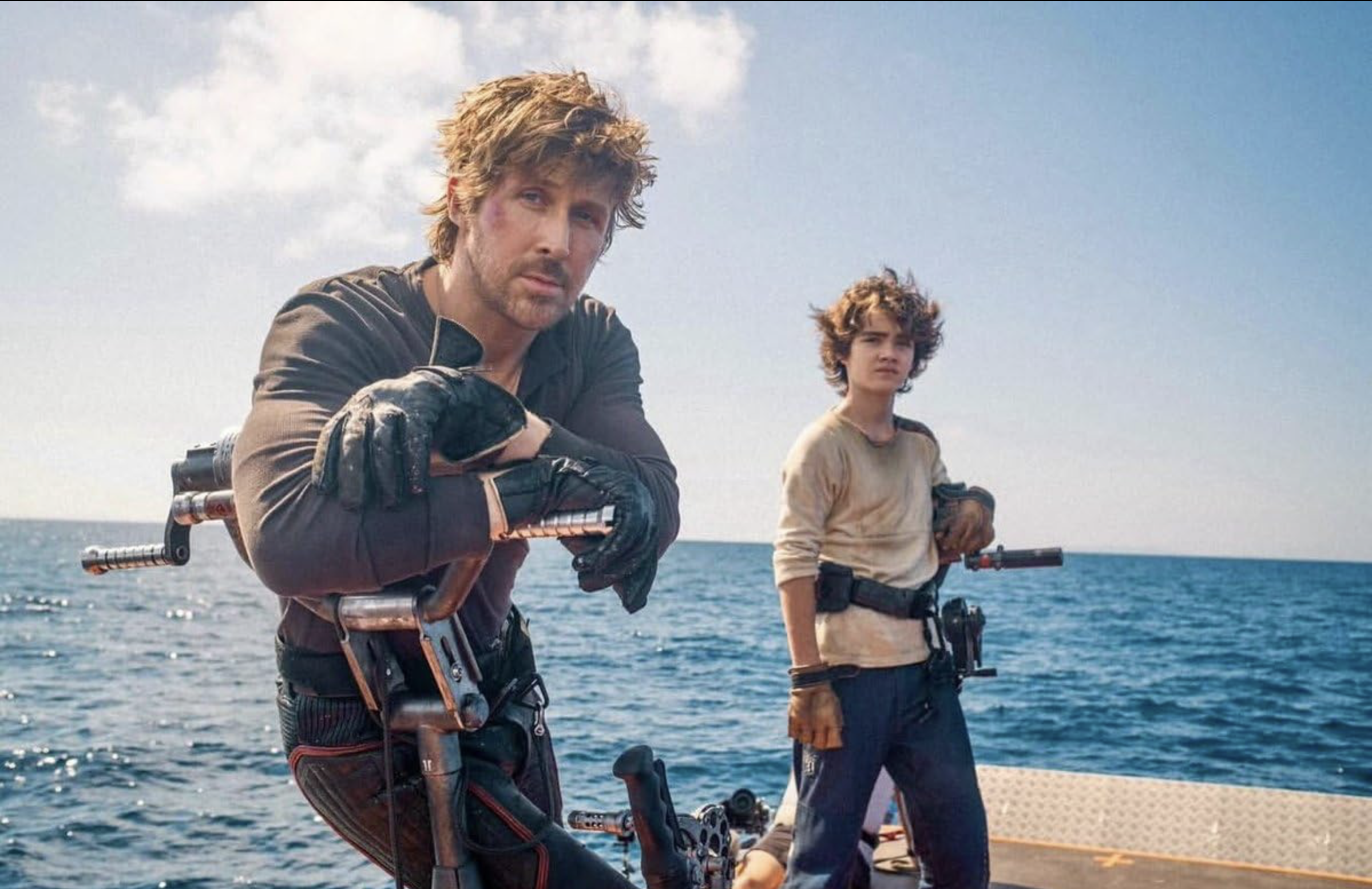
Star Wars: Starfighter, due in 2027, will see Ryan Gosling in a similar role as the guardian of a younger character played by newcomer Flynn Gray. Star Wars’ fondness for this theme certainly isn’t going away. A franchise that is ostensively aimed at children has the unique opportunity to create images of fatherhood (and parenthood in general) that are aspirational, rather than self-destructive. I hope they take it.
Meet the guest poster