The shortlisted works across all 13 categories of the British Fantasy Awards have been announced! Find out who’s in the mix over on our blog. Winners announced at Fantasycon in October.

For all things fantasy, horror, and speculative fiction
-
Announcement:
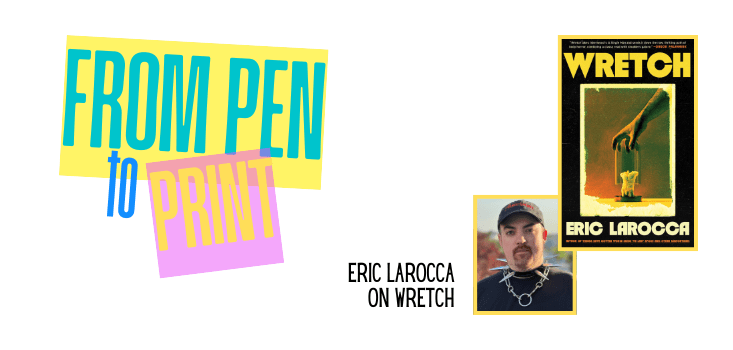
From Pen to Print: Eric LaRocca on Wretch
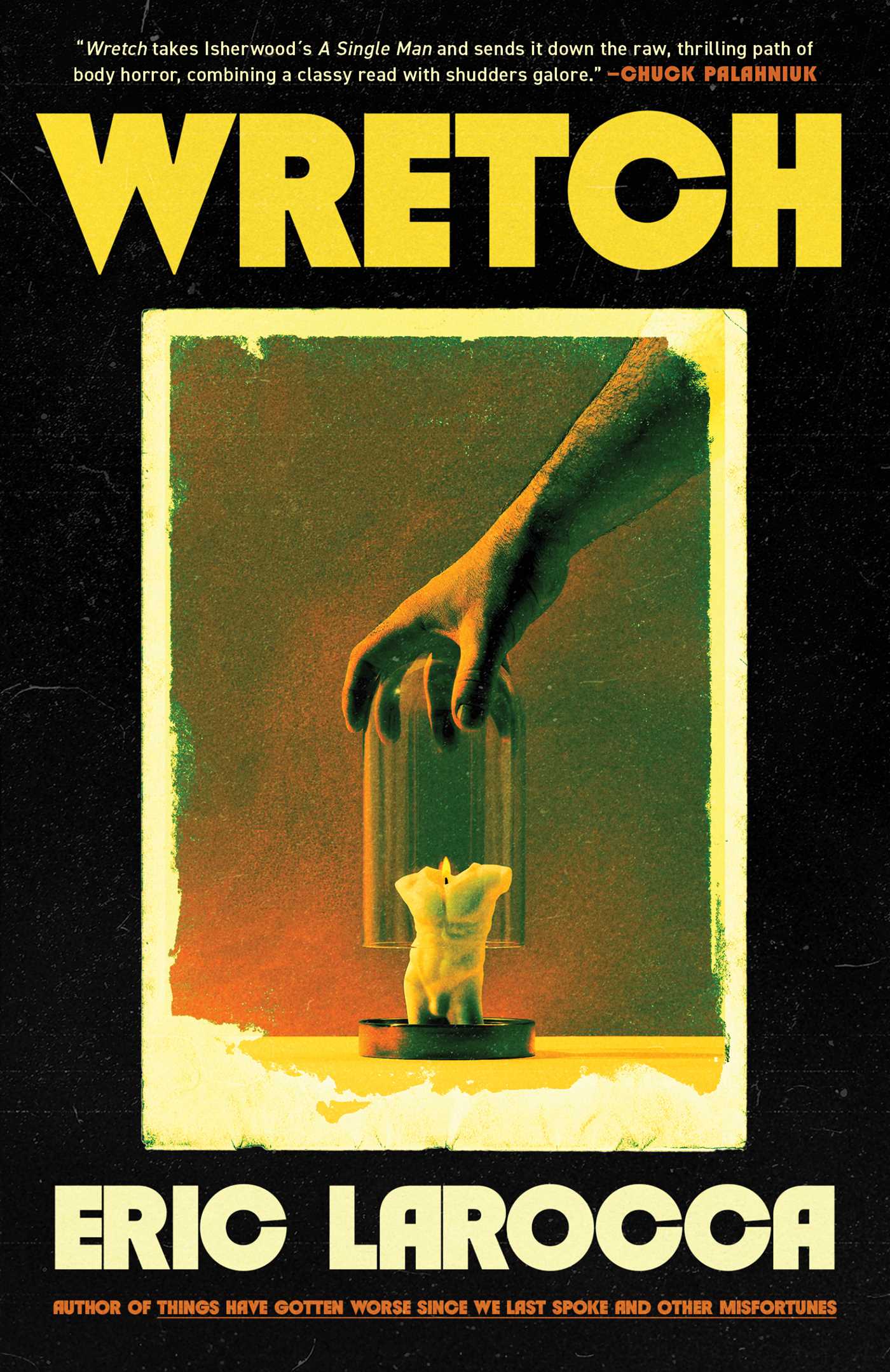
Indie sensation Eric LaRocca has made a name for himself as “the future of horror” – and now his first novel with a major publisher is imminent. Enter the world of haunting grief and transgressive fiction with Wretch, or The Unbecoming of Porcelain Khaw.
Name: Eric LaRocca (he/they)
Based in: Boston, Massachusetts, USA
What genres/subgenres are you drawn to?
Body horror / transgressive fiction
Is writing your full-time focus, or do you have a day job as well? What do you do?
Full-time writer
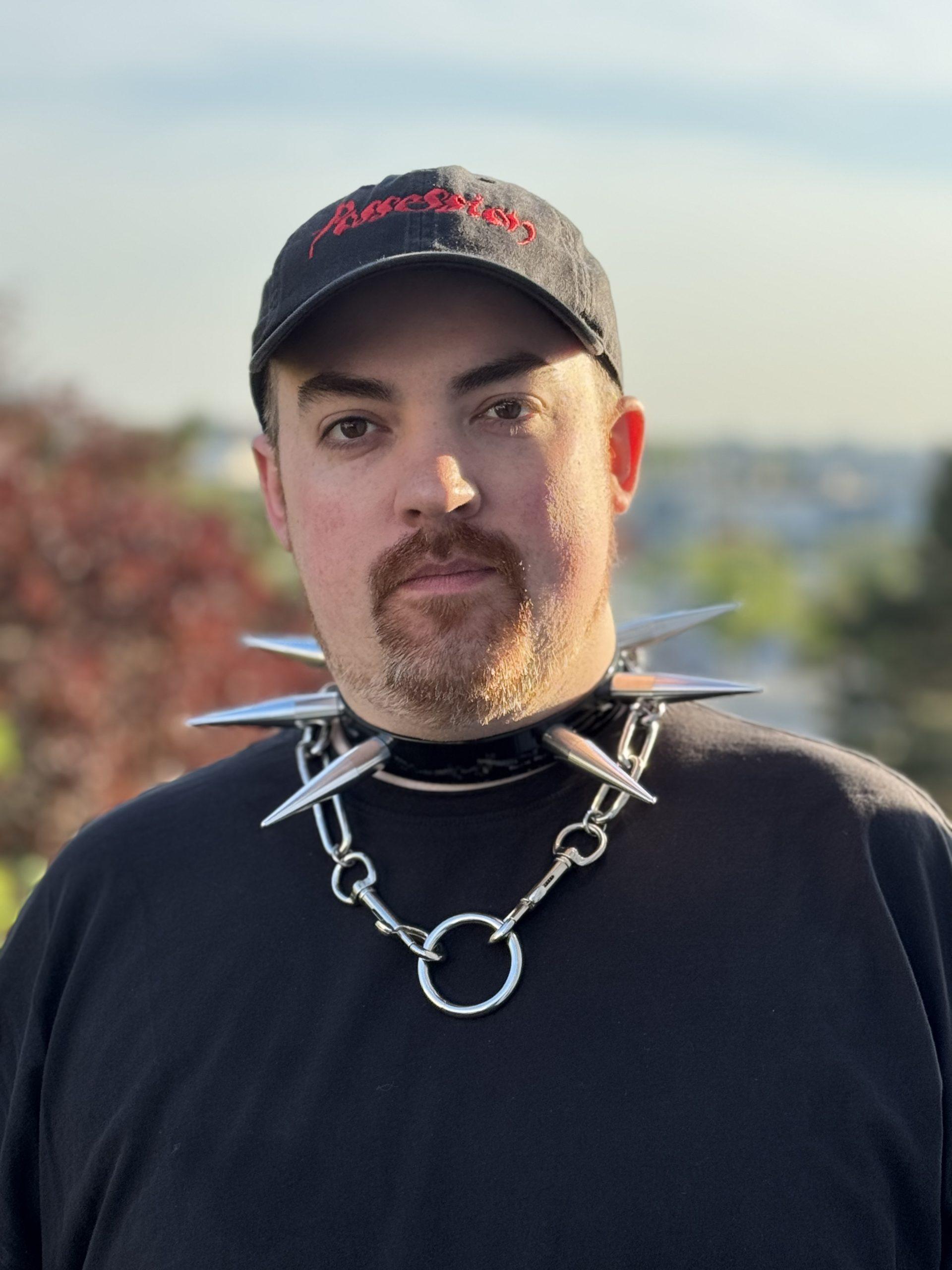
The Book: From Pen to Print
What was the genesis of this book? Where did you get the idea from?
The genesis for this novel was actually very complex. When I was a teenager, I lost a beloved mentor to breast cancer. It was a very challenging and grim ordeal—to observe someone you idolize and love completely wither away in front of your very eyes, to transform into something else due to some incurable disease. As much as it pains me to say this, but it suddenly felt as though I viewed the world differently after her demise. It was a very disturbing, unsettling loss of innocence for me at such a young, impressionable age. Many years later, after her passing, I reflected upon certain moments of our relationship and I began to wonder if I was beginning to misremember things, if I was somehow altering what actually happened or if I was assigning unnecessary worth to specific interactions we had simply because I worshipped her so much. Later on, when I was deciding the book that I wanted to write for my commissioned novel for Saga Press, I found myself haunted by the idea of memory, of remembering the deceased more specifically. I knew I wanted to explore the notion of how the living haunt and harass the dead, but I also wanted to analyse the complexities of memory and how certain memories might become polluted or damaged after a long period of time. To me, that seemed utterly terrifying!
How many drafts did you go through before you felt it was ready to query? How long did that take you?
Wretch was actually very seamless during the editing process. I recall I wrote a draft and then shipped it off to my agent for her feedback. She gave me some excellently detailed and very thorough notes that I immediately incorporated into a new draft. Once I was confident with the new version, I emailed a copy to my editor at Saga Press and then, of course, he made many insightful, detailed notes throughout the manuscript. Because so much of the first draft was in such a good state, the revision process wasn’t as arduous as other books I’ve worked on. I’d say the entire editing process for this novel took a few months, perhaps four months at the most.
Did you work with beta and/or sensitivity readers? How did you find them? How did you incorporate their feedback?
My first readers are usually my literary agent and my editor at the publishing house. Sometimes my partner will read specific chapters of a new manuscript if I feel like I need an opinion about the extremity of a certain scene. But I place a lot of trust in my literary agent and my editor because I expect they will know best how to shape and guide the manuscript to its final form.
What was your querying process like? How long did it take?
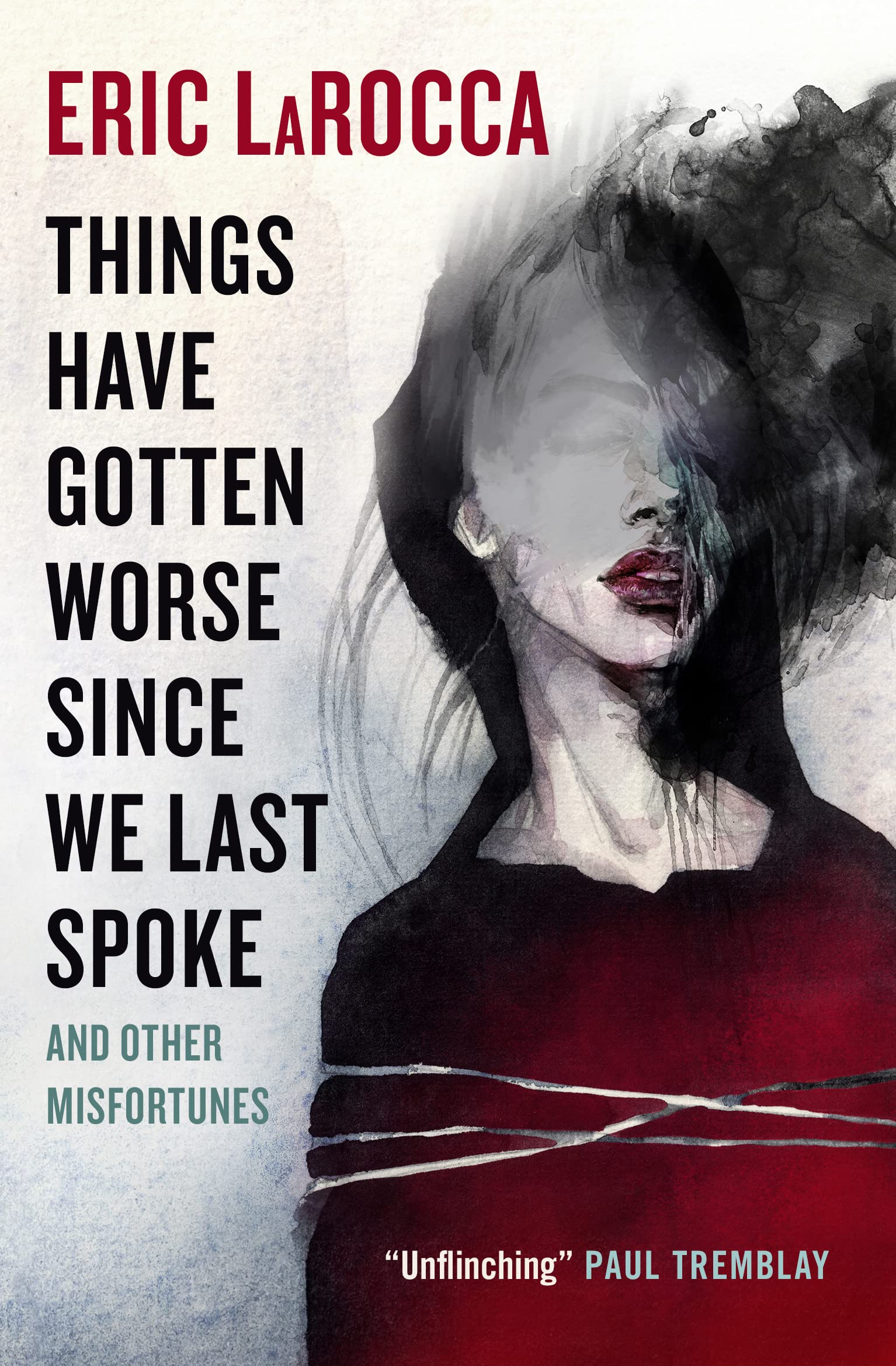
This novel was purchased on a commissioned basis, so it actually was quite different than the conventional way you go about finding a publisher. Tim O’Connell, the Publisher of Saga Press, had been a devoted fan of my work since my 2021 novella, Things Have Gotten Worse Since We Last Spoke (pictured). I was overjoyed when he approached us and explained how he would love to collaborate on a project to be published by Saga/Simon & Schuster.
Once it was in the hands of your publisher, what was the process to get it ready for release?
So, of course, there’s the revision/rewrite process that usually takes a few months. Then there’s the cosmetic touches to the novel like cover design and interior page design. Since my editor often referred to this book as a ‘Tech-Gothic thrill ride,’ we wanted to incorporate Gothic elements in the overall design of the book. Although I love and appreciate the editorial process and collaborating with my editor, I sincerely adore the cover/art design aspect of finding the visual soul of a piece of work. It’s so gratifying to be able to work with such talented and insightful artists.
And now your book is about to be unleashed on the world! How are you feeling?
I’m a nervous wreck! Of course, I’m kidding. Only slightly. I feel very proud. I worked so diligently on this novel, and I feel like Wretch showcases some of my best literary work to date. I also feel as though this novel is quite different from some of my other releases. Although it naturally veers off into unhinged body horror in the final act, it’s more of a slow-burn that asks for a reader’s patience in exchange for a very disturbing reward.
What would you like us to know about this book?
I honestly would prefer for readers to know as little as possible when opening the first page of this book. That’s how I prefer all readers to approach my literary works. I feel like that encourages a certain level of spontaneity and visceral reaction you might not otherwise feel if you know everything beforehand. I often think about the first time I saw the French-Canadian film Martyrs (2008). I knew absolutely nothing about that film and was completely mesmerized by the screen for the entire duration of the picture. I think of the first time I read books like Exquisite Corpse by Poppy Z. Brite or Crash by J.G. Ballard. I knew very little of what was going to happen in those books and was completely enchanted, taken by surprise. There’s nothing more exciting than being surprised by a piece of literature or a film!
Who’s the ideal reader for this one? What sort of things do they like to read about?
I think the ideal reader for Wretch might be someone who prefers literary fiction with a slightly deranged bent on the horror genre. As I mentioned before, this is more a slow burn, an exercise in the building of tension and dread. So, I’d argue that the ideal reader for this novel is someone who’s patient, careful, and precise. Oh, and someone who’s able to dwell in the unpleasantness of discomfort after they’ve turned the last page!
Your writing process
Are you a plotter or pantser or somewhere in between? How do you do your first draft?
It’s interesting because I’m usually very precise and very detail-oriented when outlining a novel. However, for this book in particular, I went in a completely different direction for the ending while I was in the process of writing the first draft. The original ending was very different from the final version that was published. I think it’s important to allow yourself to have those moments of freedom to organically create and let the narrative possess you so that you can tell the story as effectively and as compellingly as possible.
How do you approach writing? Are you the type or writer who needs to treat it like a job? Is there a particular time of day you find best for you to write?
Oh, I’m very militant about my writing process. I always joke to my partner that I’m completely useless to him whenever I’m working on a new book because I often become completely consumed by my creativity. Thankfully, he understands. That said, every book is different and makes different demands of me during the creative process. Sometimes I’ll write early in the morning for one book. Other times, I find my productivity heightened in the late afternoon/evening if I’m working on another kind of book. It really fluctuates. My drive and determination to create never faulter, however. I think it’s important to treat it like a full-time job no matter what.

Geek out about stationery: do you use a notebook? A specific type of pen? Or are you computer all the way?
I prefer to outline and make all my notes by hand, so I often find myself filling up the pages of those yellow-paged notepads you can buy at CVS or Staples. I also prefer the way Pilot pens feel when you press down on the page. It’s a really satisfying sensation that always feels like it unlocks a certain component of my creativity while I’m outlining. When I’m finished outlining, I do all my drafts on my desktop computer. I find it’s easier that way.
Is any of that different for editing?
I find editing is easier on the desktop monitor, of course. However, very often, I’ll print out the entire manuscript and mark-up the pages with red ink, so I have something to reference while I’m working on my computer.
Where do you work? Do you have a comfy, creative space at home or are you someone who has to grab the moment wherever it comes?
I typically work at my desk, and I often find myself extremely unsettled whenever I must deviate from my writing routine. Thankfully, I don’t have to deviate from the routine very often so I’m usually very comfortable whenever I’m working on a new project.
What’s your writing soundtrack?
I cannot listen to music while I write as I find it too distracting. I prefer complete and utter silence while I’m creating. Sometimes (not very often) if I’m working on edits or very light revisions, I’ll put on some music to play faintly in the background. One of my favourite artists to listen to right now is Ethel Cain. I especially love her album titled Perverts.
Do you have a writing ritual?
As I mentioned, I’m very meticulous about my writing routine. I find I cannot truly concentrate until I’m seated at my desktop computer with a cup of hot tea and slowly easing into the creative process. Of course, I try not to push myself if the well of inspiration has dried up; however, sometimes it’s necessary to push through that blockage as much as possible to surprise yourself and your reader.
Where can we follow you / find out more about your work?
I’m very active on Instagram @eric_larocca. You can also visit my website (ericlarocca.com) for more information about my published works.
Wretch, or The Unbecoming of Porcelain Khaw, is out on 24 March 2026 through Titan in the UK, or Saga in the US.