The shortlisted works across all 13 categories of the British Fantasy Awards have been announced! Find out who’s in the mix over on our blog. Winners announced at Fantasycon in October.
For all things fantasy, horror, and speculative fiction
-
Announcement:
The TV That Made Us: The Stranger (1964-65)
In his semi-regular column on the classic TV that made us SFFH fans, Gary Couzens revisits The Stranger, the first SF dramatic series made for Australian television, and which first aired in the mid-1960s.
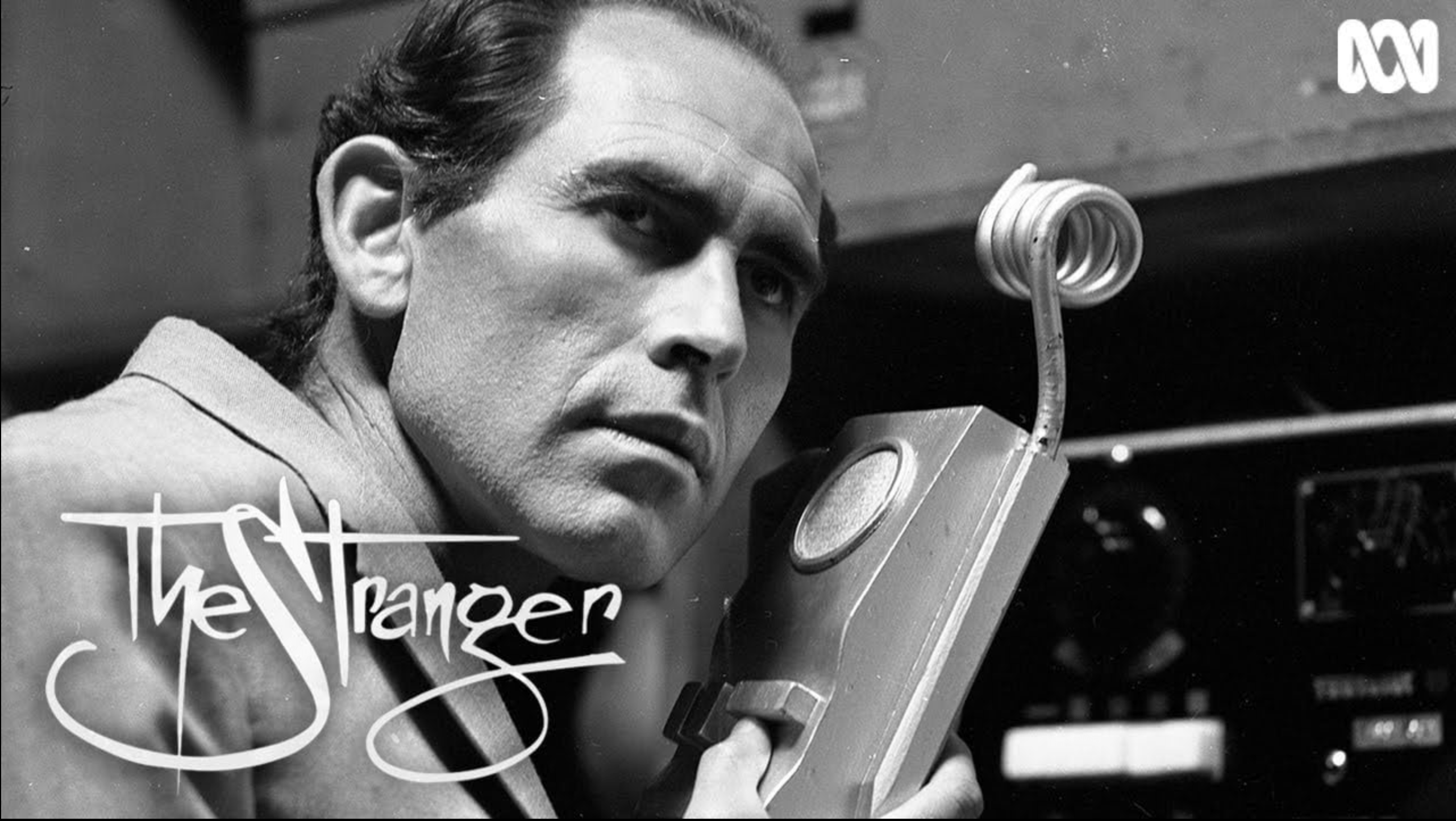
A strange man (Ron Haddrick) is found unconscious on the doorstep of schoolteacher Mr Walsh (John Faassen) and taken in by him. The man goes by the name Adam Suisse and he is befriended by the Walsh children, teenagers Jean (Janice Dinnen) and Bernie (Bill Levis) and their friend Peter (Michael Thomas). It’s only at the end of the second episode that the SF elements kick in, when they discover the craft that Adam arrived in—Adam is an alien, an emissary from the planet of Soshuniss seeking to make their home on Earth.
Historic First for Australian TV
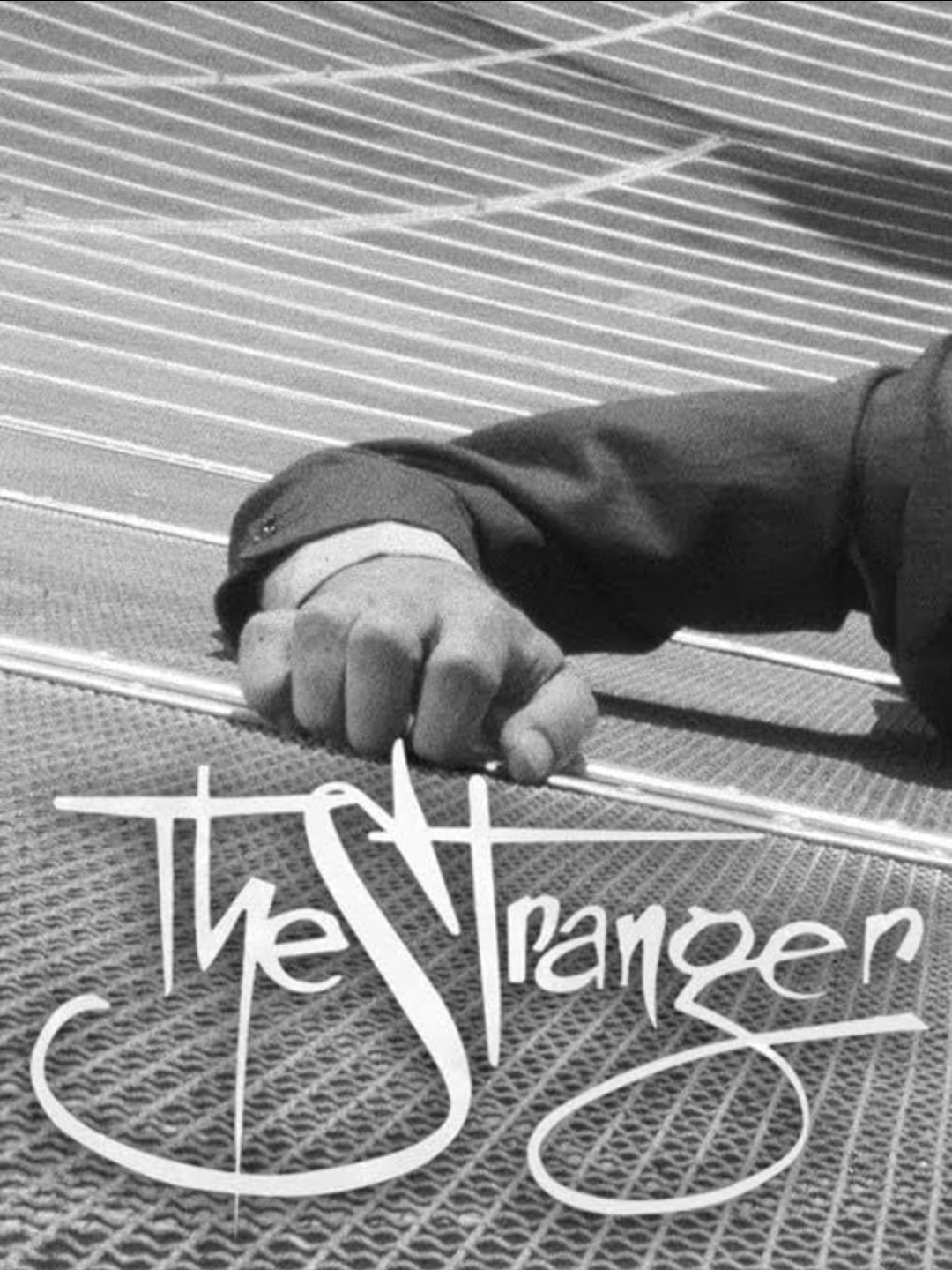
The Stranger, broadcast in two series of six episodes each in 1964 and 1965, has a place in history. It was the first science fiction dramatic series made for Australian television, specifically the Australian Broadcasting Corporation (ABC). It wasn’t quite the first SF drama on the Australian small screen. One earlier example was the single play The Astronauts, broadcast live from Melbourne on Wednesday 18 May 1960, which was written by British expat Don Houghton, who had been working in radio before then. The following decade, Houghton was back in the UK and worked on, amongst others, Doctor Who (Inferno in 1970 and The Mind of Evil in 1971) and Sapphire and Steel. Other SF plays were local productions of scripts from elsewhere, including Nigel Kneale’s The Road, broadcast on 17 June 1964 and now lost.
Although The Astronauts and The Road were for adults, there was a thought, certainly not unique to Australia, that SF was really a genre for children, or at the most teenagers. That was the case with The Stranger. Although it was broadcast on Sunday evenings at 6.30pm, its overseas broadcasts (it was one of the first Australian series to be sold abroad) often took place during children’s viewing hours—including in the UK.
The Origin
The Stranger was written by G.K. (George Kenneth, known as Ken) Saunders (1910-2005), who was a New Zealander born in the UK. After university, he became a writer on New Zealand radio and emigrated to Australia in 1939. The Strangerbegan as a six-part radio serial, broadcast on Fridays at 5.25pm on the BBC Home Service from 27 December 1963, in which David Spenser played Adam Suisse. However, it was in Australia that the story was expanded for the small screen, and the first episode was broadcast from 5 April 1964. (Reference sources give difference dates, but I’m going with what was printed in TV listings from the Sunday edition of the Sydney Morning Herald.) The episodes ran for between twenty-five and thirty minutes.
The first series doesn’t end on a cliffhanger, presumably in the awareness that a second series might not happen. But it did, and series two began on 20 June 1965, at the later time of 7.30pm, still on Sundays. Although it was made as two series, The Stranger has a continuous narrative, with the first episode of the second series being labelled as Episode 7.

UK Broadcast
In the UK, The Stranger was first shown in children’s viewing hours, on Thursdays beginning on 25 February 1965, so a winter broadcast as it had been in its own country. It was shown at 5.25pm, as was often the way with many children’s serials—those for slightly older children were shown at the end of the day’s viewing, in this case leading in to the early-evening news.
The Stranger was part of Tales from Overseas, a BBC strand highlighting brought-in programmes, from Russia (The Lost Summer), Austria (Mario), Mongolia (The Golden Tent) and the USA (The World of Stuart Little, narrated by Johnny Carson, based on the E.B. White novel that formed the basis of the 1999 film). The following year, BBC1 repeated the first series before continuing with the second, beginning on 20 September 1966.
The Focus
Although Adam is the lead and title role, the focus of much of the story is on the three teenagers—and Jean, Bernie and Peter are some of the cleanest-cut youngsters you’ll ever find. The Stranger would have been called juvenile SF in its day, young-adult now, holding the attention of the intended audience and no doubt many adults until the end.

Despite the suspicions of some of the authorities, Adam and his fellow Soshunians ultimately come in peace, and threat is kept to a low level throughout.
Ron Haddrick (pictured), with his odd accent and long bony face and high forehead, has quite a presence. It’s possibly deliberate casting that he’s taller than anyone else on screen with the exception of Chips Rafferty, who turns up in the final episode as the Australian Prime Minister of Australia.
Production
The series was shot in a combination of 405-line video in the studio and film for exteriors. Many sources, including the Internet Movie Database, credit Gil (Gilbert) Brealey as the director. That may have been the case, but on screen he’s only credited for directing the film sequences in those episodes which have them. As for those film sequences, they add quite a bit in the way of production values, with their increase in the second series possibly due to a budget hike.
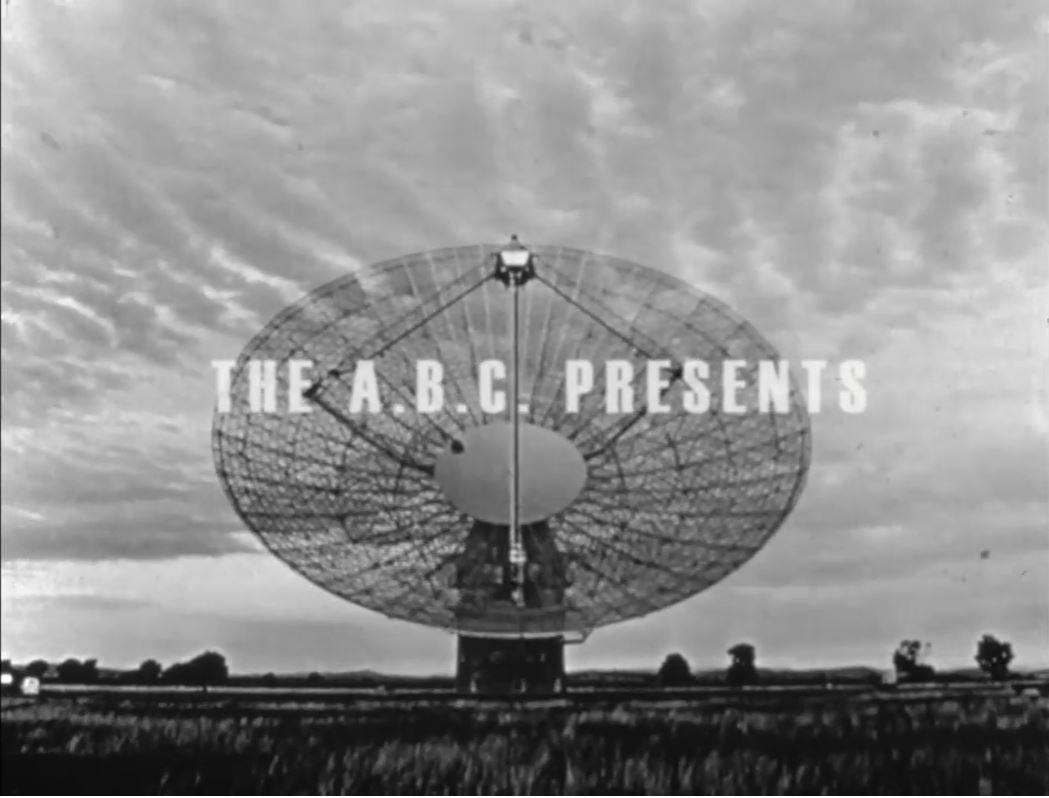
The Parkes Radio Telescope in New South Wales, which is now a National Heritage site, earns some significant screen time, including a shot at the start of the opening credits of every episode (see image).
Episode 11 features a slow chase over the dish surface, using the metal ribs rather than risking putting your foot through the wire mesh. And of course the dish begins to tilt while this is going on.
At the end of the decade, the Parkes Telescope was the reason why Australians could see the Apollo 11 moon landing live, a story told in the 2000 comedy-drama The Dish. The final scene is an elaborate parade through the centre of Sydney, for which the production clearly pulled out a good few stops.
The Impact
The success of The Stranger led to other SF serials being made by the ABC, including Wandjina! (1966, also created and written by Saunders, based on his previous radio serial Country of the Skull, which was shown in the UK on BBC1 in 1967 as Wandjina Magic), and three linked series, The Interpretaris (1966, not apparently shown in the UK), Vega 4 (1968, also unseen in the UK), and Phoenix Five (1970, on ITV regions, not networked, from 1974). Vega 4 and Phoenix Five were made in colour, no doubt to make them attractive to foreign television stations as many were then broadcasting in colour. That included all three UK channels from November 1969, though Australian television didn’t itself convert to colour until March 1975.
At the time The Stranger was made, the Australian film industry was in its greatest slump, with local production other than foreign films shot on location in the country mainly restricted to tiny-budget often experimental productions shot in Sydney and Melbourne. Many local actors had relocated to the UK or USA for the greater opportunities, even if many of them came back in the following decade.

However, the television industry was active, and many of the filmmakers who contributed to the film revival of the 1970s had their first break on the small screen. Gil Brealey was one, though his impact on the cinema was mainly as a producer, on Sunday Too Far Away (1975). He did however direct one film for the big screen, Annie’s Coming Out in 1984, which won the Australian Film Institute Award for Best Film. He died in 2018 at the age of eighty-five.
Adelaide-born Ron Haddrick, who had played cricket for South Australia in the 1950s, had been an actor since the middle of that decade. He had a long career until 2015, and he passed away in 2020 aged 90. Janice (sometimes Jan) Dinnen, who had made her debut in the 1958 film Smiley Gets a Gun, continued into the 1970s, relocating to the UK. It was there that she was killed by falling from a London bus in 1974, aged just 28. Bill Levis and Michael Thomas didn’t continue acting after the mid-1960s, though Reg (billed as Reginald) Livermore, who played Adam’s sidekick Varossa, carried on until 1993 and is still with us at 87 as I write this.
In 2019, the ABC made a digital restoration of The Stranger, uploading it in 2020 on their ABC iview streaming service and their YouTube channel. It is still available on the latter, and that is where I watched it for this article.
The Stranger remains an important piece of television SF history.
Do you remember The Stranger? Or any other Australian SF series for youngsters? Let us know what you thought in the comments below ⬇️
Title photos taken by the author as screen grabs; other images from IMDb.

Meet the guest poster