The shortlisted works across all 13 categories of the British Fantasy Awards have been announced! Find out who’s in the mix over on our blog. Winners announced at Fantasycon in October.
For all things fantasy, horror, and speculative fiction
-
Announcement:
Searching For People Like Me
A question at Eastercon had David Green pondering why neurodivergent creatives seek out other neurodivergent creatives: It’s all about acceptance.
Early April saw the coming of another Eastercon, this time at the Hilton Metropole in Birmingham. Lots of fun was had. Drinks flowed (a little too much on one or two occasions; alright, on three occasions), new friends were made, news was caught up with, the world was set to rights by all and sundry, and lots of people took part in the karaoke.

Oh, and the organisers put on hours and hours of excellent programming for us all to partake in and enjoy, as well as a high-quality dealer’s room.
I had the pleasure of featuring on three panels: Supernatural Comes of Age, Paths to Publishing, and Neurodivergence: Own Voices and Portrayals. You’d be surprised at how easily Dean Winchester (pictured; source) fits into all three.
And I mean that seriously. One speaks for itself. The other, Paths to Publishing, fits because there were Supernatural IP books once upon a time, and IP definitely is a path to publishing. And the other?
Well, as emails were flying about before the convention between panellists, as these emails tend to do, the moderator for Neurodivergence: Own voices and Portrayals, the most-excellent and talented David Lascelles, suggested an interesting question:
‘Do you think a majority of creatives are/were undiagnosed neurodivergent?’
Now, with this being a panel of neurodivergent people, we didn’t actually get to this question, with the other intriguing ones keeping us talking for the entire hour. But this was the question I pondered most in the run up to the convention.
I’ve shared this article with David before publication, and I don’t mean to criticise him in any way, shape or form, but it was a line of inquiry I struggled with. In fact, I’d resolved to dodge the question entirely if it came up, saying a vague ‘yes?’ while not being drawn into naming anyone, before I spoke to someone else about it (more on this later, as this person changed my perspective entirely on it, as she often does, as she is very wise). And the reason is this: I’m not comfortable with diagnosing people, often long-dead, without ever really interacting with them, and knowing little about them. And it would have come up.
‘Do you think anyone was?’
‘Yes?’
‘Who?’
*autistic squirming commences*
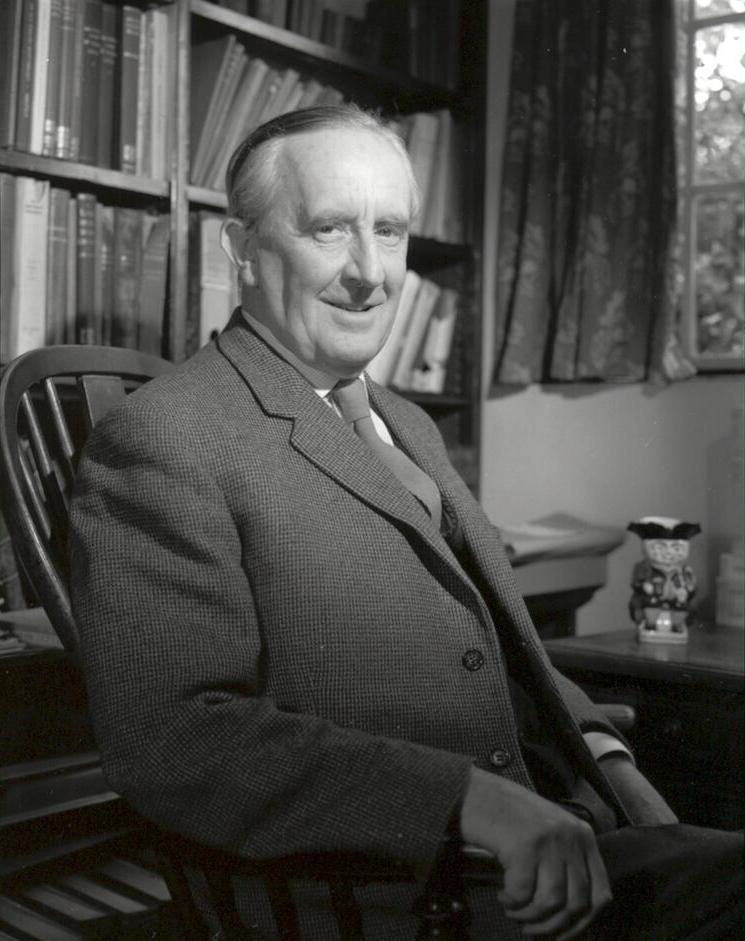
I know, I know. People can point to J.R.R. Tolkien literally building an entire world’s history just to fully explore a language he created which, of course, led to many other variations of that language. Not to mention additional languages for the people who inhabited this world at that particular moment in time (a world that is our world, transcribed from a real book Tolkien happened to find and translate because LANGUAGE), including a language for the Hobbits called Westron which Tolkien barely shared but it still worked in tandem with all the other languages and could be translated back and forth (yes, Frodo Baggins’ name is a translation into English as it’s actually Maura Labingi (#RELEASETHEWESTRONCUT)).
(Photo of J.R.R. Tolkien by Pamela Chandler. © The Tolkien Society)
Sorry, that was a bit of a tangent. Middle-earth is a special interest of mine.
Ahem.
Anyway, it’s easy for people to point the contents of this tangent out and shout AUTISM. I’ve seen the memes. I’ve been part of the discussions, and I can see why people would use Tolkien as a prime example to say: ‘Look, this person from history was autistic’. There are plenty of similar cases made for Albert Einstein, Nikola Tesla, Emily Dickinson and more. (Most of them are men. This is the stuff for an article of the future, written by a more informed person than me. But, in its most basic terms, with the patriarchy—the damned patriarchy—dictating social norms and expectations as it always bloody does, it made it extremely hard for people to even consider women might be possible of being autistic, let alone there being women out there who are already autistic. And this hasn’t really changed. The fuckingpatriarchy.)
Where was I? Damned rabbit holes. Yes, diagnosing historical figures. It happens. I’m not too hot about it. And, like I said, I gave the issue lots of thought as Eastercon approached. While there, I mentioned it to someone. Remember the wise person I mention who has a way of altering my perspective on things?
Good. That person was Meg MacDonald. A wonderfully intelligent and kind person, and wearer of many, many interesting hats. (Not literally. Though she might. I don’t want to assume either way.)
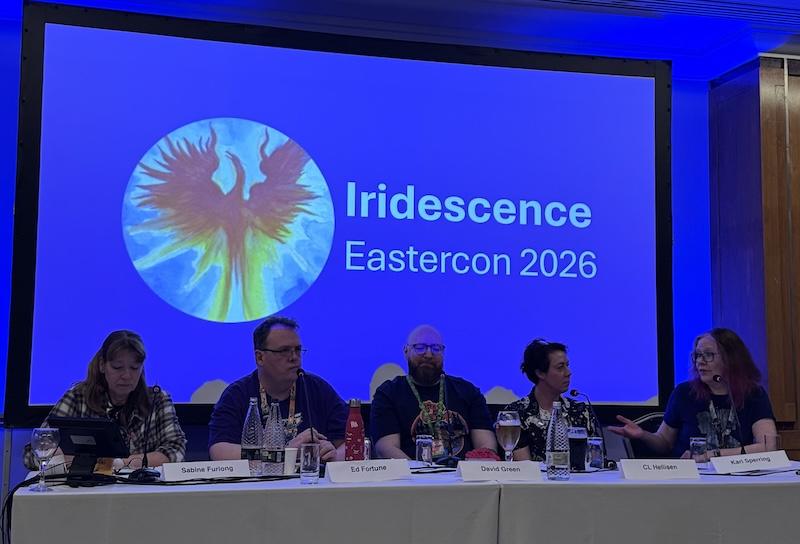
When discussing the upcoming panels, I mentioned ‘the question’ plaguing me, and why it made me uncomfortable. And Meg said this:
‘Instead of speaking about who you think might have been autistic, why don’t you frame it as why people see the need of doing so?’
Yes. Just like that, I understood completely. There is a need for autistic people to do this. Because even though I’m not too comfortable doing it, I have done it. If it turned out that J.R.R. Tolkien, the creator of my most special of interests and a Very Important Figure in fantasy, was autistic, I’d be elated. ‘Look,’ I’d scream in people’s faces throughout the fields of Athenry, ‘J.R.R. Tolkien, that person you must have heard of even if you don’t read all that much fantasy, was autistic just like me’.
Just. Like. Me.
A positive, accomplished autistic person.
Just. Like. Me.
And that’s why we feel the need to do it. By and large, autism, and people who are autistic, aren’t particularly well understood. We’re often infantised. We face challenges in many established social structures. Hollywood and books often have us as side-characters that create a problem for someone else to overcome. We’re seen as someone to be helped. Or rescued. Or as a nuisance.
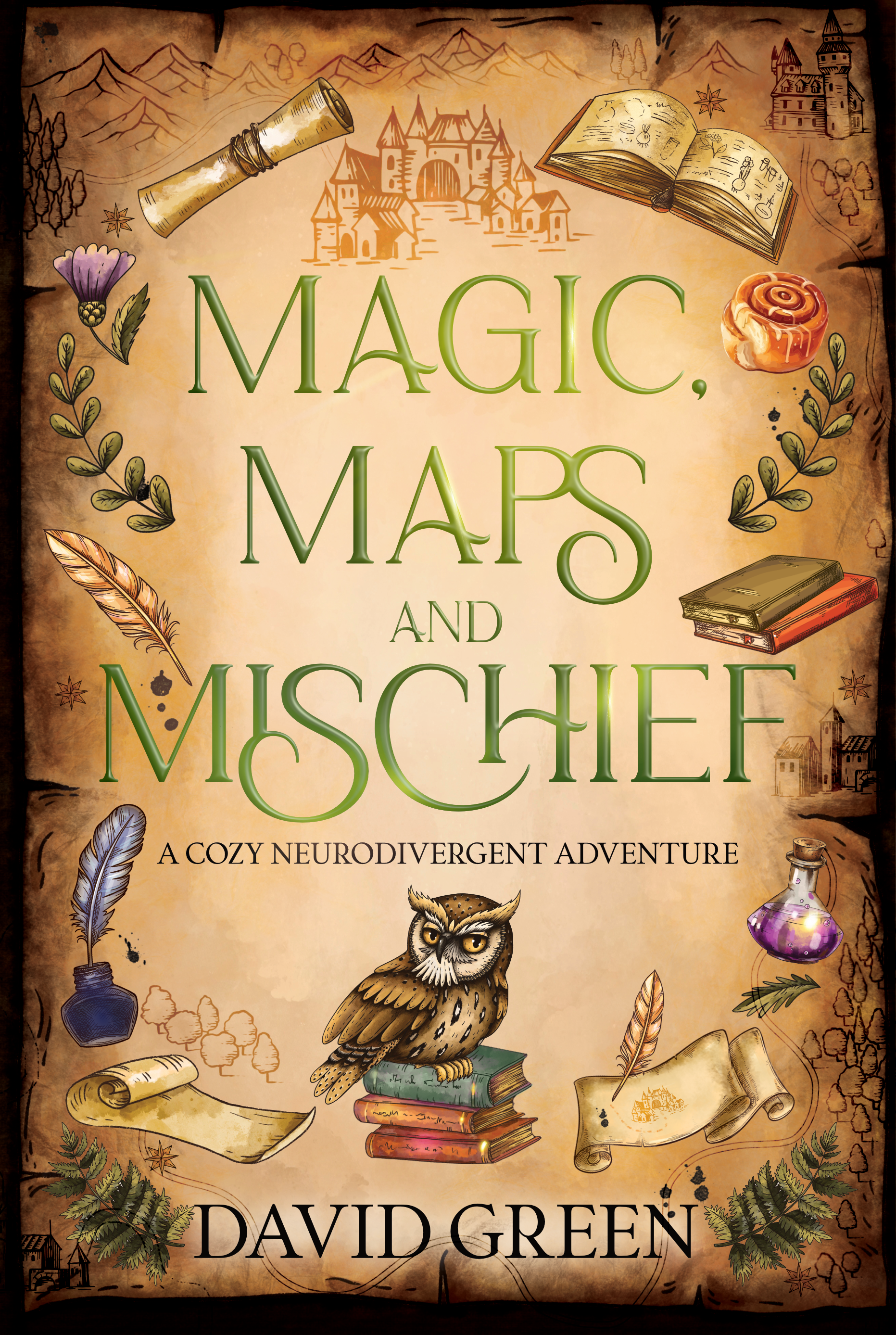
Or we’re seen as Sheldon Cooper or Rain Man. (Yes, both are men. Of course they’re men.)
We’re rarely portrayed as capable. As adults, or as leaders in our fields. Rarely are we the heroes, the protagonist, the centre of the story.
It’s why a character I created (Greton from Magic, Maps and Mischief and the upcoming Charms, Charts, and Conspiracies) struck a chord with so many people like me. He (sorry, yes, a man, but he is very much drawn from my experiences, and there are neurodivergent women in the books, too) is capable. He’s lived his life. Yes, he has challenges, he struggles with social structures, but he finds his place while being unashamedly neurodivergent.
People like me want to see people like him.
So, I get it. Finally. Perhaps my autistically rigid thinking on the matter stopped me from understanding this earlier, or maybe I just needed help from kind, accepting people who helped alter my perspective. While I’m not about to start proclaiming Wolfgang Amadeus Mozart as autistic across social media (yet), I can see why people would point to Dean Winchester and say, ‘I believe he has ADHD like me’. (See how all this loops back in? I’m a writer, you know.)
And that’s perfectly fine.
But—there’s always a but—wouldn’t it be nice if people like me could point out more people who actually arelike us? In fiction, I mean. People who are unapologetically neurodivergent, and not in a ‘if you know, you know’ way.
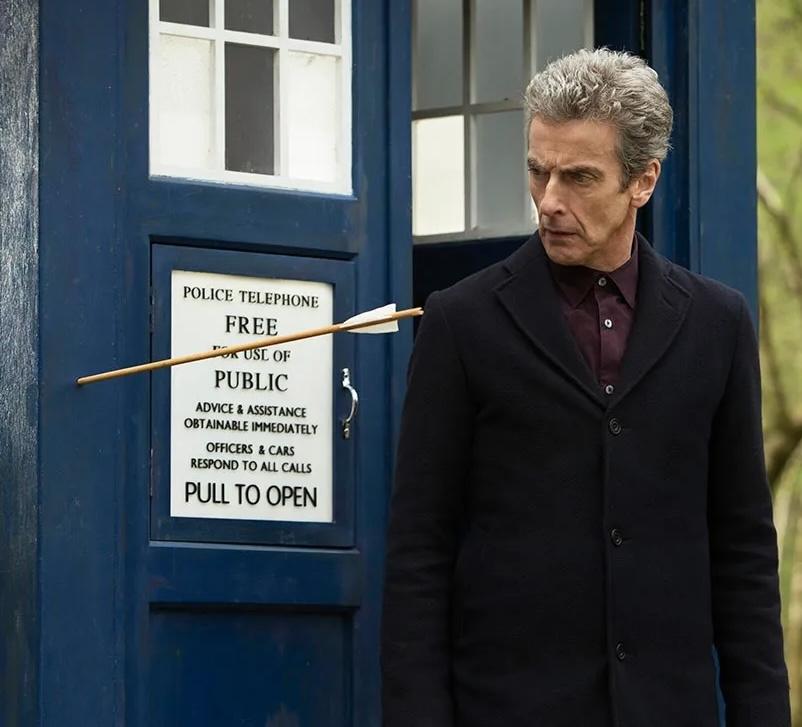
On the panel, we were asked to name our favourite neurodivergent characters. Pippin Took was mentioned. Fitz from Assassin’s Apprentice also. Doctor Who, too. (Doctor Who, too. Doctor Who, too. Isn’t that nice to say?) *checks notes* The Simpson. Yes, the entire family! All were noted as suspects in the Great Neurodivergent Conspiracy. Or, more accurately, each person who mentioned each character wished they were neurodivergent, because there’s something in them we identified with.
Wouldn’t it be nice not to have to search for the crumbs? Wouldn’t it be nice for us to be given the whole loaf every now and then?
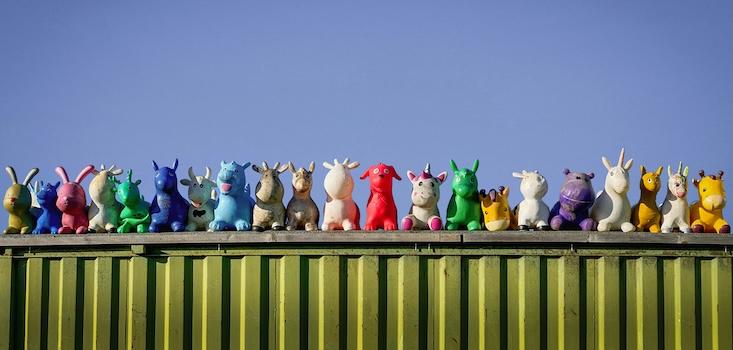
(Image source)
Thankfully, I can say that’s true with real-life living creatives who inspire me. Who I know are like me, because we’ve talked about it. Because I’ve seen them on panels. Because I’ve read their books and grown close to their characters. Right now, there is a plethora of wonderfully creative, talented and supportive neurodivergent writers, artists, editors, agents and readers in our publishing community. In years to come, the question ‘Do you think a majority of creatives are/were undiagnosed neurodivergent?’ won’t need to be asked, and we won’t need to pick over old interviews and their work for hints. People like me will be able to point at people like me. People who openly talk about their neurodivergence, and not because of awareness.
Because of acceptance.
I’m not saying awareness isn’t important. It is. But acceptance… If there’s one single thing that I believe most neurodivergent people have in common, it’s the fear of not being accepted. It might even be the experience of not being accepted.
Our community is making an effort not just to spread awareness, but to accept people like me. Just look at programming for conventions over the years. Look at the people working behind the scenes. Look at the folk writing the books.
And, because of this acceptance, there will be a growing number of characters people can look to.
Not ‘if you know, you know’ characters.
Unshambley, unapologetically neurodivergent characters, written by people just like them.
And I’m here for it.
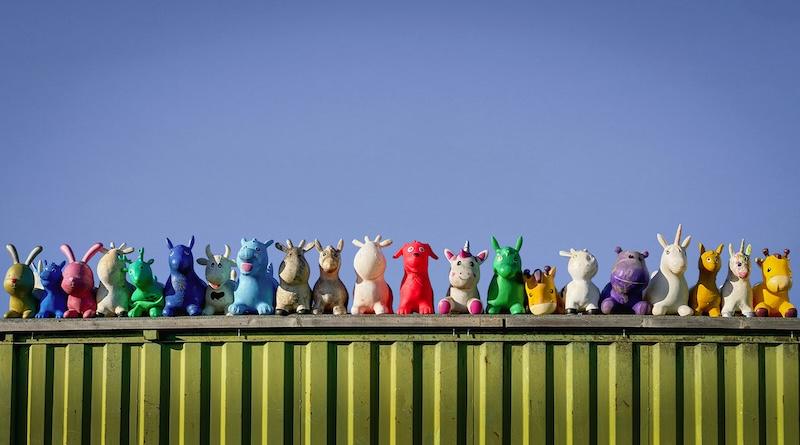
April is World Autism Acceptance Month. We see you.
Meet the guest poster