The shortlisted works across all 13 categories of the British Fantasy Awards have been announced! Find out who’s in the mix over on our blog. Winners announced at Fantasycon in October.

For all things fantasy, horror, and speculative fiction
-
Announcement:

Don’t Let Genre Hold You Back: Why SFFH Writers Should Try Out Local Creative Writing Groups
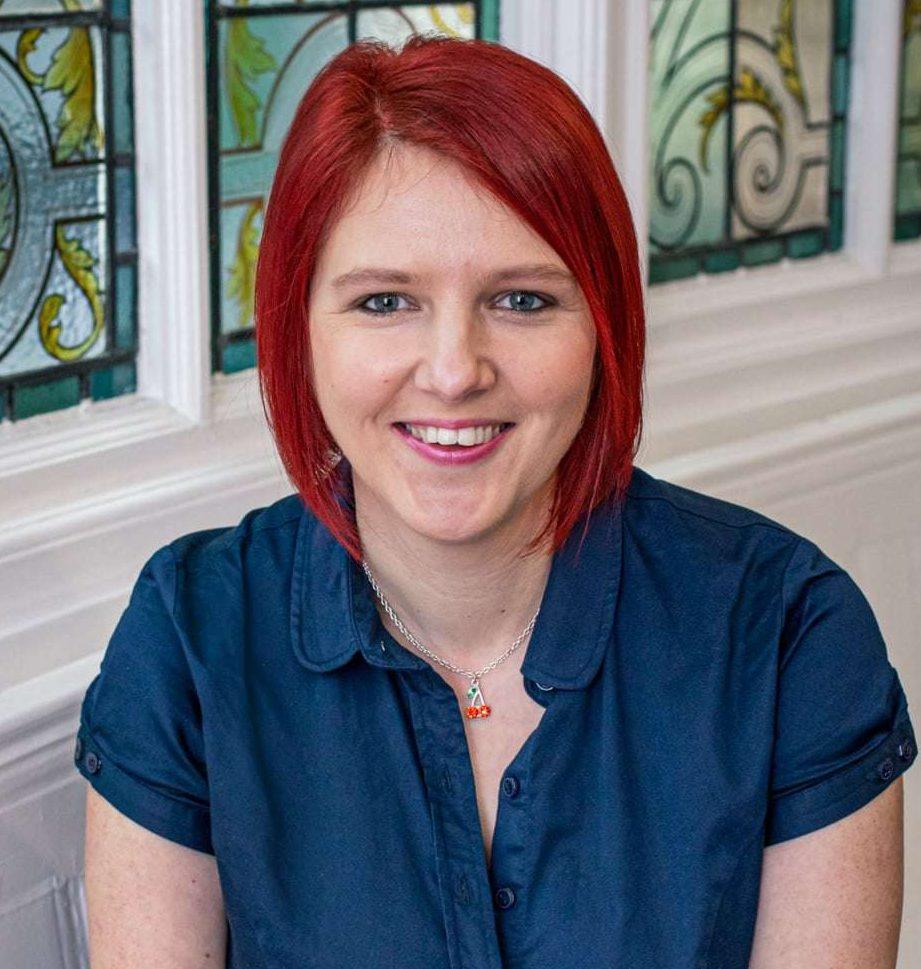
Editor (and writer!) Claire Cronshaw has been exploring the world of local writing groups. She says SFFH writers shouldn’t be afraid to join the locals.

I know Claires are welcome at creative writing groups—I’m one of four at my current group—but are genre writers welcome too?
You’ve thought about joining local creative writing groups, right? But something always stops you. Let’s be honest: a big barrier is the fear you’ll face upturned noses when you share that you’re an SFFH writer. As someone who tried four different groups before finding the right one, I encourage you not to give up. Be open to the opportunities in your local area, and be proud of what you write.
“I should join a group, really” is a familiar writer’s refrain. Why the ‘should’? We figure it’ll do us good. Some of us want critiques. Some want to soak up the momentum of creativity. Others simply want to get out of the house.
For me, it’s most of the above. But I have specific circumstances and a context that’s perhaps different from others who attend.
I’m a fiction editor. I spend my time with my attention on other people’s books. I have a knack for tweaking and improving, and I’m not a fan of a blank page. But that does not mean I’m not creative. I am creative, but I need parameters for that creativity.
I need the parameters of a place, a time, and a task.
The Benefits of a Structure—And Having Others Doing The Same Thing at the Same Time

Honestly, I don’t write for pleasure at home. By the time I’ve finished my edits, made tea, taxied my son to some club or other, and chucked the hoover around the house, my brain is too busy to find that quiet place where creativity lives.
But I still want to nurture it. It’s important. And it helps me make sense of my world. You can give me any creative writing prompt you like—however ‘out there’—and I will still be able to see a reflection of my current preoccupations in what comes out of my pen and lands in the notebook.
After years of looking, I’ve found a creative writing group that strikes the best balance, and it suits casual writers like me as well as more committed ones. Those of us who want a prompt can respond to a prompt, while those with long-term projects can fire up the laptop and work on those. Whatever suits.
We’re there for two hours. We do 30 minutes of chat, one hour of quiet writing (amazing!) and another 30 minutes of chat again. Some people share what they’ve written, or we talk in general about what we’ve worked on, or we ask questions or advice. Sometimes at our own tables with two or three others, sometimes with the whole group.
What’s great about this group is that it is very welcoming to everyone, including genre writers. People write fantasy, romance, dystopia, erotica; some are working on playscripts, poems, memoirs, or “bits” that can’t yet be categorised.
Not All Groups Are Created Equal—You Have to Try A Few
But why did it take me so long to find this perfect blend? Let me walk you through the groups I’ve attended and I’ll reflect on what worked for me and what didn’t. I hope this’ll give you the impetus to try a range of groups for yourself. There’s a lot of fun to be had in the sampling.

(Note: All these groups are in t’north. At the time of writing, there are still groups and classes in all the places mentioned, though the specifics may have changed since I was there last.)
- The Bowery creative writing group, Leeds. Weekday evening. The café was closed to the public. We had the place to ourselves. The session started with a free write. They’d give us a fragment, the start of a sentence, and then away we’d go. After that, we’d look at samples of writing based on the evening’s focus, perhaps POV or sensory writing, for example. And then we’d try that writing style ourselves and perhaps share our efforts. Why did I stop going? Time—or lack thereof. I was a teacher then and struggled to fit this in around my workload. Evenings were mainly spent planning and marking. I should have made time for my interests, but I didn’t. I let my hobbies dwindle.
- Shap Writers Group, Cumbria. One Saturday morning per month. Oh, I loved this lot. I joined the creative writing group in my old stomping ground during one of the lockdowns. I no longer lived nearby, but it didn’t matter when meetups were on Zoom. At that time, the group was facilitated by a representative of the Wordsworth Trust. Yes, there’s a perception that creative writers sit around writing poems about daffodils and clouds, and in this group, you could certainly do that if you so wished, but nobody in the group forced anyone to write poems about nature. I took the prompts (which could be something written in a poem or from Wordsworth’s correspondence) and went wherever I wanted with it—usually in prose. I’d bring it right up to date. I’d make the rural urban. I could have made the rural extraterrestrial, if I wanted to. I swear nobody would have minded. My attendance ended after they returned to in-person meetings. I couldn’t commit the time and petrol money.
- Writing workshop, Kirkby Stephen. Weekly. Mornings. Around a similar time, I connected with a writer on Facebook who held a weekly writing class in her farmhouse in the countryside. I went for a taster session. The focus was critique. Attendees turned up with writing completed at home and shared it. On this occasion, it was flash fiction. We read an award-winning short story written in the second person (‘All the People Were Mean and Bad’ by Lucy Caldwell—look it up.) And we tried some writing in the same style. Now, if this group had come into my life at the right time, I would have signed up and committed. Loved it. The people. The craft. The chat. The ambition. Yes. But I’m a hobbyist and I write while I’m at a group, not outside it. So I didn’t have the wriggle room at that time to make this one work. If I become someone with the time, space, and inclination to work on my writing at home, I’d love a group like this for accountability and support.
- The Nib Crib, Morecambe. Sundays from midday, and on my doorstep. This group had a lot going for it, and it was a good introduction to creative writing groups in edgier settings with a mix of people and writers. We did fun tasks like a first-line auction. First lines were read out and we had to nab the one we wanted. If more than one of us wanted it, we had to convince the others why it should be our line. Then we wrote from the starting point we’d ‘bought’. Spontaneous creativity like this is my bag. But Sundays weren’t ideal, and I felt a bit claustrophobic in the room, so it was a one-time-only experience.
- The Gregson, Lancaster. ‘And they all lived happily ever after.’ Dear reader, she only went and found a group that ticked all the boxes! I joined a writers’ café and I’ve been a member for over a year. It’s a once-a-month creative writing group at a local arts centre. As I said in my introduction, it’s got the perfect blend. Community. Prompts. Discussion. Quiet. Space. And above all else, it’s welcoming—yes, even to genre writers. They are legion.
How To Find Your Local Group
Creative writing groups come in many shapes, sizes, and flavours. Your preconceptions about groups might be proven right in some environments, but others will be totally different from what you expect. If you are lucky enough to have a choice of groups in your area, try a few out.
The big thing to remember is not to assume. Most people are polite and even if they don’t read/write SFFH in their leisure time, they won’t begrudge it of you. Find the like-mindedness. Writing habits, struggles, motivations, inspirations—even if they’re writing about rural Kent and you’re writing about an alternate dimension, there’ll be some crossovers in the writerly Venn diagram.

And how do you go about finding groups? Start with your local library. They might have info on a noticeboard/the virtual equivalent. Try Facebook and web searches: type your place name and ‘creative writing group’. Ask in your local community centres and arts organisations. If you’re at college or uni, see what clubs they have on offer. If you want a course, check out your local adult education providers for evening classes. And there’s always Zoom. It might not feel the same, but you can still get a lot of benefit from meeting up with people regularly. You can build and strengthen community and your craft.
It’s important to remember that the more of us that get out there and join these groups, the more we can represent SFFH in creative writing spaces. If you don’t like the first group you attend, try another. But be open to the idea that writing is writing, whoever is writing it and in whatever genre they’re writing. Non-SFFH folks can learn something from you just as you can learn something from them.
And if all else fails, start your own group. I’ve been sampling the smörgÃ¥sbord of writing groups since the noughties and I’ve even run a few sessions myself; if you need ideas, hit me up.
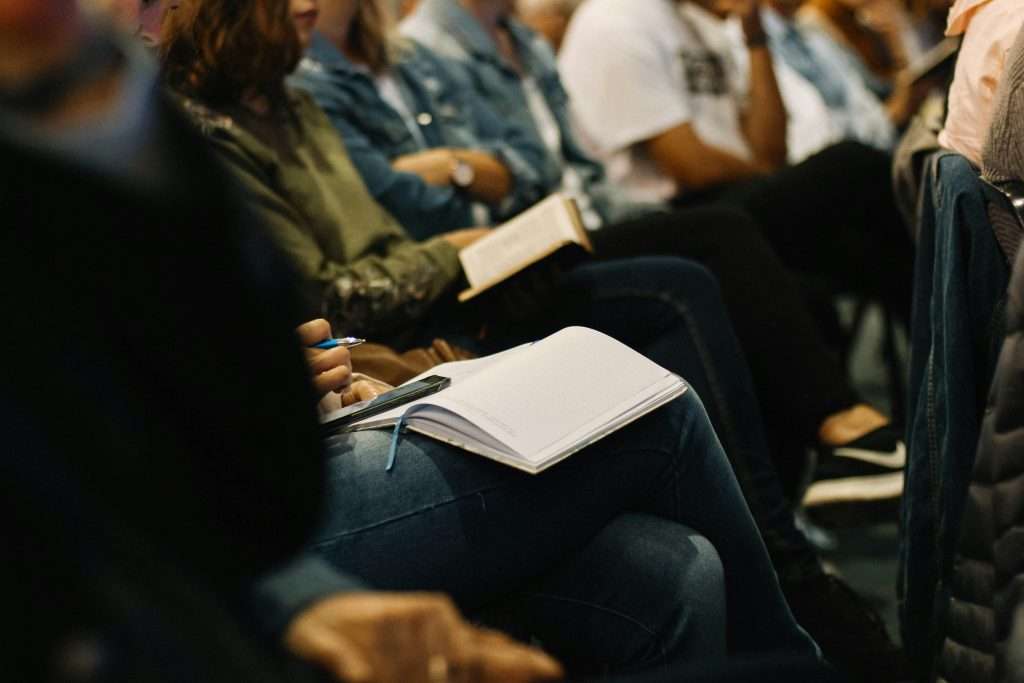
Images by: Alexis Brown, Sincerely Media, David Iskander, Antenna, Parabol | The Agile Meeting Toolbox on Unsplash
Meet the guest poster