In his semi-regular column on the TV that made us SFFH fans, Gary Couzens revisits Object Z—an early SF serial aimed at children that brought complaints from parents for its bleak nature.
If you watch Object Z, you may wonder why this is considered a children’s serial. Some people wondered that at the time. Yet it was broadcast over the ITV network in six weekly half-hourly episodes (twenty-five minutes plus a commercials break in the middle) on Tuesday afternoons, beginning on 19 October 1965. It was shown from 5.25pm at the end of children’s viewing time, followed by the evening news.
However, if you expected a children’s show to feature at least one child or teenager, you would be wrong. Nor did the serial depend on puppets, such as Gerry Anderson’s shows. (Thunderbirds had begun showing the previous month.) The third option would be something involving animals, but the only beast on screen is a dog in one episode. All the characters are adults and the story events are hardly reassuring in places. No doubt word got out and those adults able to be home from work may well have watched with their children.
The Story
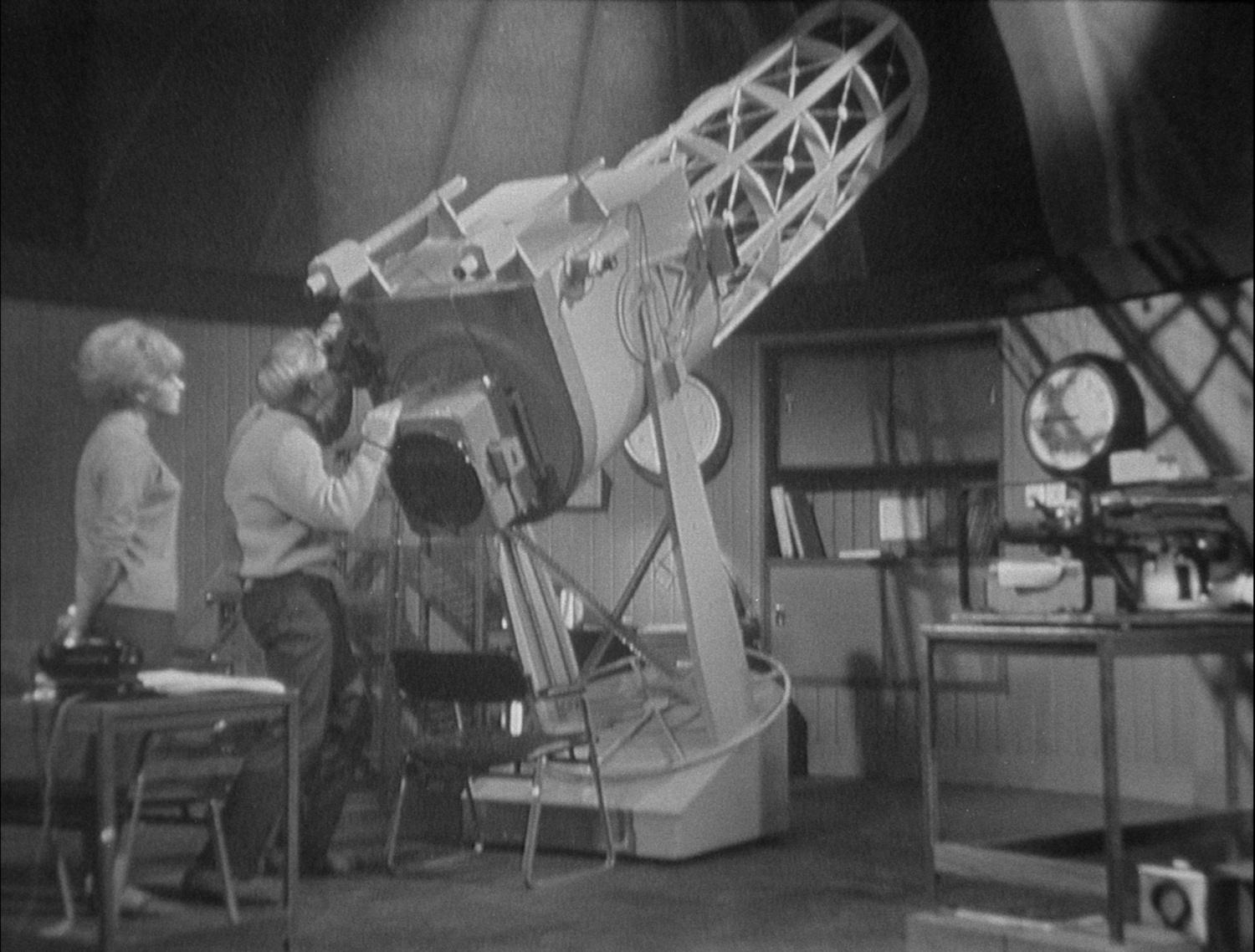
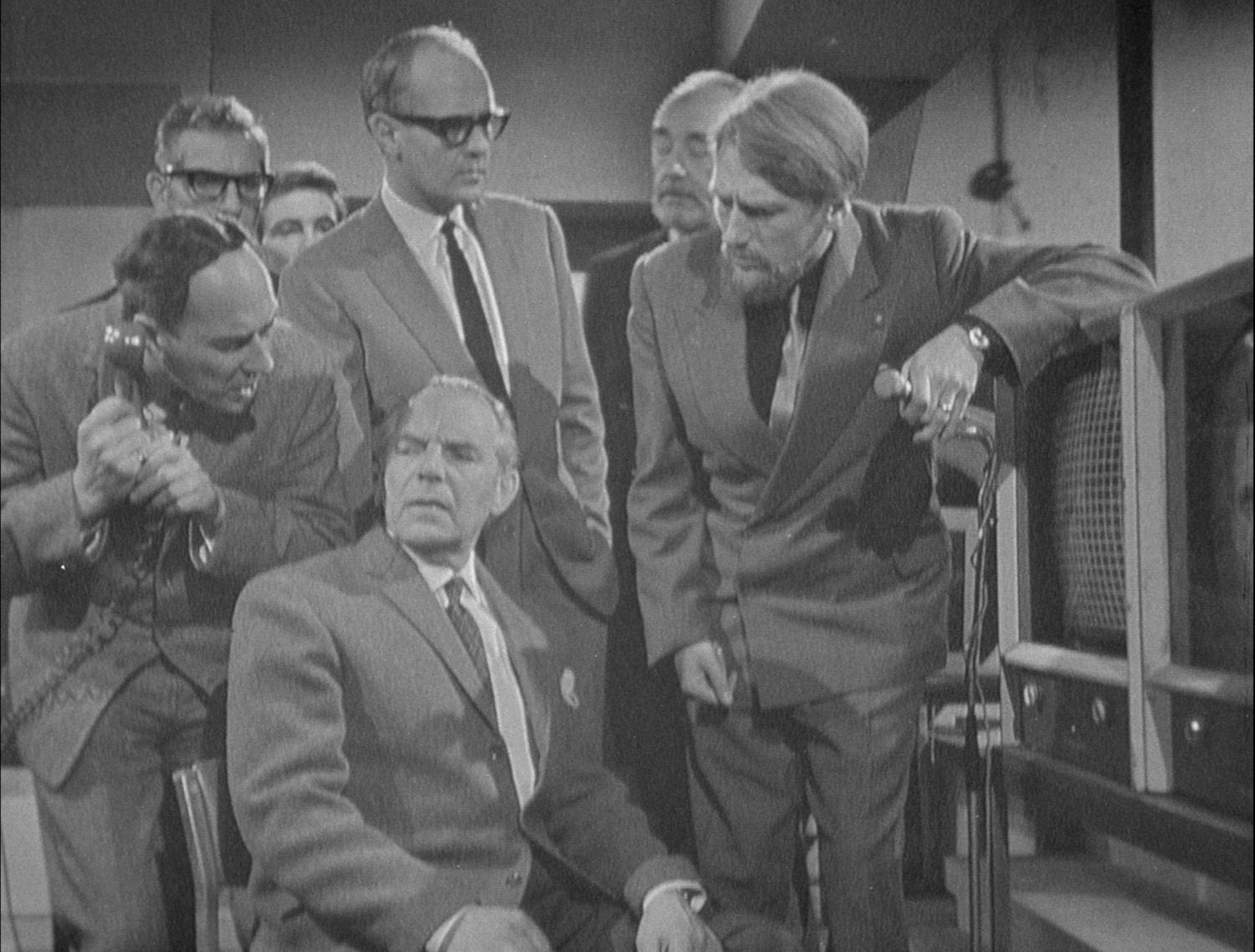
We begin as a team of scientists, led by Professor Ramsay (Ralph Nossek) and his assistants June Challis (Margaret Neale) and Robert Duncan (Denys Peek), make a discovery. Journalist Peter Barry (Trevor Bannister in square-jawed hero mode—a long way away from his Mr Lucas in the 1970s sitcom Are You Being Served?) is told what they’ve found. It seems a large extraterrestrial object, some six miles across, is on a collision course with Earth. It could cause widespread devastation, possibly causing the loss of most life on the planet.
As the crisis breaks, the UK Prime Minister (Julian Somers) initiates emergency procedures; one-tenth of the population can be protected in shelters, and who that is will be decided by the drawing of lots. Barry and his assistant Diana Winters (Celia Bannerman) report as the UK, USA and Russia collaborate on sending a rocket into space with a bomb larger than anything detonated on Earth, in an attempt to destroy Object Z or divert it from its course. There are possibly six weeks left to the end of the world.
The 1960s TV SF Landscape
Object Z was made for Rediffusion, which at the time held the ITV franchise for London and the South East on weekdays. It was only shown once. However, unlike a lot of television from that period, including its sequel Object Z Returns (of which more below), it survives in the archive and has recently had a release on BluRay/DVD dual-format from the British Film Institute. So now those not old enough to have seen it or without access to the archive (which includes me, a year old on that broadcast) can now see something which has until now appeared only in lists of genre television of the 1960s, or as entries in reference books.
(There is an entry in the SF Encyclopedia, written by David Langford who could well have seen that first broadcast, but be aware it contains major spoilers.)
There was a lot of science fiction on British television in the mid-1960s, such as other limited serials, series of serials such as Doctor Who, single plays, and anthology series such as Out of the Unknown, which was launched on BBC2 the same month as Object Z. Serials imported from overseas were also shown, such as Australia’s The Stranger on BBC1, and 1965 would have also seen the broadcast of Peter Watkins’s The War Game if the BBC hadn’t withdrawn it.
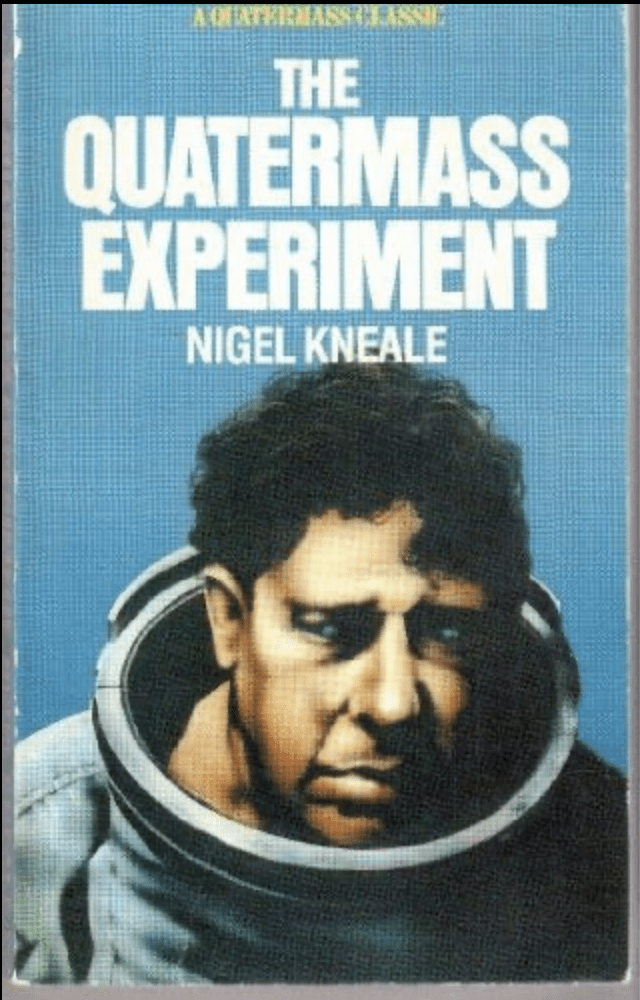
Much of this was, of course, aimed at adults or at least not specifically at children. The Quatermass Experiment, broadcast live in 1953, remains the earliest-known surviving example of episodic drama; we’re lucky to still have the first two episodes of six. The mostly-lost A for Andromeda (1961) and the surviving-in-full sequel The Andromeda Breakthrough (1962) packed audiences in their day. Yet these were by no means the first SF television serials to be made; they were preceded by an actual story for children, Stranger from Space, shown in seventeen ten-minute episodes from 1951 to 1952. This was the first original SF serial on the small screen.
This is why Rediffusion on the then ten-year-old ITV network were looking out for more in this genre, particularly children’s drama.
The Production
The serial was written by Christopher McMaster, who was a television director for Coronation Street amongst others. He was a writer on the side, and pitched Object Z to Rediffusion. It was the serial’s eventual director Daphne Shadwell who suggested that the story could be rewritten to appeal to children. Given the end result, it’s unclear as to how much was changed. Strong language was not allowed on television then at any time of day or night and, while there is a romance subplot between June Challis and Robert Duncan, it’s kept in the background.
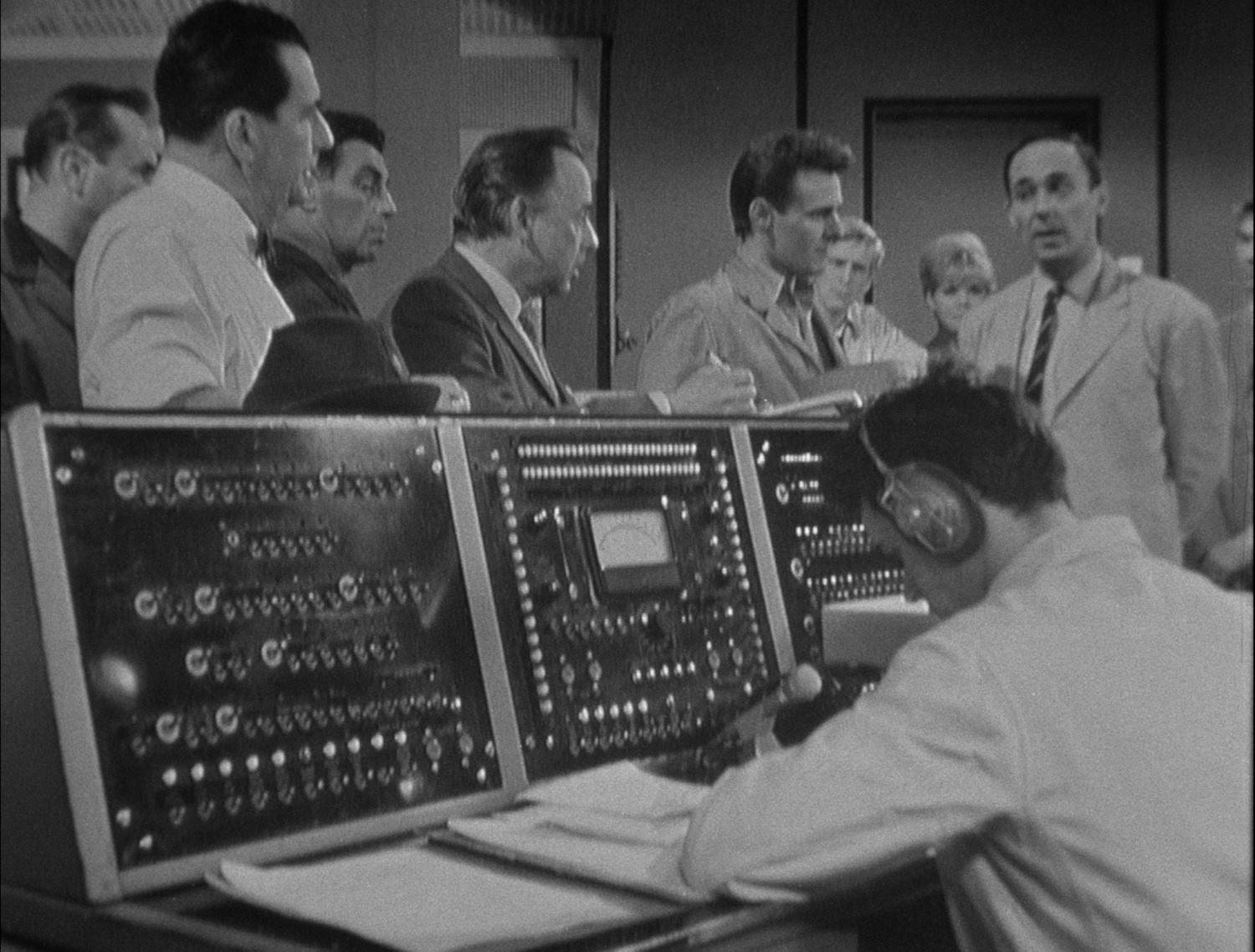
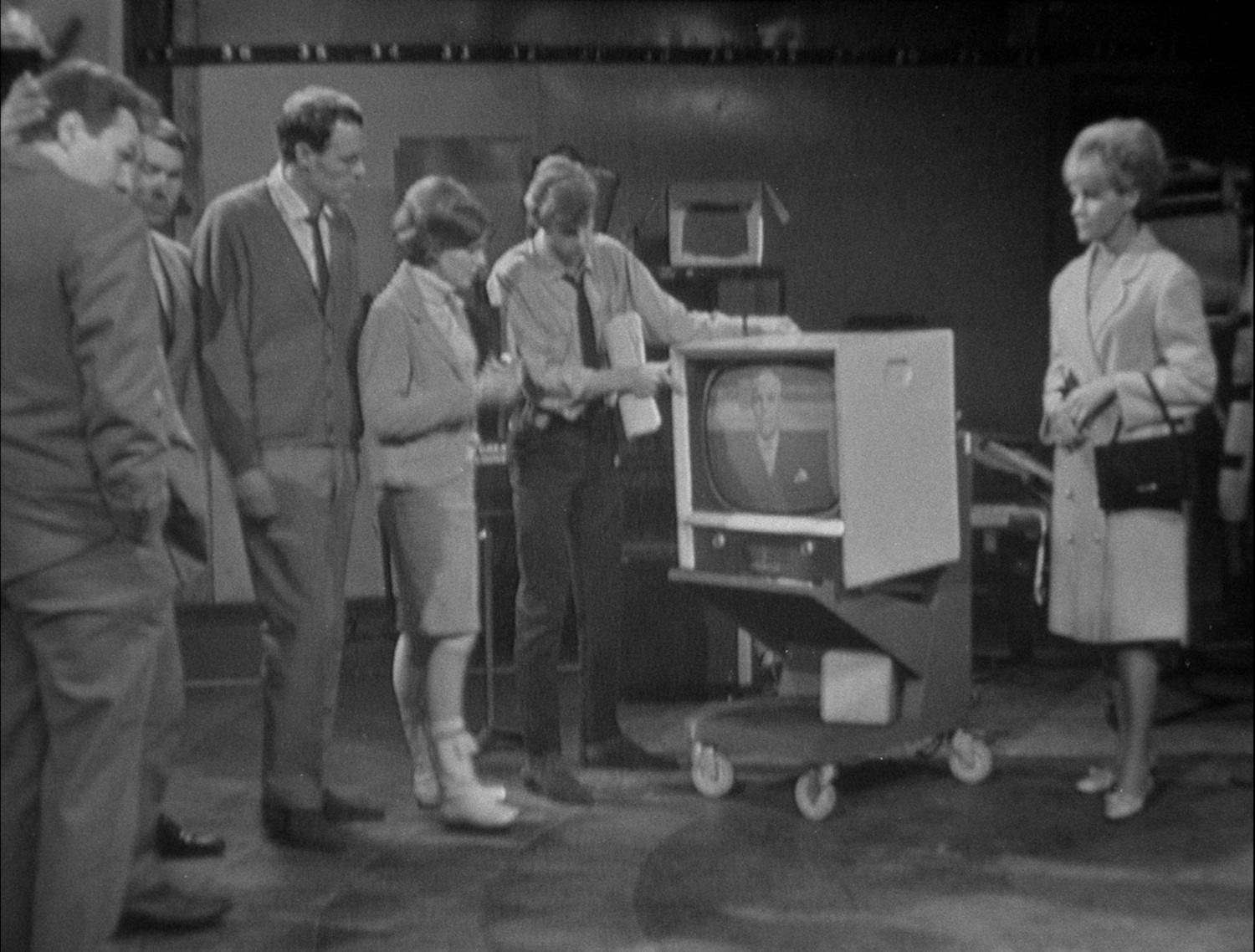
At times, the story is astonishingly bleak, particularly in episode three as most of the cast prepare themselves for the end of the world and their deaths. (As there are three more episodes, it’s no surprise that isn’t the end; there are plot turns I’ll leave you to discover.) Political and philosophical themes are in the mix, and there’s a subplot about far-right leader Keeler (Arthur White, older brother of David Jason), first seen ranting on a television set from a rally of his Action Party in Trafalgar Square. Clearly this is a serial which by no means talks down to its audience, which would have been a fatal error at the best of times. Even so, the serial attracted complaints that it was too scary and disturbing for the young.
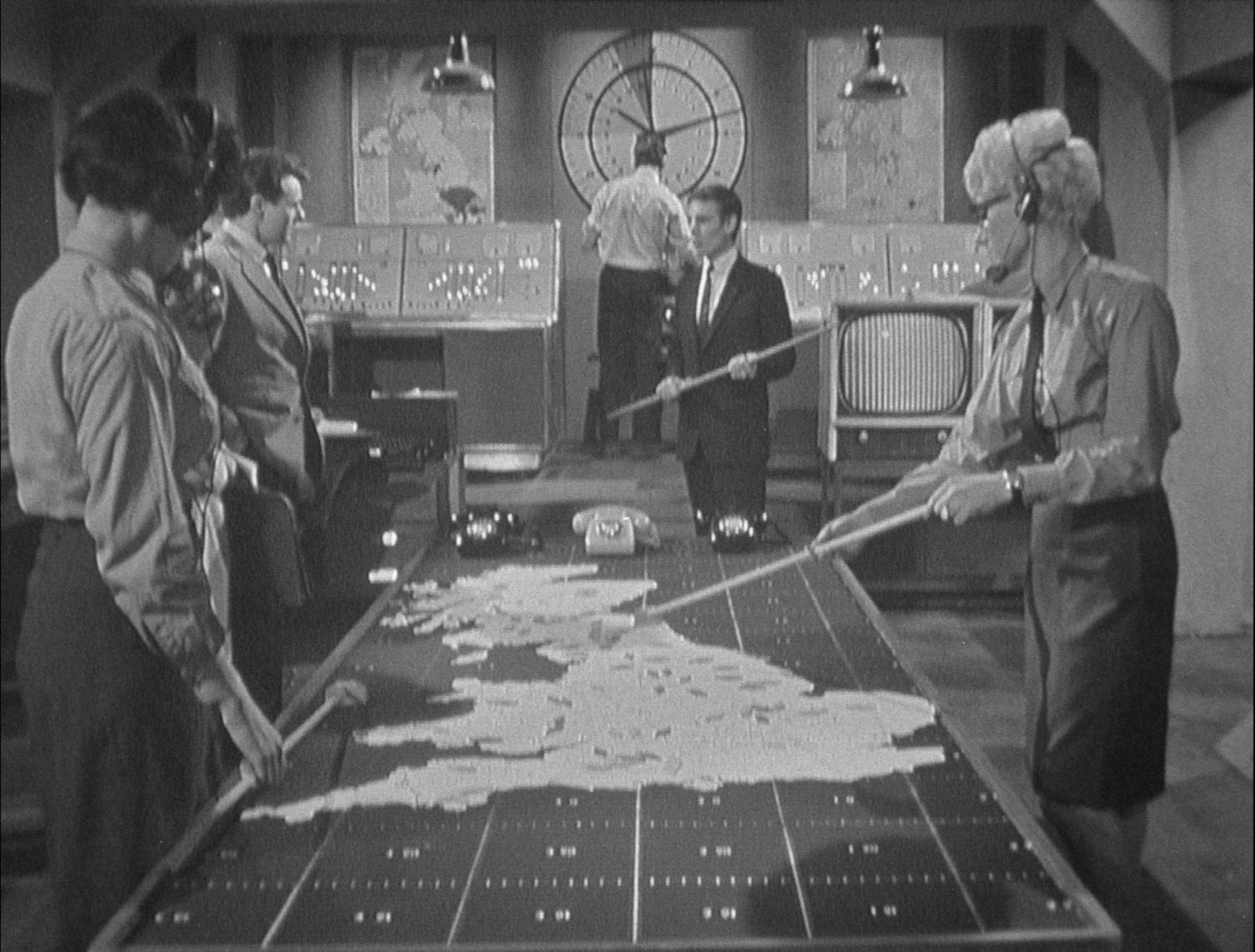
Object Z is almost all studio-bound, shot on video with most of the exteriors in the notably globe-trotting storyline represented by stock footage. Following a week of rehearsals, each episode was recorded “as live” the evening before broadcast, so retakes were not encouraged and editing was minimal. Actors’ fluffs had to be left in: there’s a notable one in the fifth episode from Robert O’Neill as the US president. (It’s also noticeable that the Americans are played by American actors and the Soviet premier by a Russian one. The main exception to this is a Bedouin chief played by Milton Johns in the final episode.)
The Aftermath
I mentioned above that there was a plot-turn halfway through, and after the reveal of what is actually going on there’s another one in the closing minutes of the final episode. This led straight on into Object Z Returns, which followed in short order, again on Tuesday afternoons from 22 February 1966. It was again written by McMaster and directed by Shadwell, with all of the principal cast except Celia Bannerman returning. This appears to have been quite a prescient story, throwing elements of climate change and the threat of a new Ice Age into the mix, but sadly no episodes survive. (Check your attic!)
Christopher McMaster continued his career mainly as a director and producer rather than a writer, creating the ITV series (for the Southern Television franchise this time) Freewheelers, which ran from 1968 to 1973. He died in 1995.
Daphne Shadwell had a long career in television, in light entertainment and factual programming as well as in drama, with a particular affinity for making shows for children. She directed the two series of Do Not Adjust Your Set (1967-1969), made by Rediffusion and then ThamesTV after they took over the London ITV weekday franchise in 1968. This featured Eric Idle, Terry Jones and Michael Palin before they went on to become part of Monty Python, plus Denise Coffey and David Jason, and was as popular with adults as the children it was aimed at. Daphne Shadwell is still with us as I write this, aged 97.
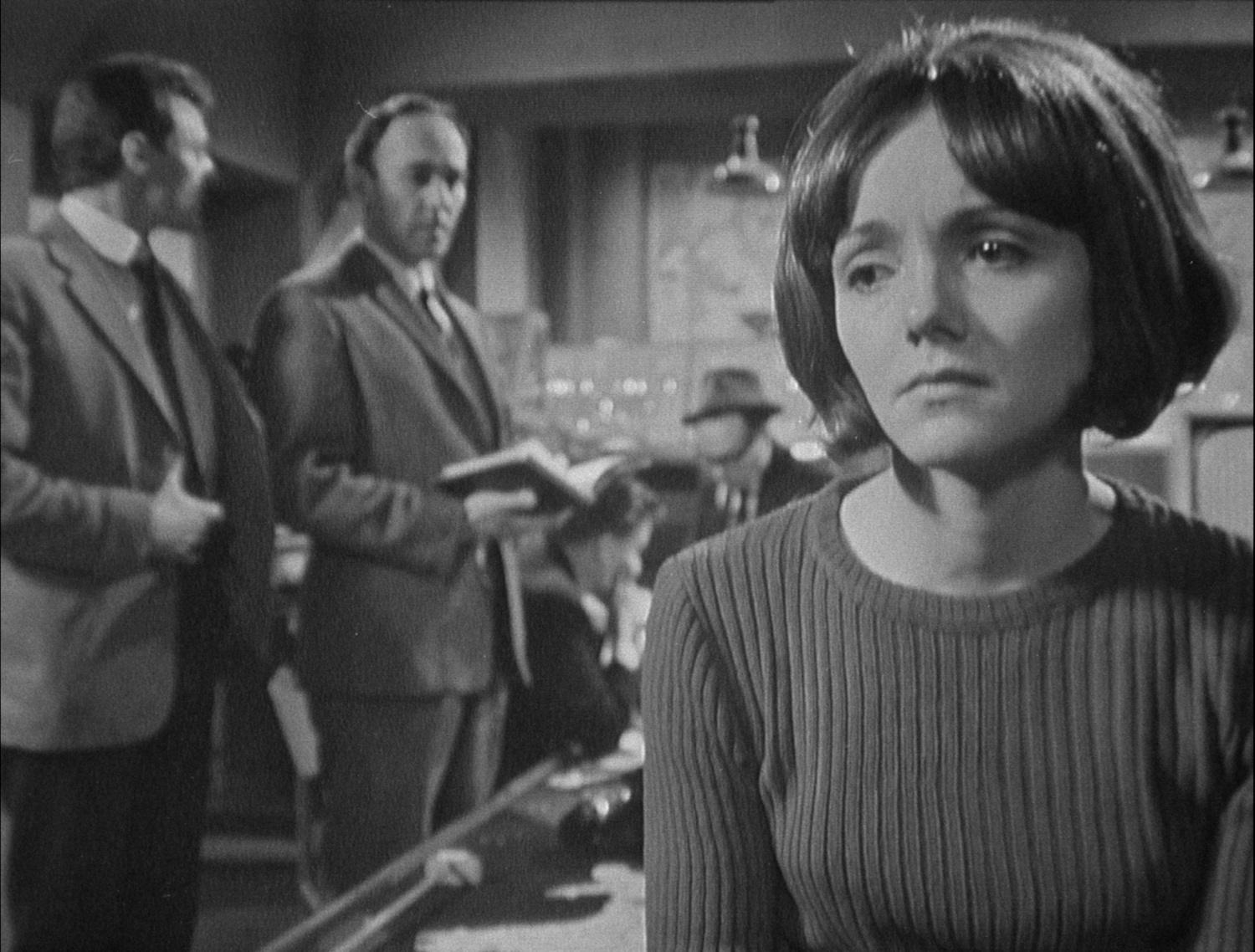
As it has been so hard to see since its first and (to date) only broadcast, Object Z will be a discovery for those who didn’t watch it then, and a rediscovery for those who did at however young an age. While you do have to make allowances for its obvious low budget, you have to make hardly any for its contents—proof if you ever needed it that it was possible to make effective, gripping SF drama for the small screen that could excite the imaginations of the young.
And some of those young may well have gone on to other genre television, as creators or consumers. It’s television like this which made us.
Do you remember Object Z? Let us know what you thought in the comments below ⬇️
All photos taken by the author as screen grabs