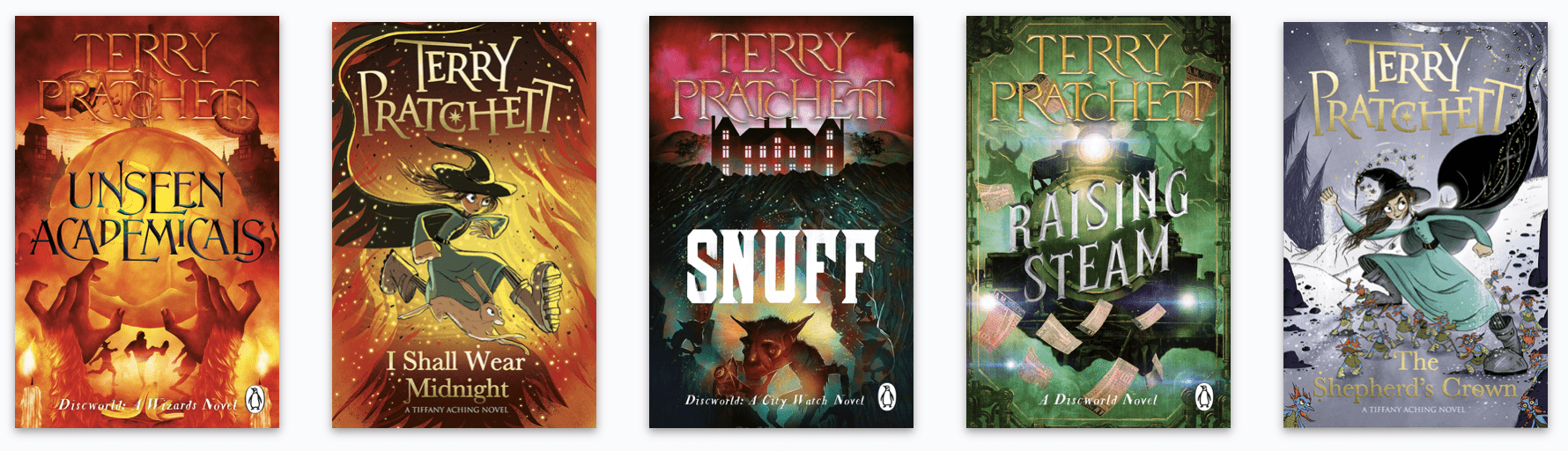
Fresh(ish) from a panel at World Fantasycon discussing all things Discworld, Rick Danforth reflects on the legacy of Sir Terry Pratchett’s most famous works, and why fans are still discovering new things in well-worn paperback copies.
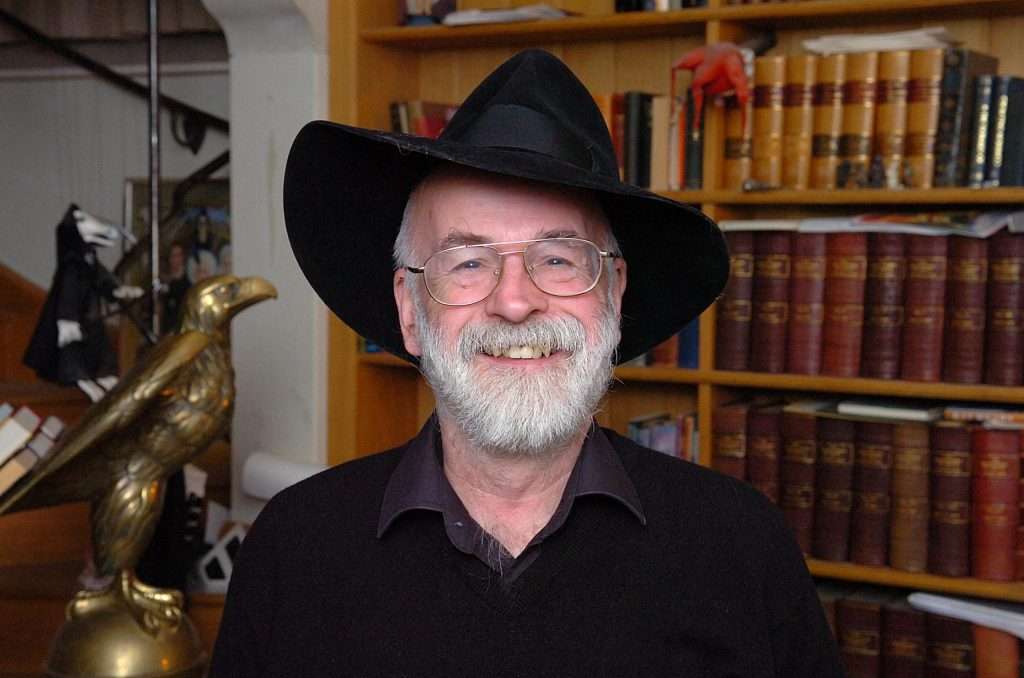
March marked ten years since Sir Terry Pratchett passed on, and my mind keeps circling the basic query: what is the Discworld’s legacy? (If you are reading this, I feel we can skip covering what Discworld is. If you don’t know, please read Guards, Guards and come back.)
The most obvious aspect of his legacy is the profound impact it has had on the sub-genre of comedic fantasy. Any request, comment or discussion on the sub-genre will always reference Discworld. Sir Terry once compared The Lord of the Rings’ impact in Fantasy to Mt. Fuji in Japanese culture: It appears in all art in some way, and if it doesn’t, it’s a deliberate choice. Sir Terry’s comment regarding Mount Fuji is oddly prophetic for Discworld in Comic Fantasy. Anyone asking a question about the sub-genre either says “I’ve already read Discworld” or it is the first reply. Without fail.
One well-intended curse that has followed many comedic fantasy authors has been to be christened with the moniker “The Next Terry Pratchett.” While intended to help the new author, I feel like this has been a stone around their neck due to heightened expectations.
Many of the books that earn this claim for their authors are fantastic in their own right. However, they are, in my opinion, just not quite as good as Discworld. In many cases, they are radically different in every way. This means that even when you get a great book, it’s disappointing as it’s not what you wanted. If you were promised fudge cake, you may be upset if you receive a sundae. No matter how nice it is.
So, what makes Sir Terry different to the other authors? (Who I will add, I also very much enjoy. A reading list is available if anyone asks.)
- He was, seemingly effortlessly, hilarious.
- He did a lot of clever, and dumb, wordplay. Often with a pun or play on words.
- He did incredible satirical and social commentary. From fascism with dragons to racism and integrating vampires into the city watch.
- Every damn thing was an Easter egg reference to something or other.
- He did fantastic characters. He had a thorough understanding of what makes people tick, and created a whole cast of memorable, yet radically different characters.
- He did very different fantasy plots—at least, for the time—such as the first tourist, the first newspaper, and reopening the post office. This is far more common now, but very unusual for the ‘80s and ‘90s.
- He wrote with extreme consicion, which is important with humour—if jokes don’t land, they don’t overstay their welcome.
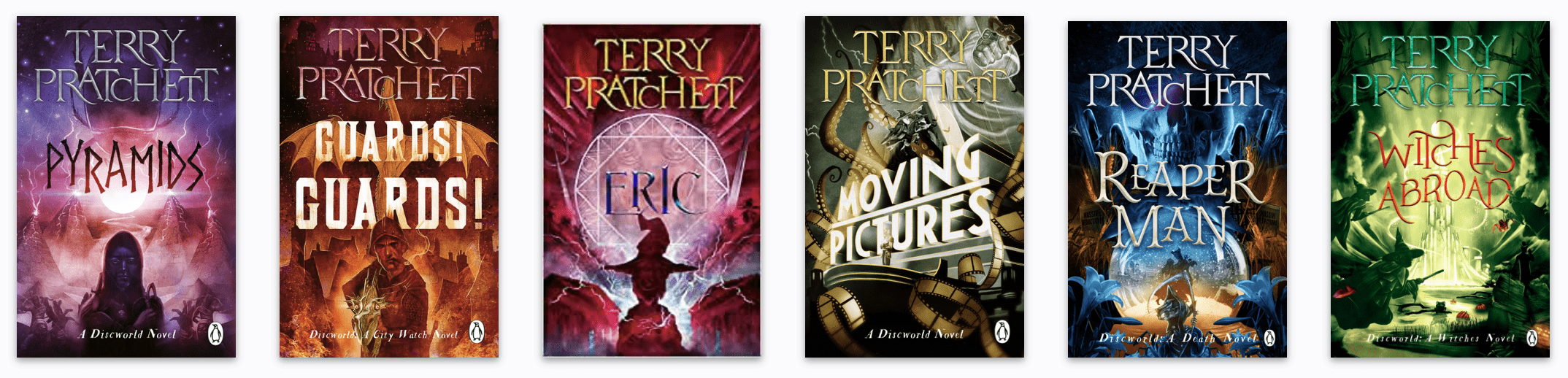
One part of Discworld that genuinely puts off those who have not read it is its sheer size—at first glance, 41 novels sounds excessive. It’s honestly more books than I read in a year. (Writing, very frustratingly, gets in the way of my reading.)
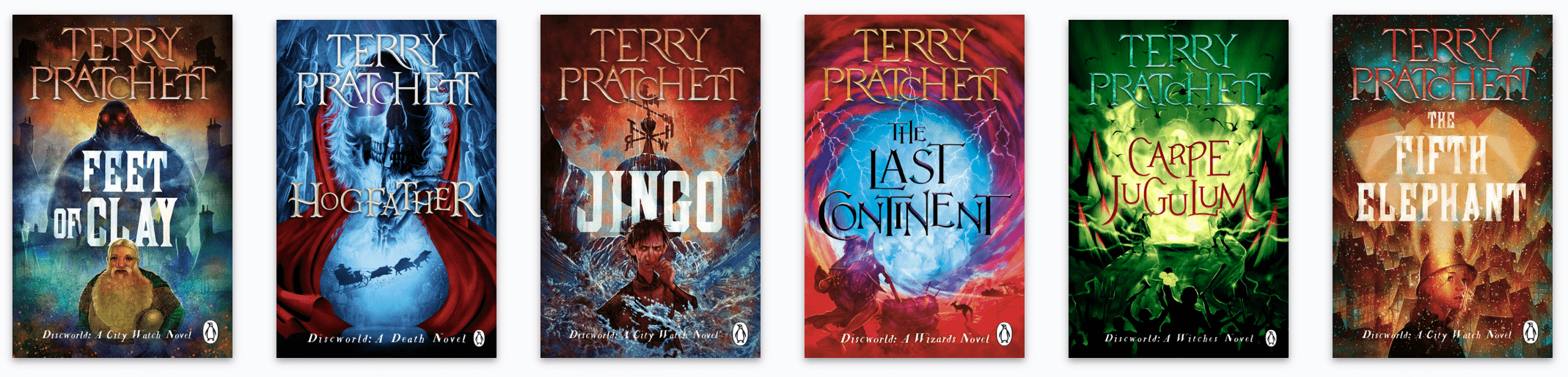
But to the fans of the Disc, it’s nowhere near enough. I cannot think of another series that is so long and still has fans upset that the author was cut short with more to write.
Partly, because it consists of multiple mini-series and a few standalones.
Partly, because the stories were very different, only very loosely connected in a vast world.
But for me, the biggest part is that we always felt we were going on a journey in Discworld. We got to see Unseen University introducing a tech campus (Thaumatological Park), law and order going from a joke to the backbone of life, and the slow, steady industrial revolution of our beloved Ankh-Morpork. Sir Terry created a city so well-defined it feels like a character itself, not just a setting.
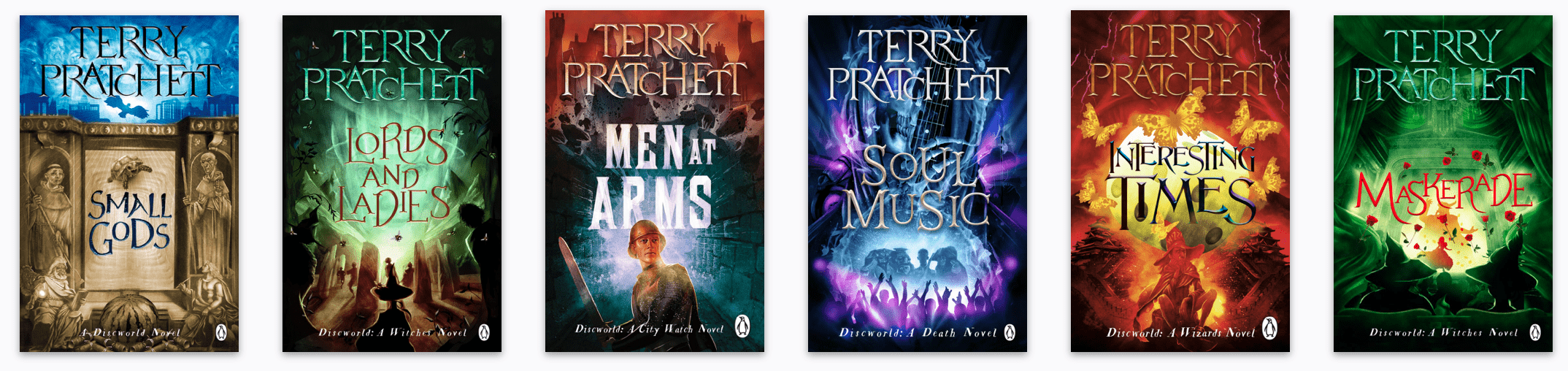
Some newer concepts were hinted at, such as an Underground using a Dwarvish Device, or Moist having to improve the Tax revenue. Still, we had enough information to be excited, and we also knew there would be twists, turns, and a humorous yet devilishly intelligent use of something that none of us would predict.
But my personal favourite part of Discworld is that keen readers are still discovering Easter eggs in the books.
One of Sir Terry’s most incredible attributes was the ability to blend these jokes and references into the prose in a way that, if you didn’t pick up on them, the passage still worked—partly because, unlike many authors who do such things, he mentioned it once and then moved on. Most authors want their audience to get the reference; they will hammer it in. It’s safe to say Sir Terry treated these references more like a crossword puzzle.
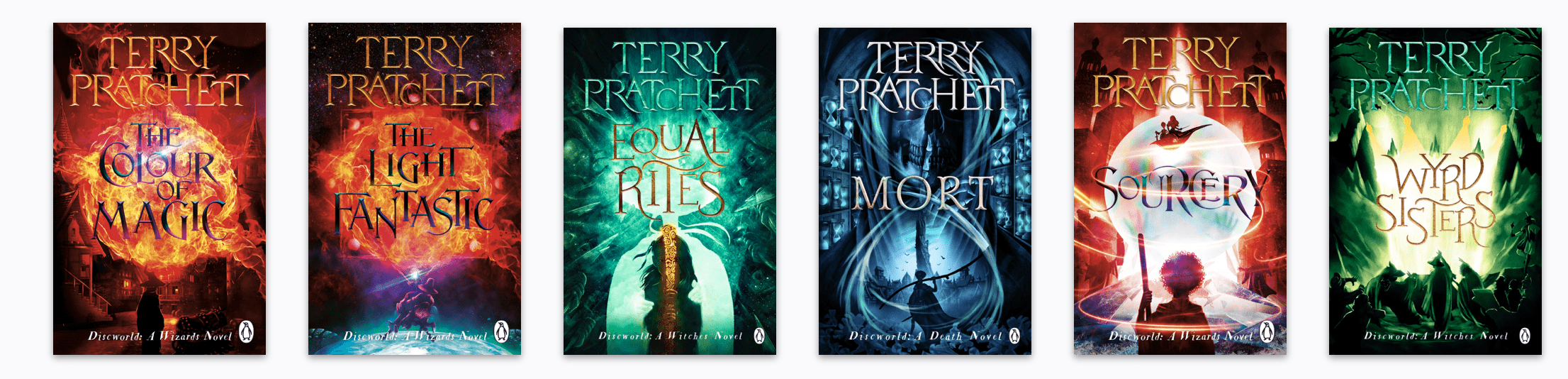
Online forums are always busy with people learning new easter eggs. One of my favourite examples is from the Discworld Panel at Worldcon 2024, where I shared something I had just learned about: The Rite of Ashkente is a small summoning spell that calls upon Death so that they can ask questions. But it is also a play on the old newspaper column, Ask Auntie.
The entire audience groaned; no-one was aware of the link (thank you, Reddit). I am confident that every single name in Discworld is just a reference or a joke that we haven’t understood yet. There are entire websites devoted to listing hidden references in each book. I’ve never heard of a world so rich in jokes and references. The fact that people who have re-read the books for decades are still discovering new ones is truly unique—especially considering the prose and story aren’t hindered if you don’t get the reference.
This then leads naturally to the fact that it wasn’t just the jokes. A lot of comic fantasy, especially the amateur-written, focuses on the jokes. But Discworld also has the plot, the history, and some of the best-written characters in fantasy. All told with a brevity of prose that has proven impossible (so far) for others to mimic.
But the most powerful part of Discworld, for me, is that in the 1990s and early 2000s it introduced people to fantasy who wouldn’t normally read the genre. People who never would have entertained Wheel of Time or Sword of Shanarra would happily buy Discworld. They laughed at the jokes and enjoyed the social commentary on modern life, like looking at the world through a broken mirror. He was the top-selling author in the UK in the 1990s, before JK Rowling surged ahead (and who, thankfully, has now been beaten by the delightful Julia Donaldson). When the BBC did their Big Reads survey, Pratchett finished joint top in the top 100 books with 5 separate entries. He was top of the extended 200 with 15 different books in the list.
This legacy is very much evident in some of the plaudits Sir Terry’s received for the work. Discworld is often discussed as being overlooked for the major SFF awards, although it did achieve a Nebula (Andre Norton), three Locus awards, and Sir Terry recused his Hugo nomination as he thought it would ruin his Worldcon experience. He also received several life achievement awards near the end, and for most authors that would rank as a great career. But it shows the level of the man that people still expected him to have had more.
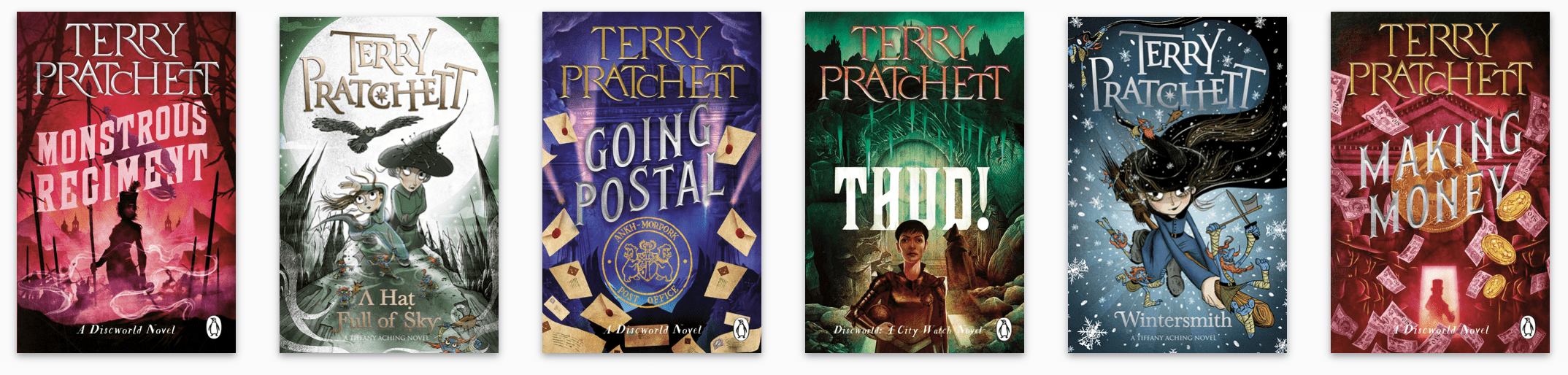
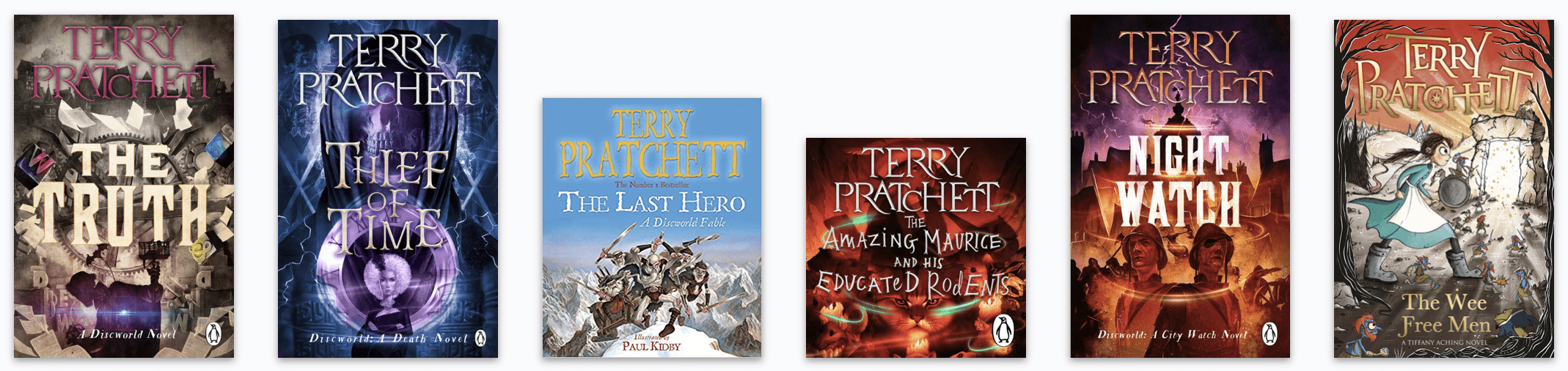
In the non-SFF space, The Amazing Maurice won a Carnegie medal, had him knighted for services to literature, and recently Night Watch was accepted as a Penguin Classic. These feats are very rare for any author, let alone genre authors, and show what an impact this body of work had in the UK before fantasy was as mainstream as it is today.
One of my favourite Pratchett quotes is this: “No one is finally dead until the ripples they cause in the world die away.” And I genuinely believe it. It’s impossible to know the future, but I think it’s safe to say these books will be read for a long time yet. They are still discussed, they still sell well, new adaptations are being made, and Discworld conventions are going strong. Sir Terry Pratchett stays relevant enough ten years after his death that I was on a very full panel for Discworld at Worldcon 2024, and I have just been on a similar panel in another packed room at World Fantasy Con 2025. Conventions that run humour in SFF panels often say, “Let’s not talk about Discworld as everyone knows it too well.”
The ripples are very much still in full flow. They may even knock another Easter egg loose.