Why do apology scenes in SFF suck so much? Rick Danforth has a few ideas—and a few examples of the writers who actually did it well.
Apologies are a common scene in stories, but I often find they don’t really land. I asked a lot of people to name a good one they enjoyed, and they found it challenging. (Bad, however, was far less challenging.) In my opinion, the reason that most couldn’t name a good “sorry” scene is that the majority of apologies in SFF can only aspire to be mediocre. They do the job, but are rarely memorable or notable in any way.
To figure out how to fix this, I researched what makes a “good” apology, according to the experts. There are a lot of guides on what a good one should consist of, and they all roughly agree it should include the following:
- Admit and take full ownership of the wrongdoing
- Express sincere regret and remorse
- Show a clear understanding of why it was wrong
- Situationally dependent, an attempt to make matters right
- A commitment to not repeating the behaviour

Putting the Psychology to the SFF
Now, one and two are very clearly and easily managed. They are also easy to flip if you want to do either a purposefully bad apology and/or a rejected apology in your story.
Three is similar. It’s very easy for the hero to apologise and accept they made a dumb mistake. And if you want to go the other way, it’s very easy for them to apologise, but deep down not understand what they were doing was wrong.

Four, though, is very difficult for certain situations. If I eat your last biscuit, I can buy you more biscuits, and most people would accept that. If I brutally butcher all of the younglings, finding new ones and training them is probably not going to put things right.
But five is the largest problem. For most ailments, the commitment to not repeating the behaviour is an essential part of the apology. In life, we live with our friend/partner/child, and we can learn to appreciate the changes they have made to improve the offending behaviour. From not eating the last biscuit in the pack to cheating on a partner, commitment to fixing the behaviour is vital.
(Image: mark tulin on Unsplash)
In a film or book, we don’t get to see that. Frequently, we see the apology as the transition from Act 2 into Act 3, so the team is all back together before they run off to storm the castle. If we’re lucky, they may enjoy a moment of reflection in the epilogue. We never truly get to experience the changes in behaviour and see the journey they have made. And as humans, we need that emotional connection to have a truly satisfying apology.
But that’s not the only problem. Sometimes in speculative fiction we encounter places where the word “sorry” isn’t going to cut it. In real life, many find an issue such as cheating on a spouse to be irredeemable, no matter what. For fiction, does it matter if all five steps have been met if you slaughtered all the younglings? Or blew up entire planets? Committing to not doing it again is not going to get the audience on board. Not even if they are truly very sorry. Sorry doesn’t bring Alderaan back.
So, if setting the planet killer free to help the heroes isn’t going to help them, how do we try and get the audience to realise they’re good and atoned?
I’m Sorry, But I Must Now Go
Easy: Redemption by death.
It’s Act 3, the villain turned hero is fighting at the side of the main character, and it looks like all will be lost. Then they lay down their life as one last possible act of redemption. In the most recent Star Wars trilogy, redeemed Kylo Ren exists for a few minutes before giving his life up to help the cause—just as Darth Vader did in the original trilogy. In Thor Rangarok, Skurge has a change of heart at the last possible second, gunning down a bunch of Hera’s undead army in the process.
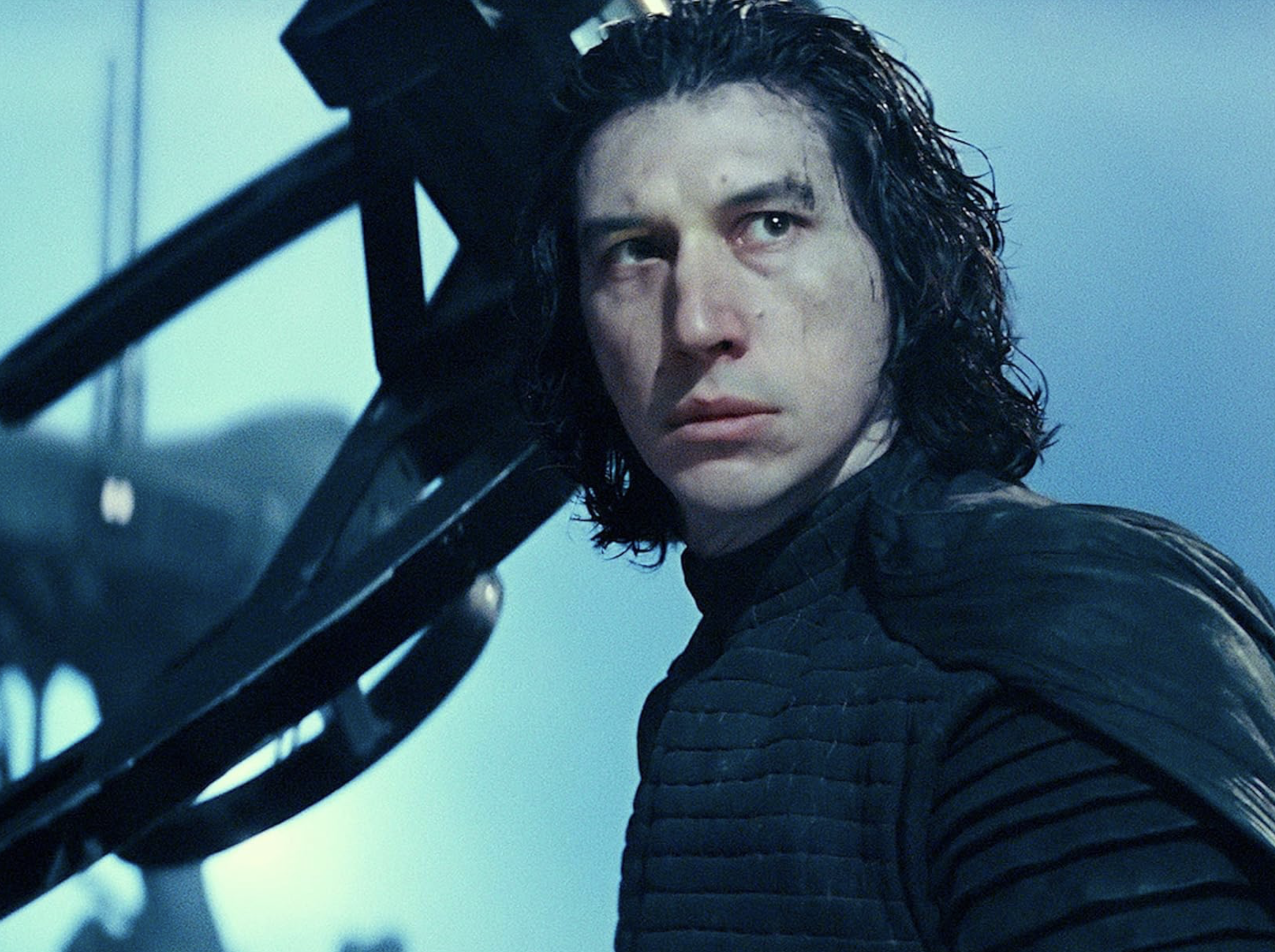
(Image: Kylo Ren [Adam Driver] in Rise of Skywalker; source IMDb)
Sometimes, laying down their life is considered the only thing they can do to even approach redemption for their previous actions.
While this may be the best that can be done in the circumstances, it still robs us of the emotional connection provided by their future behaviours and attempts at redemption.
Another common scene which has this issue is the deathbed apology. The most common style is where the person dying apologises to the main characters for their actions with no additional discussion or actions before the death, such as Thorin apologising to Bilbo in The Hobbit as he waits to die. This fails for the same reason as the others: the lack of continued effort to improve. It is then worsened as it feels as forced as if death himself is nudging the slowly departing character with his scythe to apologise quickly so they can get ahead of the traffic.
Not only do we never see the commitment to future behaviour, but it stunts the earlier emotional impact as it feels forced. And nobody enjoys a forced apology. It’s less satisfying and rewarding than eating a cold Christmas dinner in the dark.
One example where this lands very well is Shrek 2. Fiona’s father performs the heroic sacrifice and is turned into a frog forever, his nightmare. He is then committed to living like this, and when he dies in the third film, he appoints Shrek as King. By doing this, we get more exposure to the continued redemption. The time jump after the initial sacrifice provides the emotional satisfaction.
Who Gets It Right?
So which apologies do I like?
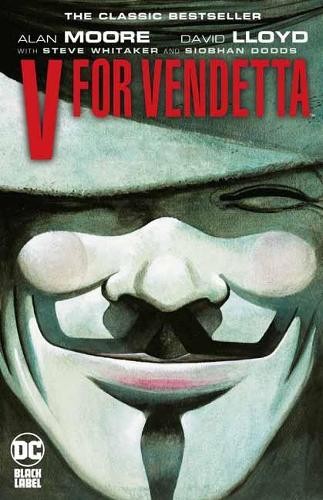
My favourite apology in spec fic is in V for Vendetta, where the titular character goes to murder Dr Delia Sturridge, the former head physician of the Larkhill Detention Centre, that place where she experimented on V and many other people against their will. She leaves that behind and works diligently for many years as a coroner, where she manages to fulfil the low bar of not repeating her behaviour. Notably, she is the only Larkhill employee who does. The others shown go on to be general bastards at best, and far worse in the case of the priest.
When she sees V, one of the first things she asks is, “Is it meaningless to apologise?”
To which V replies, “Never.”
She has accepted the gravity of her actions and shown genuine remorse. She has done her best to redeem her life, and she offers V a book of vital information to help his quest. This is all done in the knowledge that she will die for her sins. Her reward for all of this is that she is the only one given a peaceful death, poison, which was administered while she slept. As a result—although this hits the tropes mentioned earlier—it is satisfying. Reasonably, she has redeemed herself as much as possible under the circumstances.
The other apology that sticks in mind is from Joe Abercrombie’s wonderful First Law trilogy. One of the main POV characters, Glokta, is bitter that all of his friends deserted him when he returned injured and disfigured from the war to recuperate at his parents’ house. Twenty years later, he ends up working in tandem with one of these old friends, Major West, who tries to talk to Glokta and is confused when his former war buddy is cold and standoffish.
When West is ordered to the Northern front, he visits Glokta. After Glokta refuses to indulge his attempts to reminisce on old times, West admits he has come to ask Glokta to watch over his sister, Ardee, whom he will leave behind. Anger rises in Glokta, and he berates West for never visiting him when he was broken and alone after the war. West is confused as he says he actually did visit twice, but was turned away by his mother, who disapproved of her son’s friendship with a commoner. Rocked by the revelation, Glokta pivots instantly and apologises profusely for believing his mother. They bond over their shared self-loathing, and he agrees to look in on Ardee.
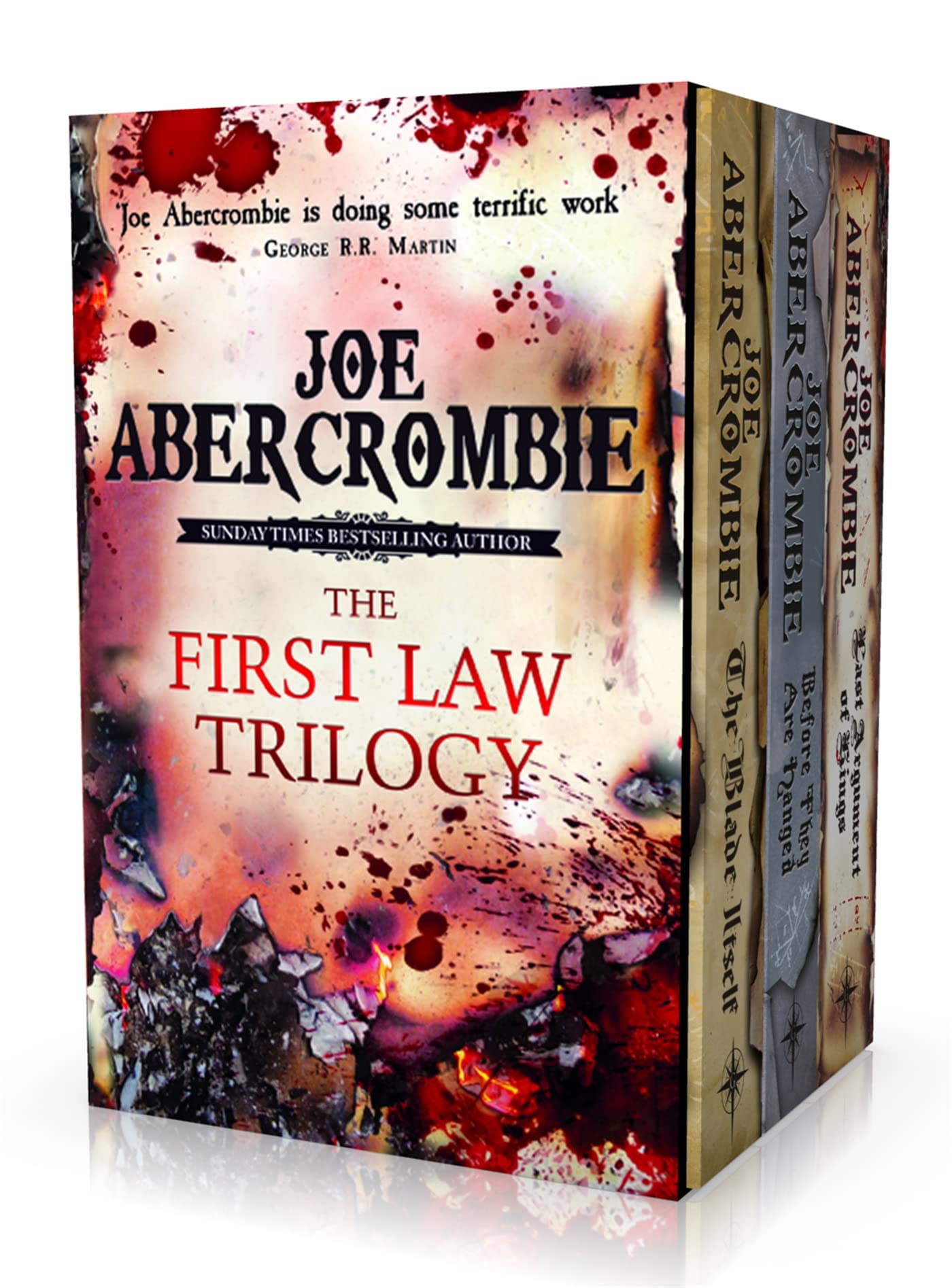
The notable part of this apology is that it would have been easy for Glokta to blame his mother, and most people would not even find it unreasonable. But instead, he accepts the fault was his. He should have verified and reached out. His apology comes with a full understanding and buckets of remorse. Over the next two books, he tries hard to be a much better friend to West by looking after his sister.
Give Us A Minute
So, what does all this mean? What makes a good apology in SFF stand out is time.
Time heals all wounds, and apologies are no different. If we do not see the aftereffects of the apology, then it will always feel rushed.
And if you leave it until your last breath to apologise, you’re probably not all that sorry anyway.