
Heide Goody and Iain Grant know, as a writer, you don’t really want to do the marketing stuff—but they also know you kinda have to. Given they’ve got promo down to a fine art, the author duo share some tips on they’ve done it without cringing.
Watch/listen to Heide read this blog over on our YouTube channel, here.
Here’s the thing. Most of us who write want others to read it. Sharing our stories, that’s what we do.
In years gone by, the grubby business of finding those readers was left to others. The publishing houses, the periodicals or the fanzines. It was someone else’s problem.
As we currently stand, even if you’re traditionally published, there’s an expectation that you’ll promote your work. And for indie authors, it’s all on you.
It doesn’t only feel exhausting—we all just want to get on with writing more words—it can feel distasteful. If you’ve been brought up in the British tradition of self-deprecation and NEVER making a fuss, it can feel very alien.
The Problem
Why does it feel alien to do promo? Because we might be tempted to borrow techniques that we see all around us. We look at the endless stream of ads that hit us in our daily lives and assume that we must adopt those same strategies.
What might that look like? Here’s a few flavours (there are many more):
- Fake urgency: “Almost gone! Last few hours! Be the first to grab this amazing deal!”—the idea of manufactured scarcity can wear thin.
- Guilt / emotional leverage: “This book means everything to me. Please support this.”—your community will want to support you, but it’s easy for this to feel like an unwanted burden.
- Frequency: If a writer’s only interaction with their readership is to urge them to spend money on their latest work, it becomes unbalanced and loses appeal.
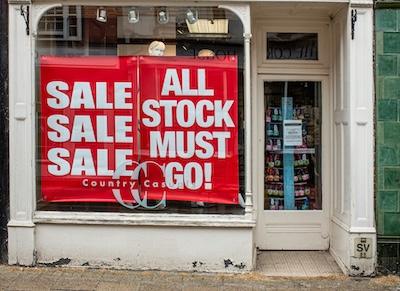
(Photo by Wilhelm Gunkel on Unsplash)
We’ll all do this stuff sooner or later, it’s probably a given. We don’t want to be invisible. But are we asking too much of readers? We want to make them aware that our work exists, but is there a danger that we put too much responsibility onto them? That they feel the pressure of ensuring our book’s success?
So, as writers we feel uncomfortable when we put that burden on the reader. It’s assumed that the transaction flows in a single direction.
But what if it didn’t need to do that?
What if we could be generous when it comes to promo?
The Thought
We have a head start, here in the BFS. We are all members of the same community. We have a rich shared history. What’s more, we meet up at various events, both online and in real life.
You have a head start if you already engage with that community. You are banking social capital!
But it also means that you are very familiar with your audience. You know what they like. You know what they want. You know what they need.
So focus on those things, and imagine ways in which you can give them something.
The Experiment
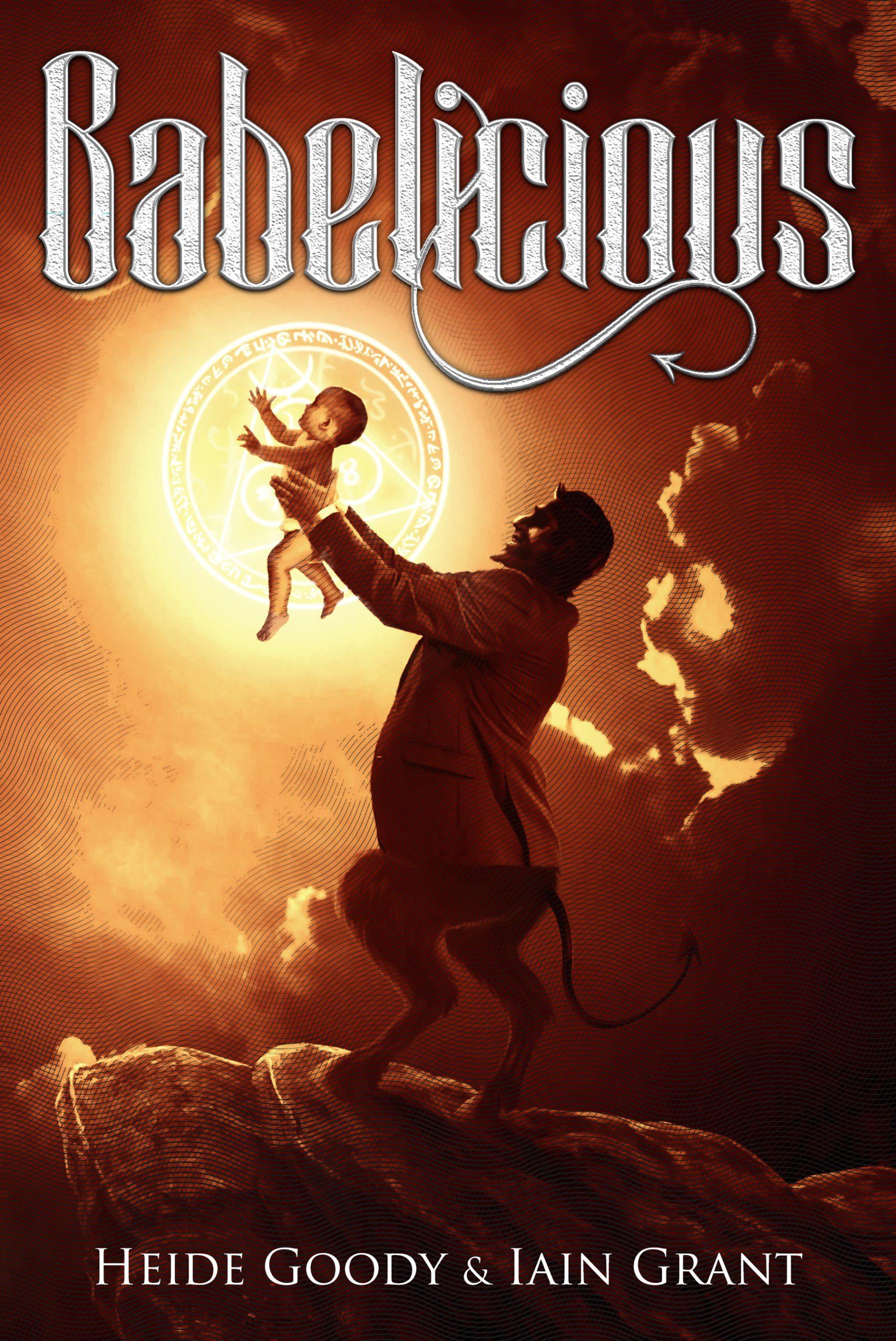
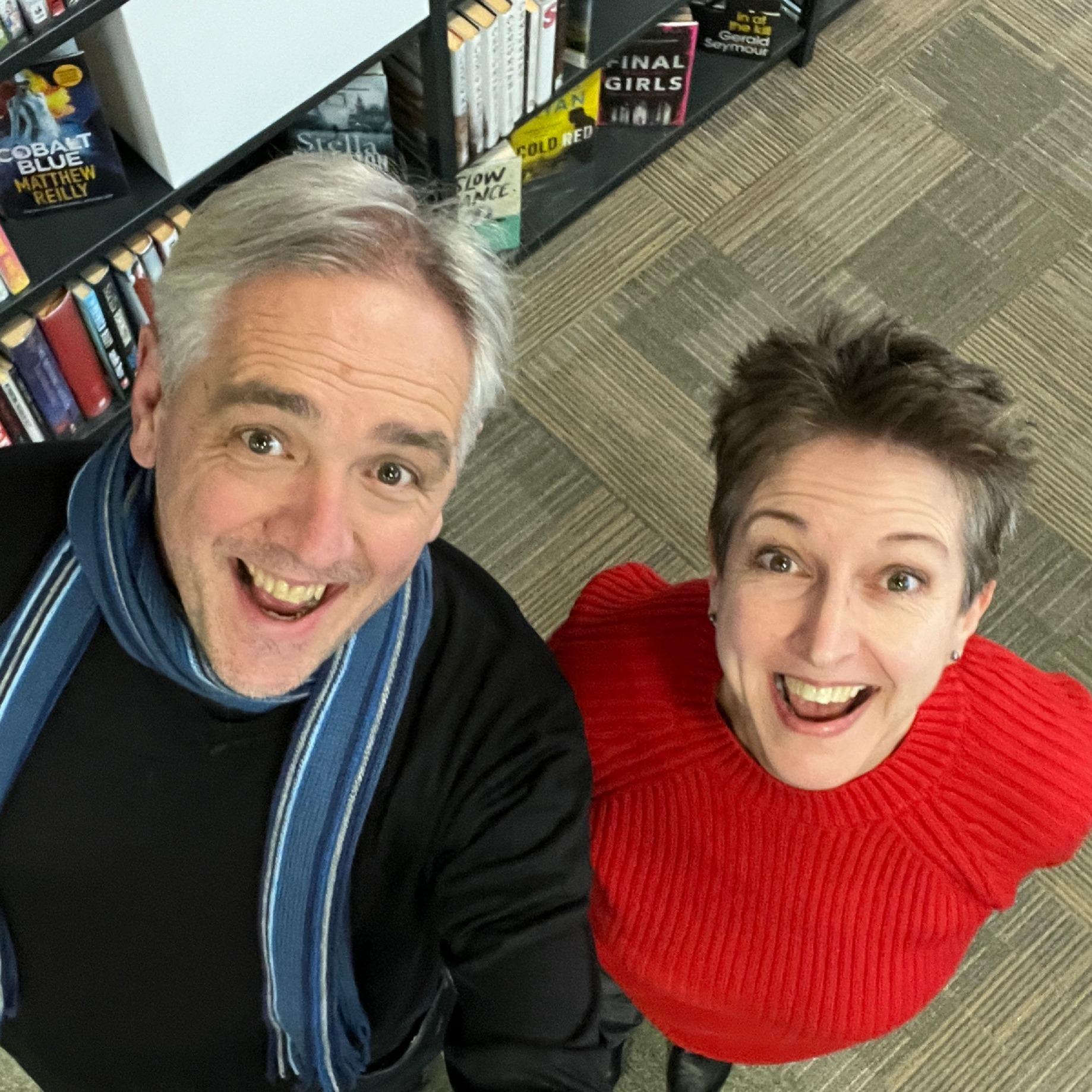
Heide Goody and Iain Grant. If you know us at all, you know that we write together. You might know that we like to mess about and make funny social media content. If you know our books at all, you might go, “Oh yeah, they have that series where Satan’s made redundant from Hell and sent to live in Birmingham. What’s it called? Clovenhoof.”
There are a lot of books in the Clovenhoof series, so getting eyes on book ten might have been an uphill struggle, but we came up with an idea. It was the collision of two thoughts.
- World Fantasycon was happening at Brighton.
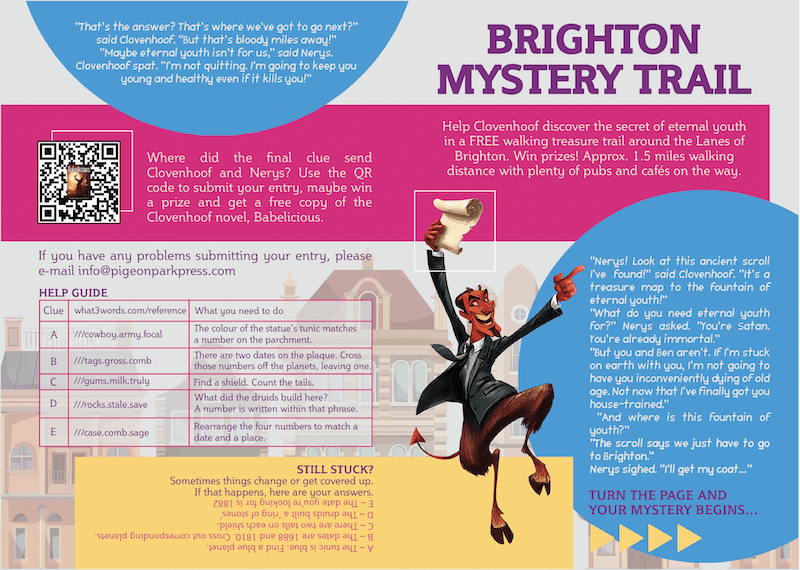
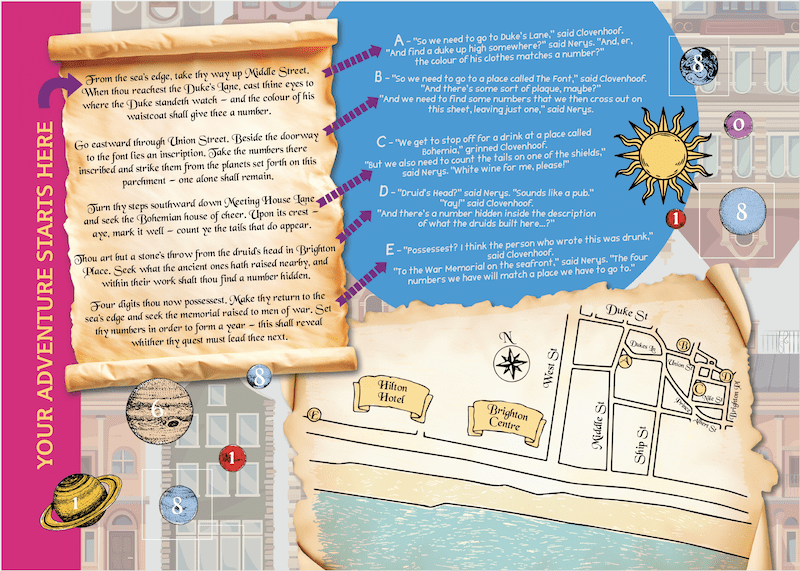
- Both Heide and Iain have enjoyed following the city-based mystery trails that are available for many UK cities—they are little booklets that cost around £20 and they take you on a journey around the city centre, solving clues that can be found in the environment.
And of course, thought number 3 was being generous to the convention community.
What if we could make one of these for Brighton? What if it offered a prize for solving the mystery, which was an electronic copy of the book, Babelicious? Might it get attendees to read our book and think about nominating it for a BFS award?
It appealed to us in so many ways that we knew we had to do it.
We travelled to Brighton and took a great many photos. There’s the danger that clues might be moved or covered up, so we were looking for things in the environment that would still be there when the convention was on. And then we had to create a mystery that navigated a looping route that began and ended at the convention hotel.
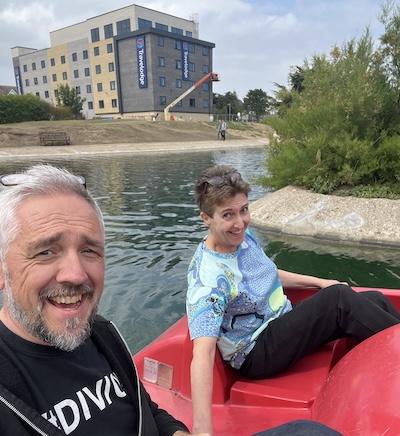
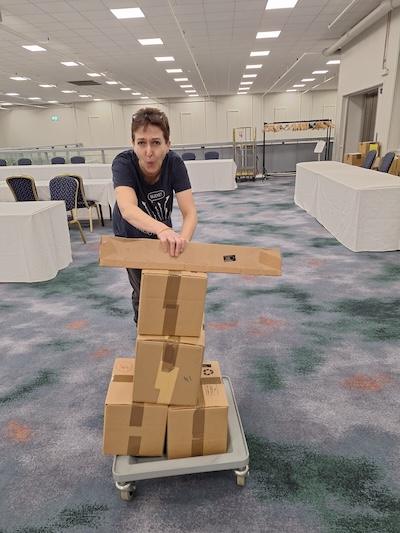
(Pictured above: Heide and Iain pedalling to Brighton; pictured right: Heide stuffing goody bags in Brighton)
We scrawled ideas on paper and argued about the puzzles. Eventually we had what we wanted and we had to part with some money:
- We paid a graphic designer to make the leaflet look good
- We paid to have a thousand copies printed
And then all we had to do was turn up at the convention in time to help stuff a thousand goody bags.
What Worked
It was an enjoyable project to do. We are writers who love a creative challenge, and setting a mystery in three dimensions across a city was a wonderful thing to do.
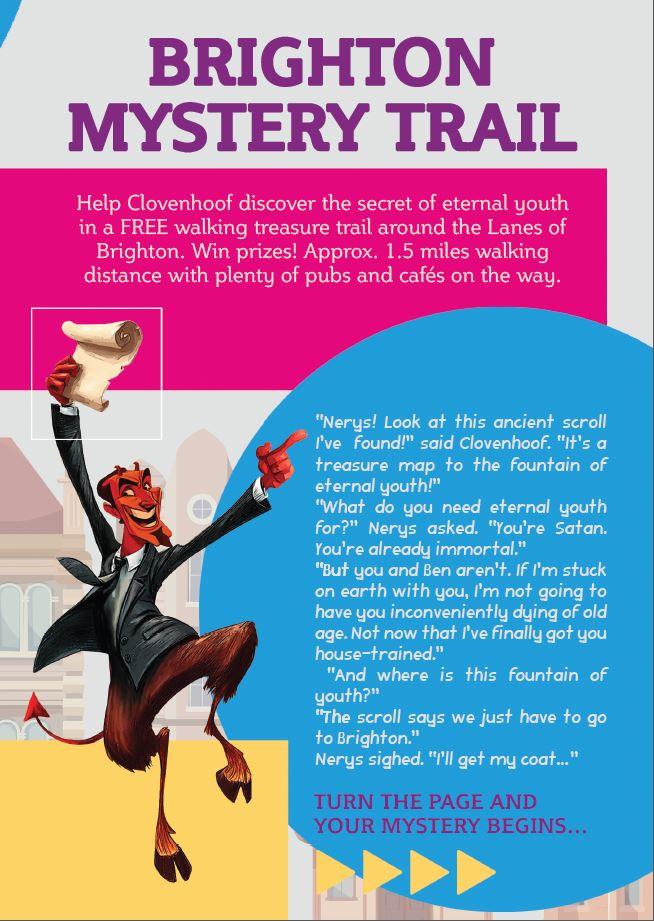
The design of the leaflet was playful and perfectly echoed the tone of the book (see the full thing at the bottom of this page). It had a QR code for entering the competition and claiming the prize. It worked perfectly and we were very proud of it.
We heard a great many people expressing admiration and appreciation for the idea across the course of the convention. It was unlike anything else in the goody bag.
What We Learned
We allowed ourselves a small budget to create this, and we consider it money well spent.
When it comes to future promo opportunities, we will build on the same thinking.
Offering something that’s of value to readers is not an original thought, but the execution was original to us, and yours will be too.
How You Can Use This Idea
There are some commonly used ideas that many writers use. A free short story that leads to your book—called a Reader Magnet—is a common one.
But we’d suggest that you apply generosity as a general principle. Look at what your readers want and need, and how you might be uniquely positioned to fill any gap that you spot. We’re all creative people, so apply that thinking to the challenge of getting eyes on your work.
And keep an eye out for the people who are already doing this and show them some appreciation. You’ll know who they are. People who give to the community more than they take. Watch what they’re doing and find your own flavour.