Every Friday, we meet a member of the BFS and peer deep into their soul (or, at least, a form they filled out). Want to be featured? Email us: online@britishfantasysociety.org
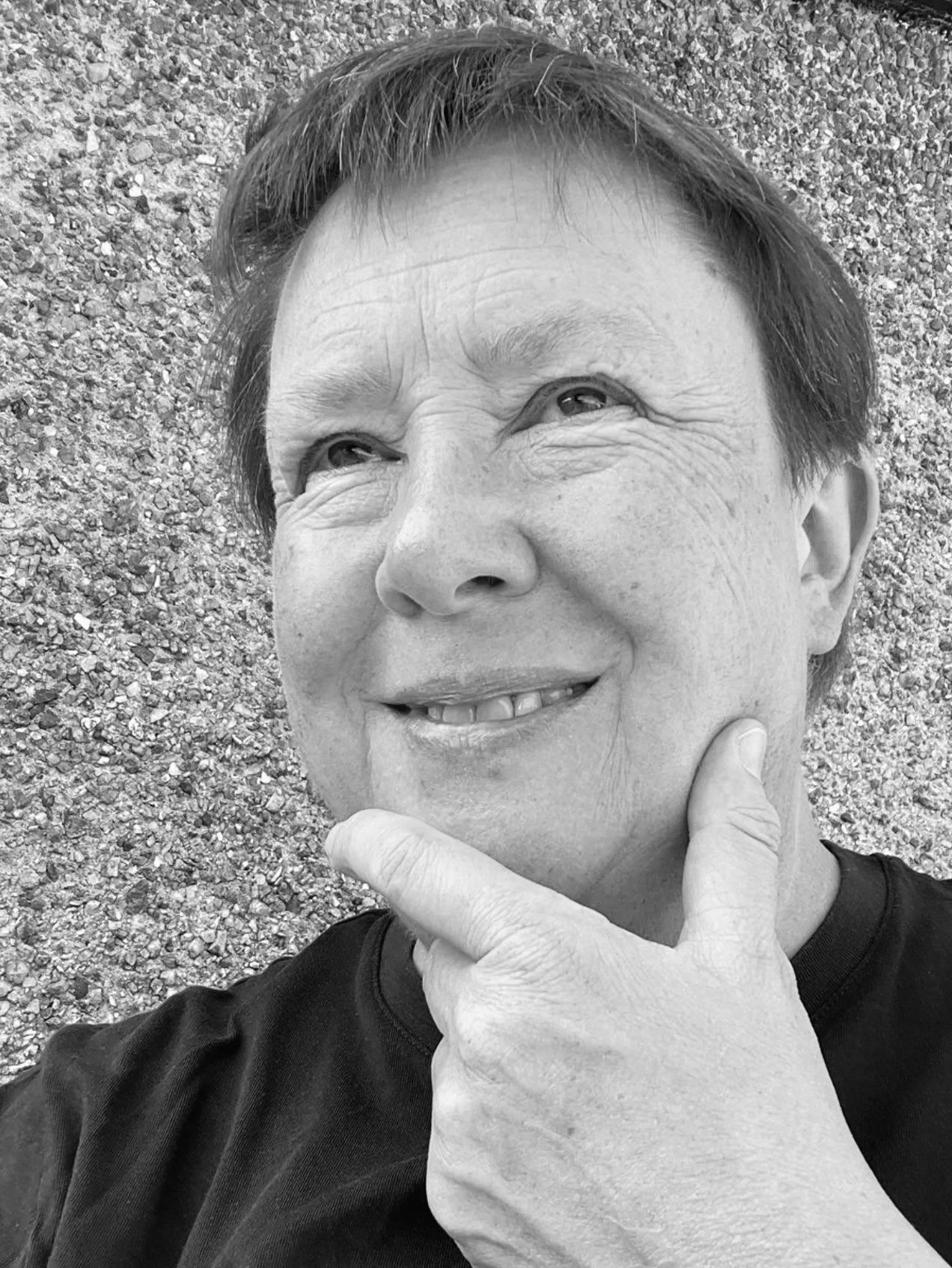
Name:
SJ Groenewegen (she/her, they/them, SJ)
Which region are you based in?
Scotland
If you write, which genre:
Sci-fi of the fantastical type, often with a touch of horror
Are you drawn to any specific SFFH sub-genres?
Political science fiction, spec fic, dystopian, military SF – all with a queer, neurodiverse, and intersectional feminist bent. I also often enjoy a touch of horror and weird.
Your influences
Tell us about the book/film/thing that got you into SFFH: What was it? How old were you? What impact did it have on you?
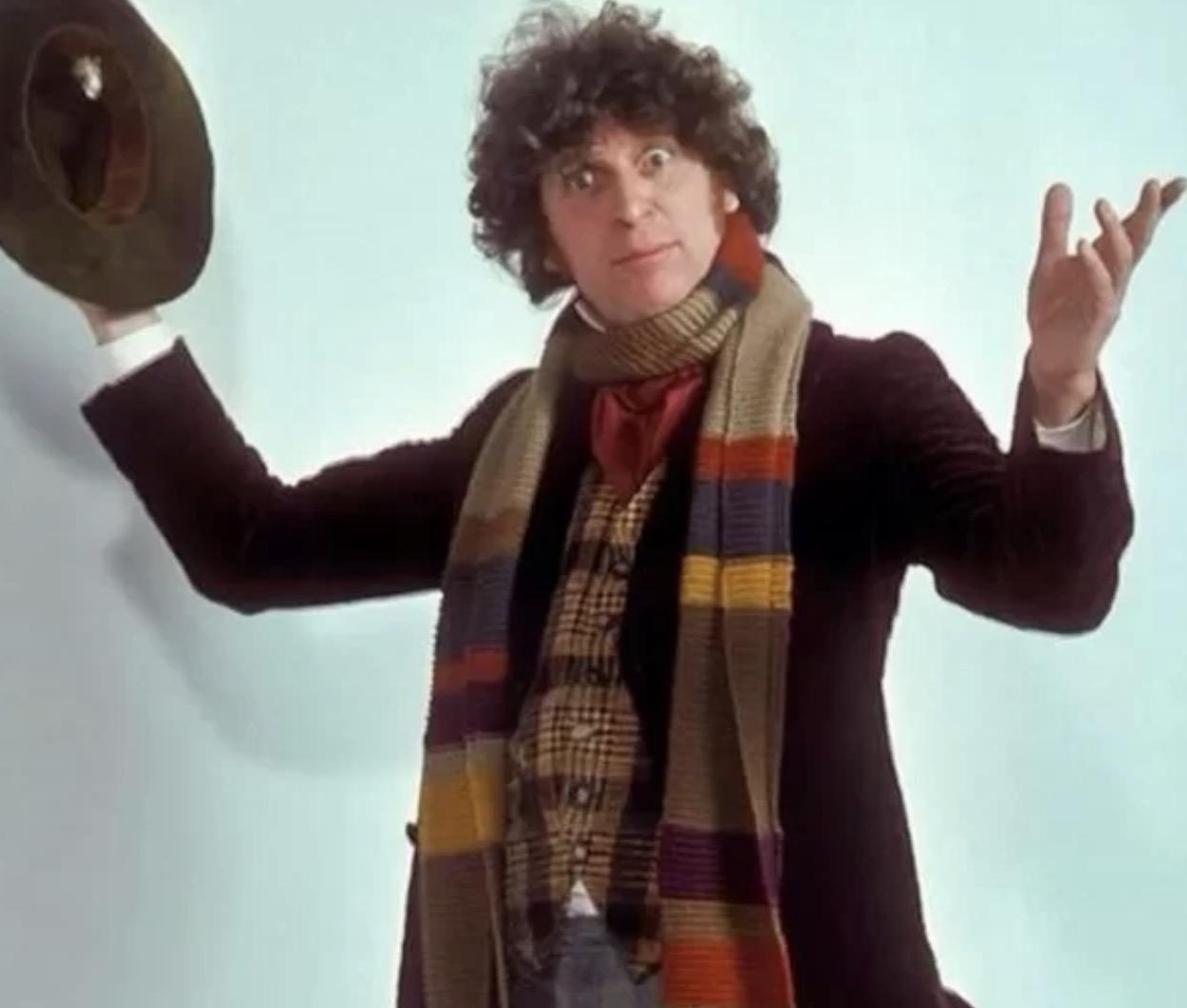
My parents didn’t like SFFH, but when I was a toddler we had a cousin 10 years my senior stay over. They had a few issues, but would calm down when watching SF on the TV. This was in the late 1960s, early 1970s, in Australia, so it was all Star Trek TOS, My Favorite Martian, Lost in Space… and Doctor Who. Let’s just say, my parents reconciled themselves to the fact that I never grew out of Doctor Who. In fact, my dad was quite proud of my first novel, which … oh. I’m getting a little ahead of myself.
How does that early influence show up for you (in life/writing/agenting/publishing/editing/reading) now?
My love of Doctor Who introduced me to SFFH fandom in Australia. I was making my own fanzines as a young teen in the early 1980s, and eventually ended up researching and writing about the series for a post-graduate degree. That introduced me to a whole bunch of Doctor Who fans in the UK, many of whom were breaking into comics, and other SFFH writing ventures, as well as licensed Doctor Who tie-ins – my first paid short story to be published was in the first Big Finish anthology, Short Trips: Zodiac. So, my entry into professional writing was entirely down to that early influence.
Where do you draw your creative inspiration from?
Not just Doctor Who 🙂
TV series – and not only SFFH, but crime fiction and historical dramas. I love documentaries and non-fiction books and articles. Among my favourite documentary hosts are Alice Roberts, Lucy Worsley and David Olusoga. There is tremendous inspiration to be drawn from looking at the details of past oddities and mysteries.
I also like watching old tv series and movies as glimpses into the past.
And people watching. Real people, out and about. Catching snippets of conversations and observing quirks of total strangers are all inspirations that make characters live on the page.
Who do you look to as a genre hero? Why?
I can’t name just one. Nicola Griffith is a long-time inspiration in terms of writing craft. Ken MacLeod, Emma Newman and Adrian Tchaikovsky are all generous and inspiring.
Your Work
You’re stuck in an elevator for 60 seconds with that hero, and they want you to describe your work. Give us the pitch.
Intersectional, queer, feminist political science fiction that explores how people work their way through insurmountable odds for a better life. Usually contains oddball humour, but it’s not a comedy. Can get quite dark.
What are you working on right now?
For commissioned or accepted work, I’m editing a short story for an anthology and starting writing a novel. I can’t say much just yet because neither have been announced.
For on-spec work, I have a few short stories in the submission grind, a novel querying agents, another novel I’m preparing to query agents, and a novel on hold because paid work comes first.
Thinking about all the stories/work you’ve done, what sticks out most in your mind? Why?
Writing is my life – I love exploring people in our/their diversity, and in situations that seem impossible. At times, writing can be cathartic, but it’s more than that.
Where and when do you create / are you at your most creative?
First thing in the morning is best, but I can write at any time, really. I love writing and thinking while on long train journeys, for example. It’s one reason why I love writing by hand in notebooks.
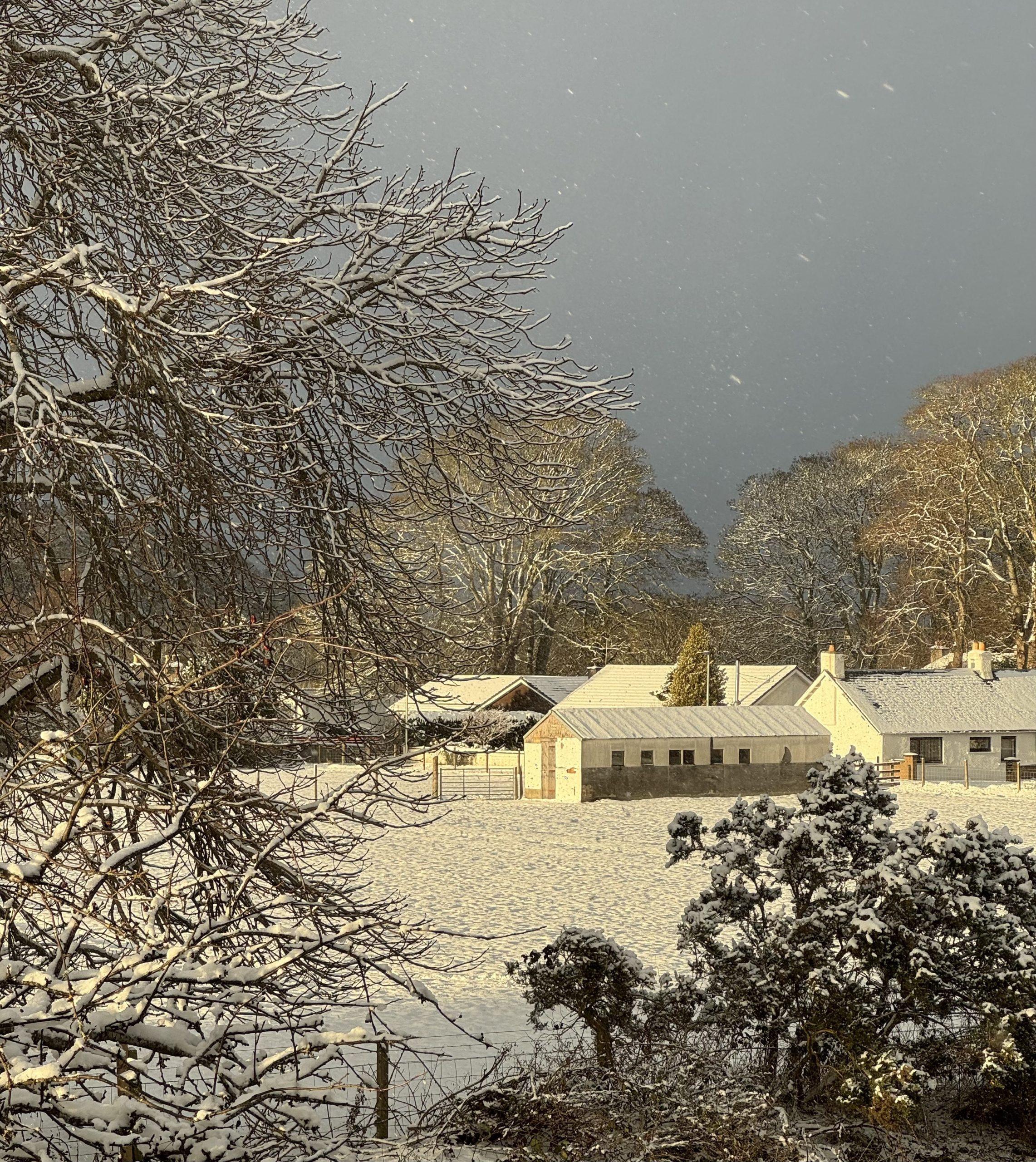
(pictured: the winter view from SJ’s office)
What’s the best advice you’ve received about creativity?
This doesn’t work for everyone, and that’s cool, but it does work for me: first draft is exploratory and it’s good to make mistakes and weird notes to self, to experiment. Editing is where the story takes shape and gets polished to be its best self, and it’s a collaborative process. Good editors (of all types) are brilliant.
What’s your writing soundtrack?
Depends on the project – I do pull together songs and music into a compilation set.
The Quick-Fire Round
Sci-fi, fantasy or horror?
Blend
Quiet or loud?
Quiet
Dark or light?
Dark
Strict lines or genre blend?
Genre blend
Awards or bestseller?
Awards, I guess
Fiction or non-fiction?
Non-fiction
Poetry or prose?
Prose
Plotter or pantser?
Depends on the project
Reading or listening?
Reading
Notebook or computer?
Notebook
Favourite SFFH book of all time?
I don’t have one
Last book you read?
Project Hanuman by Stewart Hotston and 1966: The Year the Decade Exploded by Jon Savage. (I’m usually reading both a non-fic and fic book at the same time.)
Any SFFH author on auto-buy?
Nicola Griffith
Favourite podcast?
Fantasy Book Swap, by Ali Baker
The Home Stretch
What’s the best thing about being part of the SFFH community?
We share a lot more than we differ, and (apart from a relative few) those differences are interesting. We are community. I love SFFH fan-run conventions – it’s no exaggeration to say they are responsible for several of my found families.
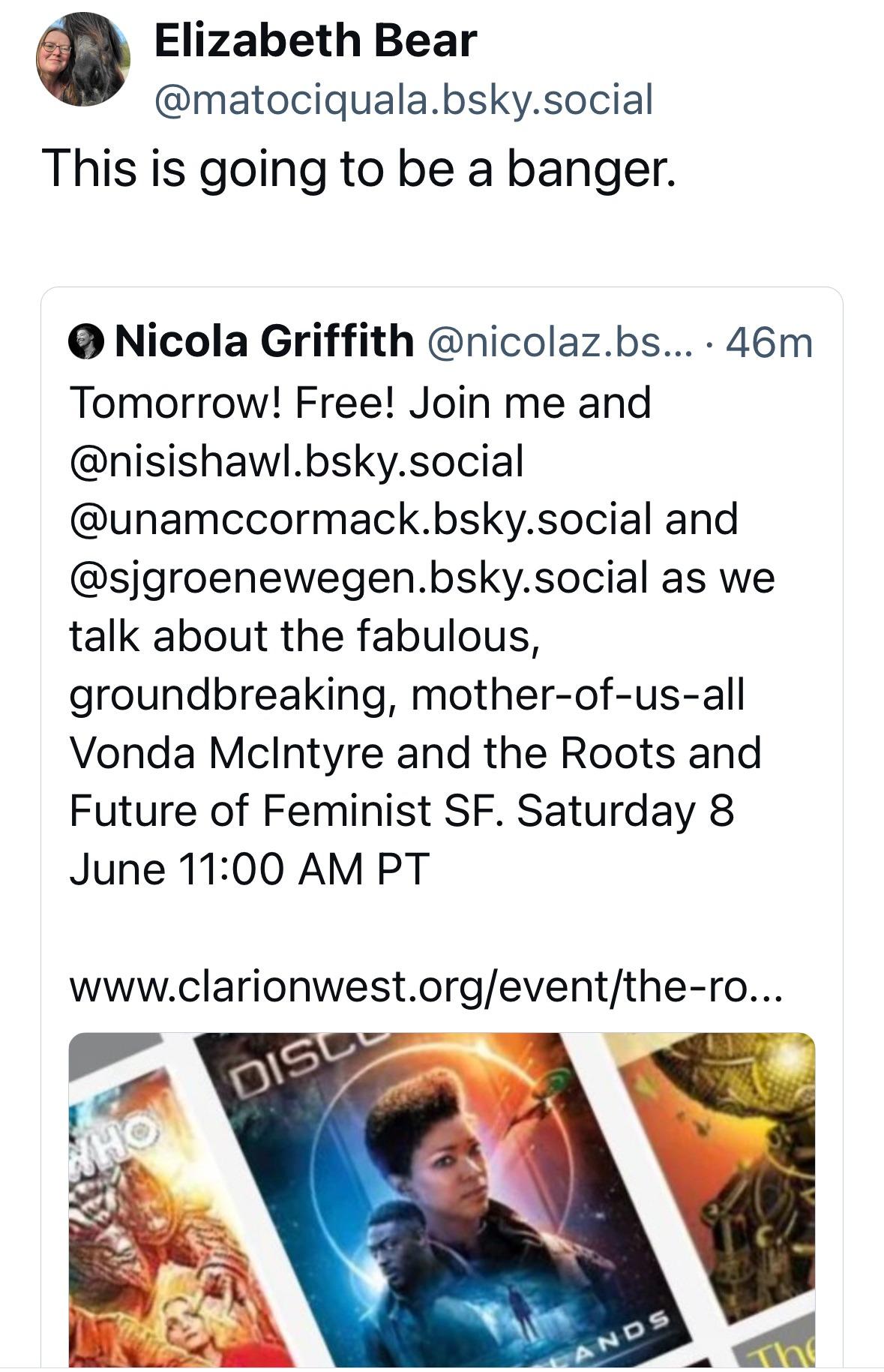
(Pictured: A screen-grab about an online talk SJ did with Nicola Griffith, Nisi Shawl and Una McCormack about Vonda McIntyre for Clarion West.)
Time to plug your stuff! Where can we find you and your work? What have you got coming up? Consider this your advertising space.
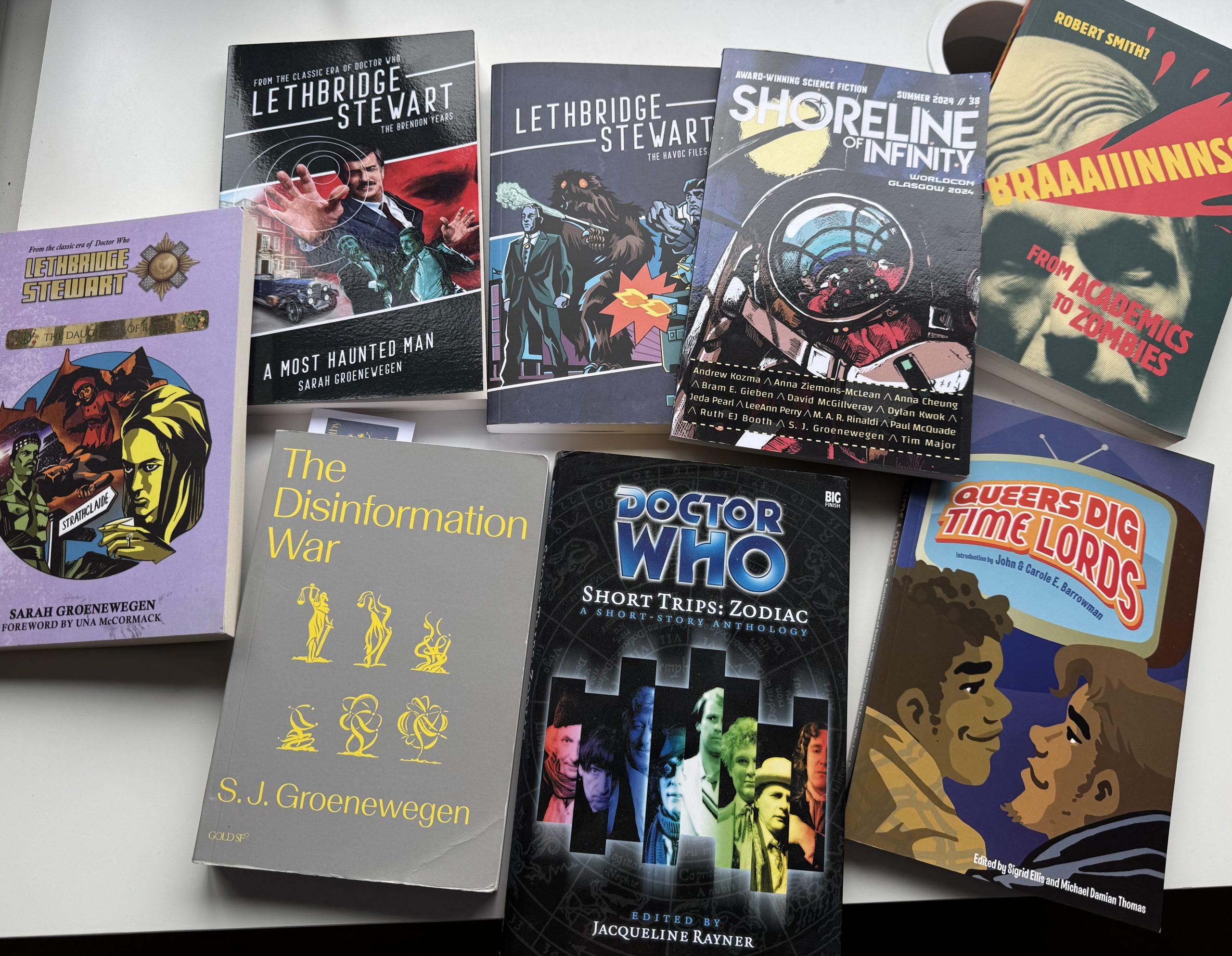
My website has a list of my publication which have links to where they are available to buy: https://www.sjgroenewegen.co.uk/publications
Leave a Reply