The winners of the British Fantasy Awards 2026 were announced at Fantasycon. Find out all the details on our blog.
For all things fantasy, horror, and speculative fiction
-
Announcement:
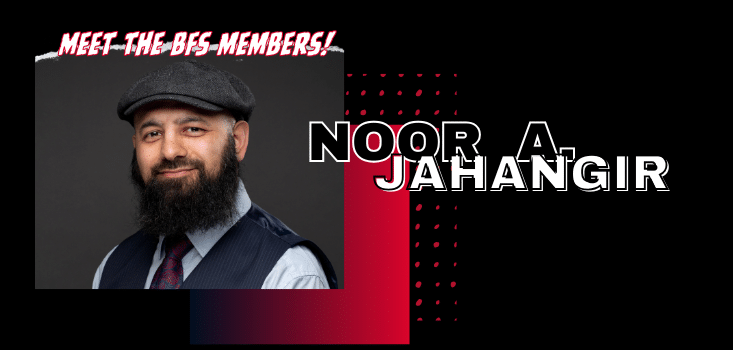
Meet Noor A Jahangir
Every Friday, we meet a member of the BFS and peer deep into their soul (or, at least, a form they filled out). Want to be featured? Email us: content@britishfantasysociety.org
Name, including preferred pronouns:
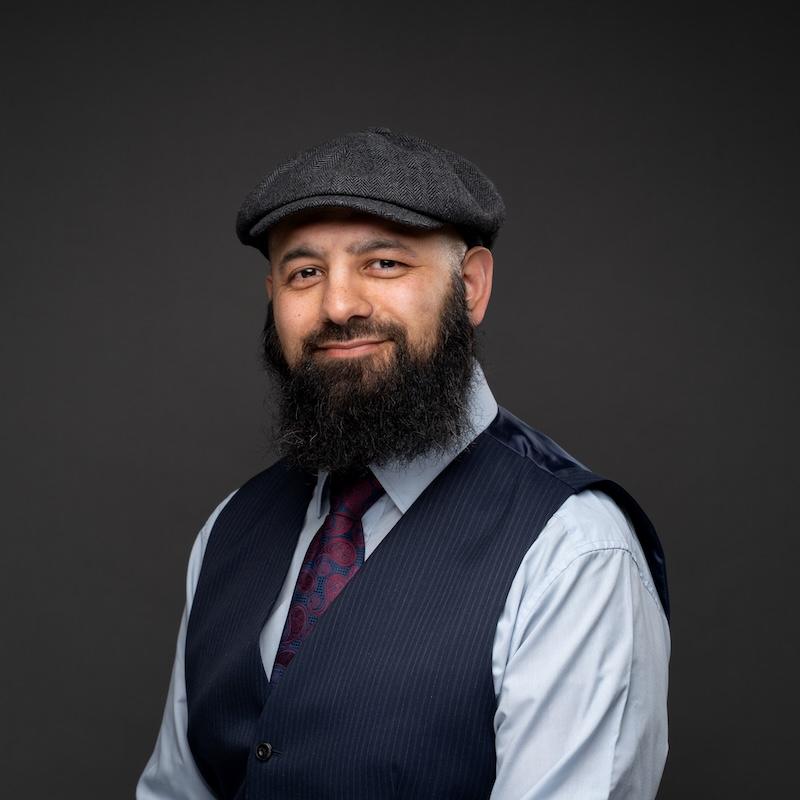
Noor A Jahangir
Which region are you based in?
Lancashire, England
If you write, which genre:
SciFi and fantasy
Are you drawn to any specific SFFH sub-genres?
Currently drawn to writing Muslim Fantasy
Your Influences
Tell us about the book/film/thing that got you into SFFH: What was it? How old were you? What impact did it have on you?
I think it was Star Wars on television in the 1980s that gave me my first taste of SFFH, and to this day it is beloved to me. I think I’m one of the few people that even likes the crap films and TV series, simply because they are Star Wars.

However, my true moment of inspiration came when my Year 3 (Class 6 for those of you also from the last century) teacher Mrs Bracewell read The Lion, the Witch and the Wardrobe to us. That lit a fire in me. I started reading voraciously from that point, working first through the Chronicles of Narnia, Tintin, Famous Five, Chronicles of Prydian and then stuff by Alan Garner, Andre Norton, Steve Jackson and Ian Livingstone, before moving onto the Dragonlance books and Forgotten Realms. I was about 10 when I read my first David Gemmell, and about 13 when I started reading Raymond Feist, David Eddings, Melanie Rawn and Janny Wurts. These later writers were just as influential to me as C. S. Lewis. I didn’t read Tolkien properly until I was in university.
How does that early influence show up for you (in life/writing/agenting/publishing/editing/reading) now?
Most of my fantasy worlds tend to be portal fantasies. As a Muslim writer, I have to try and balance my faith with my speculative fiction. The origins of the human species for me is our planet and therefore, if humans are going to appear in other worlds, they have to have originated on earth. Star Wars references tend to creep into my writing (usually on purpose), but I think my visual style of writing comes from the influence of space opera, swashbucklers, and sword and sandal epics. I love a good fight scene, and I quite often have to check myself to ensure that I haven’t just written a David Gemmell fight scene. But more than that, David Gemmell was a master at creating flawed but relatable characters, and that’s something I aspire to. I also feel the influence of Raymond Feist’s grand storytelling and big stakes, but told through the individual story arcs of characters like Pug, Jimmy the Hand and Prince Arutha. More recently, Adrian Tchaikovsky’s love for zoology has been rubbing off on me, and I have been introducing all sorts of creatures into my stories.
Where do you draw your creative inspiration from?
My current works are based on the old Arabian Nights stories, but I find any well-told story—whether its a TV show, a film, a book or even a video game—can give me that creative itch. Often my ideas come from vivid dreams that still cling to me after I wake up. Sometimes, a whole storyline will just pop into my head. Most recently, I watched Laika Studios’ film Wildwood and that gave me a terrible case of needing to note down some ideas, though I didn’t because I’m paranoid that the SWAT team will burst out of nowhere and grab me for pulling out my phone during a film.
Who do you look to as a genre hero? Why?
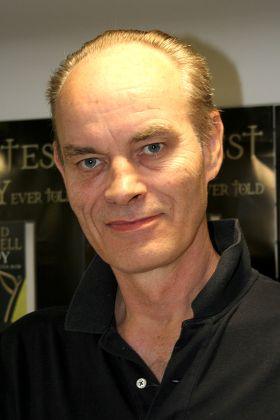
I think David Gemmell (pictured; source) doesn’t get enough credit for how much influence he’s had on my generation of writers. I think after Tolkien, he is probably the next giant of British Fantasy. In terms of Muslim fantasy, I have to give credit to G. Willow Wilson and Shannon Chakraborty. Between them, they have brought Muslim fantasy to the masses. Also, Adrian Tchaikovsky for his work ethic. He really embodies that ‘write every day’ mantra that many preach.
Your Work
You’re stuck in an elevator for 60 seconds with that hero, and they want you to describe your work. Give us the pitch.
It’s Arabian Nights styled fantasy, but written like a historical novel with elements of the fantastic sprinkled in. It’s like the City of Brass but more based and set during the Golden Age of Islam.
What are you working on right now?
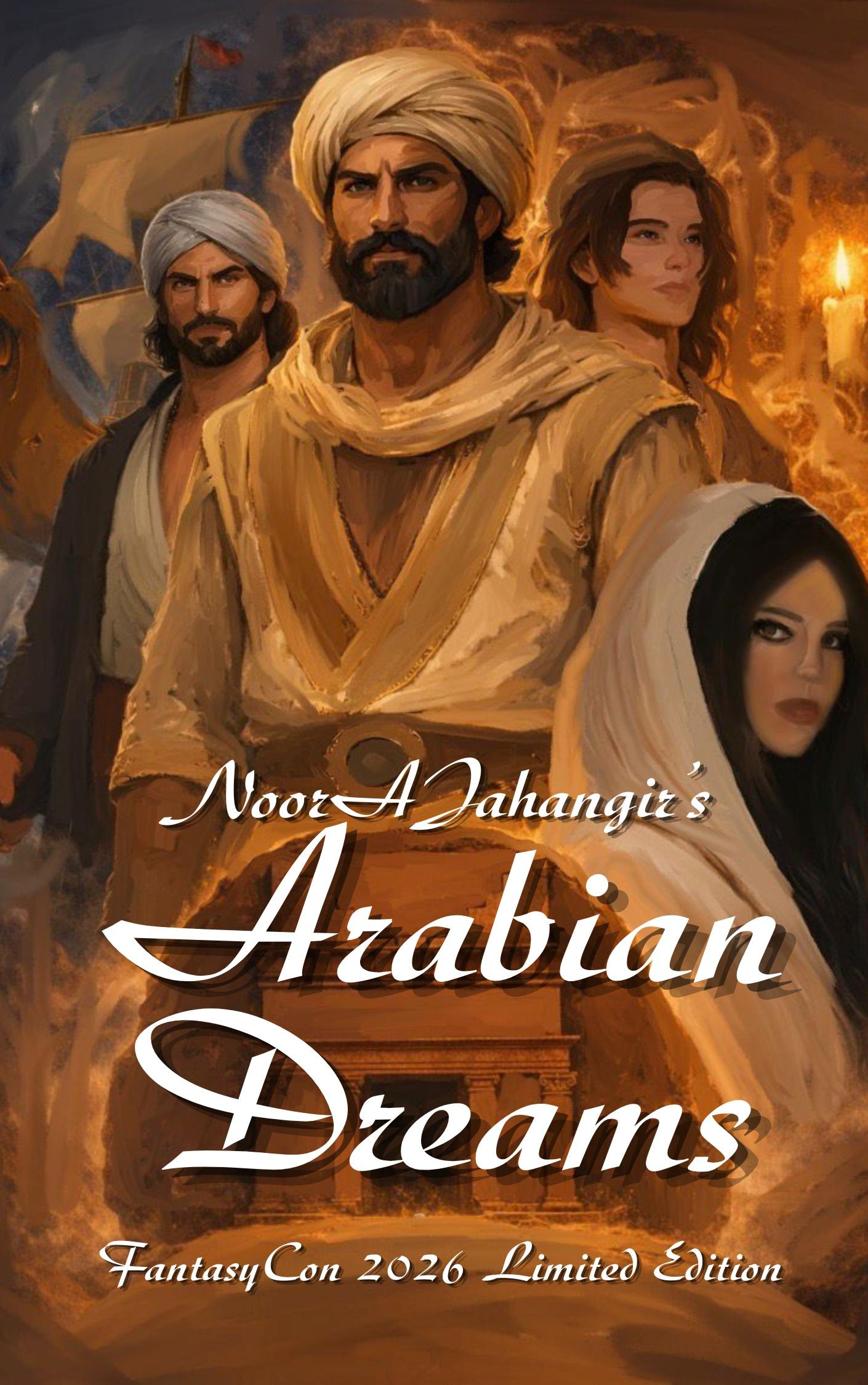
I’m working on the sequel to my recently-released Arabian Dreams. It’s titled Sinbad and is a retelling of his Seven Voyages, set during the Abbasid period (8th Century). It’s told in that same historical fiction style, but there are fantastical elements like djinn, rocs and cyclops.
Thinking about all the stories/work you’ve done, what sticks out most in your mind? Why?
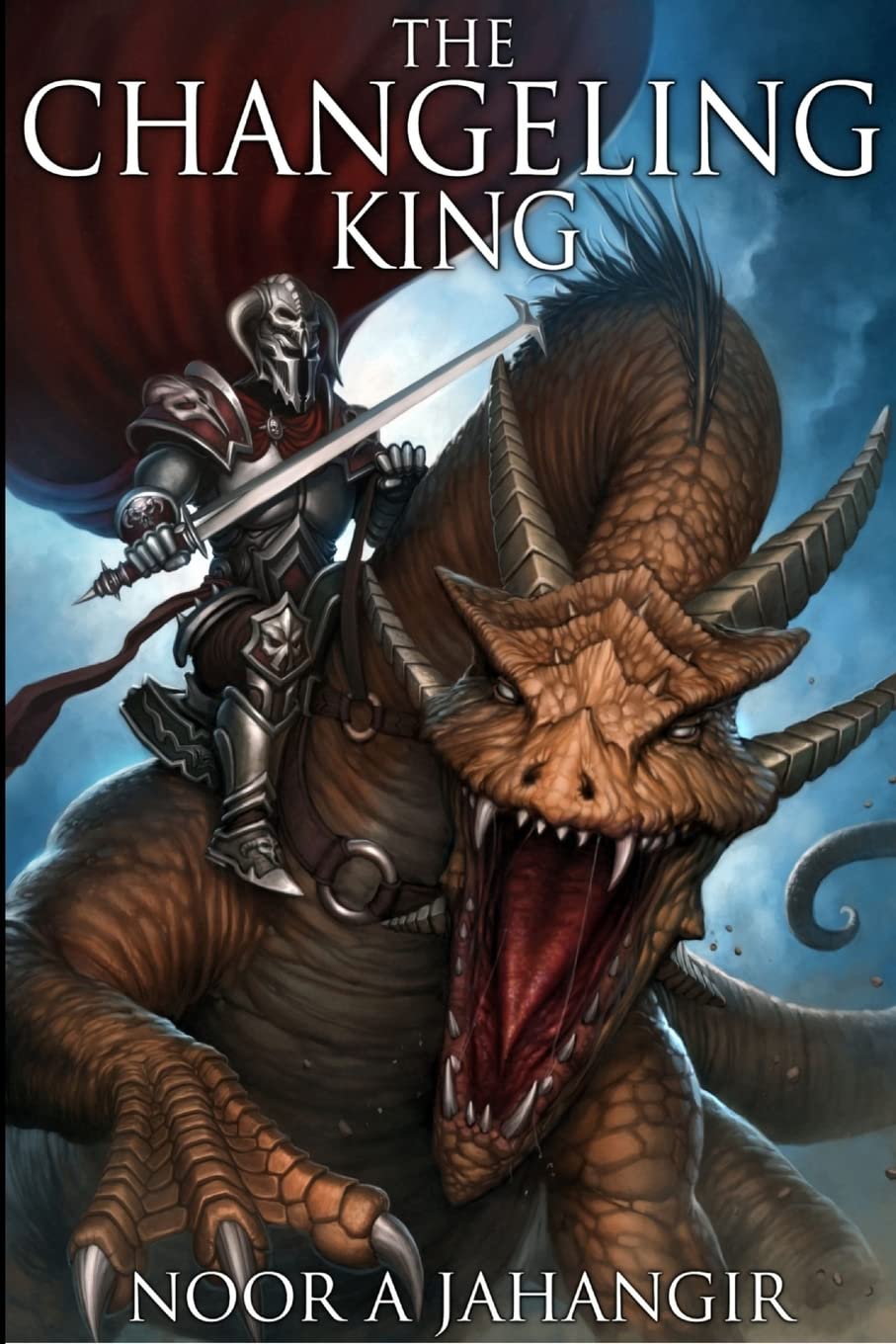
For a long time, The Changeling King has been the book that defined me as a writer. It was my first novel and I poured a lot of my teenage angst into it. It was also my school, because I honed my writing skills and tools on that first novel. I wrote it when I was 14. I rewrote it so many times that I lost count of how many drafts I did (between 8-10). No matter what else I write, The Changeling King will always be part of me.
Where and when do you create/are you at your most creative?
I think I’m at my most creative in the morning, but unfortunately, I have a “real” job too. I write in the evening mostly, from 7.30pm to 9pm. I have a desk, but I’d rather sit on the sofa with the laptop in my lap.
What’s the best advice you’ve received about creativity?
Janny Wurts once told me that my book wasn’t ready yet. I wasn’t ready to hear it at the time, but she was right. Writing is something that develops with time and personal experience. If the first book doesn’t land, or the second, third, fourth, fifth—just keep going. Eventually you will write something that strikes a chord with the audience, the agent and the publishers. It hasn’t happened for me yet, but that doesn’t stop me from writing and honing my craft.
What’s your writing soundtrack?
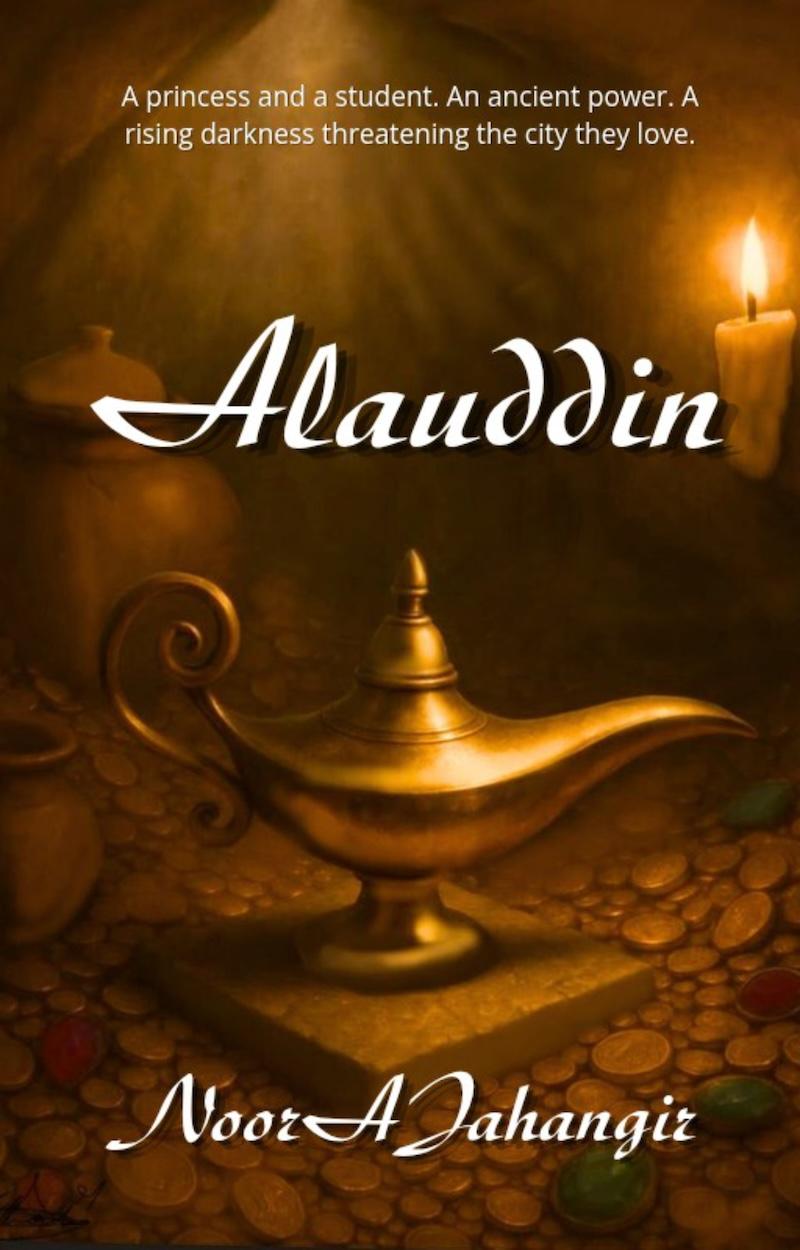
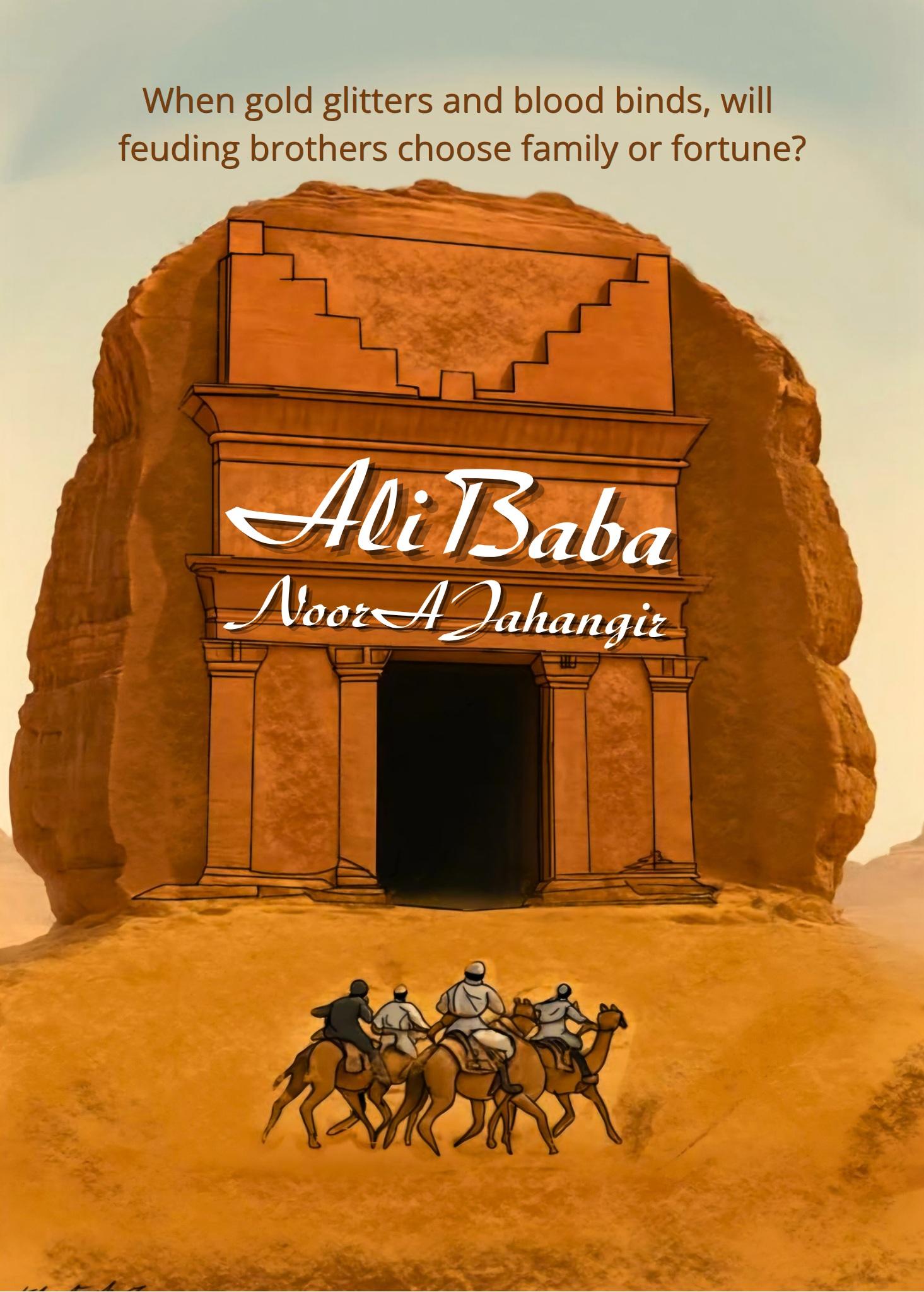
I tend to live in my mind a lot so I tend to tune everything out. But when the words are not flowing, I recently discovered epic Arabic nasheeds. I don’t understand all the words they are saying but it stirs something in my soul. That said, when I was writing Alauddin for the Arabian Dreams book, I was singing the Disney Aladdin songs as I wrote: “Prince Ali fabulous he, Ali-a-Baba …”
The Quick Fire Round
Sci-fi, fantasy or horror?
Fantasy books, scifi films
Quiet or loud?
Quiet
Dark or light?
Dark
Strict lines or genre blend?
Genre blend
Awards or bestseller?
Bestsellers
Fiction or non-fiction?
Fiction
Poetry or prose?
Prose
Plotter or pantser?
Half and half
Reading or listening?
Reading … mainly
Notebook or computer?
Each has their place
Favourite SFFH book of all time?
Magician (Raymond Fiest)
Last book you read?
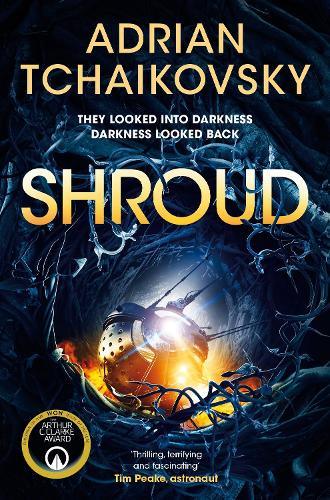
Adrian Tchaikovsky’s Shroud
Any SFFH author on auto-buy?
David Gemmell and Adrian Tchaikovsky
Favourite podcast?
BFS Long Story Short (of course!)
The Home Stretch
What’s the best thing about being part of the SFFH community?
The sense of community and the nerdy conversations.
Time to plug your stuff! Where can we find you and your work? What have you got coming up? Consider this your advertising space.
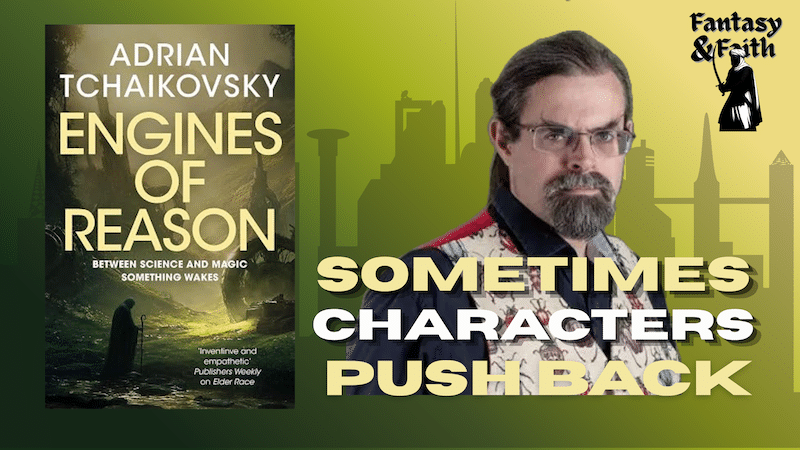
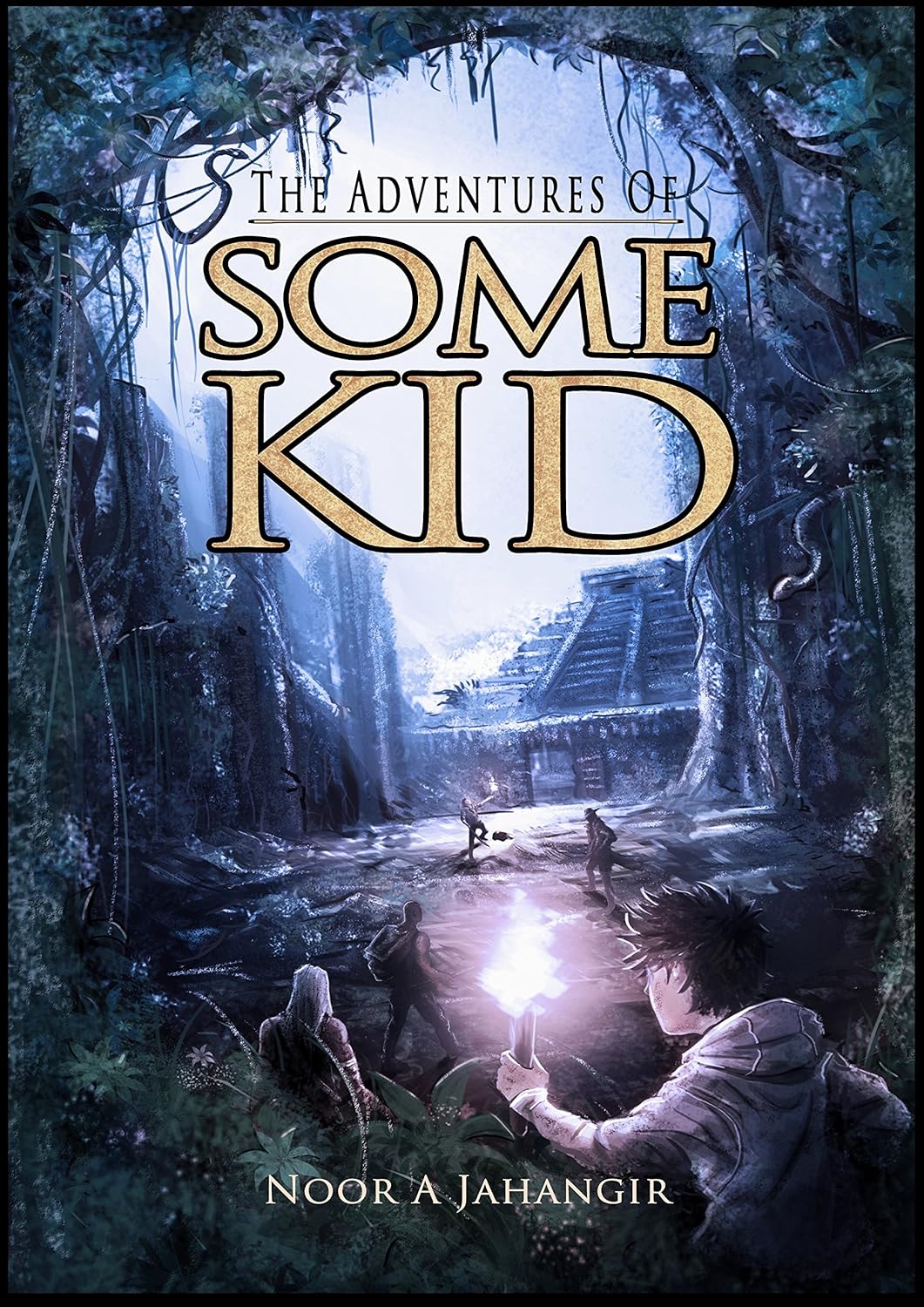
Arabian Dreams is out in paperback and Kindle format on 27 November 2026 (next week!) from Amazon. The individual stories, Alauddin and Ali Baba, as well as The Changeling King and the Adventures of Some Kid, are widely available on all ebook platforms. I also host the Fantasy and Faith podcast on YouTube, and my most recent guest was Adrian Tchaikovsky. New episodes come out fortnightly. More details on my website, trollking.co.uk.
Leave a Reply