Every Friday, we meet a member of the BFS and peer deep into their soul (or, at least, a form they filled out). Want to be featured? Email us: online@britishfantasysociety.org
Name:
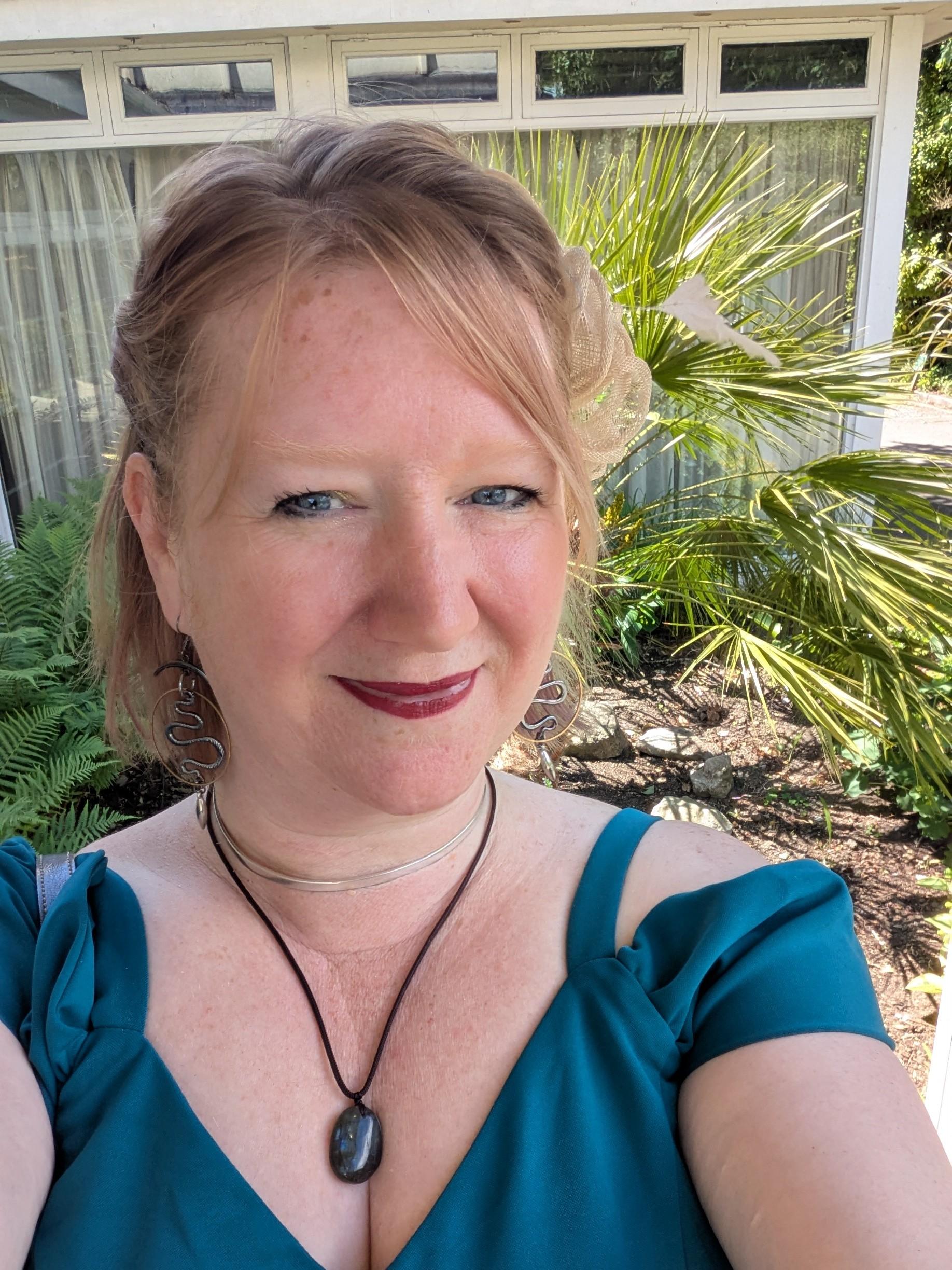
Laura Langrish (she/her)
Which region are you based in?
New Forest
If you write, which genre:
Horror and weird fiction, specifically for immersive, interactive theatre
If you don’t write, what do you do?
I’m also a teacher
Are you drawn to any specific SFFH sub-genres?
I love books and I tend to read mostly horror but on the side of ghost stories and strange occurrences—I’m not a huge fan of body horror; I don’t mind it when it adds to the story, it just wouldn’t be thing I pick it up for.
I’m a sucker for gothic tropes, crumbling castles, the quintessential woman whose hair flows beautifully as she runs across the moor in the wind that magically does not blow out her candle. That said, I also like modern magical realism, and if it fits under the SFFH umbrella and it’s been recommended by other writers or one of my team, I’ll probably read it.
Your influences
Tell us about the book/film/thing that got you into SFFH: What was it? How old were you? What impact did it have on you?
I have a very strong recollection of being about 9 or 10 and visiting my cousins. My eldest cousin introduced me to Point Horror, gifting me a copy of Trick or Treat by Richie Tankersley Cusick. I devoured everything I could from the series and then found my mum’s stash of Stephen King. Things progressed from there!
At age 11 I had a TV in my room, and I watched late night horror that I should definitely not have. Silence of the Lambs had a significant effect on my young mind, but Poltergeist was my undoing; I was scared enough that I put the TV outside of my room that night, which was a dead giveaway to my mum.
As I grew older, I branched out a little, discovering Poe, Lovecraft and M R James which I loved. I adored (and still do) the slow creeping horror, the inevitability, and even more that these tightly crafted short stories gave just a slice of life. You didn’t know everything about the character, or even the setting, but the focus was on the interactions between them and the responses to the threat or evil.
How does that early influence show up for you (in life/writing/agenting/publishing/editing/reading) now?
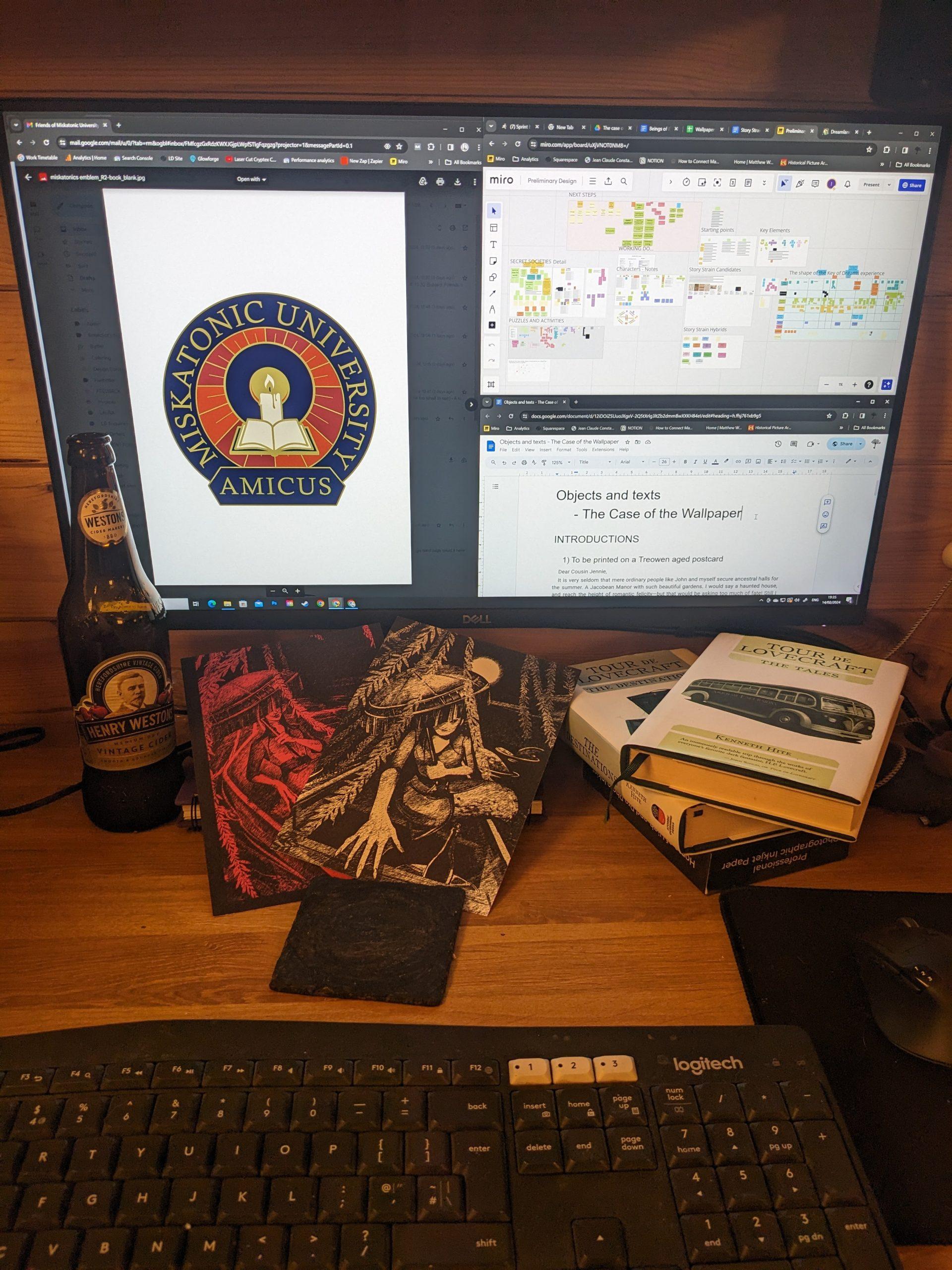
(Pictured below: Laura’s writing desk)
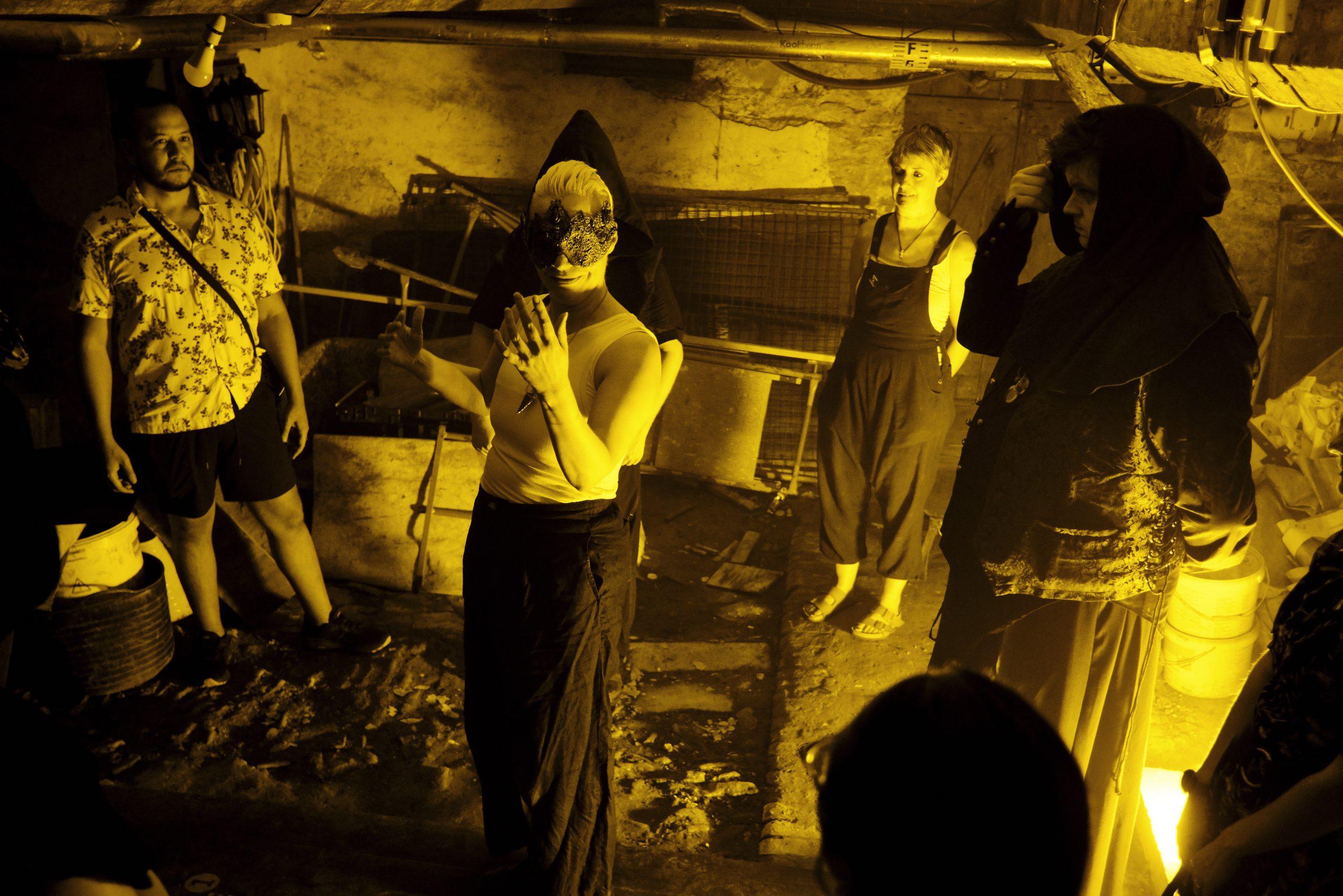
My own work draws heavily on the weird tales of the late 19th and early 20th century, and on folk horror ideas. I have loved folklore, mythology and history for as long as I can remember so that also features. As I write for interactive, immersive experiences, I lean into the creeping horror and very personal stakes.
My reading choices are definitely coloured by this. I love a slow burn folk horror such as Harvest Home or Sorrow Spring, especially as the course of the protagonist is inevitable. I thoroughly enjoy the recognition that comes when you know what the protagonist shouldn’t do but will anyway. This really shaped the story arc for my show, in which each performance concluded satisfyingly—but over 18 shows, it also cumulatively led to an overall finale with dark rituals, resurrections and very poor, but inevitable, choices.
Where do you draw your creative inspiration from?
My work on our show, The Key of Dreams, draws from weird fiction stories and Welsh folklore, but large amounts of the inspiration comes from poorly recorded history. One of the joys of writing shows that are site-specific is researching the place and the people in it. In the 17th century, record keeping was spotty at best which creates amazing holes that can be filled up with story. A woman who served to have lived for well over 100 years; poorly recorded marriages and birth certificates; wills that don’t seem to make sense with the other records around them—they all leave places to weave our own peculiar, magical threads through.
Who do you look to as a genre hero? Why?
Stephen King put me on my path, and I have a huge amount of respect for a man who has been writing so consistently for 50 years! For all his faults, I will cite Lovecraft. I won’t defend him, but his short stories are tightly crafted and capture that sense that there is something greater beneath the world that we are better off not knowing.
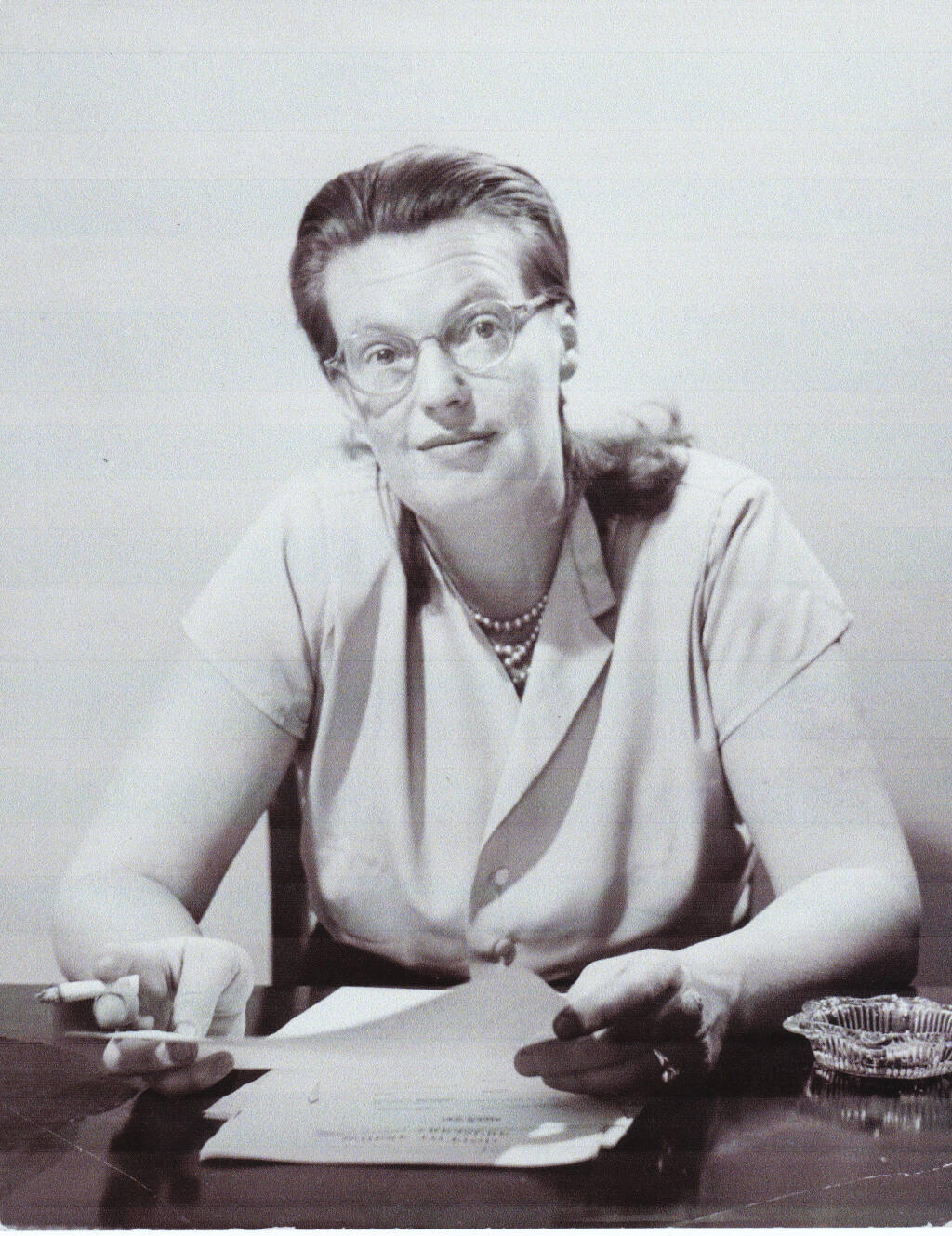
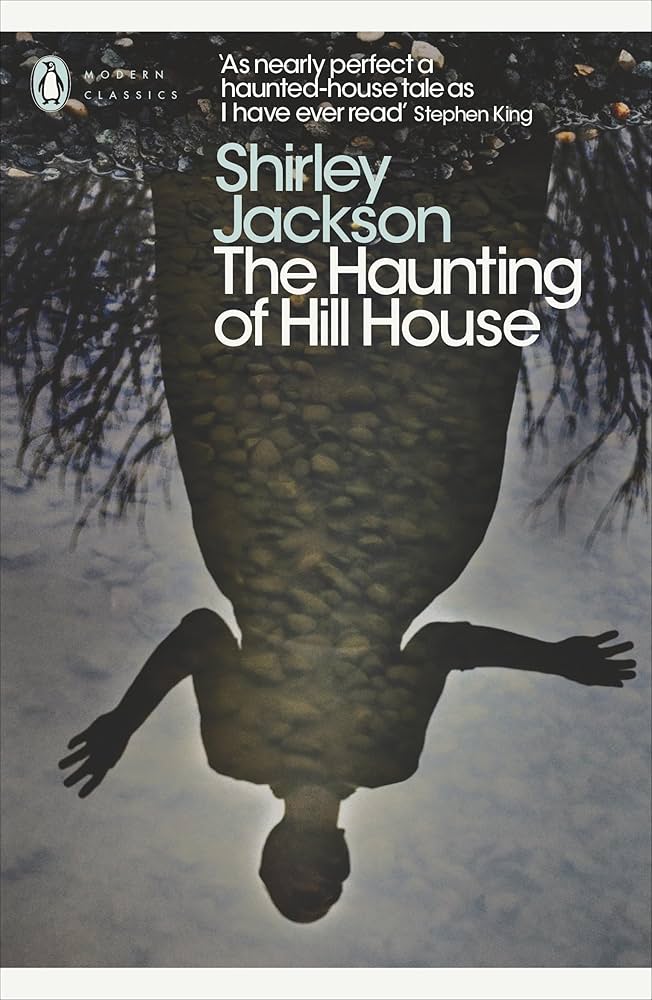
Shirley Jackson (pictured) is my real hero, though. The opening to Hill House is phenomenal and her work is inspirational. When reading ghost stories, I marvel at how often I can spot her fingerprints running through it. I have a particular love of the way she makes domestic settings uneasy and how easy it is to connect with the main characters even when they are so obviously unreliable narrators.
Your Work
You’re stuck in an elevator for 60 seconds with that hero, and they want you to describe your work. Give us the pitch.
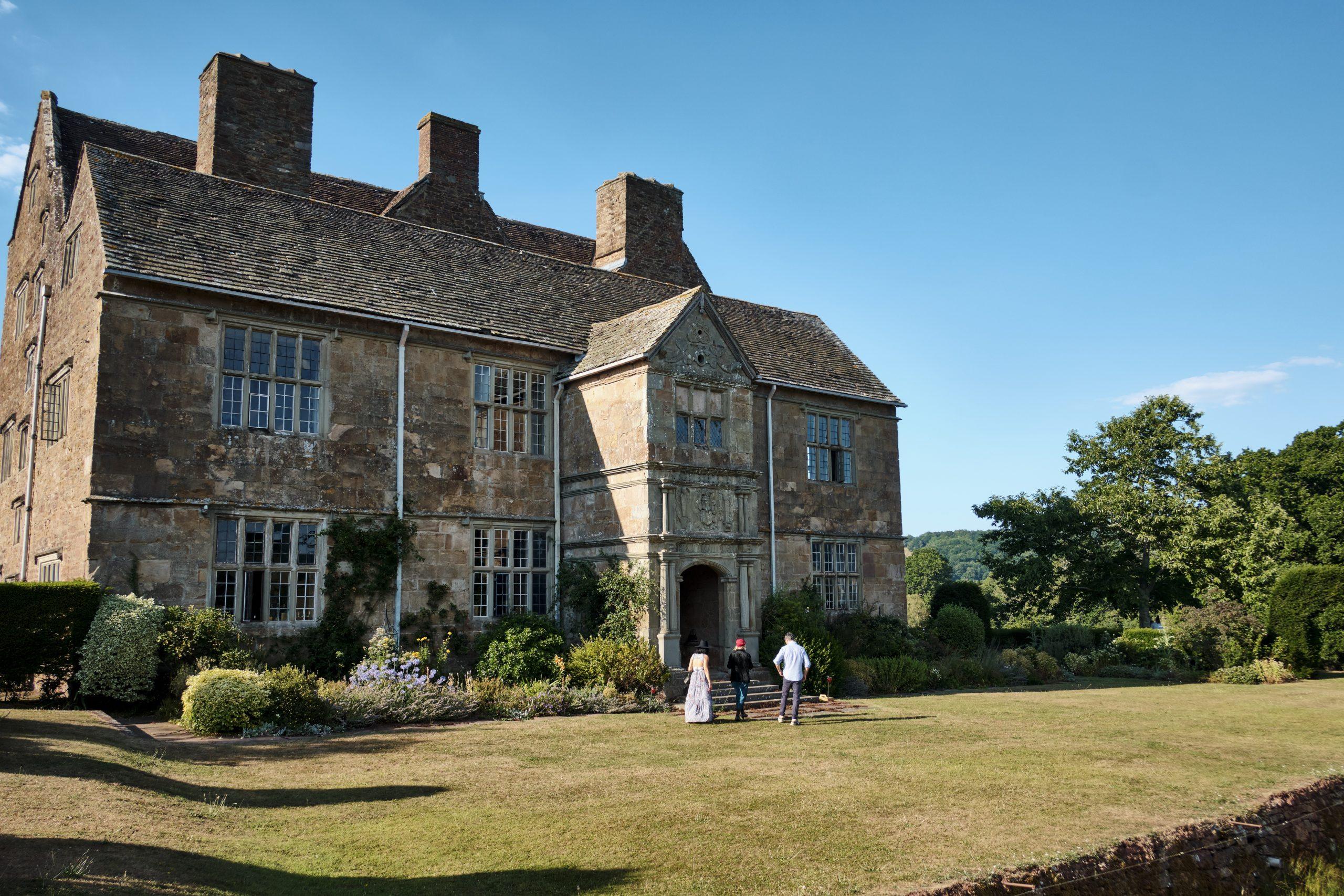
Like Hill House, Treowen is a house of mysteries and dark stories, but the characters are real with all that that brings—the messy human nature as we face deep secrets and hidden horrors that would have been better left undisturbed. Visit as a guest, partake of hospitality, and decide who you trust, who to aid—but remember that everything has a cost and a consequence.
What are you working on right now?
I’ve just finished writing the second chapter of our show The Key of Dreams, which was a crazy undertaking. Each show has five short stories made up of combined tales from the weird fiction archives, which are discovered as deconstructed narratives which you gather across the house and the course of the day, solving puzzles and piecing together the story and the motivations of the characters. In addition, there is also the story of the house, the lore of the world, the characters’ story arcs and relationships with each other. There’s a lot of moving parts!
I’m also working on a guest episode for a British horror podcast, but it’s not been announced yet, so no more details.
Thinking about all the stories/work you’ve done, what sticks out most in your mind? Why?
I love the story from our first chapter of the show which combined elements of The Yellow Wallpaper by Charlotte Perkins Gilman with Lovecraft’s the Strange Case of Charles Dexter Ward. I got to play with the ideas of medical malpractice and justified paranoia while providing our audiences with a meaty moral discussion about how the story should end. (They almost always took the feminist option—even if it also allowed a sinister being its freedom alongside!)
Where and when do you create/are you at your most creative?
When I’m generating ideas: I love to be with others who can bounce and push ideas around with me. My partner is the best at it and is full of creativity and enthusiasm, and also is good at challenging me to refine my ideas and recognise the heart of a narrative.
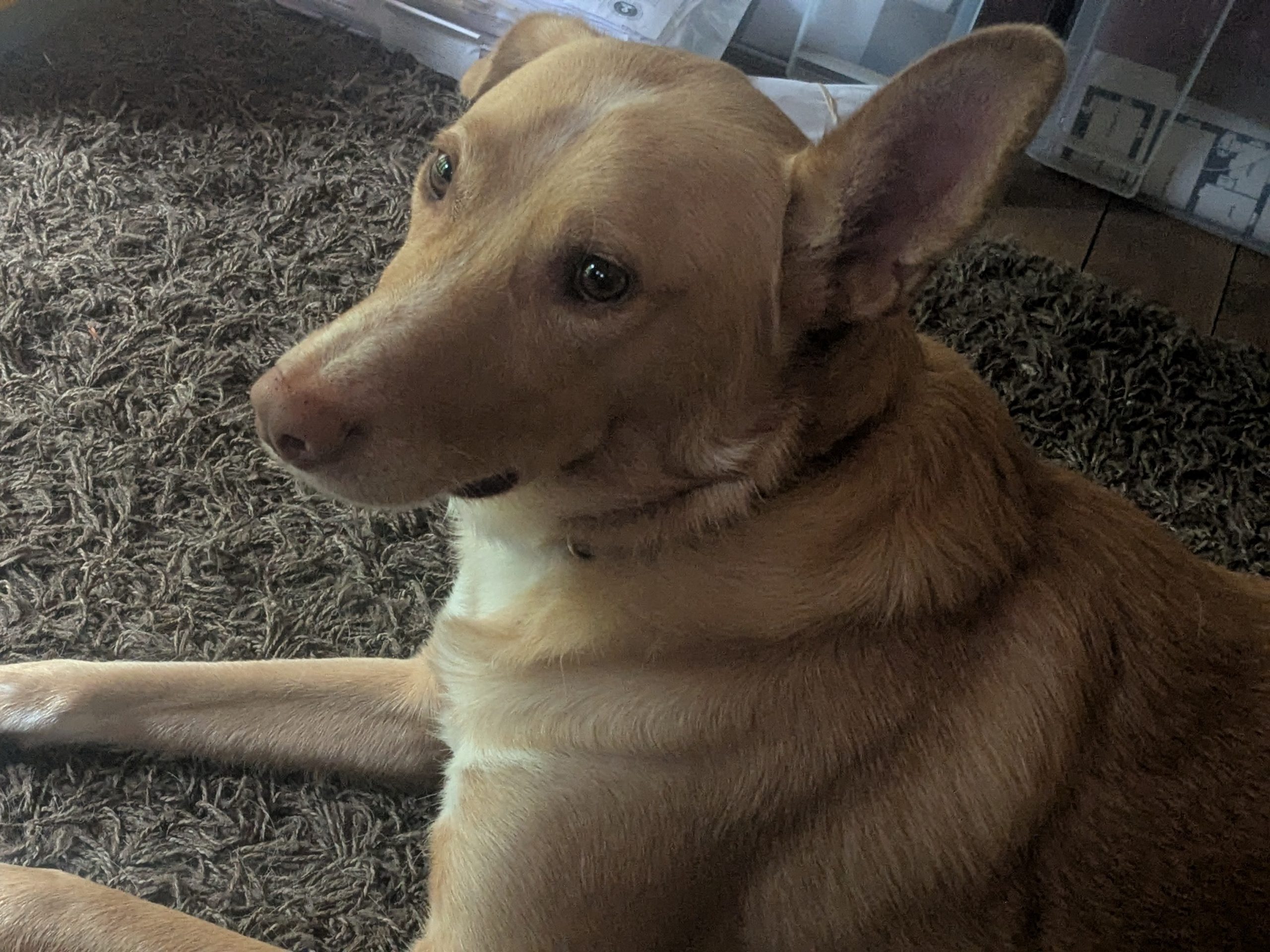
When it comes to writing: I like to be quiet and ideally alone and undisturbed other than my dog Grom (pictured), who never objects to me talking my ideas out loud. I am easily distracted unless I am in flow, so having the space to find that state is really important to me.
What’s the best advice you’ve received about creativity?
“You cannot edit a blank page—get writing.” I have heard this repeated in so many workshops that I’ve attended, and it is so true.
Following that, the best advice I personally received was to take my ego out of the equation. When working on a show that is collaborative, it is so important to listen to feedback from the rest of the team and not stick to my ideas just because they are mine. I can be prickly around feedback which I know is my own insecurity, but, almost always, working with others and making adjustments produces something better at the end.
What’s your writing soundtrack?
Often, I work in silence (other than the gentle snoring of my writing buddy Grom). As I said, I tend to be easily distracted so the quiet really helps. However, I have two playlists I go to; one is choral music with lots of crunchy harmony—anything by Eric Whitacre is a winner—or I listen to Folk Horror inspired music such as The Crane Wives or The Amazing Devil.
The Quick-Fire Round
Sci-fi, fantasy or horror?
Horror
Quiet or loud?
Quiet
Dark or light?
Dark
Strict lines or genre blend?
Blending all the way
Awards or bestseller?
Recommendations (I love a hidden gem!)
Fiction or non-fiction?
Fiction
Poetry or prose?
Prose
Plotter or pantser?
Both depending on what I’m working on (pantser for the short story strains, plotter for the big overarching story)
Reading or listening?
Reading
Notebook or computer?
Notebook
Favourite SFFH book of all time?
The Haunting of Hill House
Last book you read?
We Used To Live Here by Marcus Kliewer
Any SFFH author on auto-buy?
David Barnett, Julia Armfield
Favourite podcast?
The White Vault – Fool and Scholar
Shadows at the Door – Shadows at the Door Publishing (Mark Nixon and David Ault)
The Home Stretch
What’s the best thing about being part of the SFFH community?
How welcoming and supportive everyone is. I’ve been to a few cons and always feel right at home.
Time to plug your stuff! Where can we find you and your work? What have you got coming up? Consider this your advertising space.
Our show is The Key of Dreams: The Shadows Lengthen, a 24-hour live experience in a Jacobean manor house. Step into a weird-fiction world that lives and breathes. Investigate occult objects and secretive organisations. Join a cult, perform dark rituals. Become the favourite of an occultist or a thorn in their side, a dependable member of the team or a wild-card renegade. The choices are yours, but so are the consequences.
“It was like walking into a novel.” Neil Patrick Harris
“This isn’t immersive, it’s real.” The Guardian
More details/follow us: