Every Friday, we meet a member of the BFS and peer deep into their soul (or, at least, a form they filled out). Want to be featured? Email us: online@britishfantasysociety.org
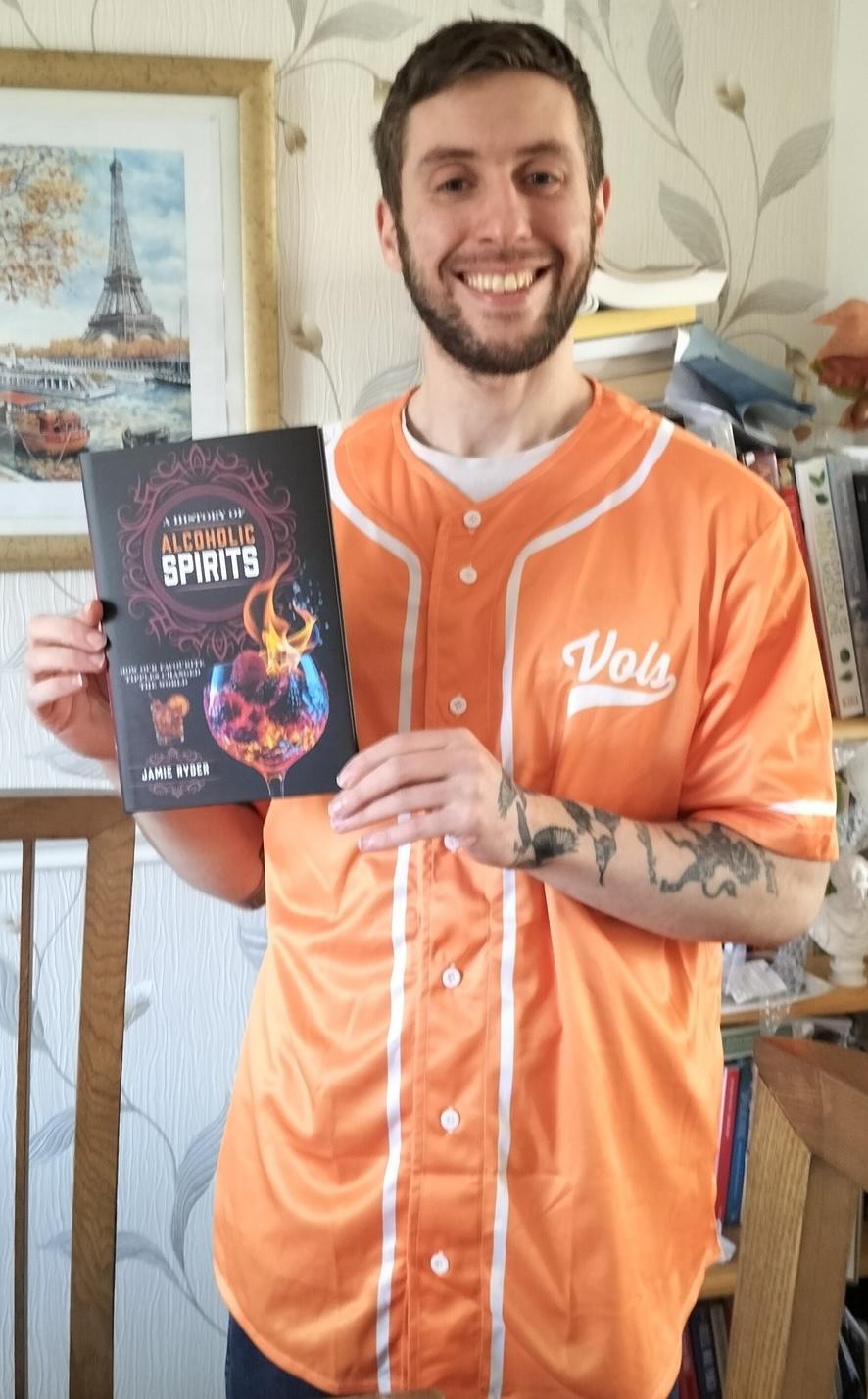
Name:
Jamie Ryder (he/him)
Which region are you based in?
Manchester, North West
If you write, which genre:
Fantasy and horror
If you don’t write, what do you do?
I’m a non-fiction writer who writes “stealth help” books, a genre that mixes history, pop culture and self-development together. I also write about other topics I find interesting like Japan, alcoholic spirits, country music and philosophy. My day job is copywriting.
Are you drawn to any specific SFFH sub-genres?
Epic fantasy, grimdark fantasy, urban fantasy and fantasy westerns and steam punk to name a few.
Your influences
Tell us about the book/film/thing that got you into SFFH: What was it? How old were you? What impact did it have on you?
We’d be here all day if I listed the early books that impacted my childhood. A series that comes to mind is Philip Pullmans’ His Dark Materials. I remember thinking the world building was really cool and that it being one of first genuine escape books where I felt I was literally being transported into another world.
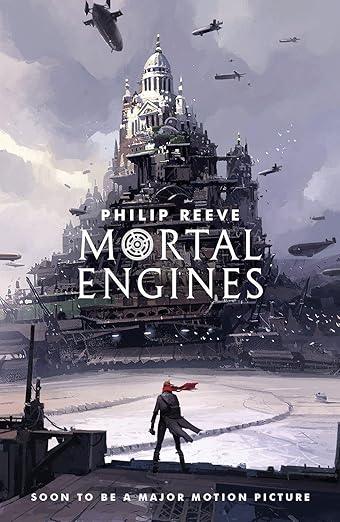
Another formative series was Philip Reeve’s Mortal Engines series. This was the series that felt like a mature transition for me into the darker elements of fantasy. The characters are messy, the world is bleak, there’s body horror and bloody battles that created the sense I was stepping into something new in my early teens. The sense that the world can be grim at times, but there’s still so much hope and wonder to draw from and it’s important to look for beauty wherever it can be found.
How does that early influence show up for you (in life/writing/agenting/publishing/editing/reading) now?
I’d say my writing has a dark aesthetic that’s been influenced by the kind of genres I like reading like grimdark, horror and stories with morally grey characters. This is balanced by hope that even the most magnificent of bastards on the surface can be redeemed if they have the genuine capacity to change.
Where do you draw your creative inspiration from?
It’s a trite answer but the answer is from everywhere. People, books, history, music, philosophy etc.
Who do you look to as a genre hero? Why?
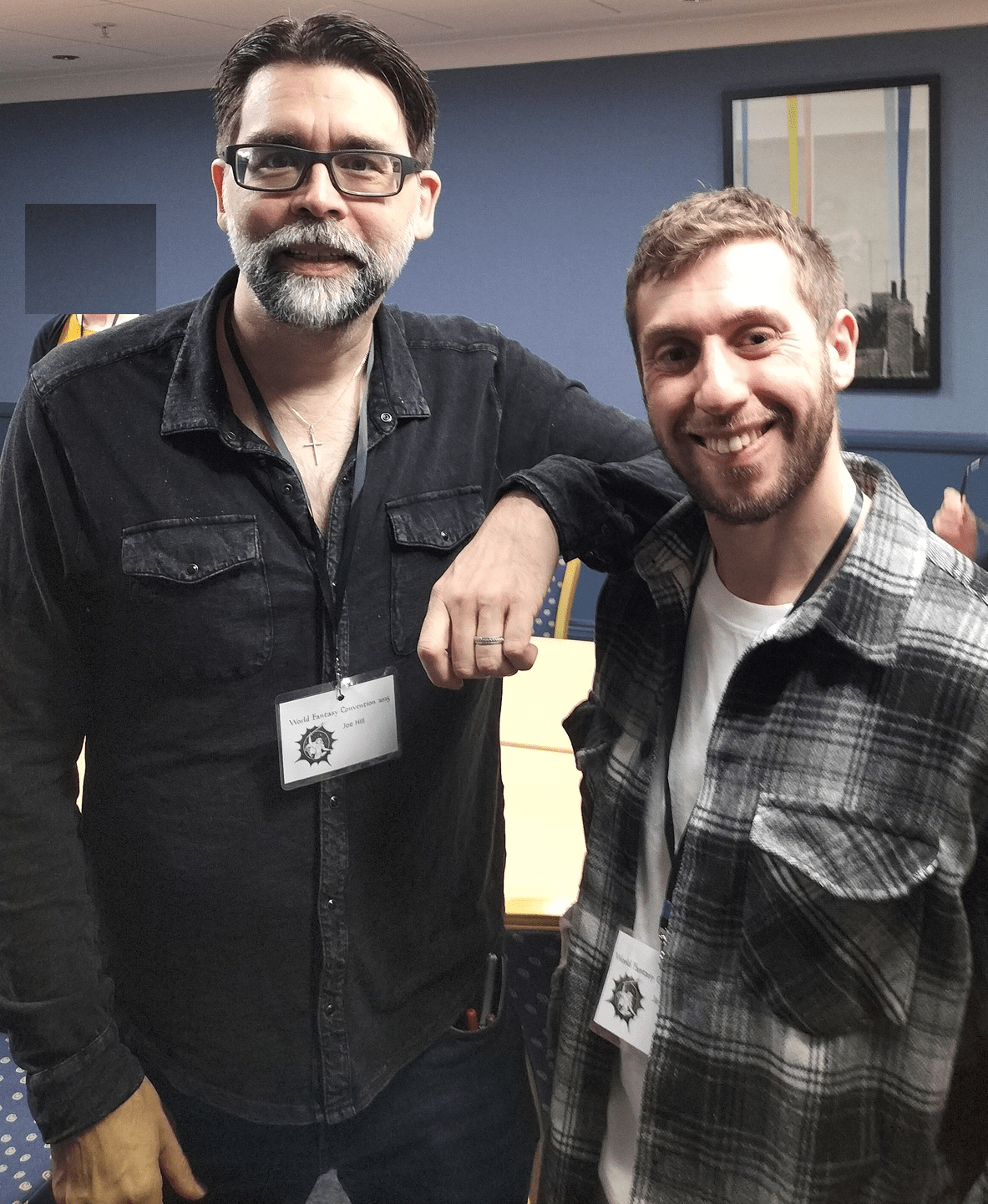
One who comes to mind is Joe Hill (and that’s not just because I got to meet him in person at World Fantasy Con). His writing style and ideas stand out to me for how they blend different genres together, while still having a distinct undertone of horror. His characters are also rich in their complexity and whether Hill is writing heroes or villains, you understand why his characters are the way they are.
I also find Hill’s writing journey inspiring, given the legacy of his dad Stephen King. He wanted to stand on his own terms as a writer with his own name and identity and his isn’t a story of overnight success. It’s a reminder to keep pushing forward in my writing career and that consistency is key.
(Pictured: Jamie with Joe Hill at World Fantasycon 2025)
Your Work
You’re stuck in an elevator for 60 seconds with that hero, and they want you to describe your work. Give us the pitch.
Now that would be a fascinating experience….A cocktail of John Shirley, Frederic S Durbin and T. Kingfisher with Colter Wall’s The Devil Wears A Suit and Tie playing in the background.
What are you working on right now?
I’m currently pitching my grimdark/fantasy western novel Wound Shanty novel to agents and indie publishers. It’s the first in a series called the Quarrier Chronicles, set within a world I’ve created called Tales Of The Frontier which is like Red Dead Redemption meets The Witcher.
I’m also working on a novella set in the same world and gathering ideas for a separate urban fantasy novel that I picture as being Sons of Anarchy meets The Tarot Sequence.
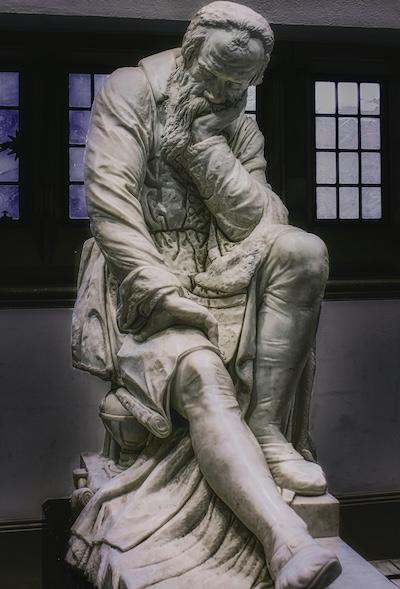
(Photo of Galileo statue K. Mitch Hodge on Unsplash)
Thinking about all the stories/work you’ve done, what sticks out most in your mind? Why?
Themes I seem to keep coming back to in my work are different variations of masculinity and how they show up in the world. Toxic, stoic, marginalised etc. I think that’s because of my interest in talking openly about male mental health and trying to break stigmas about things like social anxiety and the stereotypes and pressures of men being providers.
I like being philosophical too, with characters calling each other out for their worldviews or using schools of thought that help to raise drama and tension.
Where and when do you create/are you at your most creative?
I’m trying to figure that out at the moment as a recent first-time dad. Before fatherhood, I found myself to be creative in the early morning and on the weekends. Now, with an energetic daughter discovering the world I’m slowly building a new routine.
What’s the best advice you’ve received about creativity?
Some of the best creativity advice I’ve had in the last couple of years has come from copywriting mentors. The advice was that it’s important to find a single idea above all else and write like you’re always addressing one person to move or persuade them into doing a specific action.
I’ve found this advice is helpful for novel writing too because it forces me to ask myself what are the ideas behind the novel I’m writing, and how can I write in such a way that keeps the reader turning the page.
What’s your writing soundtrack?
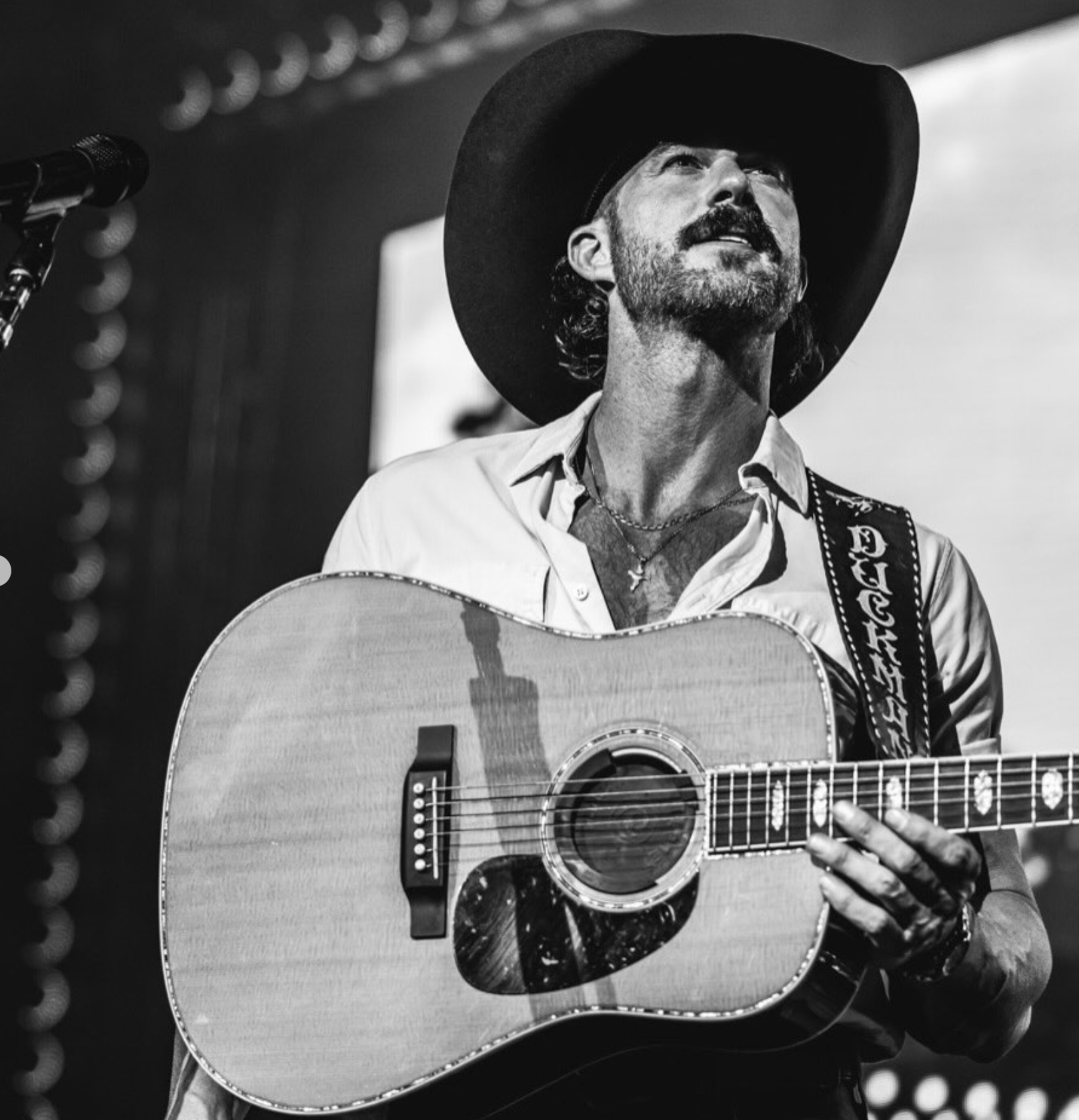
It’s country music for sure. There’s phenomenal storytelling in that genre and artists like Morgan Wallen, Luke Combs, Riley Green (pictured; source) and Colter Wall are all good for putting on when I need some inspiration.
The Quick-Fire Round
Sci-fi, fantasy or horror?
Fantasy and horror.
Quiet or loud?
Quiet.
Dark or light?
Light.
Strict lines or genre blend?
Genre bending and mixing is the best.
Awards or bestseller?
Both are cool goals to aim for one day. I’ll settle for good reviews and my work being personally recommended right now.
Fiction or non-fiction?
It depends on my mood and the ideas I’m searching for.
Poetry or prose?
Prose.
Plotter or pantser?
Pantser.
Reading or listening?
Both are as important as each other for me.
Notebook or computer?
Notebook when I’m the go and need to jot down some quick ideas. Laptop for when I have the time to sit and put coherent sentences on the page.
Favourite SFFH book of all time?
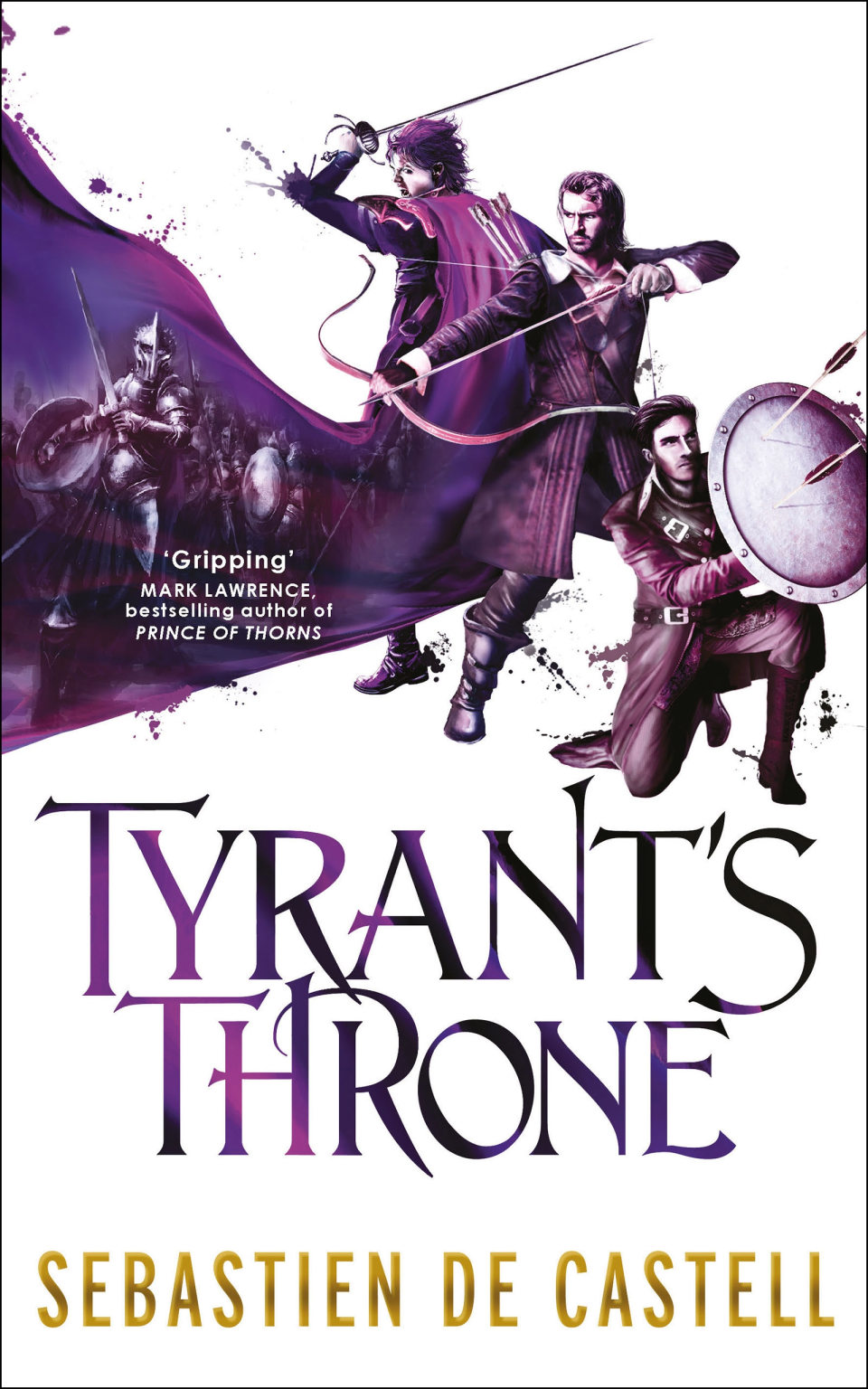
Tyrant’s Throne by Sebastien de Castell. This is the last book in the Greatcoats Quartet, a series that features bawdy humour, tragic do or die stakes and characters who jump off the page in all their swashbuckling glory. The main character Falcio Val Mond has to come to terms with everything he’s wrestled with for achieving justice in his broken country or giving up his ideals to truly save it.
Last book you read?
I recently finished my first Warhammer 40k series The Night Lords Omnibus by Aaron Dembski-Bowden. It’s a glorious sci-fi murderfest of monstrous characters I was cheering on all the same.
The Home Stretch
What’s the best thing about being part of the SFFH community?
It’s awesome to be part of a community supporting each other’s work and helping each other find different publishing opportunities.
Time to plug your stuff! Where can we find you and your work? What have you got coming up? Consider this your advertising space.
You can find my non-fiction stealth help books over at jamieryderbooks.com. I’ve written a series called Wisdom Traditions Of The World about different cultures and philosophies and the lessons we can learn from them in the modern day—details below. You can also find me writing about the psychology of Warhammer 40k at 40kpulp.com under the pen name Michael Deguisa.
Japanese Fighting Heroes: Warriors, Samurai and Ronins
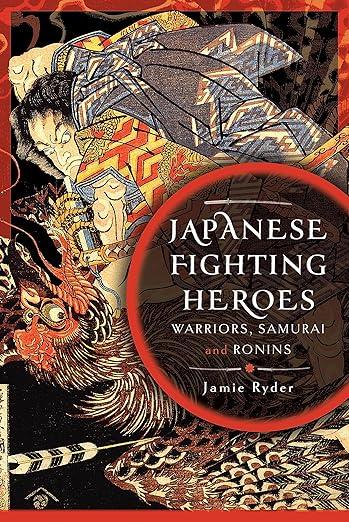
Japanese mythology is filled with stories of larger-than-life characters that shaped the landscape of Japan. They are the folk heroes who slayed monsters, fought in epic battles and reflected the most complicated emotions of the people who created them. Through a mix of essays, short stories and anecdotes, Japanese Fighting Heroes follows the lives of samurai, warriors, outliers and iconoclasts who forged their own paths.
Legendary fighters like the demon-killing Minamoto no Yorimitsu, philosophising samurai Miyamoto Musashi, and the One-Eyed Dragon Date Masamune. Creative heroes like the father of Japanese short stories Ryunosuke Akutagawa, the immortal poet Ono no Komachi, the hilarious Sei Shonagon and her insight into human nature. Trailblazers who broke down barriers like the feminist Hiratsuka Raicho, the statesman Fukuzawa Yukichi, the photographic genius Hiroshi Hamaya.
These Japanese folk heroes led fascinating lives that provide insight into our own through the principles and practices they lived by. They struggled with universal ideals of honour, duty, courage and kindness, helping them transcend their culture. Whether you’re looking to learn about Japanese history, fall down a philosophy rabbit hole or pick up new mental health habits, these heroes can teach us timeless lessons. Japanese Fighting Heroes captures the essence of what it means to be human in any culture.
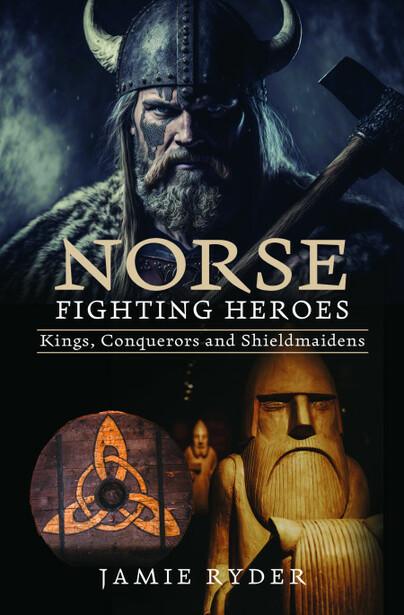
Norse Fighting Heroes: Kings, Conquerors and Shieldmaidens
Vikings. One of history’s most recognisable archetypes. These hardy warriors enjoyed fighting and conquering, but there was much more to the culture than physical might.
A deep sense of spirituality and purpose permeated the Norse societies that dreamed beyond their borders. And Norse history is a tapestry of adventurers, kings, wayfarers, queens and conquerors who etched their names into legend.
Norse Fighting Heroes tells the stories of some of the most (in)famous Vikings in history. From the wanderlust of Bjorn Ironside to the boundless ambition of Harald Hardrada, the lives of these people were anything but black and white. Get to the heart of their wants, loves, fears, reasons for living and dying.
History’s Greatest Philosophers: Classical Wisdom For Modern Times
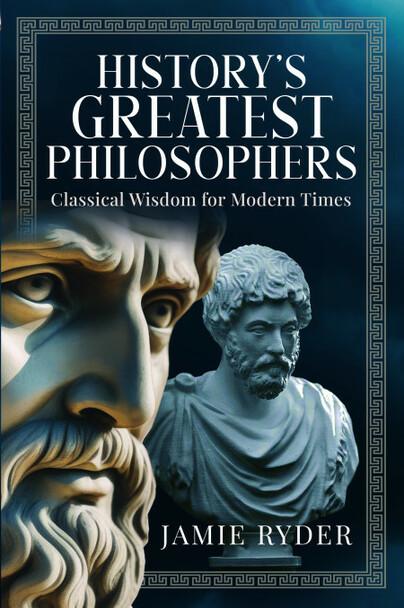
What does it mean to be a philosopher? Being a deep thinker? Taking a stand against the norms of society? Being really good at winning an argument? The beauty of philosophy is that there is no one answer and that it’s worth asking that question across every aspect of the human condition.
In History’s Greatest Philosophers: Classical Wisdom for Modern Times, Jamie Ryder journeys through the lives of some of the world’s most radical thinkers, leaders, politicians and creatives to uncover the truth of philosophy and different wisdom traditions.
From the political arenas of Cicero and Niccolo Machiavelli to the everyday living of Mary Wollstonecraft and Sojourner Truth, get a bird’s eye view into what it means to live and die by what you believe in. Discover ageless truths about the nature of the world and human relationships. Learn how to practice philosophy and not just talk about it.