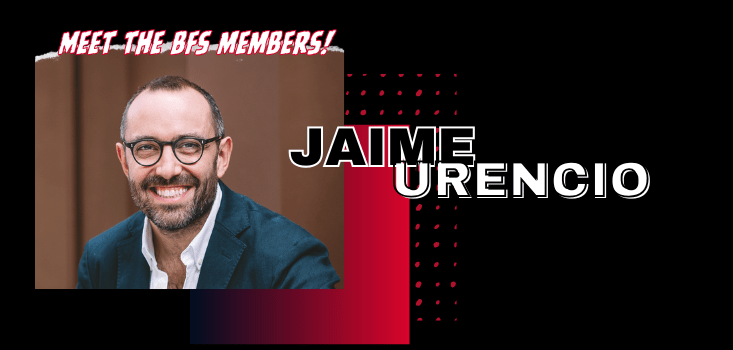
Every Friday, we meet a member of the BFS and peer deep into their soul (or, at least, a form they filled out). Want to be featured? Email us: online@britishfantasysociety.org
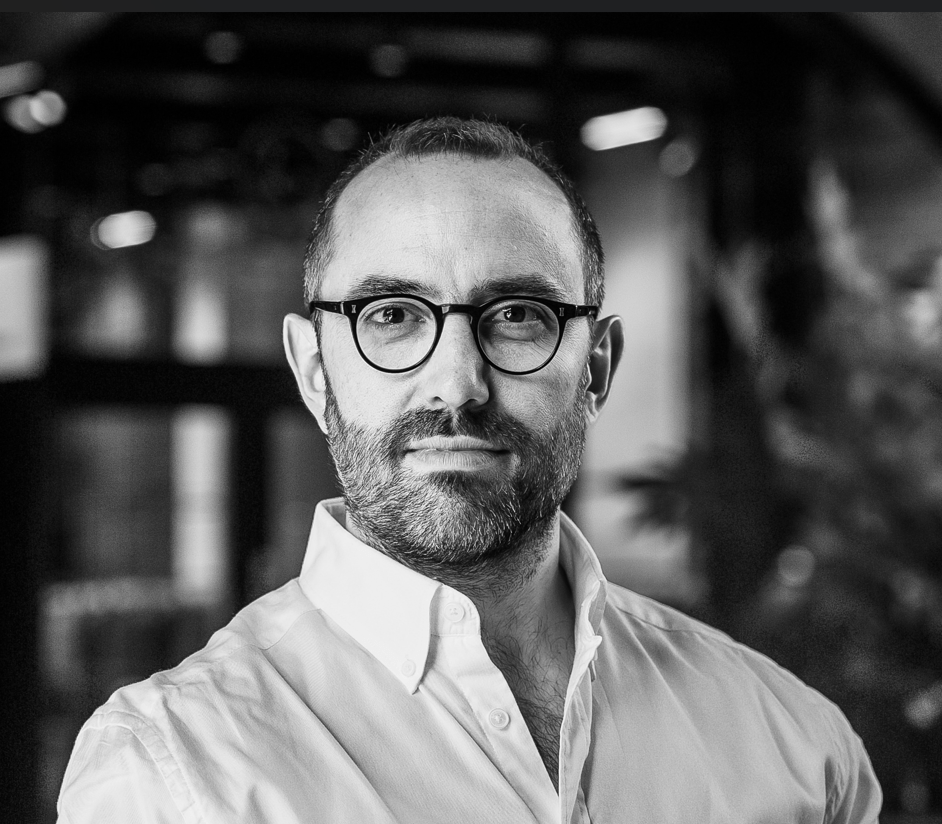
Name:
Jaime Urencio (he/him)
Which region are you based in?
London, UK
If you write, which genre:
Sci-fi / Speculative Fiction
Are you drawn to any specific SFFH sub-genres?
I am interested in how technological advances affect the human condition.
Your influences
Tell us about the book/film/thing that got you into SFFH: What was it? How old were you? What impact did it have on you?
I was browsing in a bookshop in the early 2000s when I came across Stories of Your Life and Others by Ted Chiang. I’d never been a fan of hard sci-fi as a genre, but this kind of speculative fiction was something I hadn’t encountered before, and it gripped me immediately.
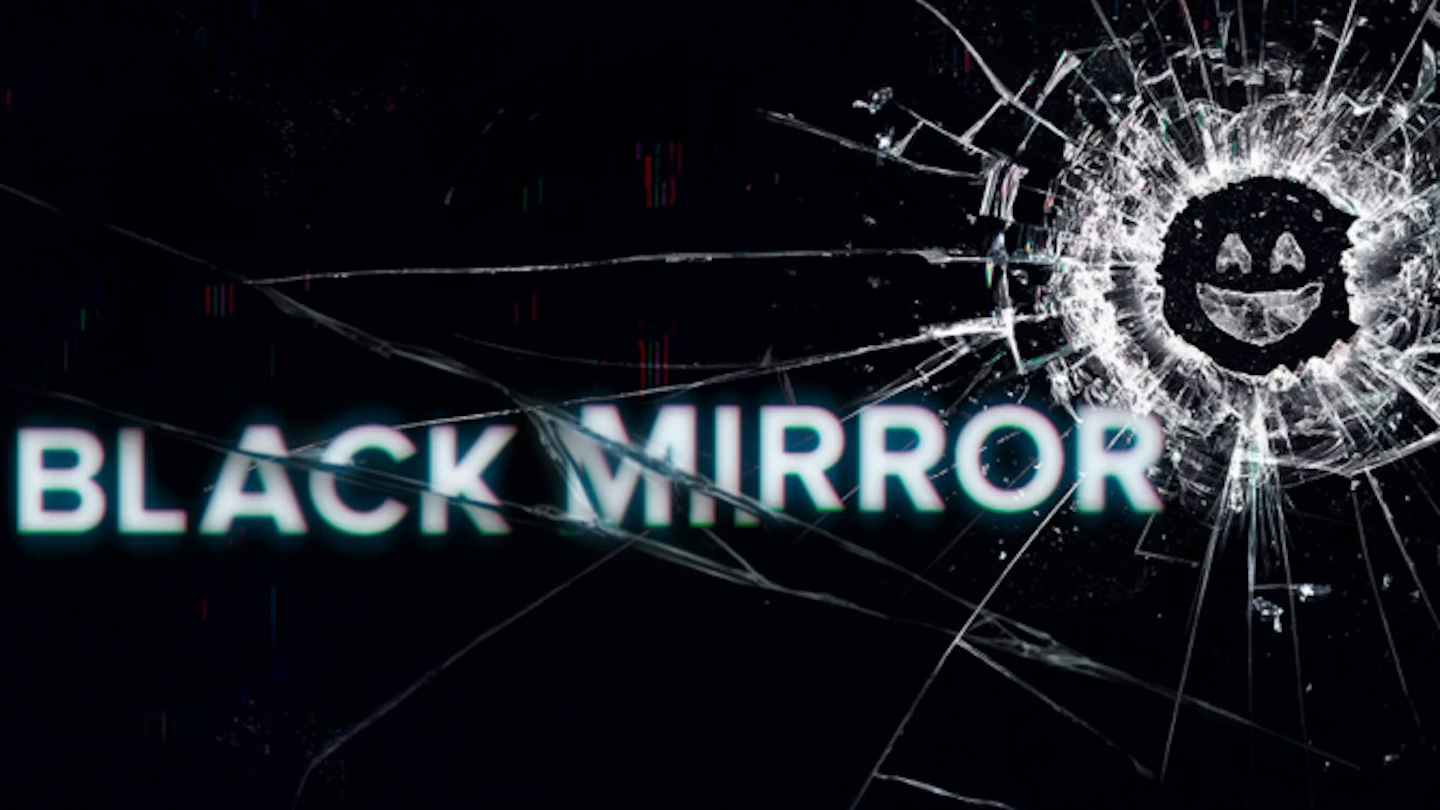
Later in life, I encountered others working with similar ideas in different formats—the best example that comes to mind is the popular television series Black Mirror, created by Charlie Brooker. It’s a brilliant examination of humanity amid technological change, always grounded in carefully plotted storylines.
How does that early influence show up for you (in life/writing/agenting/publishing/editing/reading) now?
Through Chiang’s stories, I began to see how adhering too strictly to the parameters of the world we live in can be limiting for storytelling—particularly when we want to examine the potential future consequences of our present actions, or isolate specific aspects of the human condition by placing them in unfamiliar circumstances.
Where do you draw your creative inspiration from?
I believe that everything we come in contact with has the potential to feed our creativity—from the peaceful contemplation of a landscape, playing with a child, or a thoughtful conversation with a friend, to admiring other works of literature or storytelling in any format. I often find that the best kind of inspiration comes from curiosity—noticing something interesting in the world and asking ourselves why, or wondering what might happen if one specific aspect of our world were to change.
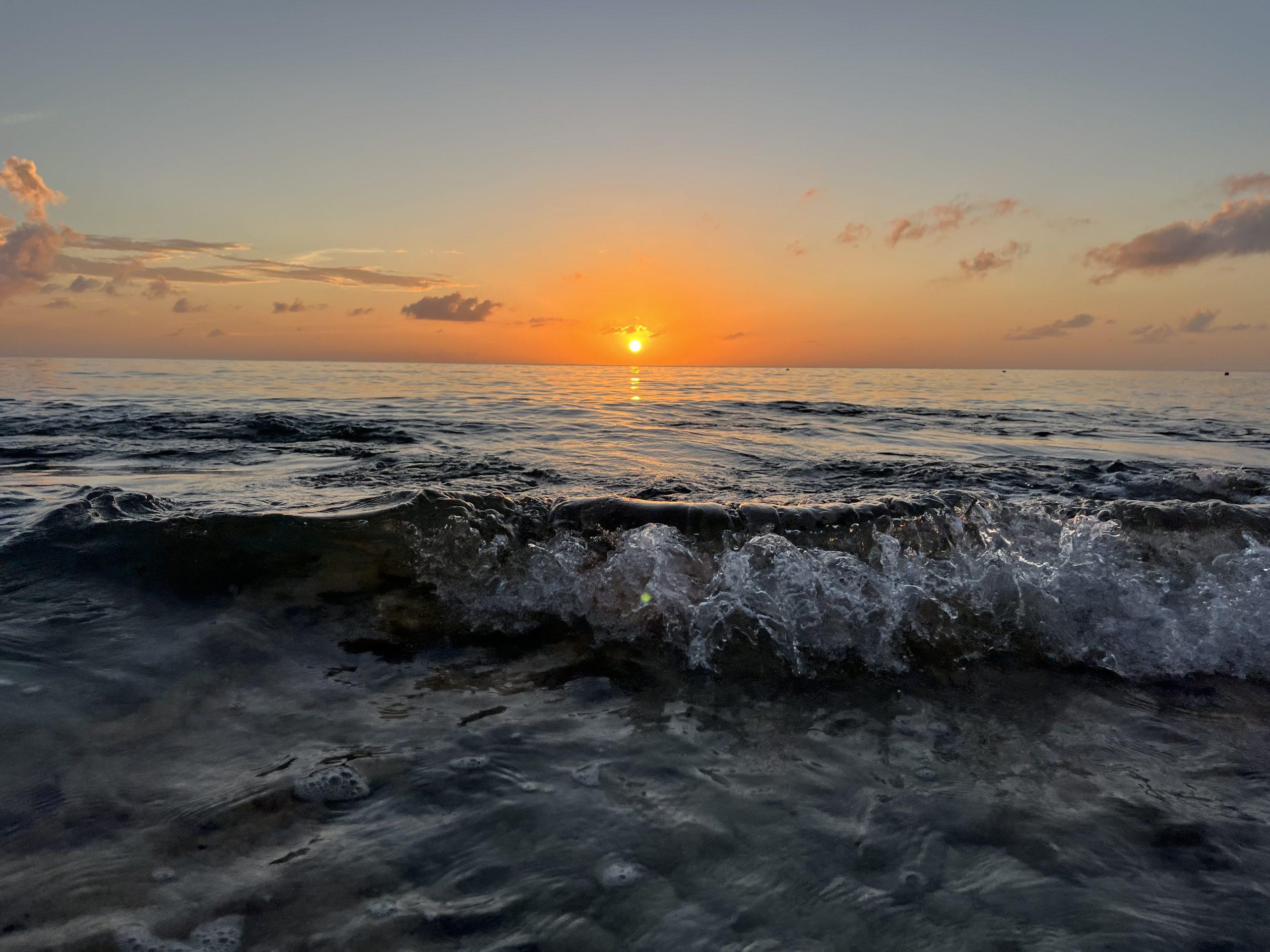
Physical exercise can also be a powerful catalyst for my creativity. Walking or swimming often triggers a flow of ideas. I plotted the last six chapters of my novel while swimming in Cozumel (pictured above), a small island in my native Mexico.
Who do you look to as a genre hero? Why?
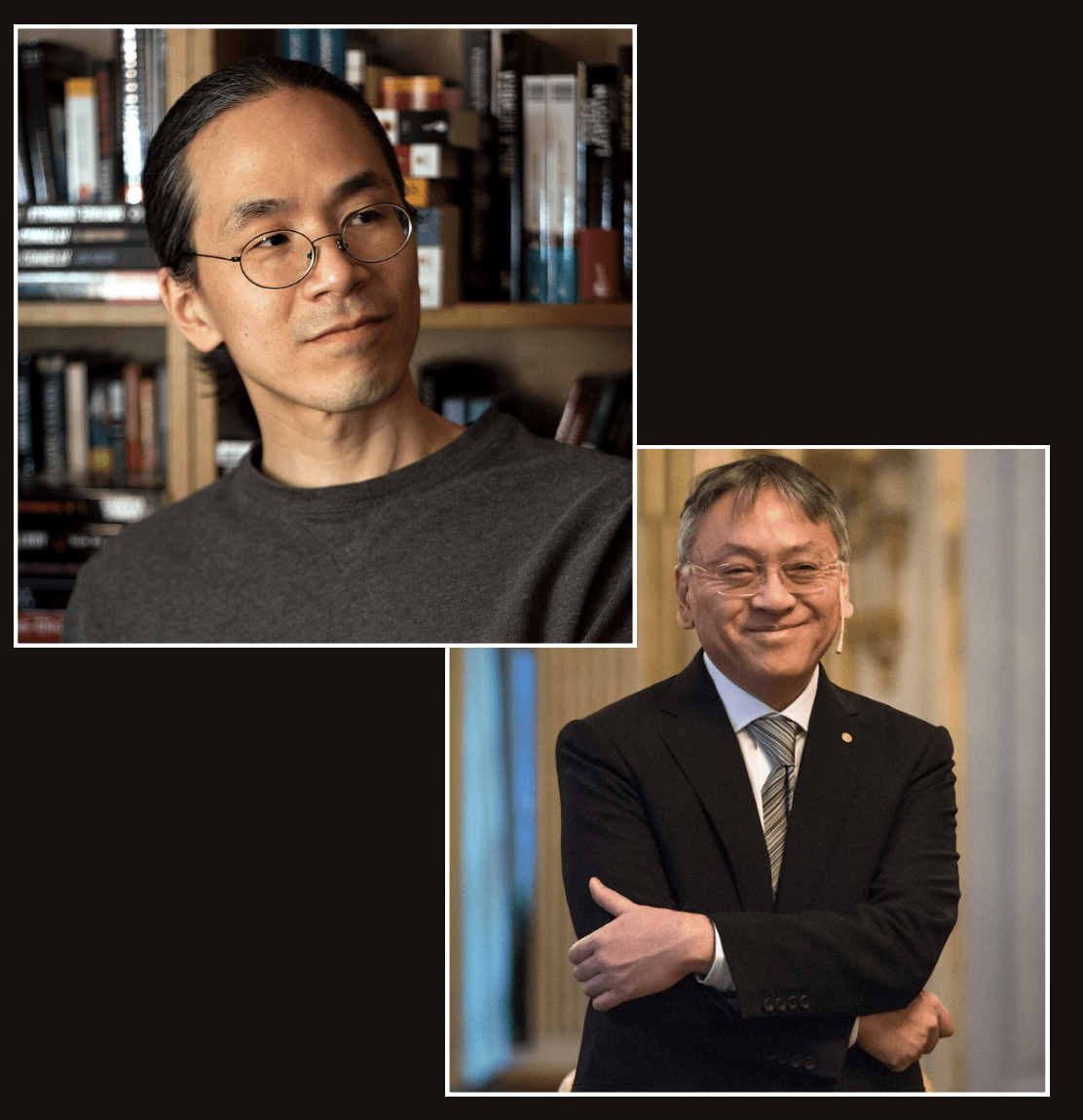
Beyond Ted Chiang, I have always admired Kazuo Ishiguro. He has a unique ability to combine deep intellectual concepts with prose that is unpretentious and beautiful, while always keeping the reader engaged.
(Pictured: Ted Chiang and Kazuo Ishiguro, both images from Wikipedia)
Your Work
You’re stuck in an elevator for 60 seconds with that hero, and they want you to describe your work. Give us the pitch.
I’ve only written one novel, which is the result of over twenty drafts completed across six years. The story explores the moral and societal implications of genetic engineering, and the consequences of it falling into the wrong hands. My career has been predominantly in corporate finance, mainly within the biotechnology sector.
What are you working on right now?
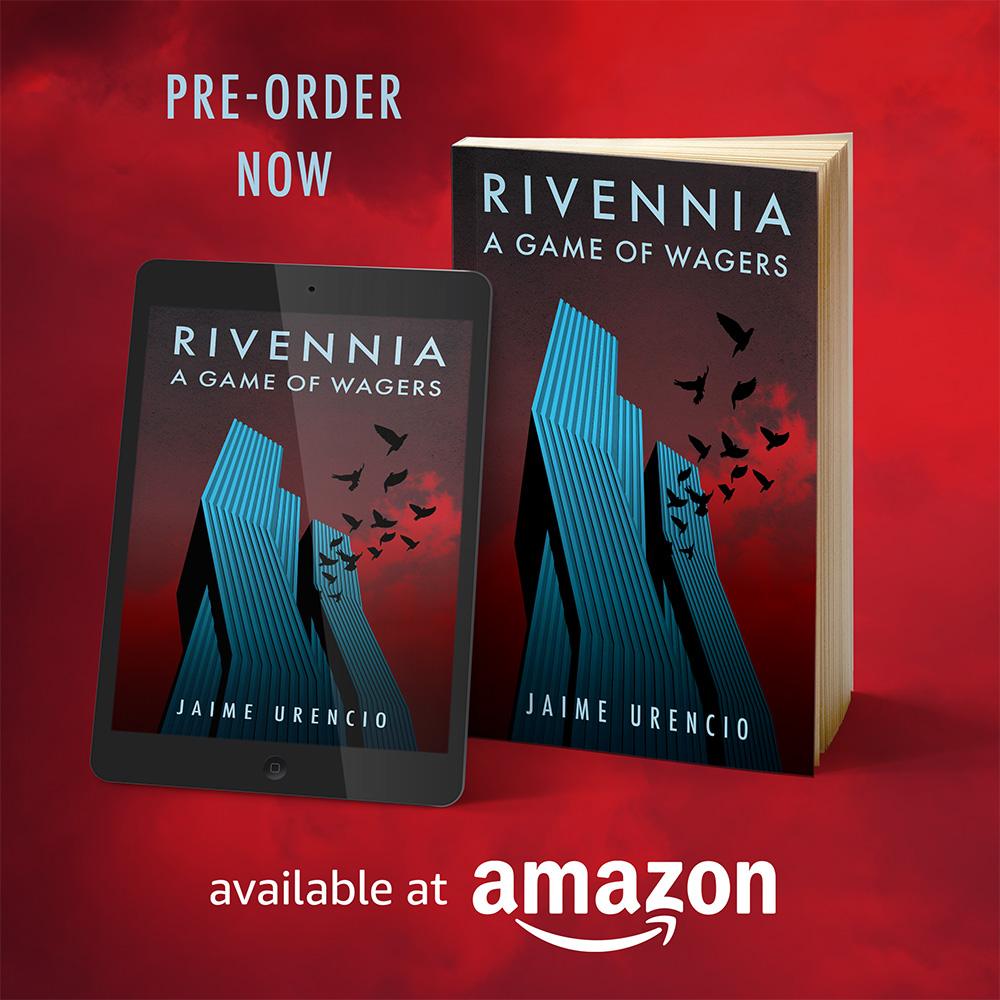
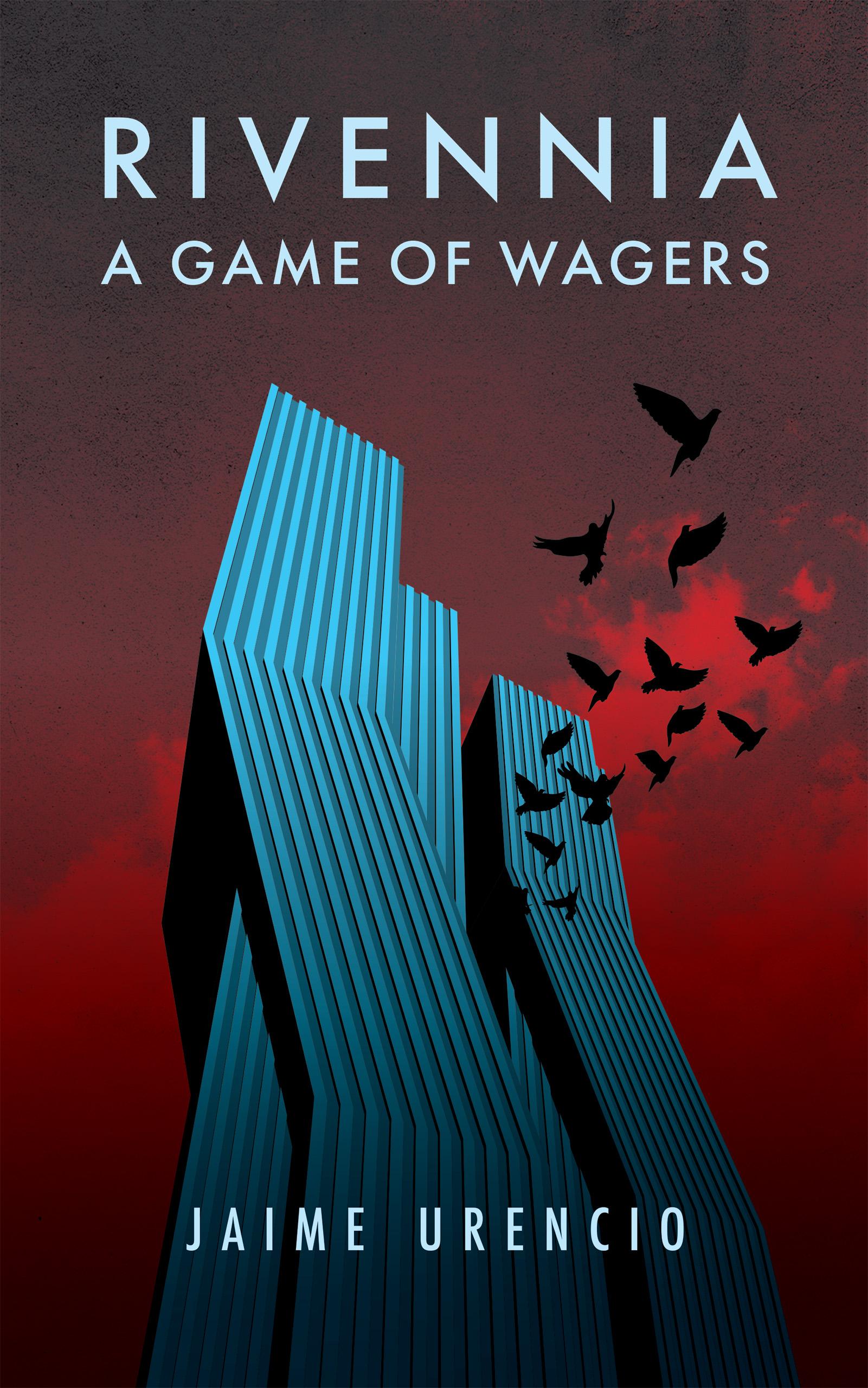
I am currently focused on the upcoming launch of my debut novel, while also assessing the various ideas I have in the queue. One of these is a sequel to Rivennia; others represent a slight departure from the genre, blending into historical fiction.
Thinking about all the stories/work you’ve done, what sticks out most in your mind? Why?
The worldbuilding in Rivennia has resulted in a unique environment that I can now admire almost as an outside observer. It amuses me that I know some aspects of that world better than our own. Lacunfort, the capital city, features an overhead screen that mimics a hyper-realistic sky, with further layers of the city stacked above it. The social and political structure provided a fertile ground for the kind of plot I had in mind to develop.
Where and when do you create/are you at your most creative?
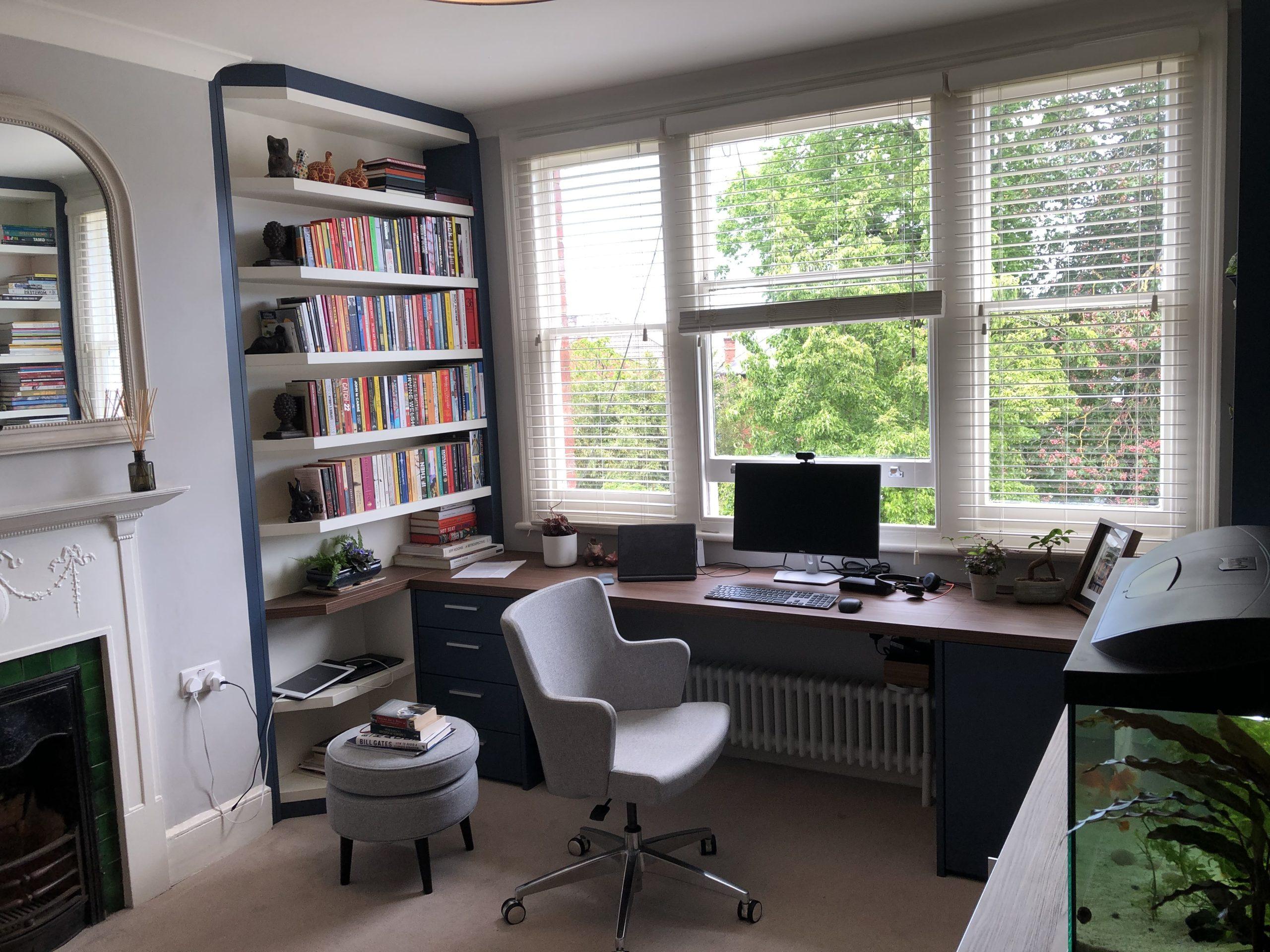
At home, I have a desk that looks out into the garden. The only distraction I allow myself is watching the green parakeets as they settle in the trees. They’re beautiful birds, vividly colourful. Like me, they’re not endemic, but they’ve adapted to this environment and have long made London their home.
What’s your writing soundtrack?
The gentle bubbling of my fishtank behind me.
What’s the best advice you’ve received about creativity?
Write like no one is watching—because no one is.
The Quick-Fire Round
Sci-fi, fantasy or horror?
Sci-fi and speculative fiction.
Quiet or loud?
Quiet.
Dark or light?
Light.
Strict lines or genre blend?
Genre blend.
Awards or bestseller?
Finding an audience who values the work is the best reward.
Fiction or non-fiction?
Both.
Poetry or prose?
Prose.
Plotter or pantser?
Full-on plotter, with post-its on the wall.
Reading or listening?
Both.
Notebook or computer?
Both.
Favourite SFFH book of all time?
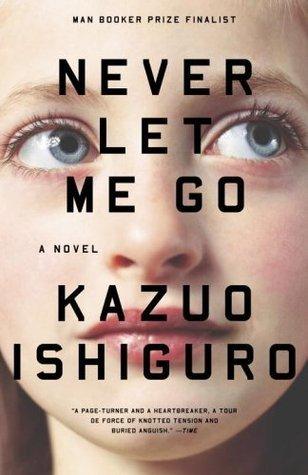
Never Let Me Go by Kazuo Ishiguro
Last book you read?
El Buen Mal by Samantha Schweblin
Any SFFH author on auto-buy?
Ted Chiang
Favourite podcast?
In Writing with Hattie Crisell
The Home Stretch
What’s the best thing about being part of the SFFH community?
Seeing what other authors are working on, and realising how broad the genre can be.
Time to plug your stuff! Where can we find you and your work? What have you got coming up? Consider this your advertising space.
Rivennia is a work of speculative fiction that explores the ethical and societal implications of genetic editing. The novel has political and dystopian undertones, examining how advancements in biotechnology reshape identity, power, and morality.
“An excellently plotted and paced SF tale that also engages the heart.” Kirkus Reviews
“Must read… Riveting speculative fiction that blends political intrigue with character studies.” Discovery
“A must-read for fans of intelligent, character-driven sci-fi.” Goodreads review