
Fresh off a British Fantasy Award nomination for his collection of archaeology short stories, Dirt Upon My Skin, weird fiction writer Steve Toase has finally unleashed his first longer work. He tells us more about his novella Crawl Space, out now via JournalStone.
Name: Steve Toase (he/him)
Based in: The Franconian Forest, Germany
What genres/subgenres are you drawn to?
Horror, weird fiction, and weird horror
Is writing your full-time focus, or do you have a day job as well? What do you do?
60/40 to writing. I write three days a week, and have a day job for the other two. I’m a trained archaeologist, but now work in an archaeologically adjacent world, using my background in landscape archaeology to work with historic maps in GIS.
The Book: From Pen to Print
What was the genesis of this book? Where did you get the idea from?
There are a couple of inspirations for Crawl Space. The big motivation was wanting to write a story featuring a world ‘behind the scenes’, where the rules of the normal world aren’t followed. I like a lot of ‘step off the pavement into another world’ fiction where the fantastical intrudes into the contemporary world. This goes back to at least Alice, I think. Other inspirations were finding out about pneumatic postal delivery systems that once extended below many cities, particularly here in Germany, and finding out of the existence of a phenomena called calthemites. This coalesced around the idea of people working in archaeological adjacent professions (something I do myself).
How many drafts did you go through before you felt it was ready to query? How long did that take you?
I’ve got to confess, I’m not sure exactly how many drafts Crawl Space took. I think I wrote it pretty much in one go (I can’t find any evidence of abandoned drafts, but that might just be my bad record keeping.) I started it in 2018, and first sent it out in 2020, but in that time I was also working on other stuff, so even though that sounds like ages, the amount of time might not have been that much.
Did you work with beta and/or sensitivity readers? How did you find them? How did you incorporate their feedback?
I’m part of an online writers’ group and they definitely read parts of Crawl Space. The really useful thing about the group I’m part of is everyone brings a different set of eyes to the table (not actual eyes – as a horror writer and archaeologist, I feel like I need to clarify that), and that means they each pick up on different issues. I don’t incorporate everything, but do listen and see if it will improve the story. Often, it’s good advice and I do use it.
What was your querying process like? How long did it take?
As far as I can tell, I’ve been intermittently querying Crawl Space since 2020, but only a couple of places a year, so there were about six submissions in that time. With it being a novella, I was submitting to open calls by publishers rather than to agents. In the end it took about five years from when I started submitting to acceptance.
Once it was in the hands of your publisher, what was the process to get it ready for release?
The process was really good. I’m glad to say that there weren’t any major changes, though I had managed to change the name of one of the main characters somewhere part through the manuscript. Luckily that was picked up…
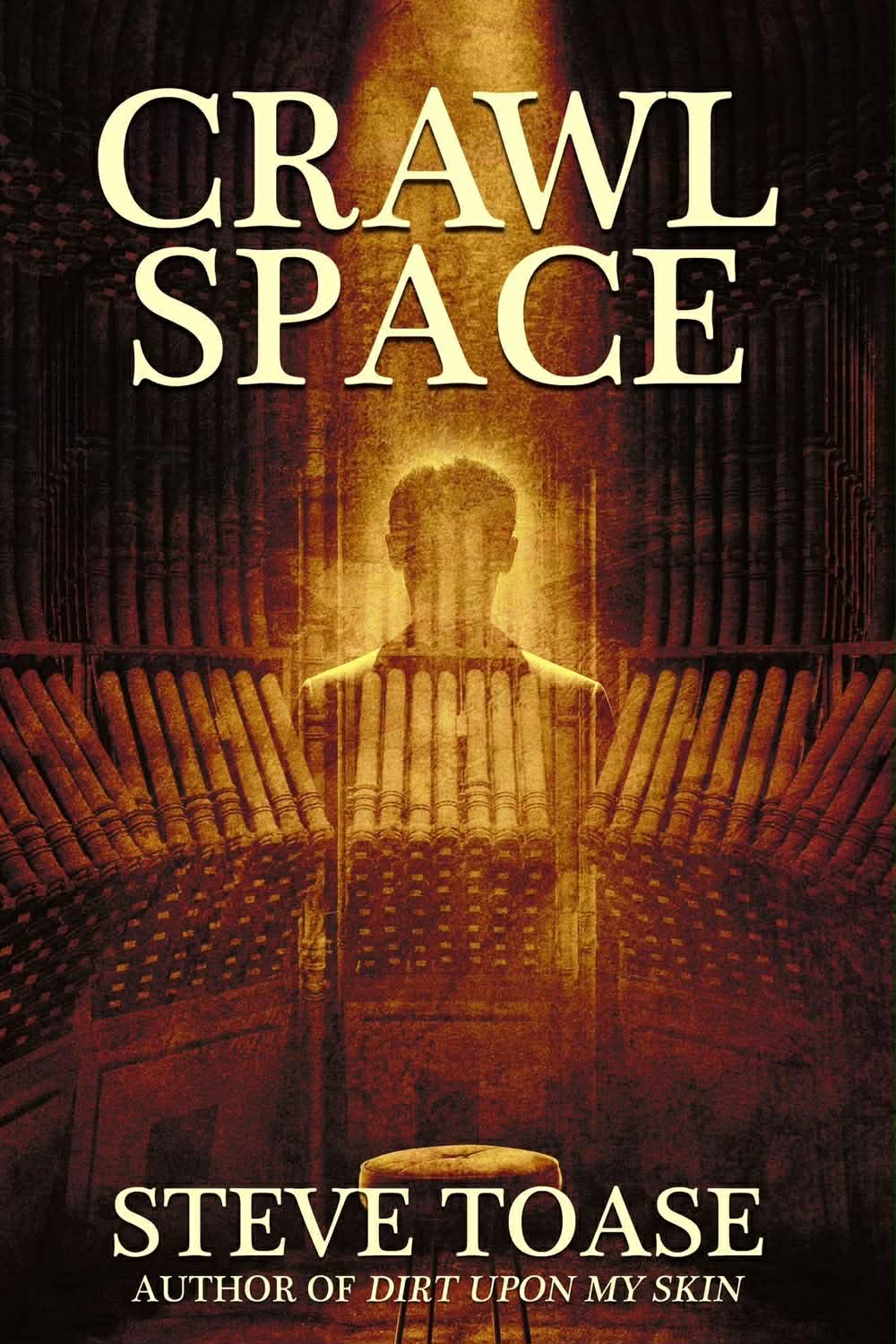
Scarlett at JournalStone was great to work with. When I had questions, they were answered quickly, and the process was really streamlined. When it came to the cover art, I sent examples of artists I liked, and JournalStone came back with the wonderful work of Mikio Murakami, which, for me, really captures the feel of the story.
And now your book is about to be unleashed on the world! How are you feeling?
Excited but nervous. This is my first longer story out in the world. I mainly write short stories, so to see my novella out in the world is thrilling. It’s a nice halfway point between my short fiction and longer books, helping me find my feet with pacing, character, etc, over a longer narrative. I love the way the book has turned out. The cover is gorgeous, and I think the story hit the points I wanted to. The first reviews have been good, so I’m just hoping it finds its audience!
What would you like us to know about this book?
I use textures a lot in Crawl Space, things that feel slightly unsettling to the touch. When you’re working on archaeology sites, you often encounter more modern remains, like old razors or cufflinks, or cutlery (sidenote – these are archaeology too, falling under the umbrella of contemporary archaeology), and often through age they have accretions on them, which can be very unnerving to handle. Also, Crawl Space features worms that aren’t quite like normal worms. A lot of worms that aren’t like normal worms.
Who’s the ideal reader for this one? What sort of things do they like to read about?
If you like weird horror where things are unsettling, if you like discovering about old technology, or if you like archaeological horror, then this is for you. There’s quite a lot of body horror in there too. You might find yourself disappearing down a rabbit hole about pneumatic postal delivery systems though…
Your Writing Process
Are you a plotter or pantser or somewhere in between? How do you do your first draft?
I’m a pantser 100%. I’ve tried plotting, but for me that kills the story on the page. When I’m writing short stories, I tend to edit as I write, so there isn’t necessarily a strict first draft. With longer work, the first draft is me discovering the story myself, then the following drafts are where I tidy it up. I have a card from Oblique Strategies on my desk which says ‘Gardening, not architecture’, and that’s how I think about my stories, but I need to plant the garden first, and then I can start moving around the bedding plants, fruit trees, and shrubs.
How do you approach writing? Are you the type or writer who needs to treat it like a job? Is there a particular time of day you find best for you to write?
I write three days a week, and my usual approach is to have one day for short stories, one day for whichever longer project I’m working on, and one day for articles. These aren’t fixed to specific days in the week, so I can switch them around as I need, and recently I’ve been working on a novel, so to get the first draft finished, I spent a month just working on that. I definitely write better in the morning, although I am fairly flexible if I need to be. Having said that, I normally spend Sunday evening writing up my Patreon story, and the blog post for Project Repoman, my current blog project rewatching the Moviedrome seasons of films in order.

Geek out about stationery: do you use a notebook? A specific type of pen? Or are you computer all the way?
I work on my computer almost exclusively, apart from once a week. My son bought me a notebook, and on the weekend we’ll go to a cafe and do a couple of writing sprints (twenty minutes of writing only interrupted by a drink and cake, then another twenty minutes of writing). I use the notebook he got me for that. It’s almost full now, but it’s not too long until Father’s Day here in Germany…
Is any of that different for editing?
I sometimes print out work to read it through, but again I usually work almost exclusively on the computer.
Where do you work? Do you have a comfy, creative space at home or are you someone who has to grab the moment wherever it comes?
I’m lucky to have an office with a small sofa in it, surrounded by bookshelves, and a view out of the window over the Franconian Forest. I sometimes get distracted by the red kite that flies over our house, but normally manage to stay fairly focussed. I can work in most other settings if I have to, and do like writing in cafes, though it’s so easy to work in the study.
What’s your writing soundtrack?
At this moment it’s the Vangelis soundtrack for Blade Runner. I listen to a lot of instrumental music when I’m working, such as Philip Glass, Boards of Canada, Pye Corner Audio, and Nils Frahm. Lamb, Agnes Obel and Hooverphonic feature a lot, and I’ve just discovered Fever Ray. Recently I’ve found more and more classical seeping in, like Rachmaninov’s Isle of the Dead and Beethoven’s Fifth. I also listen to a lot of BBC 6music.
Do you have a writing ritual?
I’ve started one specific ritual which is more to do with pausing during writing, and was a real help when I was working exclusively on my new novel WIP. At about 10am, I’d make myself a cup of tea, get myself some biscuits, light an oil burner with some vanilla oil on, then sit down and read a chapter of a non-fiction book. The first book I read like this was A History of Europe in Twelve Cafes by Monica Porter, and I’ve almost finished Writing the Uncanny, edited by Dan Coxon and Richard V. Hirst. It’s a physical break from the keyboard, and gives me some time to lose myself in good writing.
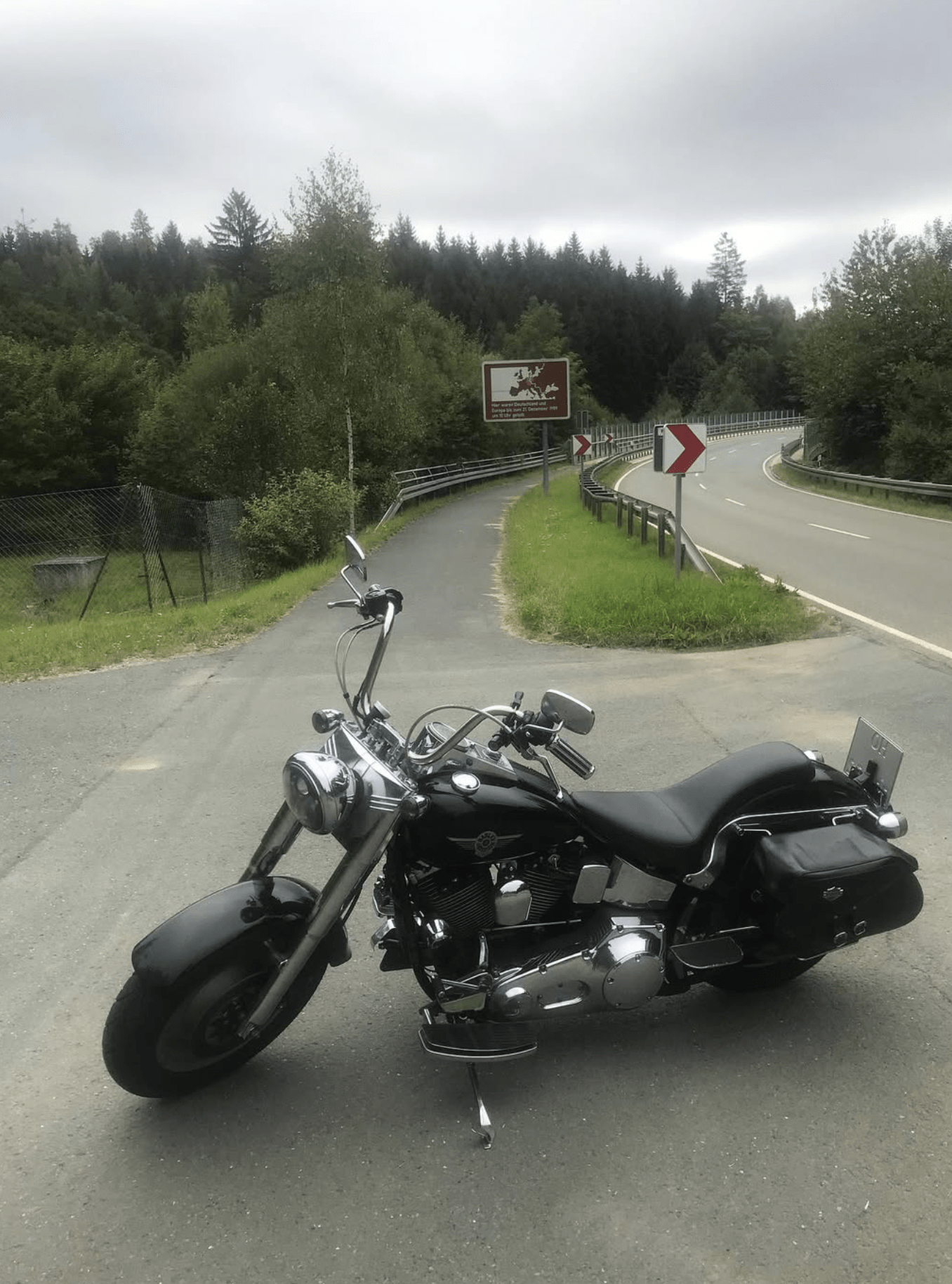
I also often go out on my motorbike to have a break from the desk, and for some reason my motorbike has a habit of coming to a stop at cafés that serve good cake. All my bikes. Not sure why.
(Pictured, from Steve’s Instagram: one of his bikes out on a research trip recently.)
Where can we follow you / find out more about your work?
I have a blog at stevetoase.wordpress.com where you can follow my work. I write about cafes in the part of Germany where I live, motorbikes, biker fiction and films, and the films shown as part of the Moviedrome seasons back in the eighties and nineties. I’m on Bluesky and on Instagram at both @hermannyorks and @steve.toase, though more active on the former.
Crawl Space is now available via JournalStone, as well as most good bookshops.
Leave a Reply