The winners of the British Fantasy Awards 2026 were announced at Fantasycon. Find out all the details on our blog.
For all things fantasy, horror, and speculative fiction
-
Announcement:
Talk Your Lit: “Horror is the most honest genre”
Talk Your Lit is a podcast dedicated to horror and dark fiction by BIPOC authors. Karin Robinson spoke with its creator and host Nailah King last month about her “villain origin story”, why horror books can be a comfort read, and the poltergeist that haunted her great aunt in Barbados.
Stay tuned at the end for details of Talk Your Lit’s annual Deeply Unserious Bookish Awards—nominations close on 1 December!
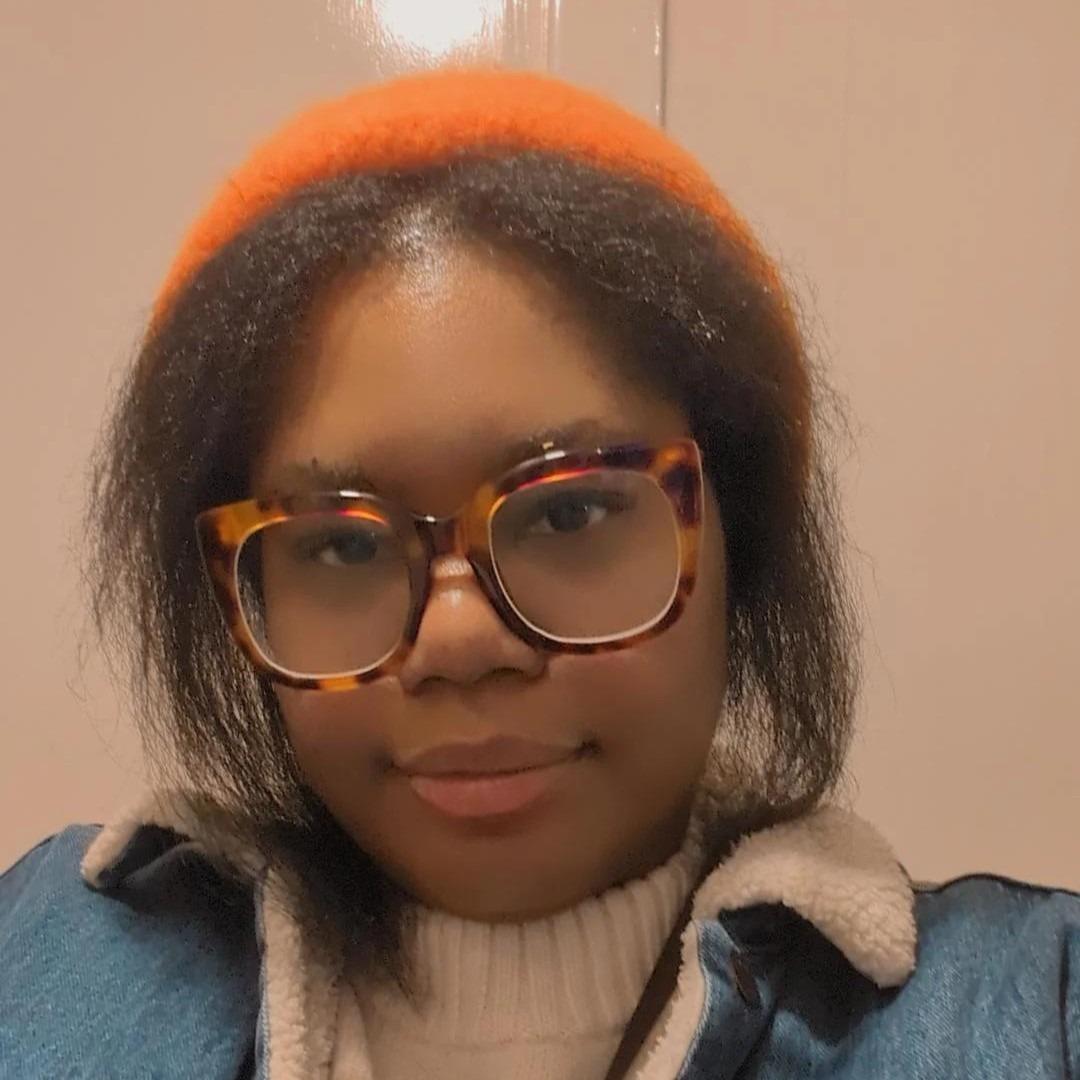
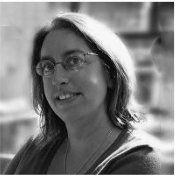
Nailah King (pictured) is a horror and crime writer and the host of Talk Your Lit Podcast, a show featuring dark fiction by BIPOC authors for the ghouls next door. She writes grim stories about haunted Black women pushed to the brink. Her work has appeared or is forthcoming in Dead Pretty, Analog Horror: A Comma Course Anthology,Tinsel: An Anthology of Holiday Horror, and The Cookout Anthology. Nailah’s short story, “The Dead Last List” was one of the winning entries of Night Terror Magazine’s 2024 Horror for the Holidays short story competition. When she’s not writing or at the mic, she’s being bullied by her cats in Scotland.
Follow Nailah and support the podcast via these links:
Karin Robinson: I want to start off by just asking you to tell me about you—your writing journey, your reading journey, how you came to podcasting. What brought you to this point?
Nailah King: So I’ve been kind of in the writing space really since 2011. I kind of built up my skills in the literary journal world back in Canada. And then I was also part of Room Magazine many years ago now, but co-led their first women of colour issue, which was exciting at the time. And yeah, that’s kind of how things really started and then I moved to Toronto and kind of got stuck in the corporate rat race, if you will.
KR: I know it well.
NK: And had I had been kind of submitting still to contests and magazines, but I submitted to a prestigious kind of larger emerging writer prize—this is my villain story. It’s pretty known that someone who was longlisted and then won that particular prize, was not actually an emerging writer. That incident led to five years of not writing for me. I think I was disillusioned. I was fed up. And it also zapped my creativity.
So I took five years off. My now-husband got into a Master’s program in Scotland. We moved here. And then, I kind of just got back into writing slowly. I wrote a terrible first novel, truly garbage, but it was therapeutic. It was therapeutic to try and do so also fearlessly.
I think that’s what kind of brought me back. So I created a social media account, really just to keep myself accountable, because again, I had had such a large gap between writing that I kind of felt like the added visibility is going to keep me writing. And over on there, I post a lot of diverse book recommendations and stuff as well as my own writing updates, and the account has grown for me.
I just wanted to have more discussions around the horror space in particular, but also speculative fiction generally, although I don’t really do a lot of fantasy. It’s more on the darker, like crime, thriller and horror side of things.
So that’s what the page was focused on. And then, like a lot of things in my life, the podcast kind of started out of spite because a lot of my peers were just not getting on these horror podcasts. They just weren’t being asked. And if they were asked, the experiences on those shows were not great because a lot of people just didn’t have the cultural competency to be able to have craft-based, meaningful discussions. I remember being really irritated for one of my peers and I was like, oh, I’m just going to make a podcast. I have a mic, you know, that I bought more recently. And then I acquired headphones later.
I was like, I’ll just make this show and we’ll just see what happens. Thinking that, you know, nobody’s going to be really interested. But I also didn’t want to look like a fool. So I did create this interest list for guests being like, okay, maybe I’ll have five people fill this out. And I ended up with 41 or 42 submissions. It ended up being a larger response than I thought it was going to be, in a good way though. And yeah, that’s kind of how we got here. It’s been an interesting side quest so far.
KR: Incredible. So that’s the story so far. Like you say, you’ve been on a journey, all kinds of side quests. And I’m so happy that you find your way back to writing and to the writing community, despite a very frustrating experience. So the podcast is called Talk Your Lit. Tell me about it.
NK: So it is a silly show, but we talk a lot about craft and I feature BIPOC writers only, specifically in the thriller, crime, horror genres and some in between, you know. I’m not a genre cop at the end of the day. There’s lots of folks who are mixing genre. I spoke to a really talented writer the other day and he thinks genre is fake. So stay tuned for that. His takes are so fun, but they’re a little spicy.
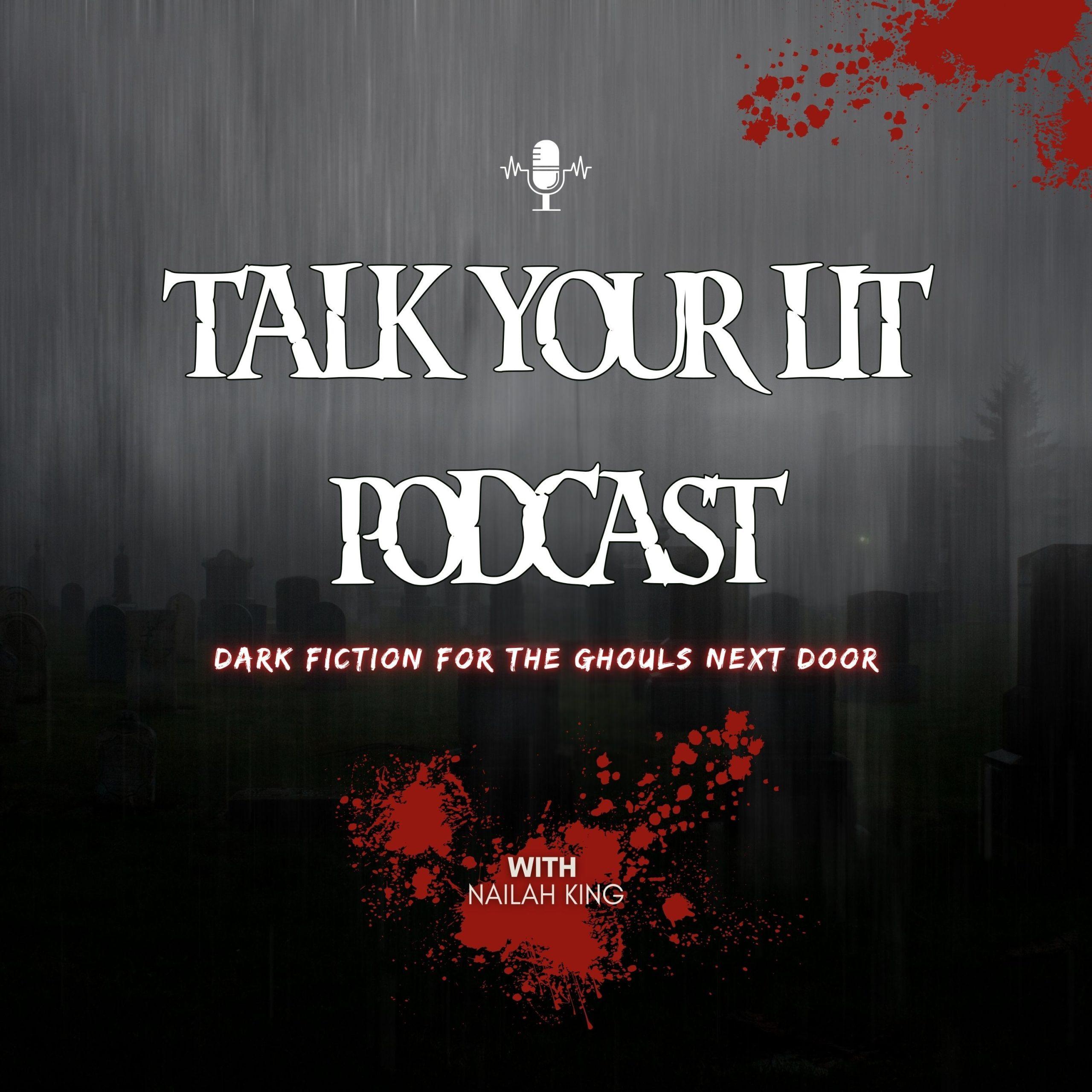
But yeah, I think that’s basically the show in a nutshell. And then I start with kind of helping people ease in because again, people have kind of come from like maybe negative experiences. So we try to have a little bit of fun with some icebreaker questions. And then I ask a lot of like in-depth questions, which I think some people have been intimidated by.
I got an application form that was like, “you go really deep”, and I was like, yeah, it’s not going to be, “what’s your favorite horror book” type of questions, right? I want to talk about the work. And then other people have been like, “oh my gosh, I’m so glad to actually have a craft conversation. We never get this.”
It’s so many questions around like our identities and not about what we’re writing. So that’s obviously a real pleasure to be able to facilitate that space. And then because I’m me, every episode culminates with, I give them 90 seconds to pop off.
I do occasionally do roundtables as well. So with BIPOC creators, I did a kind of halfway through the year roundtable and then I have a forthcoming roundtable with some BIPOC horror romance writers talking about the state of horror romance, which I’m very excited about. There will be more on my page about that soon. And then next year, there’s a ton of really exciting BIPOC authored horror and crime next year. So I think we’re going to have a lot to talk about for the roundtable as well.
KR: Incredible. It’s so fun. I was listening to a bit of it earlier, and like you say, you go hard on craft, and especially across the darker genres, horror, dark thriller, etc. What is it that draws you to those to those territories, both as a writer and as a reader and cultural critic?
NK: I think some of it is cultural, because one of my favourite stories—and again, this is known lore—that I was told as a child is my mum’s great aunt’s run-in with a poltergeist. And this is a story told orally back in the Caribbean, back in Barbados. I grew up in a family where, despite being quite religious, they also were big believers in the other world. And I’ve never heard the sentence “ghosts aren’t real” because my family don’t believe that. Because my parents are very like, “we don’t know that we don’t have the intel or the data to say that definitively.” I think that openness to death, to life on the other side and all of our cultural folklore, really interested me from a young age.
And then I think like a lot of writers who study literature in high school and, for me, a BA, I haven’t done any advanced education in that way, we become kind of stuck. You’re kind of stuck with a canon that is not very interesting. You know, you might get a little genre if you got like a—I don’t want to be ageist or say it’s an age thing—but like if you got a young hip professor that year, but in general, it was Faulkner. It was Hemingway. It was, you know, if your prof was feeling spicy, maybe you got a little bit of Marquez.
The classics have a role, and I think that’s really important. But I think by the time I left university, I was feeling indoctrinated and I didn’t want to read any of that stuff anymore. So when I made my way back to reading more recently, I really dove in, because I’ve always been a spooky person. I grew up in the era of Are You Afraid of the Dark?, Goosebumps, Gargoyles to a degree, the darker seasons of reboots, like The Charm, so much horror content. I don’t think it really left me, but as I shared in my nonfiction essay, I do think that when it hit the 2000s, it became very monolithic. The spooky stuff became very white. And so I didn’t see myself in those stories, so I kind of distanced myself.
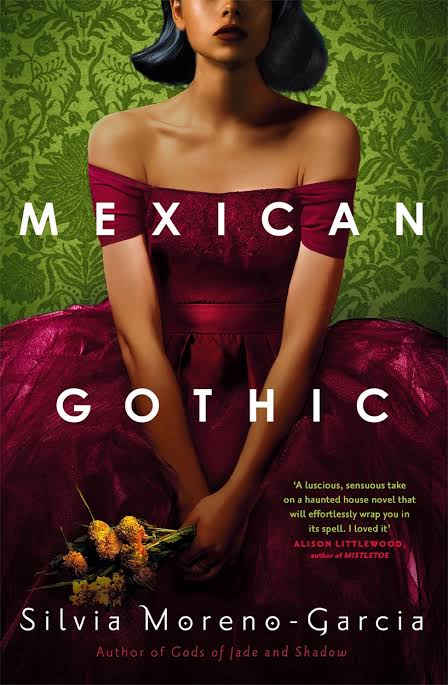
So by the time, I want to say the 2020s came back, or when the 2020s emerged rather, and we had more inside time, if you will, because of lockdown, successive lockdowns, I kind of just wanted to get back—like what all of us millennials are doing—I wanted to get back to the stuff that used to make me really excited and really happy. And that was weird, spooky stuff. And so I kind of just started reading Rex again because I’m kind of out of my depth and I really wanted to focus in on like this BIPOC community. So I think the first horror book that kind of brought me into the conversation was Mexican Gothic (by Silvia Moreno-Garcia). I think that brought me to, oh, like there’s a whole new, there’s this new school of writing emerging and I want to be part of that.
And then in terms of writing, my writing has always been a bit dark, but I think I’ve been really pushing myself to go darker. I don’t even know where this, how it went off the rails, but I wrote this doppelgänger story. I remember hitting send being like, this is going to be too weird for them. The call was more around cultural monsters, whereas I was going like very existential, like tech horror with it. So needless to say, when that rejection came in, I was not surprised. But I still stand by the work in the sense that I like to try things and like to be bold and ambitious. And one of my podcast guests, Ezra Clayton Daniels, who did Mama Came Callin’, which is a sort of swamp graphic novel, his whole thing is to beat AI you’ve got to write some weird, weird stuff. And I feel like the weirder it gets, the more singular it is, particularly at a time where AI accusations are being directed primarily at Black creators.
KR: I love that. I’m really interested in what you were saying earlier about you going back to things that gave you pleasure and comfort when you were younger, which ironically was the darker horror stuff. And I’m really interested in this place of horror in the world right now, because I think I’m pretty safe in saying, you know, you’re Canadian, I’m American. It’s been weird out there. It’s a pretty uncomfortable time to be alive, especially, I would imagine, as a BIPOC creator. How do you see the opportunity of storytelling in the world? Do you see it as this is a place where we go to find our comfort and our pleasures? Or do you see it as like, this is a way that we can, in some way, speak to some of the things that are happening in the world? Both answers are valid, but I’m just curious, how do you think about it?
NK: Yeah, I mean, I think for me and my sort of cultural lineages, I hate to do it, but I gotta, I just gotta be like slavery. Like that is like something that is so violent and so disruptive and robs our culture of like, the Black Caribbean culture in particular of so many lineages and so many things. So I think for me, it feels more resurgence than anything.
KR: It’s a continuity rather than something truly new. Yeah.
NK: Yeah, like I think there’s always like ebb and flow and progression and backlash, you know, and it was six years ago that people were starting to see all these systems and how they harm all of us, but certainly Black folks and people of colour especially. And then we have already we have already undone that.
KR: Right. The backlash, it hit hard.
NK: In terms of what’s happening now, I think horror is probably the most honest genre. My challenge with speculative and fantasy is that I’m a doomer and I don’t want to speculate. It’s hard for me to envision futures when we keep getting on the cyclical thing. I have huge respect for those writers. I love that for them, but I think for me, for particularly the Caribbean Gothic and getting back to the podcast, I love that I’ve been able to create that space, particularly for the Caribbean Gothic, which exists because of the colonial project.
I think horror and darker fiction and telling things the way that they are and have been keeps things honest. As I think about deconstructing and decolonising all the things I’m trying to do, particularly around the whole project of publishing, a lot of the originators in terms of storytelling, so like the African Griot, those are oral storytellers. Stories had value. Stories were meant to communicate something.
Getting back to my point about horror being the most honest genre, I think what horror is really good at is telling stories of women’s rage in really impeccable ways. It’s not that literary fiction is not doing that, but I think horror is allowing women to have that rage, that unfettered rage. And then I think it’s also honest about the horror of experiences in marginalized communities as well.
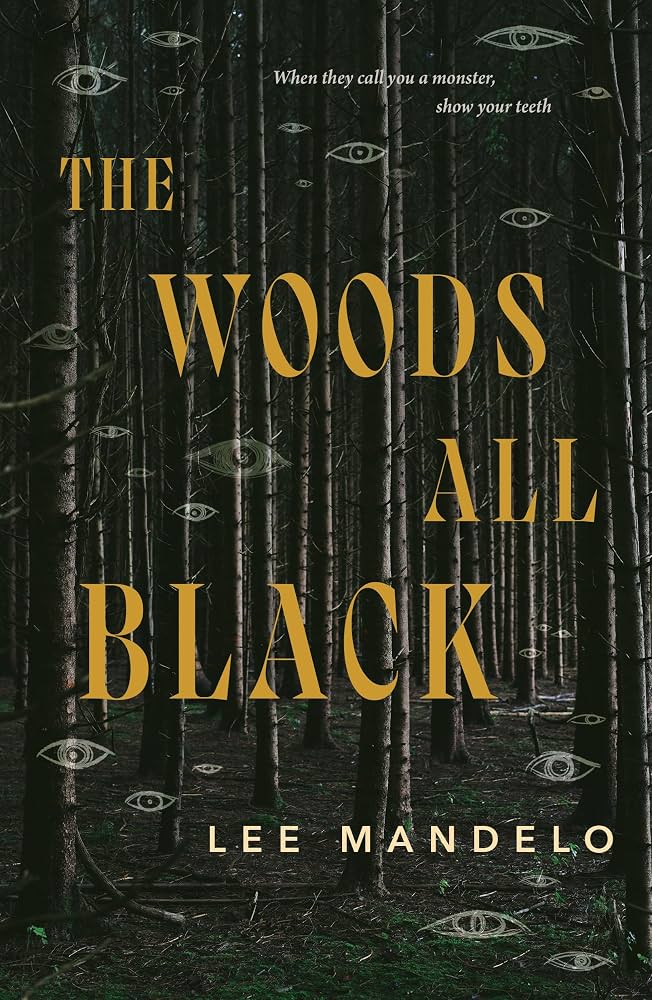
I read All the Woods Black, which is by a trans author whose name is escaping me (Lee Mandelo). But the horrors of just what they have to experience, the character has to experience in the 1920s or something like that. But also that some of the things are not that different than what’s going on now. So I think there’s something really… valuable about the lens of horror, which it allows us to look back, look forward, and then also look at what’s happening now. I think that’s something that’s really powerful. And that’s kind of what I see in horror. And that’s what I write about—I always want to bring attention to something that just scares the crap out of me, and because of the body that I’m in and the intersections that I carry, that does often include identity things.
So yeah, that’s my very long-winded way of saying, if you want to be a truth teller, I think maybe horror is the right genre for you. Because I also feel like we can handle that, you know.
KR: So we’ve talked about the dark side and the struggles, but your podcast is evidence of the fact there is some fantastic work out there and there are some incredible creators. Talk to me about what excites you when you look at the more genre.
NK: I love the horror genre right now. There’s people doing so many cool things. I mean, obviously shout out my very cool guests, like A.P. Thayer wrote Tapeworm, which was this weird, weird complimentary vampire story that’s kind of breaking up that whole rich guy in a castle thing. So I love that.
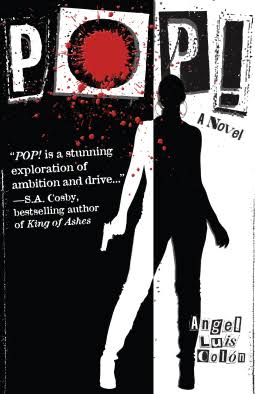
There’s tons of genre blending right now. I really enjoyed Pop by Angel Luis Colon. That’s about an Afro-Latina assassin, essentially, and her lust for success and ambition and whoever’s going to be in her way, she’s going to take them out. And I just think it’s such a cool, cool genre blend.
And then what else? I really like The Twelfth House by Robert de la Chevotière, another fellow Caribbean Gothic writer, talking about fate and destiny and such and in such a haunting story. Very cool.
Yeah, I just feel like there’s a lot of really great work out there. And I look forward to talking to more people, but I’ve just been having really cool conversations with people kind of across experience. I’m always going to say that if you’re a more emerging or if you’re indie or you’re self-published, you’re always going to have a place on my show. But then there’s obviously some heavy hitters who have been on the show or who about who are about to be on the show. I think season three was sort of a big moment for bigger names. Some buzzy debuts, but also some more established writers and the like.
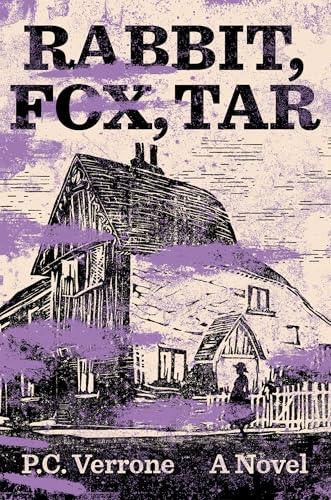
So yeah, it’s been fun and I think I’m excited to see—I don’t want to say innovation, but I guess evolving, seeing more writers in different genres and spaces that they may be, or sub-genres that maybe they didn’t envision themselves being in. Like I had done a post about Coastal Gothic and it came up in a discussion with P.C. Verrone, who wrote an incredible folklore book Rabbit Fox Tar. And after our conversation, he’s like, oh, I should, you know, write about this coastal Gothic. And I was just thinking, I’d love to see more of us kind of write in those sub-genres where there aren’t as many titles. Because I think haunted house Iit’s my favourite, you will never convince me not to read a haunted house book, but there’s a lot of them and I love them all. But yeah, seeing more people, I just posted today about like botanical horror and some of those sub-genres that maybe more BIPOC authored books in there.
KR: Botanical horror sounds really cool. Love that. Cool. So you’re obviously really knowledgeable about your genre. You’ve had some great conversations with some amazing people. You’ve had, what, I think 28 episodes into the podcast now. What have you learned? What surprised you in doing the podcast?
NK: I don’t know how to say this in a way that doesn’t make me feel like maybe naive or arrogant in any way, but that people would listen. I just checked my stats today and there’s 2500+ all-time downloads, which I know for the fancy larger pod, the more popular podcasts, that’s a drop in the bucket. But for me, I’m like, I can’t believe that many people are downloading these episodes. There’s an audience there.
I think that surprised me a little bit. And yeah, just the level of interest, that one’s kind of a double-edged sword because for some guests, this is their only podcast experience of the year. It’s cool to create the space, but it’s also a bummer that I’m not seeing as many people being interviewed elsewhere. And some people I want to keep to myself, but I love them so much.
Another surprise is that authors are really excited to be on the show. And I guess more recently, that people are anticipating or like hoping that certain people are on the show. So that’s kind of cool.
Again, A.P. Thayer is a pretty buzzy debut. And so many people were like, is he going to be on the show? Is he going to be on the show? So that’s very cool for me that it’s fun to drop that. And then for next season, you’re hearing it, you’re hearing it here first…
KR: Breaking news!
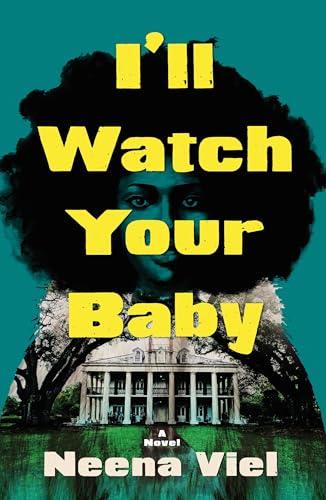
NK: Neena Viel is going to be on the show, which is very exciting because so many people asked me if she was going to be on the show. She wrote two horror novels, Listen to Your Sister, which is a bananas folk horror with heart and grit and family. It’s unpacking misogynoir, unpacking like family roles, just really amazing. And then her release this year, I’ll Watch Your Baby, which is about a woman in STEM. And yeah, I’m very excited to have her on the show, but because of her meteoric rise from that book, so many people have been asking me if she’s on the show.
So now I’m being put in the position of people are asking, is this person going to be on the show? Is this person going to be a guest? So it’s kind of cool to be seen as the go-to podcast for that. And I definitely want more of my peers to start podcasts, obviously, but it’s still kind of cool.
KR: Right, so there you go. Everybody out there, start your own podcast, but also listen to this one.
NK: Yeah, exactly.
KR: Fantastic. So I’m going to wrap up there because I’m aware of time, but I didn’t want to let you off the hook until I got the chance to ask one of your own questions back at you, because I know that you have an icebreaker question, which is if you could have I think it’s dinner with any character, which character would you like to sit down with? And I’m just curious to know your own take on that.
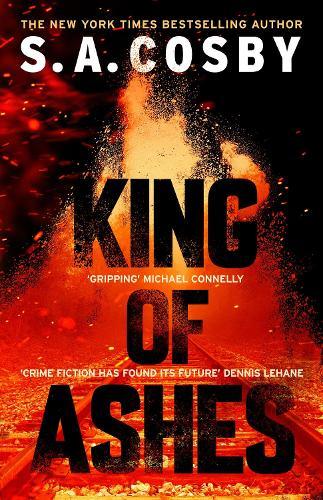
NK: Ohh. That’s a good question. That’s never been posed to me. Her name is escaping me right now. I don’t know why. I talk about this book constantly. But actually, maybe Nevaeh from King of Ashes. Because she, I want to know, I’m trying to traverse not spoiling this, because I asked S.A. Cosby this question, a very similar question when he was at Bloody Scotland, which is, is Nevaeh a cycle breaker? And I would want to know, at what point did you realise you needed to get the hell up out of this family? At what point were you like, these people are never going to change? This is what it is. Loving these siblings is not enough. That’s, I think, what I would want to know. She is messy.org. Just, like, a mess. And I loved her whole arc in the book. But yeah, I think I’d want to ask her how did you navigate all of that?
And then I think the other character would be Calla, the MC in Listen to Your Sister, and be like, why did you not slap your brothers? Because they were working a nerve the whole book. I’ll ask her that on my podcast. But yeah. Listen, and I know that like, it’s kind of a genre made-up of like, it really be your family horror, which is like, it really be these people. I don’t know how she put up with them especially as this sort of like self-sacrificing older sibling who’s trying to do her best, you know?
KR: I love that. For my work in progress novel, I have this alternative strap line, which is, “yes, this family is a cult, but aren’t all families really, if you think about it?” Because families be crazy.
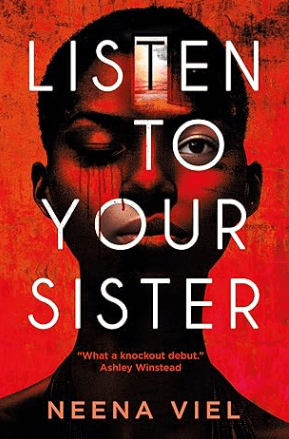
NK: They do, they do. Actually, you’d probably like a lot of Vincent Tirado’s work because that’s it. The families be whack. It’s just a good micro-trope, I guess it would be, of just these families driving people up the wall. But yeah, the King of Ashes, Listen to Your Sister are really great. Also birth order, I think plays into some of these shenanigans as well, and the roles that siblings assign themselves as a result of that. Oldest daughter vibes. I think that’s who I would talk to.
KR: So listen, I’m going to give you one last chance to pitch the podcast however you would like to. Why should everybody sign off right now and go away and immediately download Talk Your Lit onto their podcast app of choice?
NK: Because it’s a great place to connect and learn more about diverse authors. We have a great time. Half the time is just, I think the episode I filmed with Gianni was just us giggling. And also having really in-depth conversations about culture and capitalism and all the isms, but also having a good time. And, you know, maybe there’s a hot take that you agree with or don’t. So you’ll just have to figure out that every episode.
KR: Come for the fun, come for the fight, come for whatever. Love it.
Vote in the Deeply Unserious Bookish Awards!
Dark fiction’s most unserious book awards are back! This time it’s that much more unserious. This award honours the funniest and most unserious bookish moments and celebrates the writing community as a whole. Cast your votes here; voting closes on December 1. Don’t miss your chance to support your favourite BIPOC author!
Meet the guest poster
Leave a Reply