The shortlisted works across all 13 categories of the British Fantasy Awards have been announced! Find out who’s in the mix over on our blog. Winners announced at Fantasycon in October.

For all things fantasy, horror, and speculative fiction
-
Announcement:
Exploring Queer Horror: Shirley Jackson’s The Haunting of Hill House
In the latest instalment of his new essay series on queer horror, gothic scholar Bronte Rowan turns his attention to the legend that is The Haunting of Hill House and its mid-20th century queer coding.

Gather round, friends of Dorothy. Let’s have a talk about queer coding while we discuss this month’s novel, The Haunting of Hill House, by Shirley Jackson.
One of the reasons it resonates with so many readers is because of the hidden truth behind the opening paragraph:
“No live organism can continue for long to exist sanely under conditions of absolute reality; even larks and katydids are supposed, by some, to dream. Hill House, not sane, stood by itself against the hills, holding darkness within; it had stood so for eighty years and might stand for eighty more. Within, walls continued upright, bricks met neatly, floors were firm, and doors were sensibly shut; silence lay steadily against the wood and stone of Hill House, and whatever walked there, walked alone. “
Many scholars believe that Hill House itself is a character in the novel, and if you’re like me, it might be your favourite one.
However, living in an “absolute reality” is certainly one of my biggest nightmares. (Face the fact that change is needed if you want to thrive, Bronte!) I refuse to accept the reality woven out of hatred for anyone who dares to be different as truth just yet. That is just a temporary reality, and speculative fiction helps us flee that until life is good again.
However, for many people who have overly traditional values to the degree that they are outdated in the 21st century, “absolute reality” is a different kind of nightmare. Having to face the reality of science, or that perhaps they were wrong about sexuality and gender identity after all, sends them on another rant on social media. Sanity, now an outdated term, is a curse.
What, after all, would happen if their flamboyantly dressed friend suddenly showed up with a same-sex partner to a community picnic? What if those two best friends living together actually shared a bedroom not out of poverty, but out of love? What if, God forbid, someone changed not only their name (as happens often enough when people get married), but also their pronouns?
All of these situations seem to be as speculative to many conservatives as fantasy, science fiction, and horror fiction are to us. The difference is, queer authors and their allies are less afraid of what we don’t understand, and we rarely make our characters hide in some attic room in our house nowadays—like the “madwoman” in Jane Eyre—unless we do so in order to shed light on discrimination.
So, let’s knock on the door of patriarchy, and have some queer straight talk.
More obvious than the queer coded house in Shirley Jackson’s house are the two female main characters, Eleanor and Theodora. They are, perhaps, more than friends. They might have ended up living together, sharing a room just like sisters in a convent, had the house not triggered Eleanor’s death drive along with something inside of her that drives her towards Theodora.
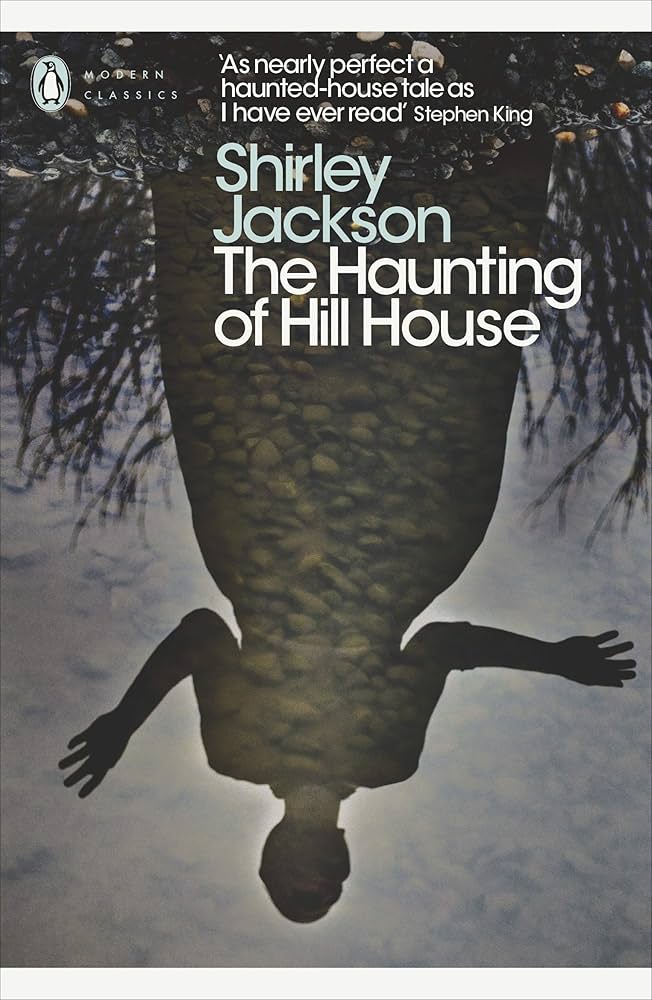
Which leads me to another beautifully apt quote in our monthly novel: “Fear and guilt are sisters”.
Let’s analyze that one for a bit.
As queer people, we are often threatened—emotionally, physically.
We’ve all been there.
Our allies, too, are threatened, for what being inclusive could do to their careers.
To many people, it’s still an insult to be considered “potentially gay”—which, obviously, is the only reason someone could write about non-heteronormative characters, just like Emily Dickinson turned into a seagull when she wrote her poem, “Hope is the thing with feathers.”
Metaphors, however, were the only way people could write about queer characters in decades gone by.
Here, Eleanor, our heroine, who meets an untimely death, drives towards death because the pressure of being an outsider amongst outsiders becomes too much. I remember that when I was young, I, too, often asked myself whether what I was feeling was normal, or whether I was going insane.
Was it okay to think differently?
Was it okay to feel emotions that others don’t—like Eleanor, and perchance Theodora—and to see things in a way that is hidden from what I now know was merely the heteronormative world? Are these thoughts creeping into my mind as evil as whatever it is that is trying to break into Theodora’s and Eleanor’s room?
I know now that people merely like to throw sticks and stones at innocents, just like they did when they attacked Eleanor’s childhood home.
But inThe Haunting of Hill House, it is not only the two female characters whose sexuality is constantly analysed; it is the house itself, it is the text, and it is every one of us readers, too, whether we’re queer or merely allies.
If there’s one thing I may ask of you, it is to take the hand of another nightmare creature like us. We’ll build a community with the bricks they throw, and open up closet doors for generations yet to come.
Most of all, walk where life leads you, take new paths, and know that you’ll never walk alone.
Now, on to my study questions
- Who is your favourite character in speculative fiction that you just know is queer, even if no one agrees?
- When you write about queer characters, what codes do you use? If you don’t use codes, how do you define a character’s sexuality or gender identity? For both of these questions, how have your readers reacted to this?
- This one’s a bit personal, and I’ll put my reply in the comments. Horror has a disproportionate amount of queer characters; have you yourself ever been made to feel like a monster, just because of who you are? If you want to, compare yourself to your favourite fictional “monster”, and reclaim the name.
Recommendations
My monthly recommendations are, instead of books, a few presses, societies, and authors I believe do justice to queerness, instead of attempting to hide us, or give us a corner seat at the table of both writers and readers.
- The British Fantasy Society: I have never felt as welcome and accepted in a society as I do here. Thank you, most of all Lauren, for letting me do this and letting me give a voice to those who don’t have one!
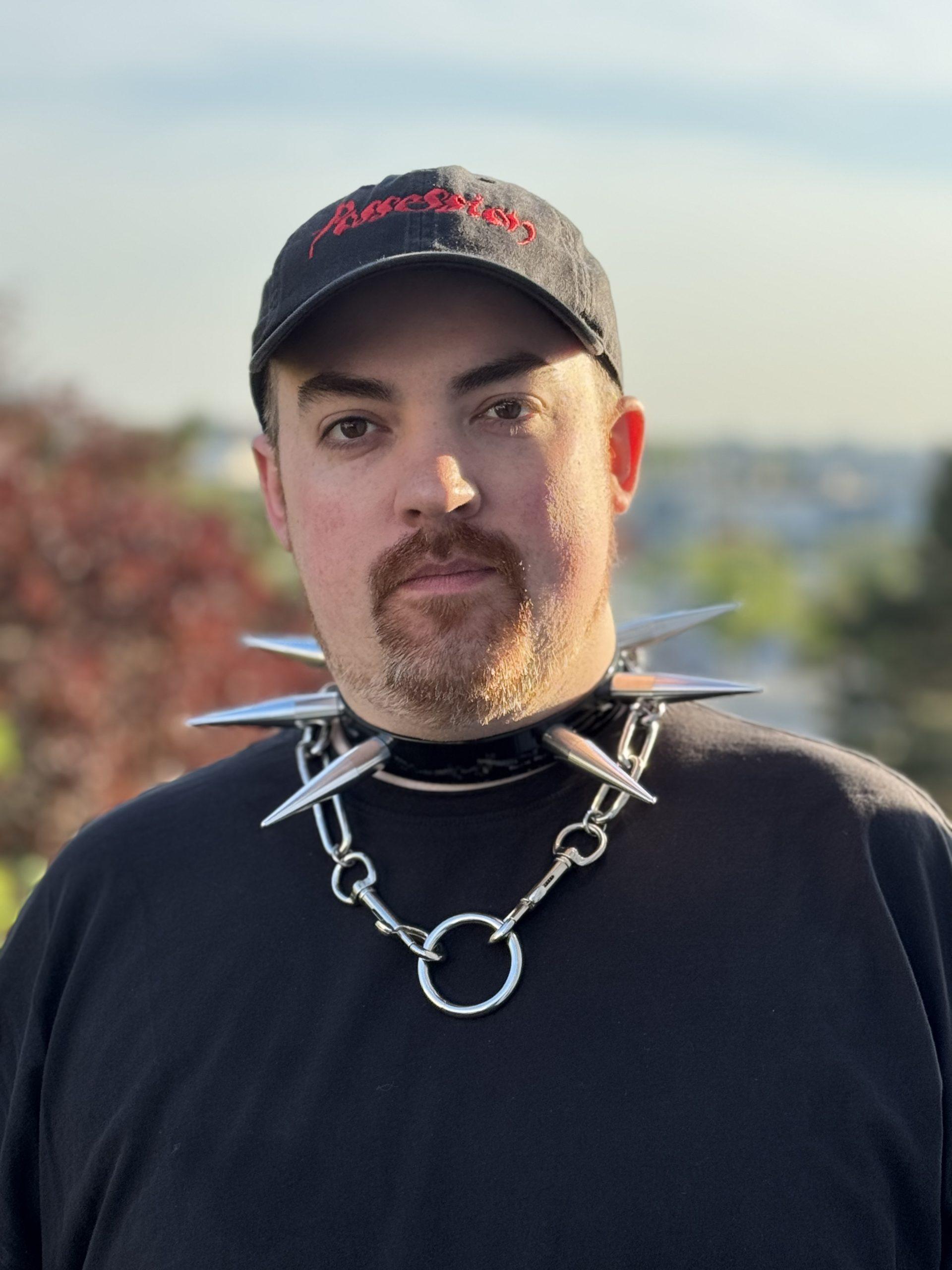
- Eric LaRocca (pictured) and Gwendolyn Kiste, for contemporary queer horror that places us right in the midst of society instead of the outskirts. If you’re looking for authors who began this movement, I recommend starting with Vincent Virga’s Gaywyck, Anne Rice’s vampire novels, or Todd Grimson’s Stainless. In order to support each other, why don’t we all recommend a queer author in the comments?
- Dead Ink Press and Nefarious Bat Press, who have an amazing array of “outsiders” amidst their authors.
Finally, it’s not horror but we’ll always remember you, Dolly Parton, for always being an ally, even at a time when it could impact your career even more so than today.
For next month, we’ve got something very special: join me and an amazing line-up of queer BIPOC authors as we talk about QUEER BLACK WOMEN IN HORROR. In preparation for this, why don’t you focus on that for study question #2? I will share more recommendations in the comments, too!
I understand that, as a cisgendered white gay male, I face less discrimination than other marginalised communities within the queer community, so this topic is very dear to my heart, and I can’t wait to actively learn about how to support EVERY member of our community.
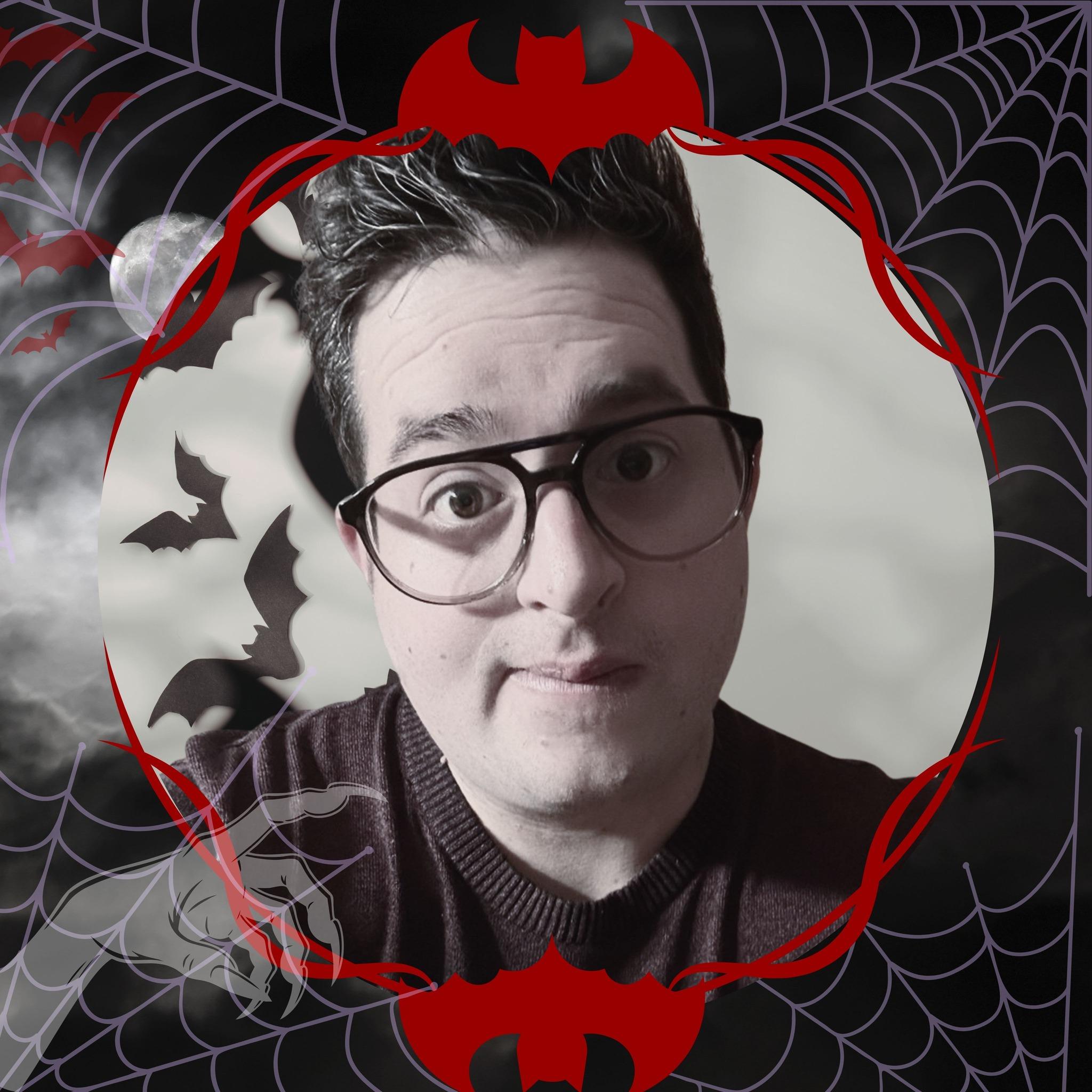
Meet the guest poster
Leave a Reply