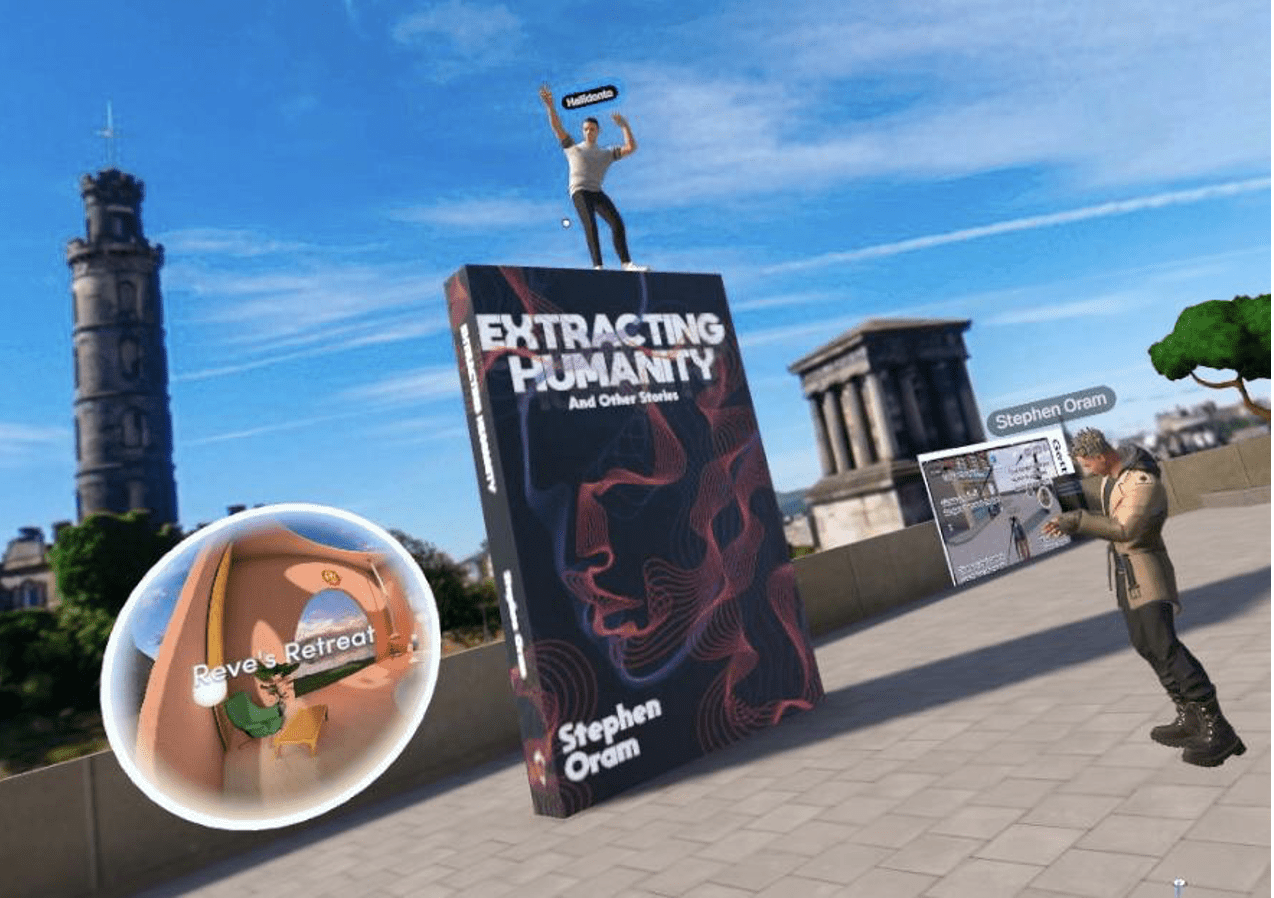
The shortlisted works across all 13 categories of the British Fantasy Awards have been announced! Find out who’s in the mix over on our blog. Winners announced at Fantasycon in October.

For all things fantasy, horror, and speculative fiction
-
Announcement:
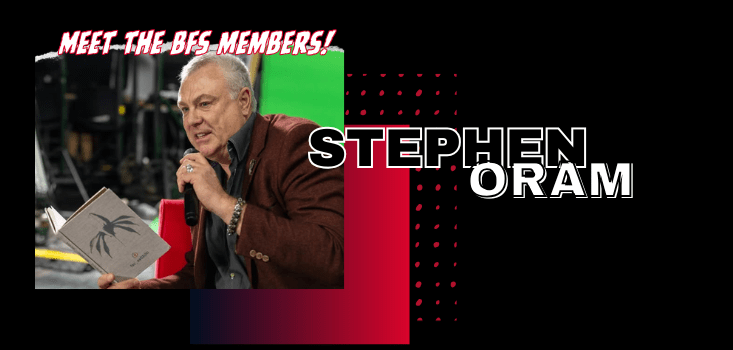
Meet Stephen Oram
Every Friday, we meet a member of the BFS and peer deep into their soul (or, at least, a form they filled out). Want to be featured? Email us: online@britishfantasysociety.org
Name:
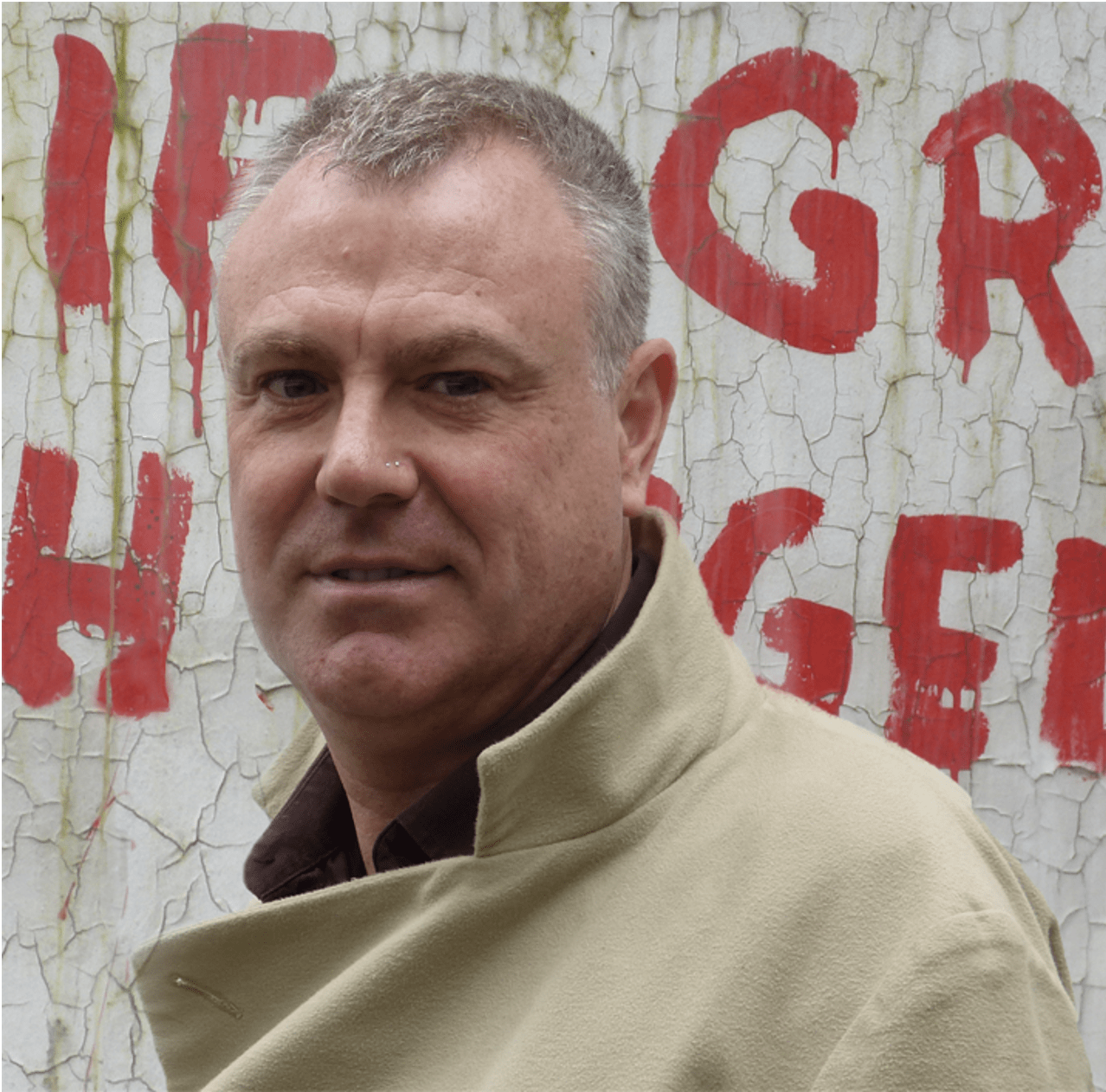
Stephen Oram (he/they)
Which region are you based in?
London
If you write, which genre:
Sci-Fi
Are you drawn to any specific SFFH sub-genres?
Near future, futuristic fables and new weird
Your influences
Tell us about the book/film/thing that got you into SFFH: What was it? How old were you? What impact did it have on you?
I was in my 20s and part of the ‘alternative’ scene of free festivals and squatting and a (not very good) computer programmer when the cyberpunk of Neuromancer drew me in. I recognised some strong echoes of ‘my’ world. Then, when Jeff Noon’s Vurt came out, it really sparked me off. Its impact was twofold—I could relate to the gritty strangeness and it started me thinking about a different kind of the future.
How does that early influence show up for you (in life/writing/agenting/publishing/editing/reading) now?
It’s hard to say how it shows up for me. I use the phrase ‘on the fringe of the fringes’ to describe a sense of liminal living, with one foot in the establishment and one foot in the ‘alternative’. In my writing, I suspect it manifests as an ongoing conversation between the ‘apocalyptic aura’ of, for example, the Stonehenge Free Festival and the establishment infrastructure of society. Oh, and it probably acts as a role model, as writing to aspire to!
Where do you draw your creative inspiration from?
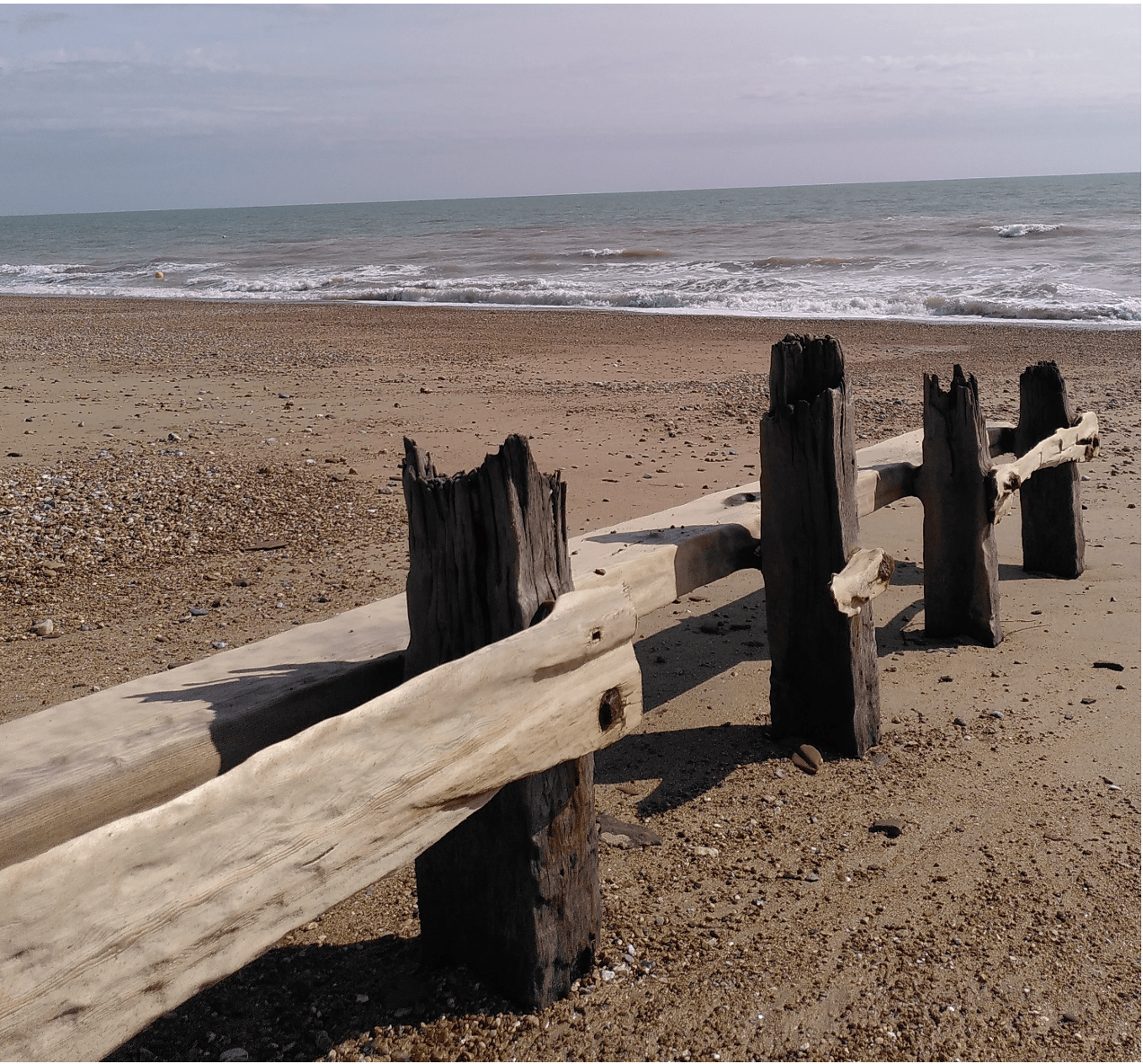
I don’t really know, it varies. With the bespoke applied science fiction that I’m involved in, it’s definitely the work of the scientists and technologists in the projects. As far as any other inspiration, I think it’s from trying to see the world at a slight skew and then letting things bubble up and take their form. I do a lot of walking around London, especially canals, and sitting on sparse beaches watching the waves, a form of day-dreaming and letting my mind wander its own paths.
(Pictured: Camber Sands, a favourite writing spot for Stephen)
Who do you look to as a genre hero? Why?
I find it difficult to focus on the person and find it easier to focus on the work. So, I don’t really have a hero.
Your Work
You’re stuck in an elevator for 60 seconds with that hero, and they want you to describe your work. Give us the pitch.
Tricky, given my previous answer, but let’s use an imaginary person… I try to take readers to a place they wouldn’t have imagined without the writing. Sometimes that’s an extrapolation of cutting-edge technology in a day-to-day setting and often in situations it wasn’t designed for. Other times my writing is more allegoric, often using futuristic biotechnology as the starting point. I attempt to show the world we live in from a slightly skewed perspective, to show it anew. I want to write fiction that messes with your head, a bit.
What are you working on right now?
I’m working on another futuristic fable, a short novella called Skin Bark. I’m also working (and reworking) on a piece that could be a novella, a novel, a trilogy of novellas… I’m excited about letting it become whatever it becomes.
Thinking about all the stories/work you’ve done, what sticks out most in your mind? Why?
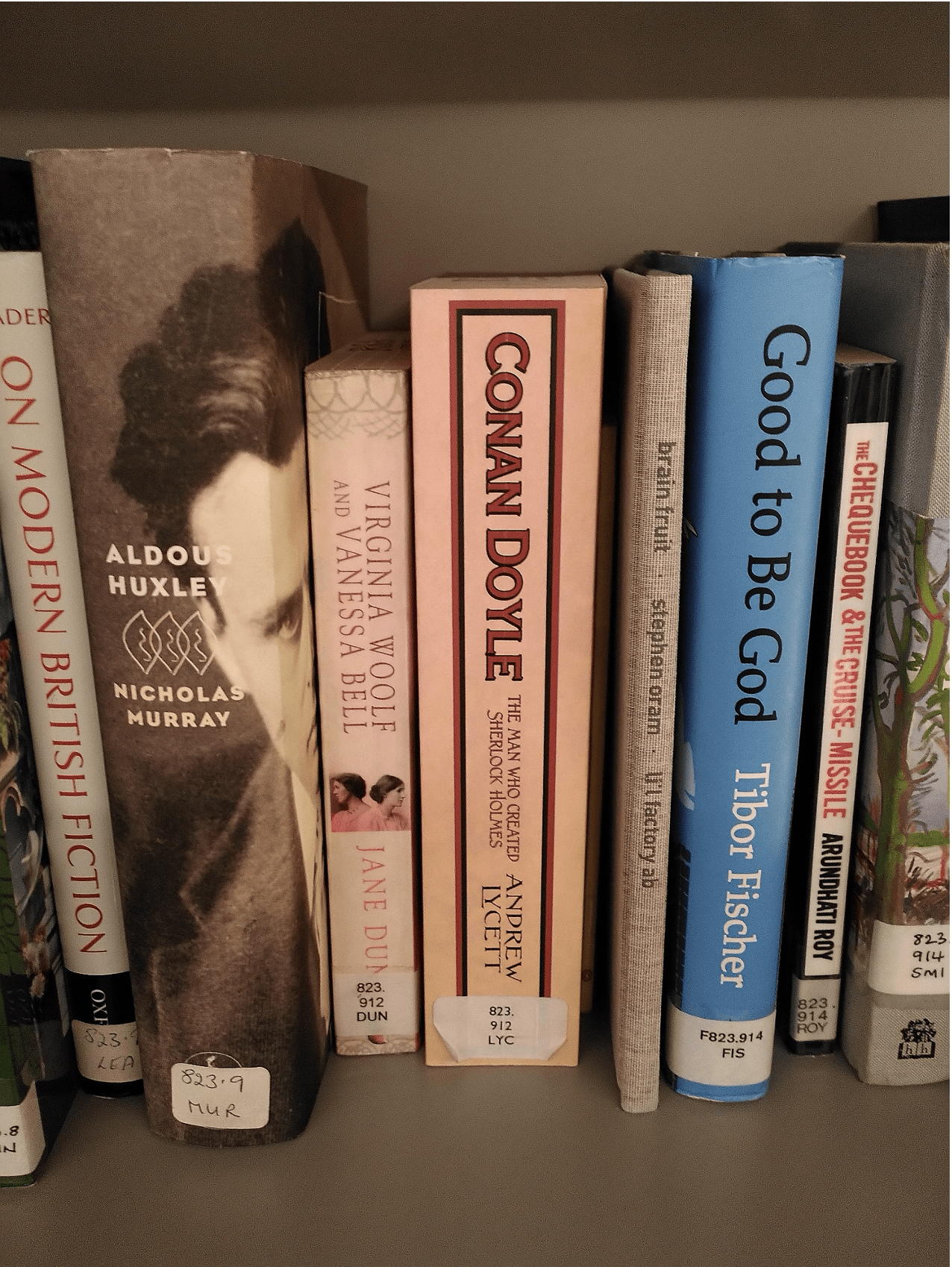
Difficult question. I think it has to be the novella, Brain Fruit. Partly because it’s recent, but mainly because it was an experiment, to see if I could write a futuristic fable. Also, it seems to be going down very well with readers and reviewers.
(Pictured: Brain Fruit has its place on the shelves at the RSA library)
Where and when do you create/are you at your most creative?
When I give my mind space. That might be falling asleep, walking, watching the sea, on a train. One of the sad things about mobile phones / social media is their ability to fully inhabit the spaces once reserved for day-dreaming.
What’s the best advice you’ve received about creativity?
Something that the artist Judith Clute once told me, which I found incredibly helpful, was this: “I start with an idea. Then after I get it started, that’s when I blank it down, and look for an empty space to step into. It doesn’t always work, but it’s a way of trying to get into new territory.”
What’s your writing soundtrack?
Almost anything on the On-U Sound label. I’m a fan of classical composers, such as Dvorak, and you can’t beat a good dose of Dub.
The Quick-Fire Round
Sci-fi, fantasy or horror?
Speculative, leaning towards sci-fi.
Quiet or loud?
Quiet (for writing)
Dark or light?
Light
Strict lines or genre blend?
Genre blend
Awards or bestseller?
Awards
Fiction or non-fiction?
Fiction
Poetry or prose?
Prose
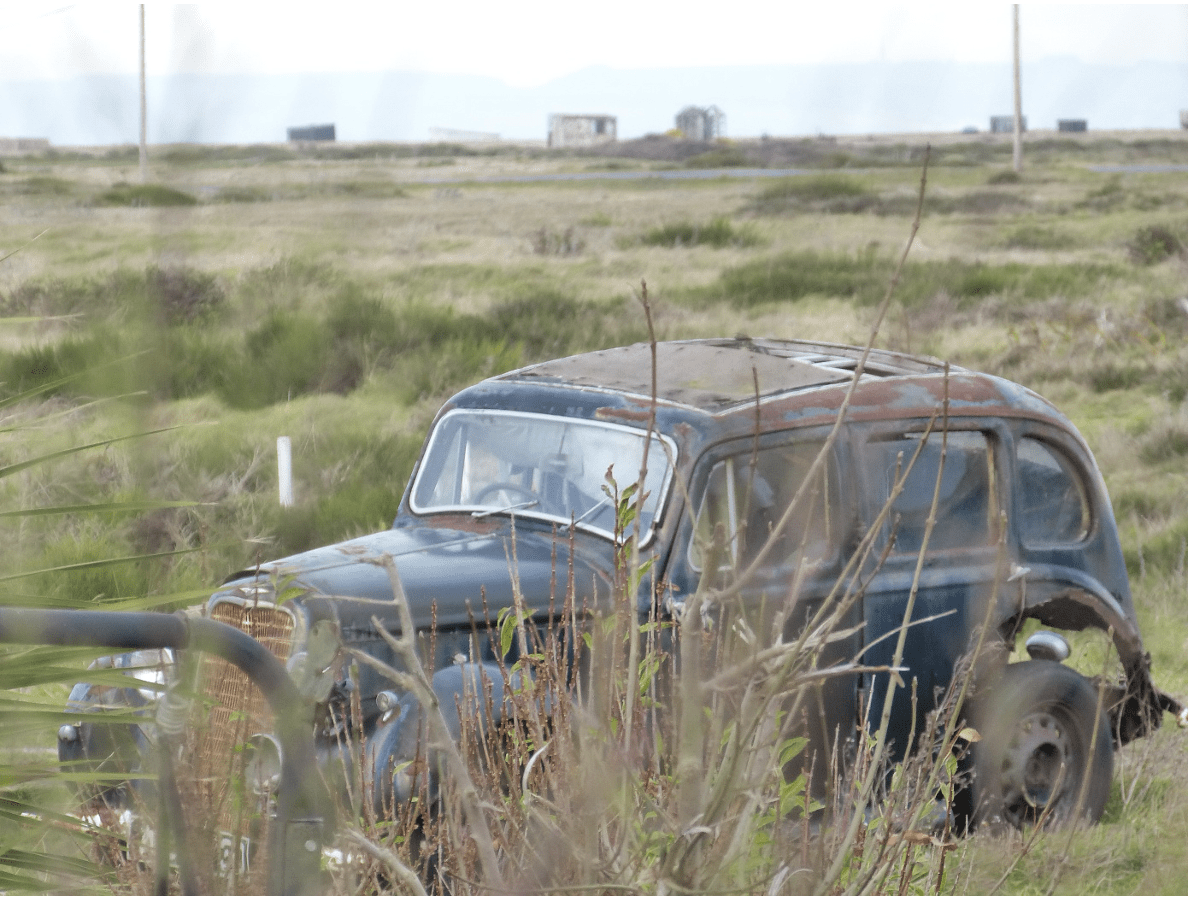
(Pictured: a “bleak” writing spot fave of Stephen’s, in Dungeness)
Plotter or pantser?
Mini-plotter within a broader panster
Reading or listening?
Reading
Notebook or computer?
Mixed—thinking into notebook, writing on computer
Favourite SFFH book of all time?
Pass
Last book you read?
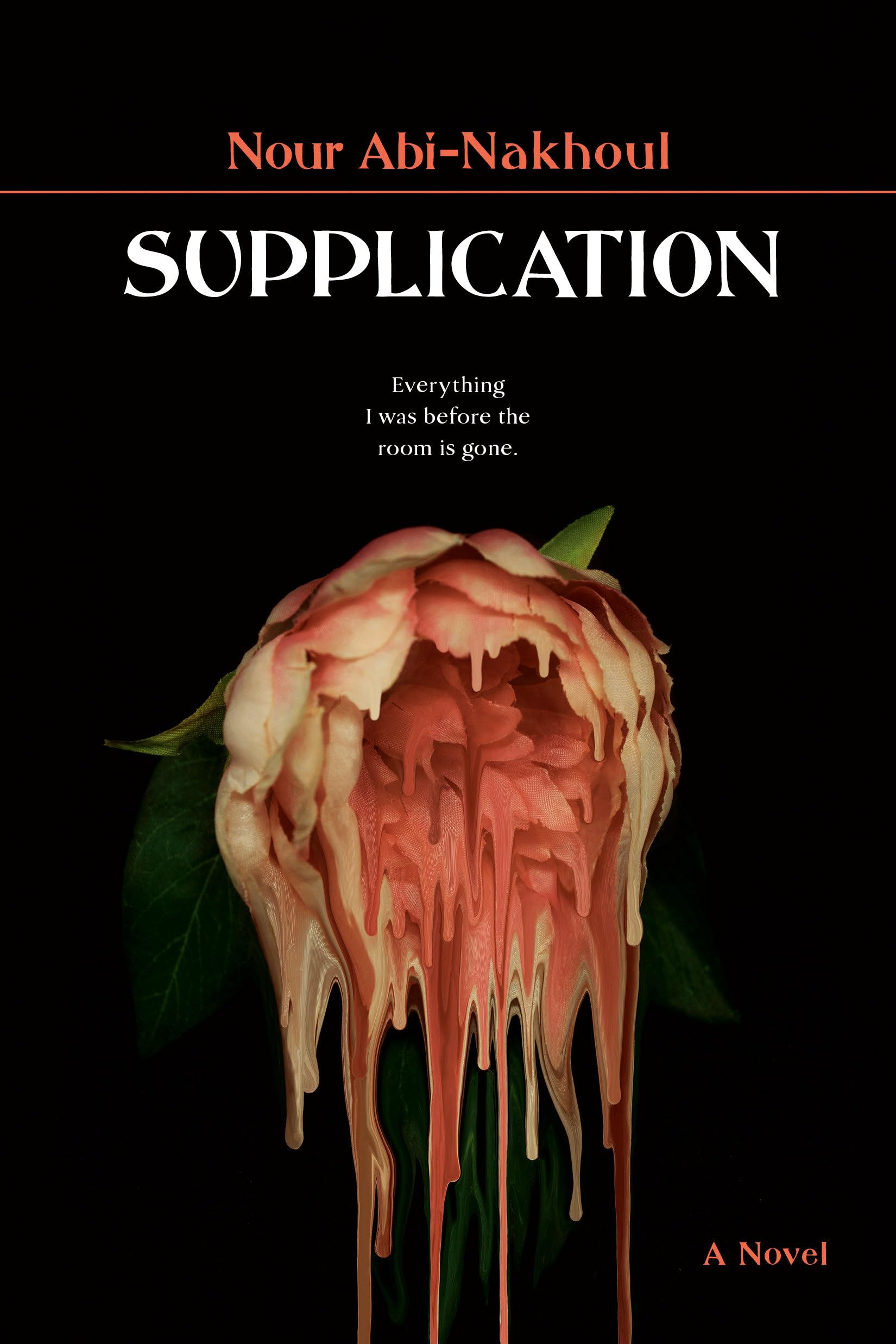
Supplication by Nour Abi-Nakhoul
Any SFFH author on auto-buy?
No, although Jeff Noon comes close.
Favourite podcast?
Team Human—Douglas Rushkoff
The Home Stretch
What’s the best thing about being part of the SFFH community?
Its open arms, and welcoming, supportive, non-competitive nature. I’ve been helped so many times by established authors who don’t know me but just want to help.
Time to plug your stuff! Where can we find you and your work? What have you got coming up? Consider this your advertising space.
The most current published work is the near-future novel, “We Are Not Anonymous” (2025) and the futuristic fable, “Brain Fruit” (2025).
You can find out about me at stephenoram.net and I’m on substack as @nudgethefuture. There’s a longer list of links at linktr.ee/stephen_oram.
For a list of published fiction, from novels to short stories and as an editor, go to stephenoram.net/published-work/.
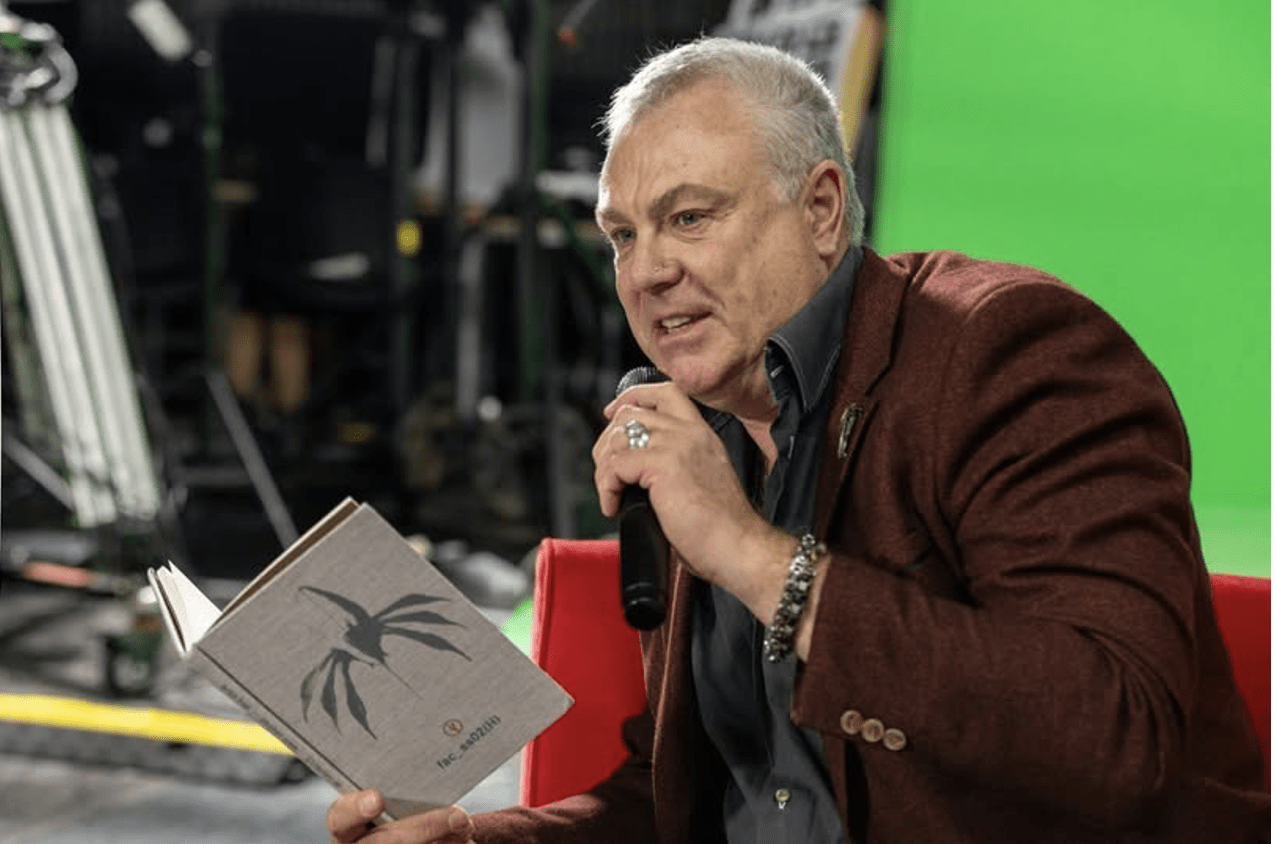
(Pictured: a virtual reality launch for Stephen’s Extracting Humanity)