The shortlisted works across all 13 categories of the British Fantasy Awards have been announced! Find out who’s in the mix over on our blog. Winners announced at Fantasycon in October.

For all things fantasy, horror, and speculative fiction
-
Announcement:
Meet Christian Bieck
Every Friday, we meet a member of the BFS and peer deep into their soul (or, at least, a form they filled out). Want to be featured? Email us: online@britishfantasysociety.org
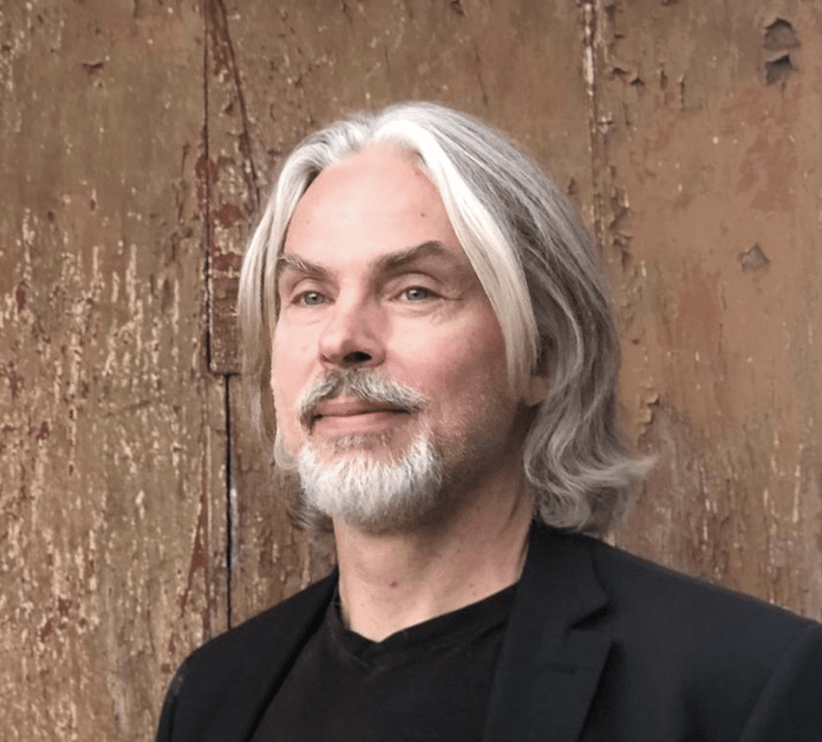
Name:
Christian Bieck (he/him)
Which region are you based in?
SW France, but I’m German
If you write, which genre:
Mainly Fantasy, some SF
If you don’t write, what do you do?
You mean for money? I just retired from my day job as Global Insurance Research Lead at the IBM Institute for Business Value (long-winded way of saying “I was a futurist”) in Dec ’25. Now I spread my (paid) time between editing/coaching writers, coaching tennis, and thought leadership consulting on a project basis; at least that’s the intention.
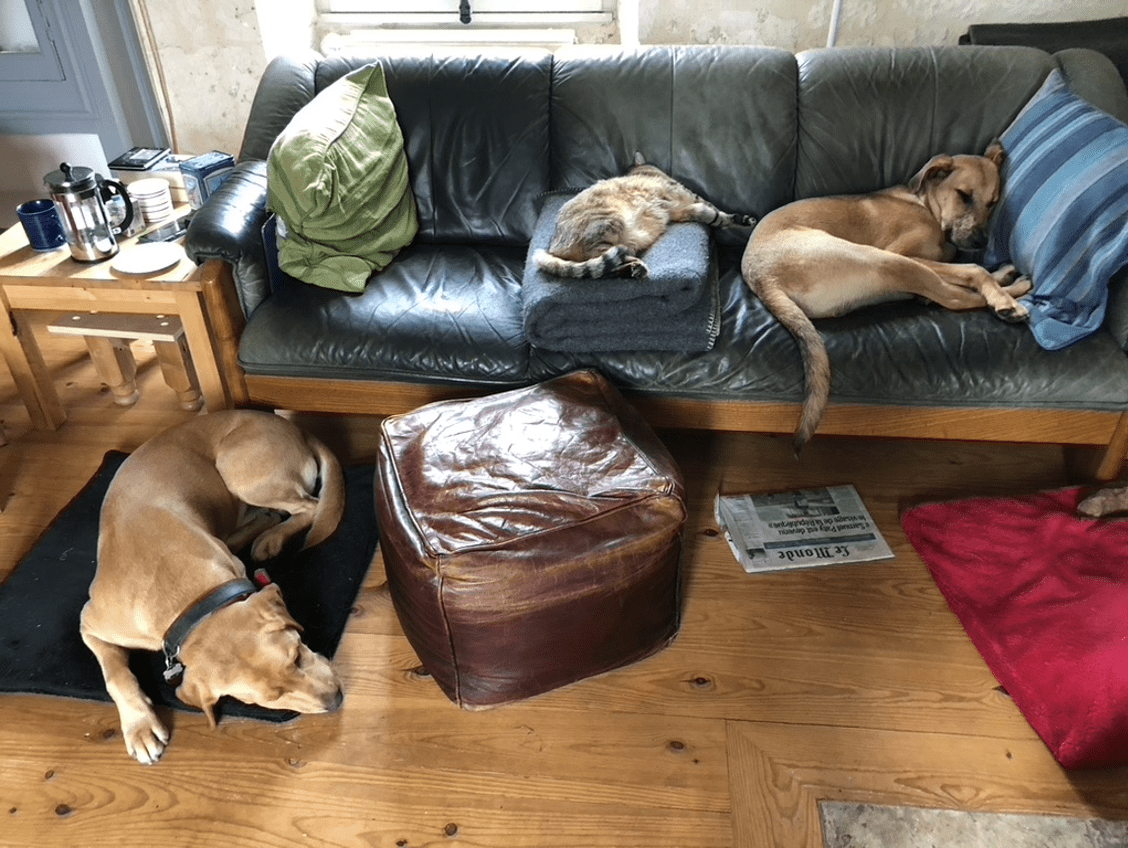
And since I’m retired, I take care of a lot of animals on our little hobby farm: two dogs, two cats, two alpacas, about 2 dozen chickens (pictured). (The bees left, unfortunately. Pesticides are making having bees tough.)
Are you drawn to any specific SFFH sub-genres?
Yes… 😉
For reading, anything that doesn’t have “roman-” in the genre name. For writing, high fantasy, rural and urban fantasy, magical realism but more towards E.T.A. Hoffmann. (Love his works.) All of those in a lighter, cozy-ish style, except for a bit of dark fantasy. I’d love to do epic, but am too lazy to write (and edit!) a 200k+ door stopper—I’ll go epic when I reach the skill level of an Ursula K. LeGuin who could write a 50k word novel that felt more epic than newer books 5x the length (i.e. never).

Your influences

Tell us about the book/film/thing that got you into SFFH: What was it? How old were you? What impact did it have on you?
My author bio says: “Christian fell in love with the fantastic after following Lucy through a magical wardrobe as a boy.” That was in the early 1970s; I was around 6, I believe. Then, of course, there was LotR, which infected me with a serious case of worldbuilder’s disease around the age of 10. That disease did prove beneficial in my first attempts at storytelling as a DM of 1st edition AD&D from 1984. The gateway drug to SF was Asimov’s Foundation trilogy; his mastery at driving story through dialogue was a major influence on my writing.
How does that early influence show up for you (in life/writing/agenting/publishing/editing/reading) now?
I never quite shook the worldbuilding bug, but I do think (and readers confirm) that doing way more work in that area than is strictly necessary leads to my story settings feeling deeper and “richer”, even when it’s not secondary world fantasy. Also, dialogue! Others may complain about talking head syndrome; me, give me two talking heads with interesting conversation over Elizabeth George-esque descriptions every day!
And re: Narnia, I probably read a high percentage of the (Western) portal fantasy that’s been published over the last half century, by Barbara Hambly, Dave Duncan, GG Kay, Stephen Donaldson, etc. My first NaNoWriMo “win” in 2009 was portal fantasy; the novel is trunked for the moment, but some ideas are definitely worth revisiting.
Where do you draw your creative inspiration from?
Tough question. I asked my left brain, and it answered, “From your right brain!” My right brain retorted, “Don’t be silly, you don’t draw it from anything specific, it’s just there.” Honestly, I have no idea. I do know that the fundamental precondition to being creative for me is being content; the tortured artist trope is not one for me. Helps that I’m a glass half full kind of person.
Inspiration is everywhere, you just have to look. I was always the one who wrote the postcards on trips; give me a pen and my head fills with silly ideas that make their way onto the page.
I draw creative energy (not the same thing as inspiration) by presenting what I create in front of an audience, be it one person or 500 people. That can be talking, playing music, or even singing; started that latter rather late in life. (I’m a bass-baritone.)
(Pictured: Christian in full futurist swing)
Who do you look to as a genre hero? Why?
Dave Duncan. Breaking into publishing at 53 after a full non-writing career inspired me, and I love his stories; the Seventh Sword trilogy is one of my absolute favorites. He taught me you are never too old to start writing and selling your stories; a second career as an author up to a high age is definitely possible.
Your Work
You’re stuck in an elevator for 60 seconds with that hero, and they want you to describe your work. Give us the pitch.
“A Basquet of Cats” is a YA fantasy starring magical cats. The MC is a somewhat lazy black Basque tom who spends his days hunting, sleeping, and looking for cream and cuddles. He is also the friend and companion to the Archmage, with the two sharing a mind-to-mind connection.
When one day the Archmage is captured, it is up to him and a band of his friends to save the day. They must use their cat magic and build a coalition of animals to face dark enchantments, sadistic people who exploit animals, and an army of truly bad cats. Can they get his friend—and his life—back?
Basquet is an adventure story, a story of friendship, honor and loyalty, and the responsible use of power. And of cats, lots of cats. But also dogs, crows…
What are you working on right now?
Basquet was written as a stand-alone, but I’m exploring (i.e. outlining) sequels anyway on the off-chance that enough people buy the book (and my publisher buys into the idea). And some short stories in what I’ve started to call “the Whiskerverse”; after I’ve finished this profile I’ll start drafting a storyboard for little prequel graphic novelette.
(Pictured: Christian’s not just about cats!)
My other current WIPs are a secondary world fantasy whodunnit (Craft Sequence meets Bosch Legacy), and an urban fantasy graphic novel, also a mystery.
Thinking about all the stories/work you’ve done, what sticks out most in your mind? Why?
Probably “winning” NaNo 2009. I’d been writing and publishing non-fiction (the futurist thing) professionally for a few years at that point, but only dabbling in fiction, basically writing short kids’ stories for an audience of one, our son. In October 2009, I read about the NaNo project, and on 30 October I decided to have a go, with nothing but a vague concept in mind. Finishing a 60k word novel in a little over a month was a thrilling experience, and taught me a lot about process, dos, and don’ts.
Where and when do you create/are you at your most creative?
Where: either at my desk in my office with a real PC, or else somewhere quiet with a laptop on my lap. (Like now.) For longer writing sessions I need an ergonomic keyboard, though. When doesn’t matter.
What’s the best advice you’ve received about creativity?
I generally ignore advice about creativity, as my process works for me as it is. But maybe I’m misunderstanding the question? Regarding a specific aspect of creativity, brainstorming, the best advice was in a video by Rachael Stephen, the 5 Ideas Method. Write down a key question for what you want to brainstorm. Then write 5 potential answers. Not 1 or 2, exactly 5. If you like one of them as the solution, that’s it. If not, write 5 more, etc. An important element is that I use pen and paper to do it, computer doesn’t work.
What’s your writing soundtrack?
For fantasy, generally LotR full special extended edition soundtrack. Sometimes for shorter writing bits Pictures at an Exhibition, in the guitar transcription by Jorge Caballero, or a bunch of other classical music pieces, Dvorak, Debussy, Bach, Rachmaninov (I play the cello). For non-fiction, the Resistance album (Muse).
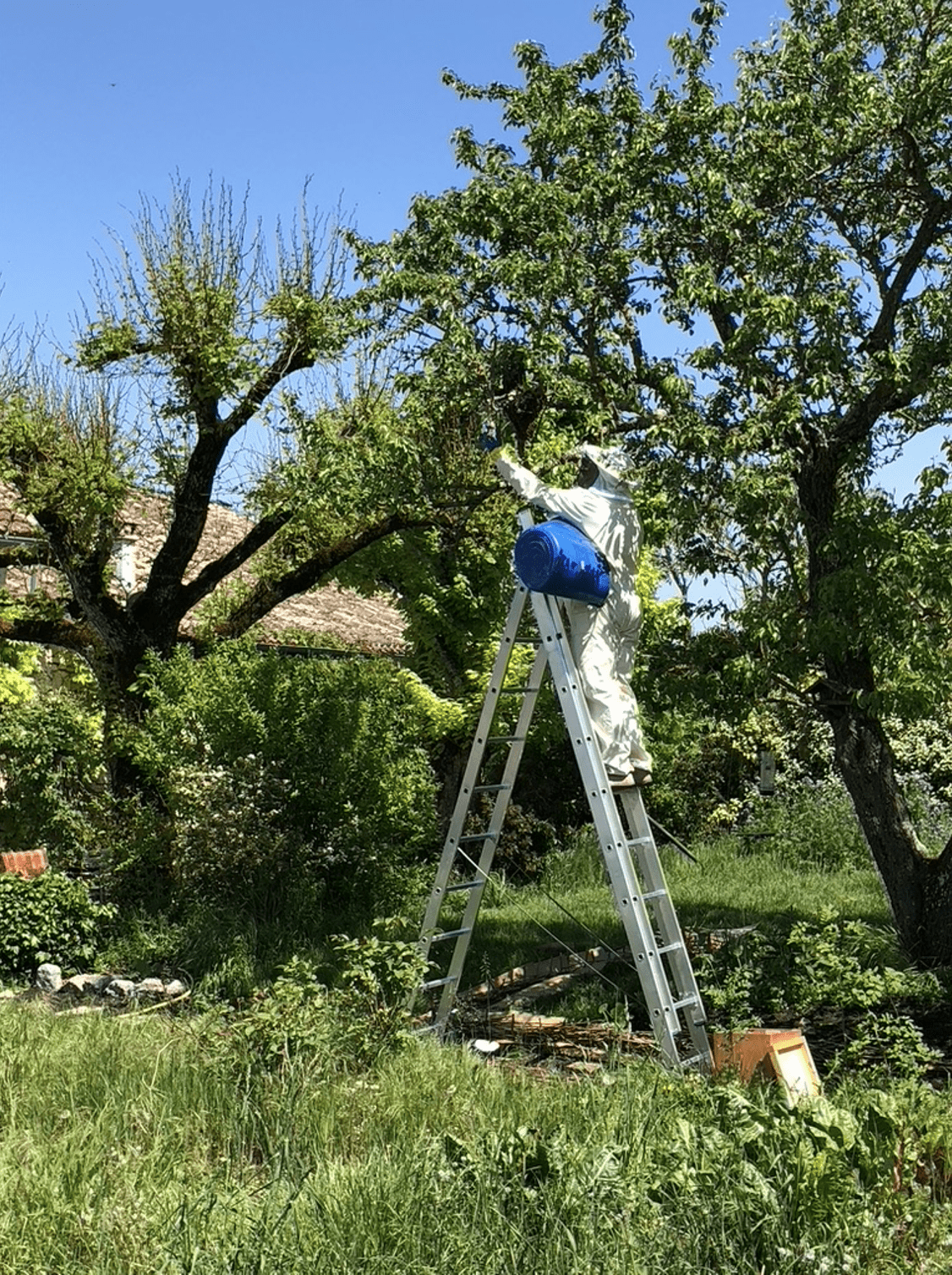
(Pictured: Christian tending to his gardens)
The Quick-Fire Round
Sci-fi, fantasy or horror?
Fantasy
Quiet or loud?
Quiet
Dark or light?
Light
Strict lines or genre blend?
Strictish—I do think marketing categories are useful for buyers, so I respect them as a writer. Within limits.
Awards or bestseller?
Yes. Pretty sure the kind of awards I’d care for would entail the bestselling or vice versa.
Fiction or non-fiction?
Both in the past, future mainly fiction.
Poetry or prose?
Prose. I don’t do poetry, just doggerel.
Plotter or pantser?
Ca. 80% toward the plotter side of the axis.
Reading or listening?
Reading
Notebook or computer?
For anything longer, computer. I need an ergonomic keyboard, and like large screens (27″+).
Favourite SFFH book of all time?
Does anyone ever answer this question with a single book or series? My answer is here. If I absolutely had to name exactly one book/series from that list, it would probably be the original Earthsea trilogy by Ursula K LeGuin.
Last book you read?
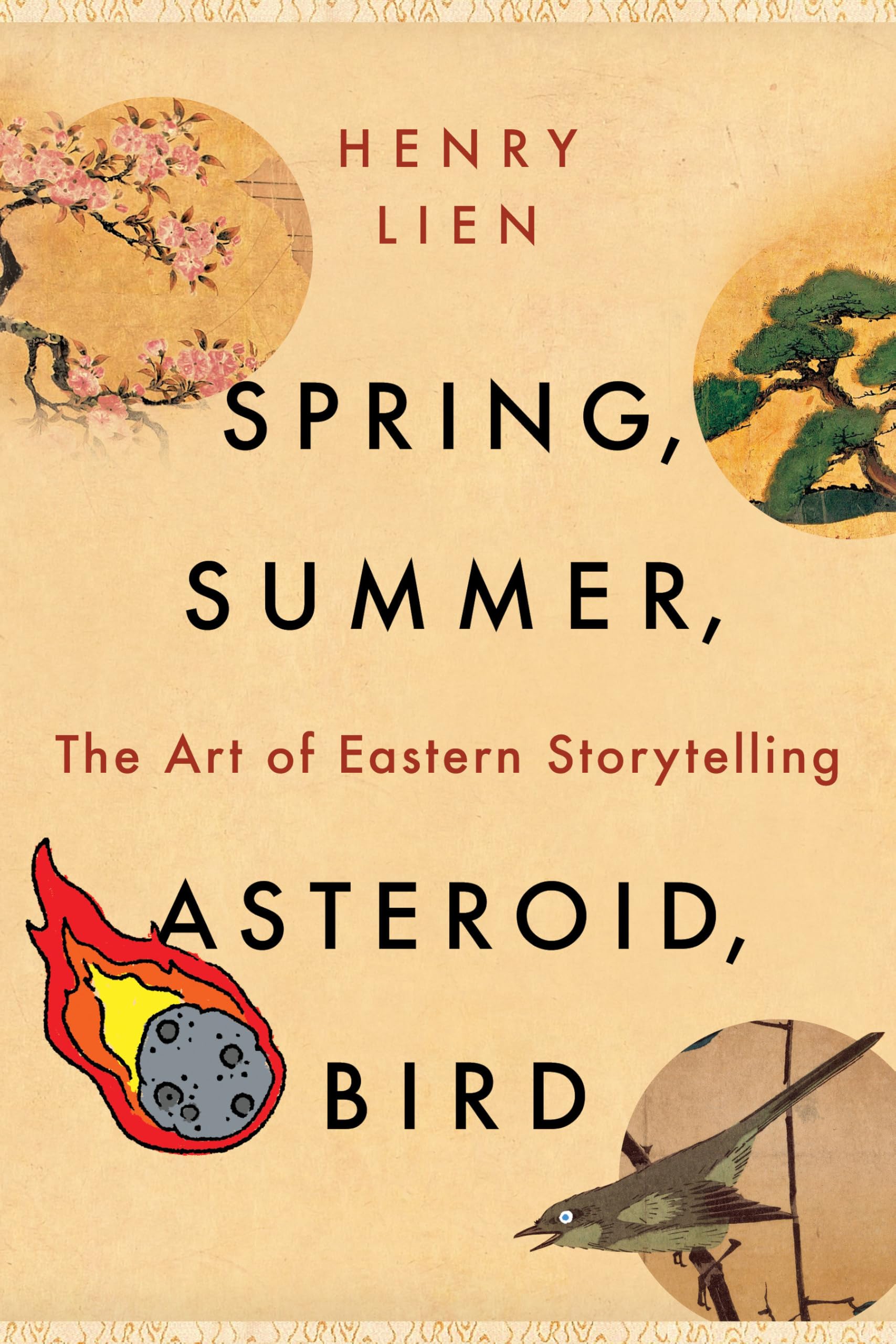
“Spring, Summer, Asteroid, Bird: The Art of Eastern Storytelling”, by Henry Lien. Interesting book. IMO, we are way too focused on Western storytelling, and IMO it’s more a gatekeeping thing by the publishing industry than actual reader preference. There are good stories told in kishotenketsu structure.
Any SFFH author on auto-buy?
Not really. Books are expensive, unfortunately.
Favourite podcast?
I’m not big on podcasts. When driving longer distances, I’m currently listening to Exandria Unlimited.
The Home Stretch
What’s the best thing about being part of the SFFH community?
Having what still feels like a niche group of like-minded people who you can ask for help, and who ask you for help.
Time to plug your stuff! Where can we find you and your work? What have you got coming up? Consider this your advertising space.
My central platform is my website, bieck.fr, which has my blog, my bibliography, a bunch of bonus stories, and my editing services.

My social media hub is at linktr.ee/chbieck; check it out to see which platforms I’m actually on. I’m on Facebook, but not very active after rejoining three months ago (I left during Covid). That might change if Basquet gets some fans, see next paragraph.
My debut novel “A Basquet of Cats” will be available from Guardbridge Books starting Easter 2026, or at the usual suspects such as Amazon. Launch party will be at Iridescence 2026 in Birmingham, so maybe see me there and get it signed? Here’s the announcement.
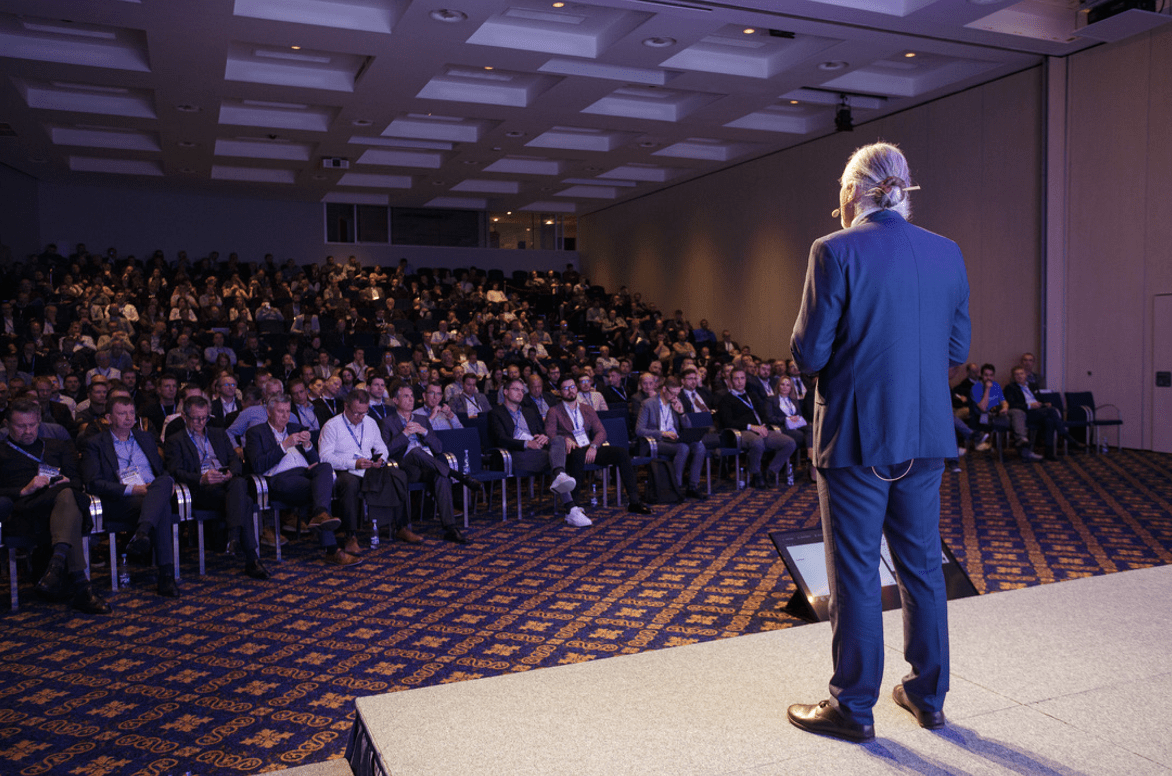
(Pictured: Christian in business mode on stage)